Your favorite mist spray bottle suddenly stops pumping liquid. You press the nozzle, but no fluid comes out. Do not throw the plastic container away right away. You can solve this annoying problem at home with a few quick checks.
First, check the liquid level inside the bottle. A low fluid level prevents the dip tube from reaching the liquid properly. Next, loosen a tight cap slightly to release any trapped vacuum pressure.
Discarded plastic spray bottles pile up in landfills for a very long time. They slowly break down and release harmful microplastics into the soil and water. Easy household fixes save your money, restore proper spray performance, and keep plastic waste out of local landfills.
Key Takeaways
- Clear blocked spray nozzles by soaking the spray heads in warm water or vinegar.
- Clear out trapped air inside the pump to get strong suction back quickly.
- Rinse out spray bottles after every use to stop thick liquids from clogging them up and causing damage.
- Reuse your old spray bottles frequently to save money and cut down on plastic garbage.
Understanding How Mist Spray Bottle Systems Work
Simple physics powers every liquid sprayer in your house. The same air-pressure principle is used in pump bottles to move liquid upward against gravity. Pressing the top handle moves inner pieces to build strong suction. Learning this easy mechanical process helps you spot pump problems fast.
The fluid spraying process follows a precise mechanical sequence:
- Pressing the pump lowers the air pressure inside the tube that reaches down into the bottle.
- The stronger air pressure inside the bottle pushes the liquid straight up through the tube.
- The pump assembly forces the liquid out through a tiny nozzle, turning it into a fast, fine mist of small drops.
Liquid flows easily through the inside tube during normal use. Air pressure inside the cosmetic bottle stays balanced with the outside air pressure. Smooth fluid flow needs totally clean paths and tight, unbroken seals. Tiny clogs or loose parts break the inner vacuum needed to pull liquid up. Air leaks let outside air into the fluid path, stopping all suction completely.
Main Components Inside Fine Mist Spray Bottle Mechanisms
A normal Mist Spray Bottle uses several small matching parts that work together. Each separate part does a special job to make a smooth spray pattern. Broken, crooked, or dirty parts will instantly stop the liquid from pumping out.
| Component | Function |
|---|---|
| Actuator | Pressed by user to spray; contains internal insert for mist pattern. |
| Atomizing Nozzle | Breaks liquid into fine droplets via a tiny aperture. |
| Pump Mechanism | Piston creates vacuum; check valve prevents backflow; spring tension ensures consistent spray. |
| Gasket | Seals closure to bottle to prevent leaks. |
| Dip Tube | Extends to bottle bottom; bent and cut at angle to avoid clogging. |
Hard minerals and sticky fluids build up inside these small inner parts over time. Thick liquid leftovers slowly turn into hard spots inside the tiny inner opening. You can clean out these stubborn clogs by using easy household cleaning steps. First, take the cap and nozzle piece off the main pump part very carefully. Soak the nozzle pieces in warm water below 70°C for 10–15 minutes to melt old liquid. Warm water loosens hard mineral spots without melting or bending delicate plastic parts.
After soaking, check the tiny liquid hole for any leftover dirt. Use a thin pin, sewing needle, or soft toothbrush to clean out dirt without making the mist hole bigger. Gentle cleaning steps prevent real damage to the tiny plastic end. Never force sharp metal needles into the center hole. Making the tiny hole bigger changes the mist pattern from a fine spray into a heavy stream. Put the whole top piece back together tightly after cleaning to keep the correct inner seal tight. Regular care keeps the liquid path open and completely restores your original spray power.
10 Effective Ways to Fix a Mist Spray Bottle That Won’t Spray
1. Clear Blocked Spray Nozzles and Dried Residue
Dried skincare or cosmetic residue can block the nozzle opening and prevent mist from forming. Clean the nozzle thoroughly to restore a clear spray path.
2. Remove Air Blockages Inside the Spray Pump
Trapped air can prevent the pump from drawing liquid correctly. Prime the sprayer several times and check whether continuous pumping restores the liquid flow.
3. Fix Clogged Dip Tubes and Liquid Flow Problems
A blocked or incorrectly positioned dip tube can restrict liquid from reaching the pump. Check the tube for residue, bends, or disconnection before testing the sprayer again.
4. Check and Repair Damaged Pump Sealing Issues
Worn or damaged seals can allow air to enter the pump and reduce suction. Inspect the sealing points and replace damaged components when proper pressure cannot be maintained.
5. Adjust Tight Nozzles and Stuck Spray Actuators
A nozzle or actuator that is too tight or stuck may prevent normal operation. Check the actuator movement and ensure the nozzle is correctly positioned before repeated use.
6. Restore Spray Performance After Pump Failure
If the pump no longer creates pressure after cleaning and priming, the internal mechanism may have failed. Testing the pump separately can help determine whether replacement is necessary.
7. Repair Broken Springs Inside Spray Mechanisms
The internal spring helps return the actuator after each press. If it is broken, displaced, or weakened, the actuator may fail to reset and the bottle may stop spraying.
8. Solve Liquid Compatibility Problems with Sprayers
Some formulas may affect sprayer components or interfere with consistent misting. Check whether the liquid is suitable for the pump, nozzle, seals, and other materials used in the packaging.
9. Fix Insufficient Liquid Supply and Suction Issues
Low liquid levels or poor tube positioning can prevent the pump from drawing enough product. Keep the dip tube submerged and check the bottle connection for air leaks.
10. Replace Damaged Spray Bottle Components When Needed
When cleaning, priming, and adjustment do not solve the problem, inspect the nozzle, pump, dip tube, seals, and actuator for damage. Replacing the affected component can restore reliable spray performance.
Step-by-Step Methods to Repair Mist Spray Bottles
A mist spray bottle may stop working because of nozzle buildup, trapped air, blocked tubes, or worn pump components. These simple checks can help identify the problem before replacing the entire sprayer.
Cleaning Spray Nozzles with Water and Safe Solutions
Dried product can block the fine opening and prevent a consistent mist. Remove the spray head, rinse the nozzle with warm water, and gently clear visible residue. For stubborn buildup, use a mild cleaning solution that is compatible with the packaging material, then rinse and dry the parts thoroughly before reassembly.
Priming Spray Pumps to Restore Liquid Flow Performance
Air trapped inside the pump can interrupt suction and prevent liquid from reaching the nozzle. Make sure the dip tube is connected and submerged, then press the actuator repeatedly to prime the pump. If the bottle contains a thick formula, check that its viscosity is suitable for the sprayer.
Checking Tubes Pumps and Seals Before Replacement
If cleaning and priming do not restore spraying, inspect the dip tube, pump, seals, and actuator for cracks, loose connections, or visible wear. Replace the damaged component when necessary, using a compatible sprayer that matches the bottle and formula requirements.
Maintenance Tips to Prevent Mist Spray Bottle Problems
Keep Spray Nozzles Clean and Free From Blockages
Washing the parts often stops dirt from building up in the narrow tubes. Always wash out the sprayer after using thick or sticky liquids inside it. You can soak loose nozzle pieces in a mix of warm water and vinegar for 15 to 30 minutes. Scrub the hole lightly with a soft brush or pin to clear away stubborn dirt.
Clean your misting nozzles at least once during every season of regular use. Press the top handle a few times after rinsing parts under clean running water. This quick step clears trapped water out of the inner pump spaces fast. Let all pieces dry fully on a clean towel in the sun before putting everything back together.
Store Spray Bottles Correctly to Extend Product Lifespan
Good storage steps keep the inside pieces safe from real physical damage. Stand your sprayers upright so liquid does not leak into the upper pump parts. Keep the bottle away from hot spots and bright sun so the plastic stays straight. Twist the cap on tightly when you are done to keep out dirty dust.
Stiff pump parts can slow down the spray over time. Put one tiny drop of mineral oil or silicone oil right onto the inner piston parts. Move the handle back and forth a few times to spread the oil all around inside. This cuts down rubbing, opens stuck pump parts, and brings back smooth handle movements. Wipe off extra oil so it does not mix with your main bottle fluid.
Check the rubber seals often to catch tiny cracks, wear, or liquid leaks early. Trusted packaging makers like GIDEA test every seal to stop fluid leak problems. Good seals help your Mist Spray Bottle keep strong suction power every day.
Regularly Maintain Pump Systems for Better Performance
Check the pump, dip tube, actuator, and seals regularly for loose connections, cracks, or reduced suction. Make sure the dip tube remains properly connected and reaches the liquid without sharp bends. Avoid forcing a stiff actuator, as excessive pressure can damage internal pump components.
For bottles used with thicker formulas, monitor spray consistency and clean the pump when liquid flow becomes uneven. Replacing worn seals or damaged pump components early can help maintain reliable dispensing performance and extend the service life of the mist spray bottle.
Frequently Asked Questions About Mist Spray Bottle Repair
Why Does My Mist Spray Bottle Stop Spraying Suddenly?
A mist spray bottle may stop spraying because of a clogged nozzle, trapped air, a blocked dip tube, damaged seals, or a failed pump mechanism. Check the spray path and pump components to identify the cause.
How Can I Unclog a Fine Mist Spray Bottle Nozzle?
Remove visible residue from the nozzle and rinse it with clean water if the formula allows. Gently clear the opening and test the sprayer several times after reassembly.
Can a Broken Spray Pump Be Repaired or Replaced?
Minor issues such as a loose actuator or blocked nozzle may be fixable, but a damaged internal pump mechanism usually requires replacement. Replace the pump with a compatible component to restore proper spraying.
Why Is My Spray Bottle Pump Not Drawing Liquid?
The pump may not draw liquid when the dip tube is blocked, disconnected, incorrectly positioned, or exposed above the liquid level. Check the tube connection and liquid level, then prime the pump again.
Our Mist Spray Bottle Packaging Solutions for Brands
Custom Fine Mist Sprayers for Cosmetic Applications
Cosmetic companies need top-quality sprayers that keep users happy while meeting world safety rules. As a leading supplier, GIDEA makes smart pump systems for international beauty lines. These continuous spray bottles use built-in pressure instead of pressurized gas. This clever design sprays a light, gentle cloud without any dangerous chemicals, so it works great for body sprays and sunscreen. On top of that, these safe materials match strict health standards across Europe, Asia, and China.
Business partners can design every single part to match their unique style. Wholesale buyers can pick special colors, printed logos, shiny foil details, sticky labels, or laser patterns using our flexible custom production services. Special tiny channels inside the sprayer make a smooth, even mist every time. For example, a natural skin brand swapped out their old sprayer head for our easy-press top, which boosted their customer reorders by 35% because the mist felt so much better.
Reliable Spray Bottle Components and Manufacturing Support
Large factory orders demand careful safety checks and eco-friendly build plans. GIDEA has specialized in custom cosmetic bottle manufacturing since 2003, with a focus on sustainable production and eco-friendly packaging solutions.Old-style spray pumps are hard to recycle because they combine mixed plastics with hidden metal springs. Newer single-plastic pumps built entirely from PP or PE move through local city recycling centers much faster.
Because of their metal springs and multi-material construction, traditional pump and spray dispensers are typically not recycled. Mono-material pumps and trigger sprayers made of either PP or PE facilitate recycling and offer sustainable packaging options for lotions, liquid soaps, personal care, and cleaning products.
Every fine mist sprayer passes strict performance tests before it leaves the factory. Our team checks every bottle for leaks to ensure completely tight seals that protect against messy spills during shipping. All parts pass official FDA guidelines and quality rules to keep liquids completely pure. Companies also get free product design help plus fast seven-day sample creation to bring new items to market quicker.
Fixing a broken sprayer is easy. You can check the liquid inside, clear clogged nozzles, wash away hard mineral spots, and push trapped air out of the pump. Always flush the spray head with warm water after using thick oils or sticky liquids. Regular care prevents tough clogs and protects the plastic parts inside.
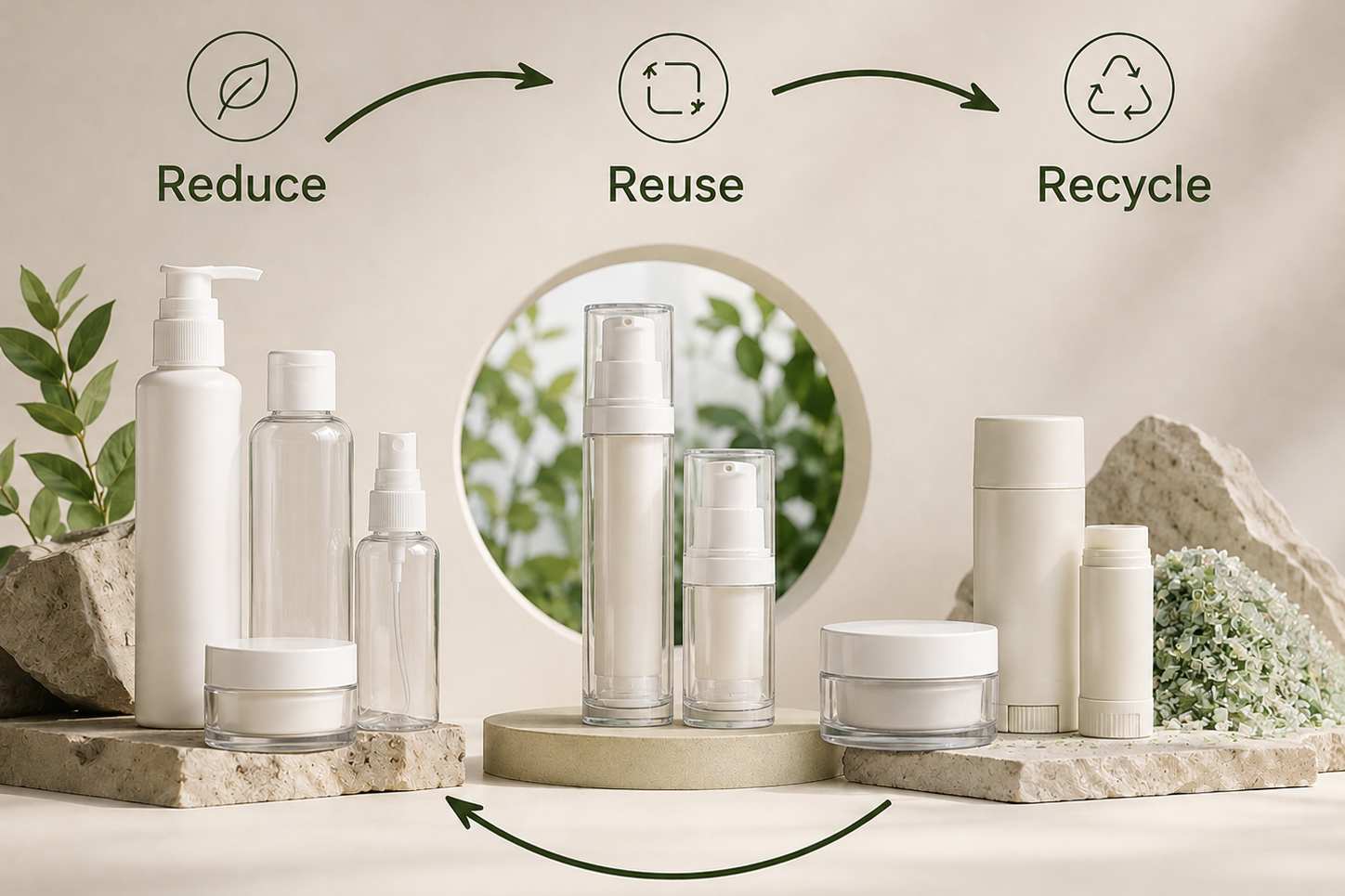
Fixing your Mist Spray Bottle helps cut down on plastic waste. Refilling one bottle ten times saves about 2.6 pounds of plastic. Reusing your bottles keeps extra trash out of local landfills and protects the environment. Quick home fixes help your items last longer while saving you money. Fixing everyday things protects our planet’s resources.