
Preparing bamboo cosmetic packaging for eco-friendly use involves three basic steps: inspecting the components, cleaning them according to the manufacturer’s instructions, and allowing them to dry completely. Bamboo is a renewable plant-based material, but the durability and environmental performance of finished packaging depend on its construction, coatings, additional materials, and end-of-life treatment. This guide explains how to prepare and maintain bamboo cosmetic packaging while reducing the risk of moisture damage, leakage, and premature replacement.
Key Takeaways
- Clean bamboo packaging gently with mild soap and a soft cloth. Dry it completely right away.
- Keep bamboo dry and store it in a cool, dry place. Moisture causes mold and cracks.
- Bamboo grows fast and breaks down naturally. It is a renewable and eco-friendly material.
- Check bamboo packaging often for cracks or mold. Fix small problems early to make it last.
How to Prepare Bamboo Packaging Before First Use
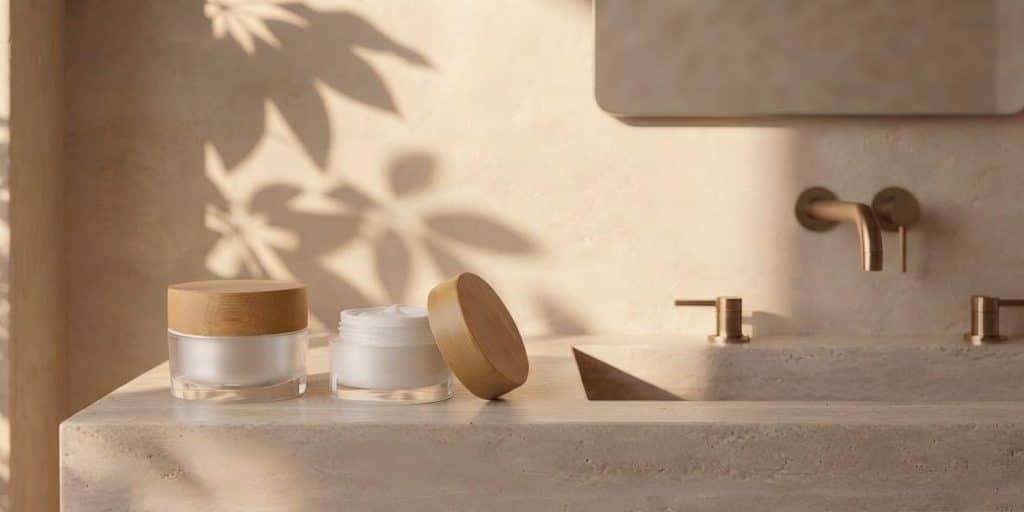
Before filling bamboo packaging with cosmetic products, inspect the exterior, inner liner, and assembled components. These simple checks help identify damage, reduce leakage risks, and ensure the packaging is suitable for its intended use.
Check the Bamboo Exterior for Surface Quality and Damage
Inspect the bamboo surface under good lighting. Look for deep cracks, splinters, rough edges, or loose joints. Minor variations in color and grain are natural, but structural damage may affect durability.
Wipe away dust with a soft, dry cloth and follow the manufacturer’s cleaning instructions. Avoid harsh solvents or unapproved coatings that could damage the finish. If you find significant cracks or defects, contact the packaging supplier before use.
Inspect the Inner Liner Before Filling Cosmetic Formulas
The inner liner helps separate the cosmetic formula from the bamboo exterior. Check for visible gaps, wrinkles, cracks, or loose edges, especially around the opening and seams.
Confirm that the liner is securely fitted and designed for the intended product. A damaged or poorly fitted liner may increase the risk of leakage or direct contact between the formula and bamboo. If any defects appear, do not fill the container until the issue has been resolved.
Test Material Compatibility With the Intended Cosmetic Formula
Different cosmetic formulas can interact differently with packaging materials. Oils, alcohol, fragrances, and other ingredients may affect certain plastics, seals, or coatings.
Before bulk production, test a sample using the actual formula. Check for changes in color, odor, texture, leakage, or material condition over the intended storage period. Confirm compatibility with the packaging manufacturer rather than assuming the liner suits every formula.
Check Component Assembly Before Putting Packaging Into Use
Check that the cap, lid, pump, or other dispensing components fit securely and operate smoothly. Misaligned threads, loose closures, or poorly fitted seals may cause leakage or affect product usability.
Open and close the packaging as intended, then perform a suitable leak test if the design requires one. Make sure removable components are correctly positioned and that the closure does not require excessive force.
For cosmetic brands sourcing bamboo packaging, checking surface quality, liner compatibility, and component assembly before filling helps reduce avoidable packaging issues. GIDEA PAC offers cosmetic packaging solutions for different brand requirements; confirm product specifications and preparation instructions with the manufacturer before use.
How to Clean Bamboo Packaging Without Causing Damage

Bamboo packaging can retain its appearance with appropriate cleaning and storage, but its service life depends on material quality, surface treatment, construction, and frequency of use. For routine cleaning, use a soft cloth and follow the manufacturer’s care instructions. Avoid unapproved solvents, abrasive cleaners, and prolonged exposure to water, as these may damage the finish or bonded components.
For stubborn stains, test any cleaning method on a small, inconspicuous area first. If the packaging has a protective coating, printed decoration, adhesive joints, or mixed-material components, confirm that the cleaning agent is compatible before applying it to the entire surface.
Use Gentle Cleaning Methods for Bamboo Packaging Surfaces
A mild routine cleans bamboo well without stripping its surface. Follow these steps:
- Mix lukewarm water with a small amount of mild, unscented dish soap.
- Dip a soft microfiber cloth into the mix and wring it out well. The cloth should feel only slightly damp.
- Wipe the surface gently with smooth strokes that follow the grain.
- Dry the item right away with a clean, lint-free cloth. Pay attention to crevices and corners.
- Condition the surface now and then with a thin layer of food-safe mineral oil or beeswax polish. This step keeps moisture balanced and helps prevent cracking.
Avoid Excess Moisture When Cleaning Bamboo Components
Water causes most bamboo problems. It swells the fibers, opens them to mold, and can pull glued joints apart. Keep every wash short and controlled.
Never soak bamboo or put it in a dishwasher. Rinse briefly, then dry every surface by patting with a clean towel. Stand the item upright or place it where air reaches both sides. Remove silicone gaskets when you can and dry the groove before reassembly. Store lids separately from wet jars until both are fully dry.
A damp item placed in a bag or a closed cabinet has no way to release moisture. Even slight dampness can turn into mold within days in humid conditions. The bamboo must feel completely dry before storage.
Dry Bamboo Components Thoroughly Before Reassembly and Use
After cleaning, wipe bamboo components with a dry, lint-free cloth and allow them to air-dry completely in a ventilated area. Do not reassemble damp parts or seal them inside a closed container, as trapped moisture may encourage mold or damage bonded joints.
Ensure that edges, grooves, and contact points are dry before replacing lids, liners, or other components. Follow the manufacturer’s instructions for any additional drying or care requirements.
For cosmetic brands, choosing suitable bamboo packaging finishes and following recommended cleaning procedures can help maintain appearance and usability. GIDEA PAC offers cosmetic packaging solutions for different brand requirements, with material and care specifications to be confirmed for each product.
How to Maintain Bamboo Packaging During Regular Use
Consistent bamboo packaging care helps preserve its appearance and reduce moisture-related damage. Simple daily habits can keep bamboo cosmetic packaging in good condition for longer.
Keep Bamboo Surfaces Dry to Help Prevent Moisture Damage
Wipe spills promptly with a soft, dry cloth and allow the surface to dry fully after cleaning. Avoid soaking bamboo packaging or using a dishwasher, as excess moisture may cause swelling, warping, or damage to bonded layers.
Pay attention to edges, joints, and areas around the inner liner, where moisture can collect. Inspect the surface regularly for dark spots, cracks, or loose layers, and follow the manufacturer’s recommendations for maintaining protective finishes.
Protect Bamboo Packaging From Excessive Heat and Humidity
Excessive heat and humidity can affect bamboo’s stability and appearance. Store bamboo packaging in a cool, dry, well-ventilated area, away from direct sunlight, radiators, and other heat sources.
Avoid placing damp components in sealed bags or enclosed spaces, where trapped moisture may encourage mold. Stable storage conditions help reduce the risk of cracking, warping, and deterioration.
Handle Bamboo Components Carefully to Prevent Cracks and Damage
Handle bamboo cosmetic jars, lids, and outer sleeves carefully during opening, closing, filling, and transport. Avoid dropping components, applying excessive pressure, or forcing tightly fitted parts together.
Check closures, edges, and joints periodically for cracks or signs of wear. Make sure components align correctly before tightening them, as improper assembly may damage the bamboo or affect the packaging’s fit.
For cosmetic brands, suitable material selection and clear care instructions help maintain bamboo packaging throughout regular use. GIDEA PAC offers cosmetic packaging solutions for different brand requirements; confirm product-specific handling and maintenance guidance with the manufacturer.
How Bamboo Packaging Supports Eco-Friendly Cosmetic Packaging
Bamboo can provide a renewable plant-based alternative for selected cosmetic packaging components, particularly outer sleeves, caps, and decorative cases. However, the environmental performance of a finished package depends on more than its bamboo content. Coatings, adhesives, inner containers, dispensing systems, manufacturing processes, transportation, and end-of-life options can all affect its overall impact.
For cosmetic brands, the most useful approach is to evaluate the complete packaging design. Consider whether the bamboo exterior can be reused, whether the inner container can be replaced, how easily the different materials can be separated, and whether suitable recycling or composting facilities are available in the target market.
Renewable Bamboo Components Can Support Sustainable Packaging
Bamboo is a fast-growing plant resource, and some cultivated bamboo species can reach harvestable maturity within several years. The Food and Agriculture Organization of the United Nations (FAO) notes that clumping bamboo generally matures in around three to five years, although growth and harvesting cycles vary by species and growing conditions.
For cosmetic packaging, using bamboo for selected components can help brands explore renewable material options. The benefits depend on responsible sourcing, processing methods, product durability, and whether the finished package can be reused or managed appropriately at the end of its life.
Durable Bamboo Components Can Support Longer Packaging Use
Durability is an important consideration when selecting bamboo cosmetic packaging. A well-designed exterior can protect the appearance of a package during normal handling, but its performance depends on the bamboo material, surface finish, joint construction, and exposure to moisture and impact.
Brands should assess durability using the actual packaging design and intended conditions of use. Any biodegradability or compostability claim should also be supported by evidence relevant to the finished product, including its coatings, adhesives, liners, and other components.
Reusable Packaging Designs Can Reduce Unnecessary Material Waste
Refillable cosmetic packaging can reduce the need to replace the entire package when the product runs out. For example, a reusable bamboo outer case paired with a replaceable inner container may allow consumers to retain the exterior while changing the refill.
To make this approach practical, brands should consider easy refill replacement, secure assembly, product compatibility, and cleaning requirements. The inner container and other components should also have clearly defined disposal or recycling routes where available.
For cosmetic brands, bamboo packaging works best as part of a considered packaging strategy that balances appearance, durability, material use, and end-of-life handling. GIDEA PAC offers cosmetic packaging solutions for different brand requirements, helping brands explore packaging formats suited to their products and design goals.
Our Bamboo Packaging Solutions for Beauty and Cosmetic Brands
GIDEA PAC has been developing cosmetic packaging since 2003, offering packaging solutions for beauty and personal care brands. Our bamboo cosmetic packaging options combine natural exterior finishes with functional inner containers and dispensing components. Customization options help brands align packaging design, materials, and decoration with their product requirements.
Bamboo Caps and Closures for Custom Cosmetic Packaging
Bamboo caps and closures add a natural finish to cosmetic packaging while helping create a consistent brand identity. Depending on the packaging design, options may include screw caps, pump closures, dropper components, and other dispensing formats.
Brands can explore decoration options such as logo printing, laser engraving, hot stamping, and custom color finishes. Bamboo can also be combined with glass, plastic, or aluminum components to balance appearance and functionality. The appropriate closure depends on the container design, formula compatibility, and sealing requirements.
Bamboo Jars and Bottles for Different Beauty Product Formats
Different cosmetic products require different dispensing and storage formats. Bamboo cosmetic jars with suitable inner containers can be considered for creams, balms, and other skincare products, while bamboo cosmetic bottle designs may support serums, facial mists, and liquid treatments when paired with compatible dispensing systems.
Common options include:
- Bamboo cosmetic jars: Suitable for cream and balm packaging, depending on the inner container and closure.
- Bamboo airless bottles: An option for compatible creams and serums that require a specific dispensing system.
- Bamboo spray and dropper bottles: Designed for suitable liquid formulas, depending on nozzle performance and component compatibility.
- Bamboo lipstick tubes: Offer a distinctive exterior for selected lip color and lip care products.
Selecting the right bamboo packaging format requires consideration of formula viscosity, dispensing needs, sealing performance, and intended use.
Custom Bamboo Packaging Development for Brand Requirements
Every beauty brand has different packaging priorities, from premium appearance to practical dispensing and material selection. GIDEA PAC supports custom cosmetic packaging development to help brands explore suitable shapes, capacities, finishes, and component combinations.
Customization may include logo placement, surface decoration, color matching, and combinations of bamboo with other packaging materials. Before mass production, brands should confirm the approved sample, formula compatibility, closure fit, and required performance tests.
For wholesale and custom projects, clearly defining target specifications early helps streamline packaging development and maintain consistency between samples and production. Contact GIDEA PAC to discuss bamboo cosmetic packaging options tailored to your product format and brand requirements.
Frequently Asked Questions About Bamboo Cosmetic Packaging
How should bamboo cosmetic packaging be prepared before use?
Before using bamboo cosmetic packaging, inspect the container, closure, and dispensing components for damage or loose fittings. Clean the parts according to the manufacturer’s instructions and allow them to dry completely before filling. For custom cosmetic packaging, confirm that the container is suitable for the intended formula and that the closure fits securely.
How should bamboo packaging be cleaned and maintained?
Wipe bamboo exterior surfaces with a soft, slightly damp cloth and dry them promptly. Avoid prolonged soaking, harsh cleaning agents, and excessive moisture, which may affect the bamboo finish over time. For jars and bottles with inner containers, clean the product-contact parts according to their material specifications and the manufacturer’s care instructions.
Can bamboo packaging be used with cosmetic formulations?
Yes, bamboo cosmetic packaging can be developed for different beauty products, but suitability depends on the packaging structure and formulation. Bamboo is commonly used as an exterior component, while glass or plastic may serve as the product-contact container. Brands should evaluate formula compatibility, sealing performance, and dispensing requirements before selecting packaging for creams, serums, oils, or other cosmetic products.
How long can properly maintained bamboo packaging be used?
The service life of bamboo cosmetic packaging depends on material quality, construction, frequency of use, storage conditions, and maintenance. Keeping the exterior dry, avoiding impacts, and following the manufacturer’s care instructions can help preserve its appearance. For refillable cosmetic packaging, inspect the container, closure, and dispensing components regularly, and replace them if they become damaged or no longer function properly.