EXHIBITION 2026
Cosmoprof Bologna • Booth H20‑B2 • March 26‑29 • BolognaFiere, Italy
FCE Cosmetique • Booth CH105 • June 1‑3 • São Paulo Expo, Brazil
Cosmopack Asia Hong Kong, China • Booth TBD • November 10‑12 • AsiaWorld‑Expo

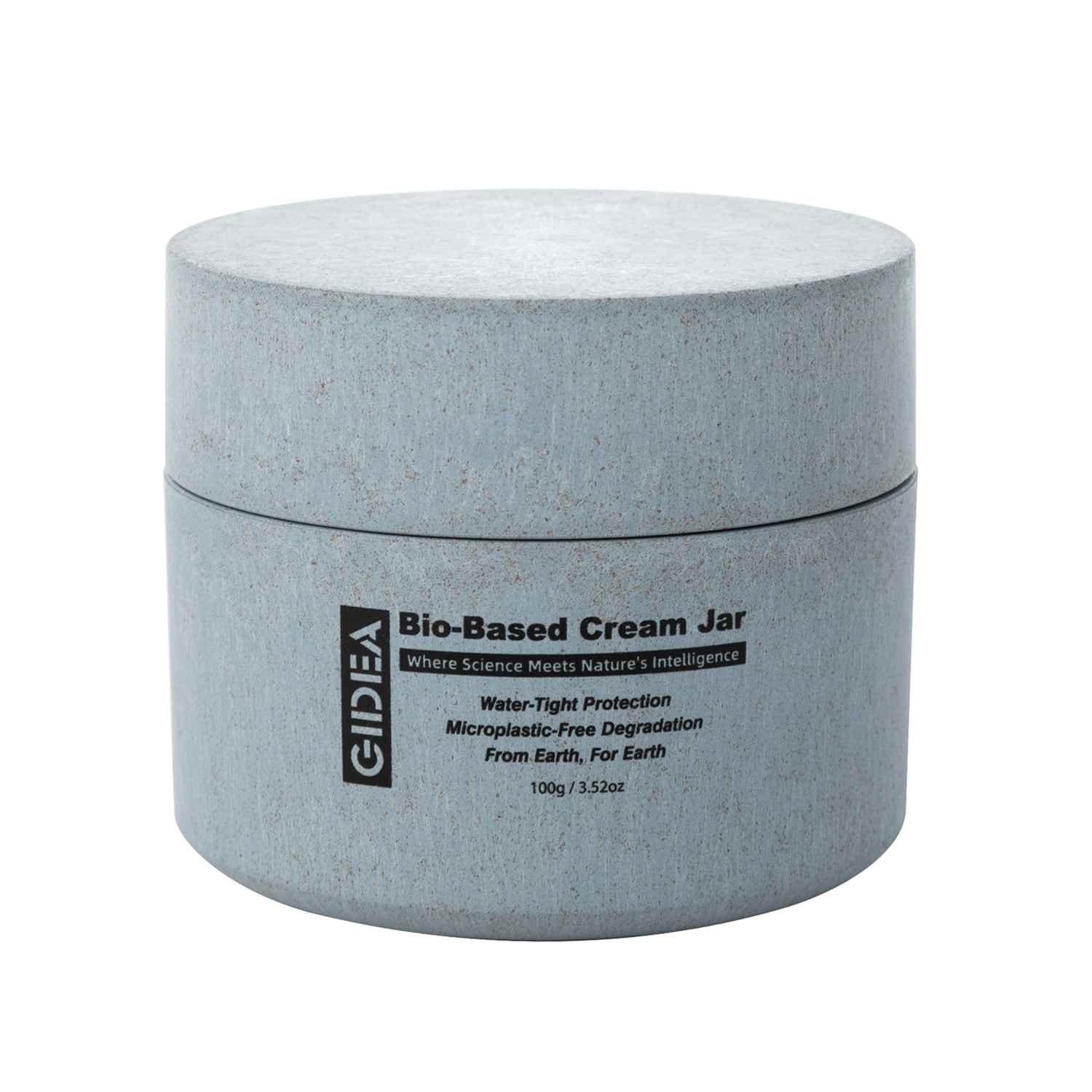
bio-based packaging for
sustainable beauty brands

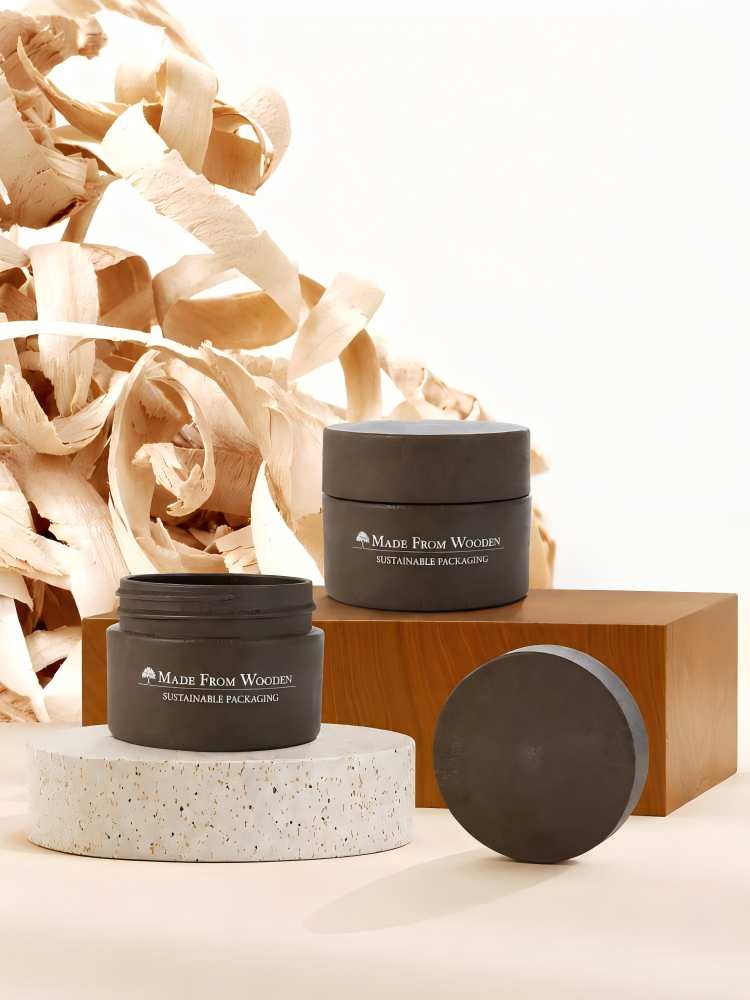
Made from renewable plant-based feedstock, our bio-based packaging helps reduce fossil-plastic dependence — with drop-in options that recycle in existing streams, not in a landfill.

explore our bio-based cosmetic packaging collection

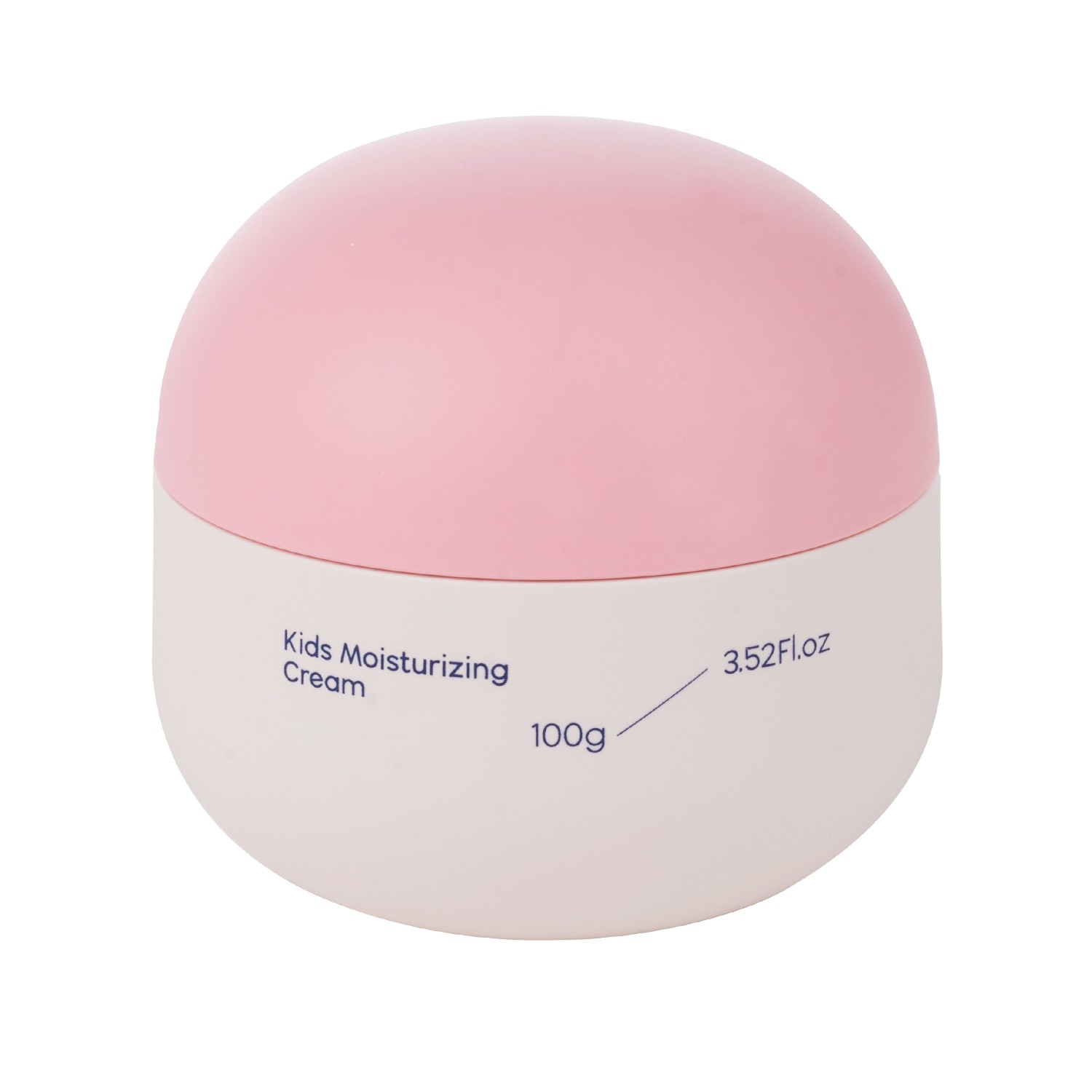
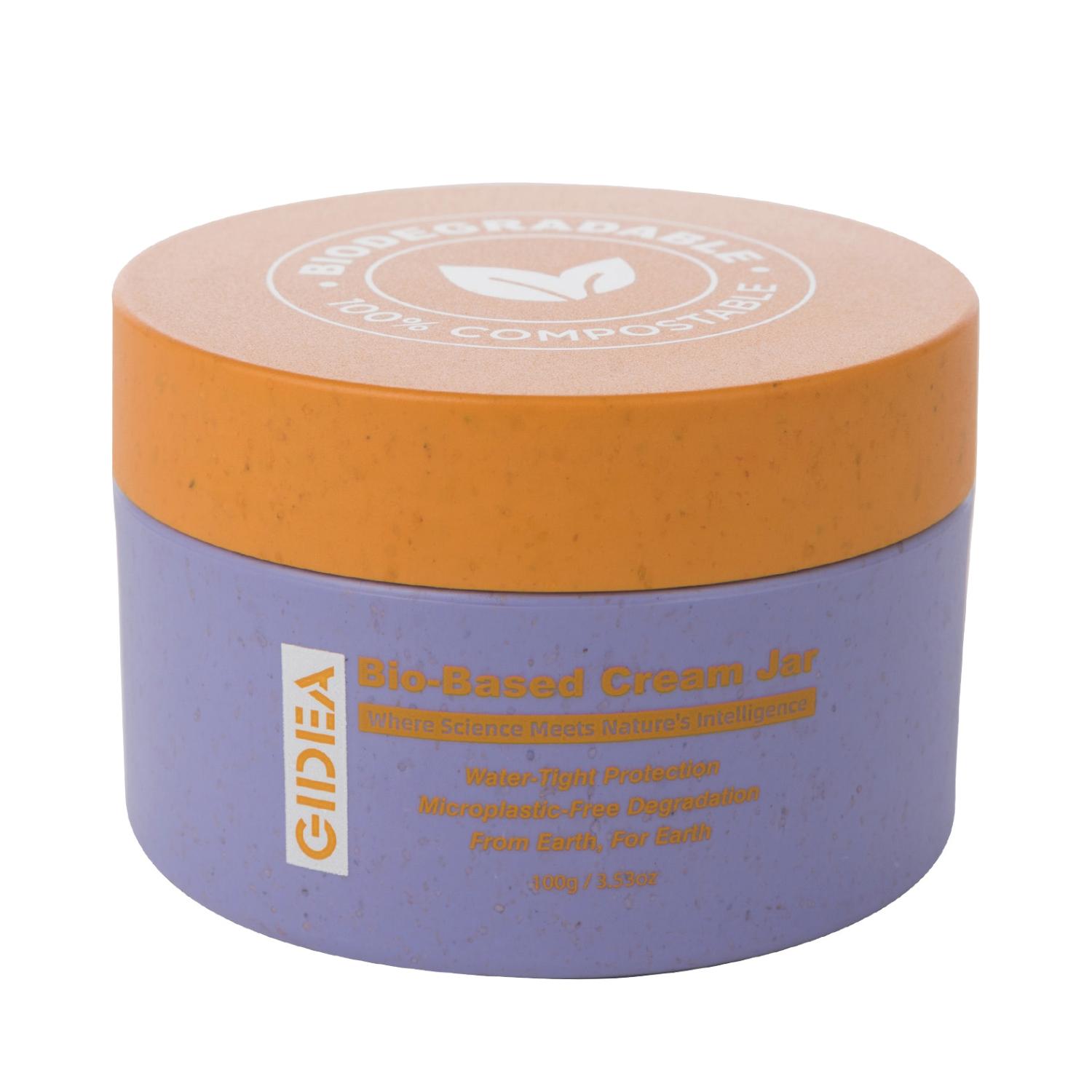
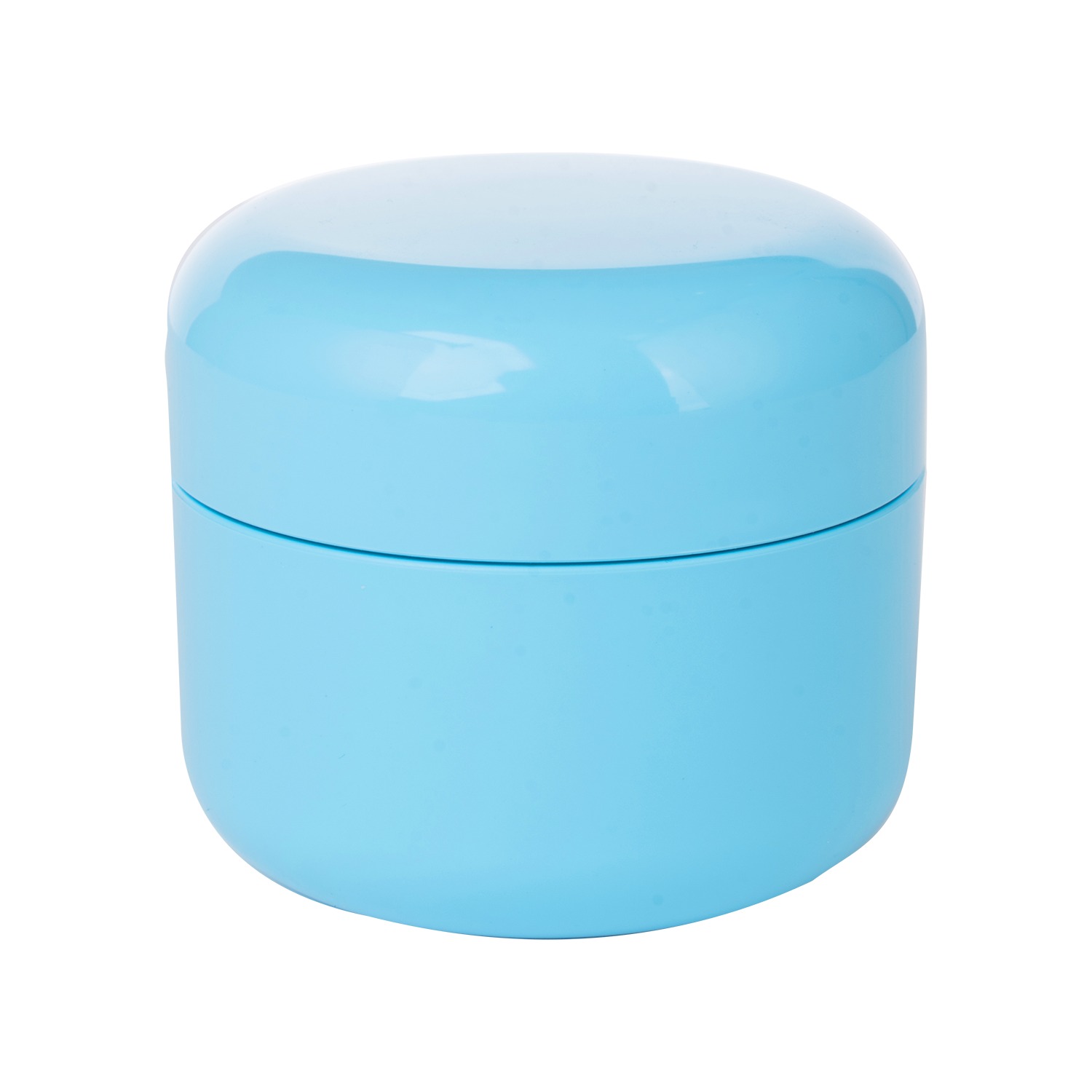
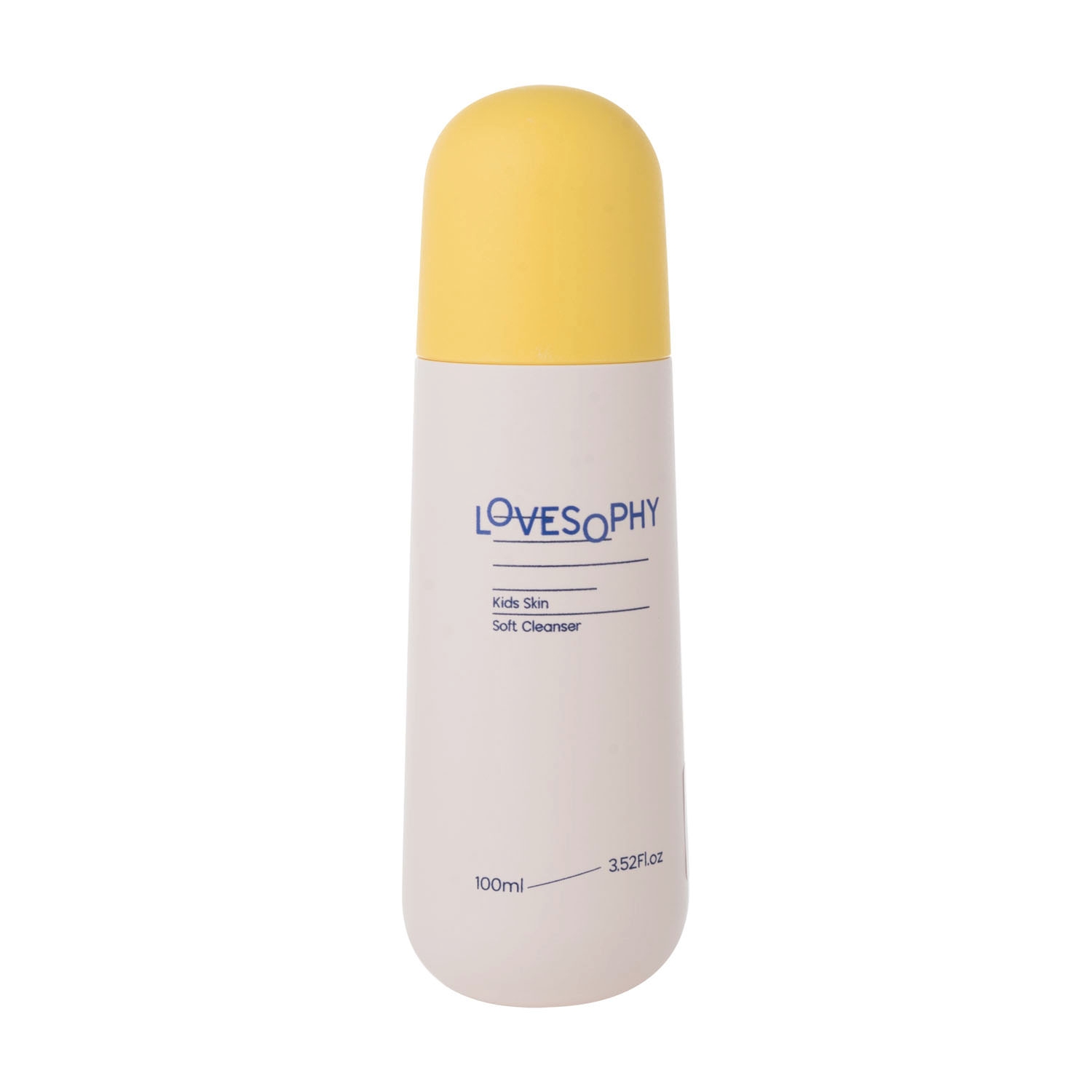
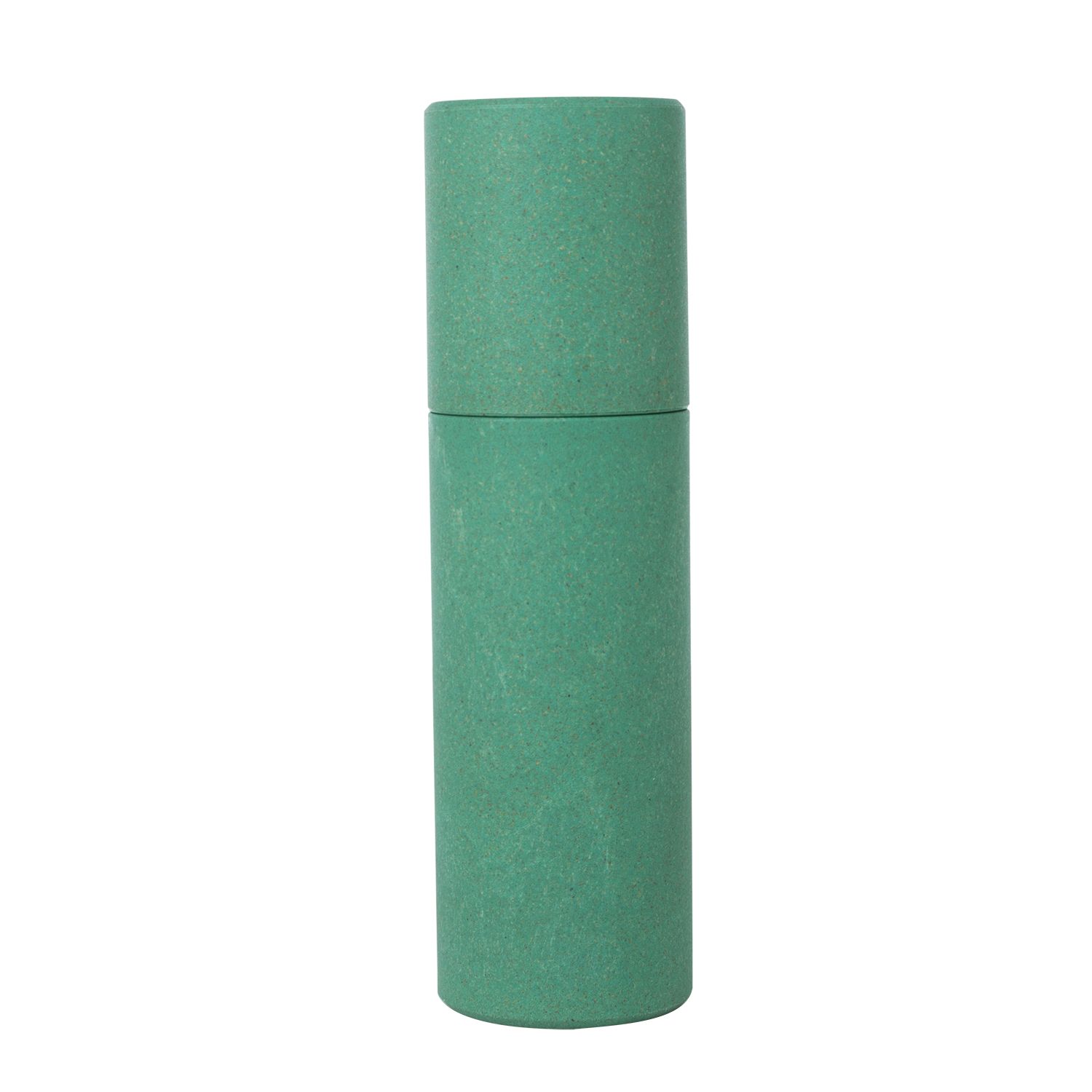
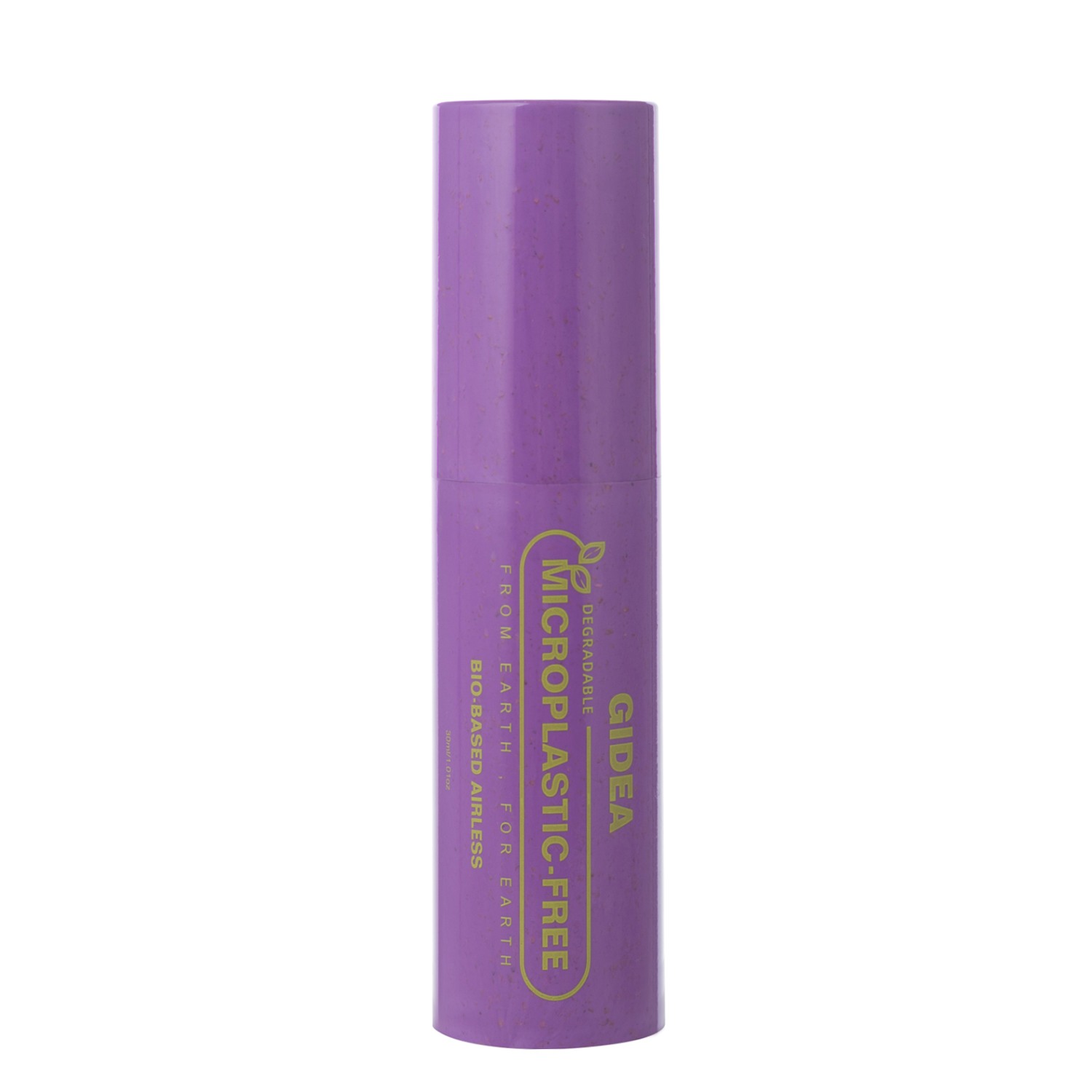
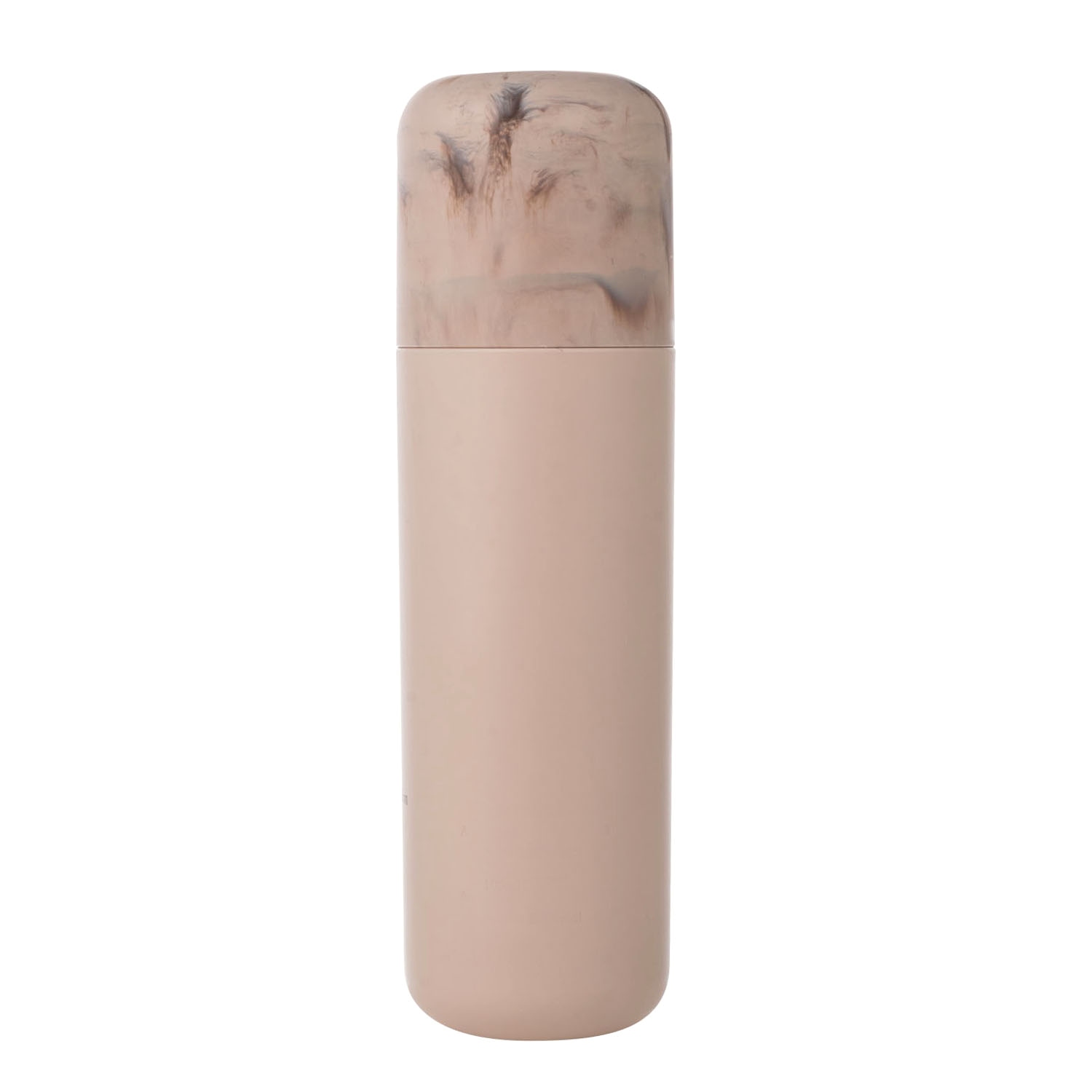
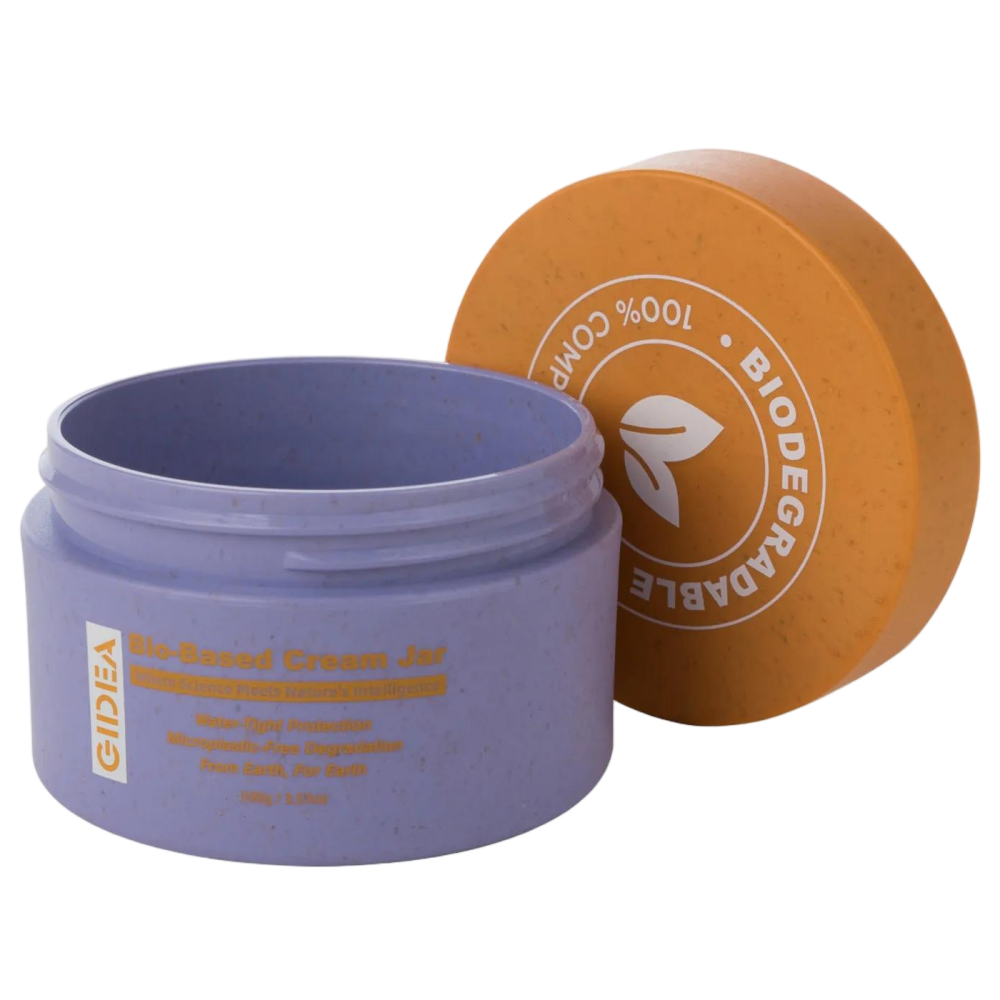
From sugarcane-derived bio-PE bottles to bio-PET jars and renewable-material caps and closures — renewable feedstock with recycling you can keep.

Outer material
Capacity
Applications

Didn't find the right packaging format?

Tell us your needs and our team will recommend the perfect packaging solution.

Bio-Based Material Options

Not two boxes — one spectrum. Bio-based materials sit along a continuum from recyclable to compostable, by end-of-life pathway.

● Recyclable — Bio-PE / Bio-PET / Bio-PP ● Compostable — PLA / PHA

Drop-In Recyclable

Chemically identical to fossil plastics, so they recycle in existing streams — renewable feedstock without breaking circularity.

Industrially Compostable

Break down only under certified industrial conditions (EN 13432 / OK Compost INDUSTRIAL) — a distinct end-of-life from recyclables.

Drop-in types are recyclable, not biodegradable. Compostable types need industrial facilities — not home composting.

What Is Bio-Based Packaging?

Bio-based packaging is made partly or fully from renewable biological resources, such as sugarcane, corn, or other plant-based feedstocks. Unlike conventional plastics made entirely from fossil resources, bio-based materials can help reduce reliance on fossil-based feedstocks.

Bio-Based ≠ Biodegradable. A bio-based material may be recyclable, biodegradable, or neither, depending on its specific chemistry and formulation.

Renewable Feedstock

Reduces reliance on finite fossil resources by using plant-derived raw material.

Drop-In Recyclability

Bio-PE / bio-PET / bio-PP fit existing recycling streams, so renewable feedstock does not break circularity.

Reliable Performance

Properly formulated bio-based materials can maintain the durability, functionality, and aesthetics required for cosmetic packaging.

Content Matters

Bio-based claims should state the renewable content percentage (e.g. 30%, 100%), verified by certification

Flexible Bio-Based Content Options

Choose the bio-based content level that fits your sustainability strategy, product requirements, and target cost.

Flexible Bio-Based Content Options

Choose the bio-based content level that fits your sustainability strategy, product requirements, and target cost.

bio-based packaging

30%

Entry-Level Bio-Based

A practical starting point for brands introducing renewable feedstocks into their packaging strategy.

bio-based packaging

50%

Balanced Bio-Based

A balance between renewable content, packaging performance, and cost.

bio-based packaging

70%

High Bio-Based

A stronger renewable-material commitment for brands making sustainability a core priority.

bio-based packaging

100%

Maximum Bio-Based

Maximum renewable feedstock content where material and application requirements allow.

Note: Available bio-based content varies by material and product format. Exact levels are confirmed during formulation and verified by certification (e.g., ISCC PLUS).

Quality, Traceability & Compliance You Can Trust

Every bio-based batch comes with the documentation your compliance team needs.

Verified Bio-Based Content

Verified Bio-Based Content

Certified via ISCC PLUS / USDA BioPreferred / EN 16785, with chain-of-custody documentation.

Recyclable Where Applicable

Recyclable Where Applicable

Drop-in bio-PE, bio-PET, and bio-PP can support existing recycling streams, subject to format and local infrastructure.

FDA

Product-Safe & Migration-Tested

Applicable materials and liners can be tested for product contact and relevant REACH / FDA requirements.

ISO 9001

ISO 9001 & SMETA

Quality management and ethical-trade audits supporting retailer and ESG compliance requirements.

Custom Bio-Based Packaging for Your Brand

From concept to production, we help you develop bio-based cosmetic packaging around your brand, formula, performance requirements, and sustainability goals.

Custom Bio-Based Packaging(1)

Structure

bottles

jars

Tube

Airless

stick

Material

Bio-PE

Bio-PET

Bio-PP

PLA-PHA

Other

Color matching

Natural

White

Brand colors

Finishing & decorations

Recyclable-compatible print

Compatible label

Liner

Same-polymer

Compatible barrier

Size & Capacity

By formula & usage

Note: airless formats include a metal spring and pump actuator, which is not bio-based. The bio-based claim applies to the container body and bio-based components.

Gidea: Your Trusted Bio-Based Packaging Manufacturer for Sustainable Innovation

Comprehensive OEM & ODM Solutions

Gidea offers full OEM & ODM services from concept to mass production. We support 3–7 days for design development and 15–25 days for mold making.

Strong R&D and Engineering Capabilities

We have a research and development team of over 20 engineers. We conduct compatibility testing for 200+ formulations and launch 50+ new designs annually.

Comprehensive OEM & ODM Solutions

Integrated Manufacturing Strength

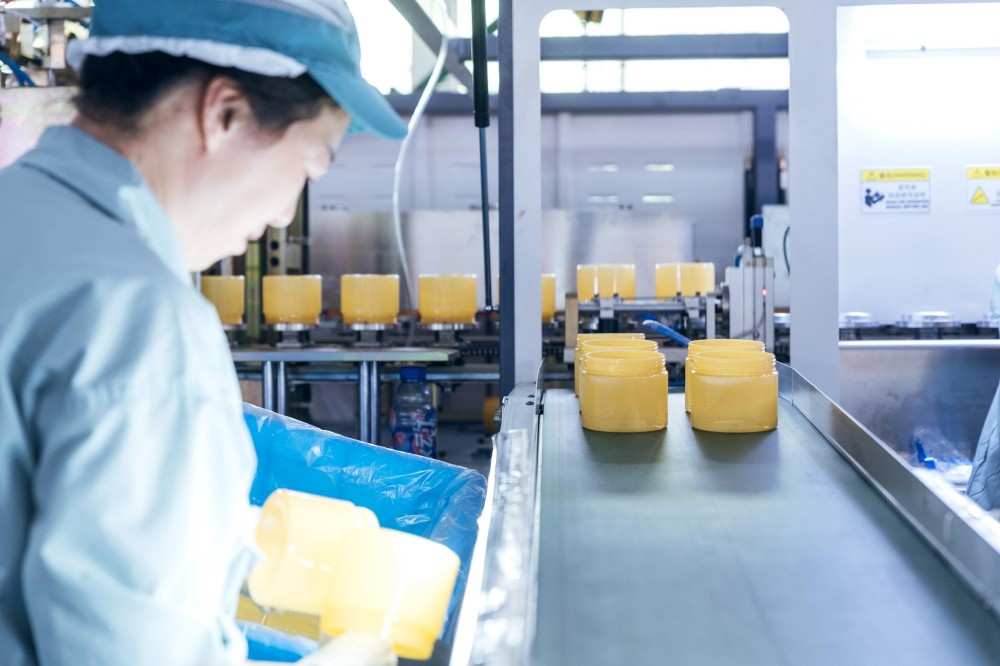
Gidea operates a 60,000㎡+ facility with 8 assembly lines and in-house printing and assembly, supporting efficient and consistent production.

Driving Sustainable Packaging Innovation

Developing bio-based, mono-material, PCR, OBP, and refillable packaging to reduce fossil-plastic use, with certified and traceable materials where applicable.

Integrated Manufacturing Strength

FAQs About Bio-Based Packaging

Is bio-based packaging biodegradable?

Not necessarily — and this is the most common confusion. Drop-in bio-PE, bio-PET and bio-PP are chemically identical to their fossil versions: they are recyclable, not biodegradable. Only some bio-based materials (PLA, PHA) are also compostable, and only under industrial composting conditions.

Renewable feedstock reduces dependence on finite fossil resources and can lower cradle-to-gate emissions, though the full picture depends on feedstock sourcing and lifecycle assessment. We prefer non-food-competing feedstocks where available.

Yes, for drop-in types. Bio-PE / bio-PET / bio-PP recycle in the same streams as their fossil equivalents, so renewable feedstock does not break circularity. We confirm recyclability per format (RecyClass / EN 13430 where applicable).

Bio-based packaging uses renewable biological feedstocks. PCR packaging uses post-consumer recycled plastic, while OBP uses plastic waste recovered from coastal areas at risk of entering the ocean. They address different sustainability goals and may be combined depending on the application.

Properly selected bio-based materials can provide performance comparable to conventional plastics. Gidea evaluates material suitability, formula compatibility, and packaging requirements during development.