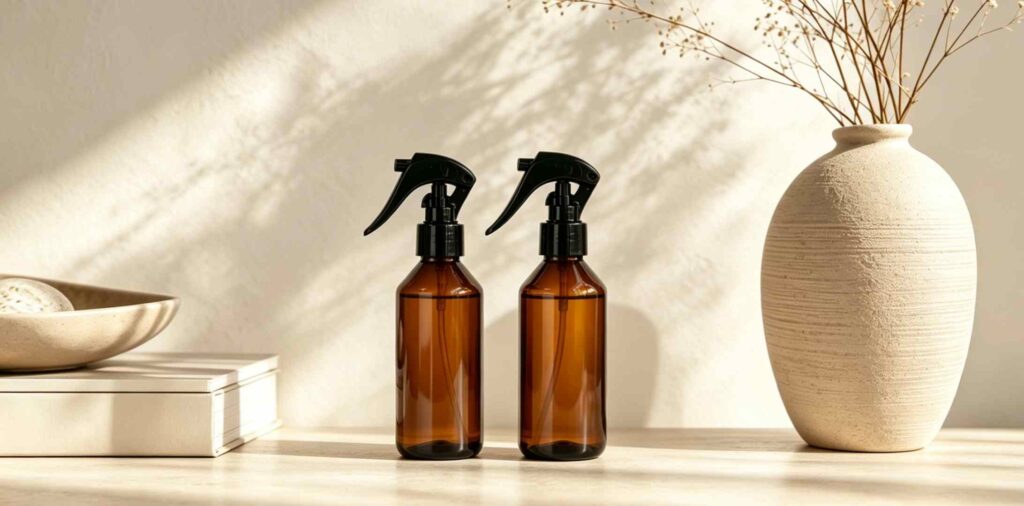
A cosmetic spray bottle that clogs mid-use or leaks onto your counter is truly annoying. The nozzle sputters, the trigger sticks, and the bad smell ruins your favorite cleaning mix. These problems seem unavoidable, but you can stop them completely with proper refillable spray bottle care.
Taking care of a refillable spray bottle comes down to a few easy habits. A quick rinse, smart storage, and regular deep cleaning help both the bottle and its parts last longer. This guide gives simple, practical steps that work for any refillable bottle—glass, bamboo, or recycled plastic—so you can enjoy reliable performance every time.
Key Takeaways
- Rinse your spray bottle with warm water after each use to stop clogs and keep the nozzle working well.
- Flush the spray system once a week using warm water and a drop of dish soap to prevent residue from building up.
- Keep your bottle standing up in a cool, dark spot. This helps stop leaks and protects it from heat or sunlight damage.
- Empty the bottle fully before using a new formula to stop chemical reactions and blockages.
- Deep clean the bottle once a month using a vinegar mix to break down mineral buildup and keep it looking fresh.
Why Proper Care Matters for Long-Lasting Refillable Spray Bottles
Regular refillable spray bottle care helps prevent residue buildup in the nozzle, dip tube, and pump. Without proper maintenance, dried product can cause clogs, uneven spraying, and unpleasant odors.
Simple habits can help maintain performance:
- Rinse the nozzle with warm water when appropriate after use.
- Wipe away product residue with a clean, damp cloth.
- Store the bottle according to the formula’s requirements and manufacturer’s instructions.
- Flush the spray system periodically to prevent buildup.
The cleaning method matters, too. Warm water and mild soap are suitable for many bottles, but always check material compatibility before using vinegar or other cleaning agents.
| Material | Care Considerations |
|---|---|
| Plastic | Use compatible cleaners and avoid harsh chemicals or excessive heat that may damage the material. |
| Glass | Generally resists staining and odors, but handle carefully to prevent breakage. |
| Recycled plastic or bamboo components | Follow the manufacturer’s cleaning instructions to protect the material and finish. |
Consistent maintenance helps reduce clogging, preserve spray performance, and extend the usable life of a refillable spray bottle. For cosmetic packaging, choosing materials compatible with the formula and following recommended care instructions also helps support reliable reuse.
How to Clean a Refillable Spray Bottle Step by Step
Step 1: Empty the Refillable Spray Bottle Completely
Remove all remaining liquid from the bottle. Dispose of unused product according to its instructions and local guidelines. Add a small amount of warm water, swirl it around the reservoir, and empty it to loosen leftover residue.
Step 2: Disassemble the Bottle and Spray Components Carefully
Unscrew the spray head and remove the dip tube if the design allows. Separate only the components intended for removal, following the manufacturer’s instructions. Avoid forcing tight fittings or dismantling sealed pump mechanisms, as this may damage the sprayer or affect its performance.
Step 3: Rinse the Bottle and Components to Remove Residue
Rinse the bottle, cap, dip tube, and removable nozzle with warm water to remove leftover product. For oily or sticky formulas, use a small amount of mild detergent compatible with the packaging material. Pay attention to bottle threads and component joints, where residue can accumulate.
Step 4: Clean the Spray Mechanism Without Causing Damage
Flush the spray mechanism with a compatible cleaning solution by pumping it through the system when the design permits. If the nozzle is clogged, soak the removable nozzle in warm water and gently clear the opening with a soft brush. Avoid needles, abrasive tools, harsh solvents, or excessive heat that could damage the spray components.
Step 5: Rinse Thoroughly and Let All Components Air Dry
Rinse every washed component until no soap or cleaning residue remains. Place the bottle, dip tube, and removable parts on a clean drying rack in a well-ventilated area. Allow them to dry completely before refilling, as trapped moisture may dilute the formula or encourage microbial growth.
Step 6: Reassemble the Spray Bottle and Check Performance
Once all components are dry, reconnect the dip tube and spray head securely. Fill the bottle with a small amount of the intended formula and test the spray pattern. Check for leaks, uneven misting, or trigger resistance before filling the bottle completely. If problems persist, inspect the nozzle, seals, and connections for damage.
How to Maintain a Refillable Spray Bottle Between Cleans
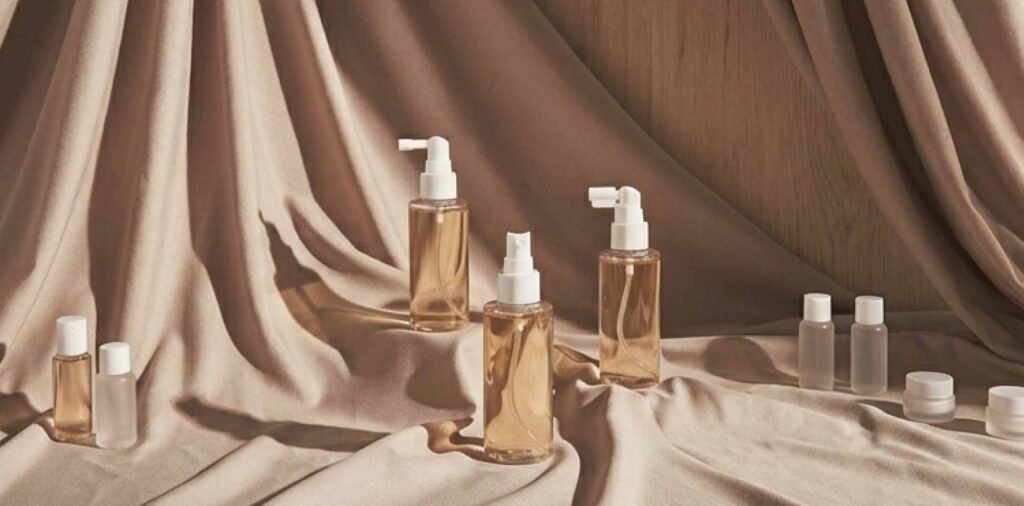
Regular refillable spray bottle care helps prevent residue buildup, maintain spray performance, and extend packaging usability. Simple maintenance habits can keep the bottle and sprayer in good condition between deep cleans.
Empty Remaining Product Before Refilling With a New Formula
Mixing old and new formulas may affect product consistency or cause nozzle blockages. Empty the bottle before switching formulas, dispose of leftover product appropriately, and rinse with warm water if compatible with the packaging material. Flush the spray mechanism to remove residue from the dip tube and internal channels.
Flush the Spray System Regularly to Prevent Residue Buildup
Repeated use can leave dried product around the nozzle and inside the pump. Flush the system periodically with warm water or a compatible cleaning solution, following the manufacturer’s instructions. Rinse thoroughly after using detergent. Cleaning frequency depends on the formula and usage; persistent clogs or odors may require a deeper clean.
Keep the Bottle and Sprayer Clean During Regular Daily Use
Wipe spills from the bottle, cap, and spray head with a clean, soft cloth. Keep the nozzle free from dust, replace the protective cap when available, and store the bottle according to the formula’s requirements.
Check for leaks, loose connections, or changes in spray pattern. For beauty brands, selecting compatible bottle materials and spray components helps support reliable performance. GIDEA PAC offers cosmetic packaging solutions for different brand requirements.
How to Store Refillable Spray Bottles for Long-Term Use
Proper storage helps protect refillable spray bottles from material damage and maintain spray performance. Excessive heat, direct sunlight, and unsuitable storage conditions may affect bottle materials, seals, and spray components over time.
Protect the Spray Bottle From Excessive Heat and Direct Sunlight
Store refillable spray bottles in a cool, dry place away from direct sunlight and extreme temperatures. Heat may deform certain plastics or damage seals, while freezing conditions can affect some liquids and packaging materials.
Prolonged UV exposure may also cause discoloration, brittleness, or surface deterioration in certain plastics. Bio-based packaging may have specific durability and storage requirements depending on the materials used, so follow the manufacturer’s recommendations.
For long-term use, keep the bottle upright when appropriate, secure the cap, and avoid storing it near heat sources. These simple habits help protect the packaging and maintain reliable dispensing.
Store Refillable Bottles Upright to Help Prevent Potential Leaks
Positioning affects the spray mechanism directly. Storing bottles upright prevents liquid from entering the pump chamber. Liquid sitting in the spray head dries out and clogs the nozzle. The lock or off position relieves spring tension and prevents accidental discharge.
| Storage Aspect | Recommended Condition |
|---|---|
| Temperature | Store at room temperature (15-30°C / 59-86°F); avoid direct sunlight, heat above 60°C (140°F), and freezing conditions to prevent plastic warping, rubber seal degradation, and cracking. |
| Positioning | Store upright with the nozzle closed to prevent liquid from sitting in the spray head, which can dry out and clog the nozzle; use the lock/off position to prevent accidental discharge and dust entry. |
| Preventive Measures | Use distilled water to reduce mineral buildup; rinse the bottle after each use with thicker products; clean the nozzle periodically to maintain function. |
Keep bottles standing up to stop leaks – this directly prevents liquid from seeping into the spray mechanism and causing pressure issues. Always store bottles upright and in a cool, dry place. This simple habit prevents pressure buildup from heat and keeps the mechanism sealed properly.
How to Troubleshoot Common Refillable Spray Bottle Problems
Even with consistent refillable spray bottle care, problems can appear. A blocked nozzle or weak spray pattern interrupts your routine. Most issues have simple fixes you can complete at home without replacing the sprayer.
What to Do When a Refillable Spray Bottle Stops Spraying
Start with quick checks before taking anything apart. Verify the liquid level covers the dip tube opening. Confirm the nozzle is in the ON or SPRAY position, not locked. Inspect the dip tube to ensure it remains firmly attached to the pump mechanism. Look for visible cracks or damage on any component.
When these checks pass, clean the nozzle thoroughly. Remove the nozzle and soak it in a 50/50 vinegar-water solution for 15 to 30 minutes. Pump occasionally while submerged to flush out debris. Rinse with warm water and test the spray. If clogging persists, gently insert a pin into the nozzle opening after soaking. Never push hard or enlarge the hole, as this permanently alters the spray pattern.
For sticky triggers, apply one drop of food-grade mineral oil. Prime the system by pumping 10 to 15 times. Check for air leaks by tightening the sprayer and testing the cap seal. Replace broken springs if necessary.
How to Fix Weak or Uneven Spray From the Bottle
Weak spray often traces back to nozzle settings or tube position. Ensure the nozzle is not in the lock or off position. Clean the nozzle opening with warm water, but avoid sharp tools that could deform the orifice.
Remove the sprayer and inspect the dip tube. A loose tube pulls air instead of liquid. Check for blockages, cracks, or bends. Rinse with warm water to ensure free flow. The tube should reach close to the bottom without being crushed or curled. An angled cut prevents the tube from sealing flat against the base.
Verify the liquid level remains high enough that the tube stays submerged. A nearly empty bottle produces weak or uneven spray. Tighten the closure and check the gasket. Prime the sprayer by pressing the trigger several times. If the bottle sat unused, flush warm water through the system to remove air from the pump chamber.
For long-term storage, empty and thoroughly dry the bottle to prevent mold and mineral buildup. Turn the nozzle off to relieve spring tension, and store the bottle in a cool, dry place away from direct sunlight. Materials used in bamboo packaging and bio-based plastics may have specific storage requirements, so follow the manufacturer’s care guidelines.
What to Check When a Refillable Spray Bottle Starts Leaking
A leaking refillable spray bottle may have a loose closure, damaged seal, cracked bottle, or faulty pump connection. First, check whether liquid is escaping around the bottle neck, spray head, or trigger to help identify the source.
Tighten the closure without overtightening it, and inspect the gasket and connection points for wear or misalignment. Check the bottle body for cracks, especially if leakage continues after the closure is secured.
If the bottle or seal is damaged, replace the affected component when compatible replacement parts are available. For cosmetic packaging, brands should also confirm that the bottle, seal, and spray mechanism are compatible with the intended formula to help prevent recurring leaks.
How to Choose a Refillable Spray Bottle for Long-Term Use
Choosing the right refillable spray bottle helps maintain dispensing performance and reduce the need for frequent replacements. Consider bottle material, formula compatibility, and ease of maintenance to find packaging that suits long-term use.
Bottle Materials Can Affect Durability and Everyday Handling
Bottle materials influence weight, impact resistance, chemical compatibility, and everyday handling. Plastic options such as PET, PP, and PE offer different properties, while glass provides a rigid, non-porous surface but requires careful handling because it can break if dropped.
Recycled materials, including post-consumer recycled (PCR) plastics, may also be considered when sustainability is a priority. However, material selection should account for the intended formula and packaging requirements rather than durability alone.
Before choosing a refillable spray bottle, consider how often it will be handled, transported, and refilled. Check the bottle’s resistance to the intended contents and follow the manufacturer’s guidance on storage and cleaning.
Spray Components Should Match the Intended Product Formula
The bottle material is only one part of the selection process. The spray nozzle, pump, dip tube, seals, and other components must also be compatible with the intended formula. A mismatch may cause swelling, leakage, clogging, or inconsistent dispensing.
- Water-based formulas: Standard fine-mist or trigger sprayers may be suitable, depending on viscosity and any suspended particles.
- Alcohol-based formulas: Check that the bottle, seals, and pump materials are rated for the specific alcohol concentration.
- Oil-based or fragrance-rich formulas: Verify compatibility carefully, as certain ingredients may affect plastics, seals, and other components.
Choose the spray format according to the product’s purpose. Fine-mist sprayers suit applications that require a light, even mist, while trigger sprayers are often better for dispensing larger amounts of liquid.
Always test the complete packaging system with the intended formula before placing a bulk order. Compatibility testing helps identify potential issues before production and supports more reliable long-term performance.
Refillable Design Can Support Convenient Reuse and Maintenance
A well-designed refillable spray bottle should be easy to refill, clean, and reassemble. A practical opening, secure closure, and accessible components can simplify routine maintenance and help reduce spills during refilling.
Consider whether the spray head and dip tube can be removed safely for cleaning, and check whether replacement components are available if parts wear out. Avoid designs that require excessive force or complicated disassembly, as these can make regular maintenance less convenient.
For beauty brands, refillable cosmetic packaging should balance appearance, usability, and compatibility with the product formula. GIDEA PAC offers cosmetic packaging solutions for different brand requirements. Discuss refill methods, component options, and care instructions with the packaging manufacturer to select a design suited to your product and intended reuse cycle.
Our Refillable Spray Bottle Solutions for Beauty Brands
GIDEA PAC provides cosmetic packaging solutions for beauty brands, with refillable spray bottle options for skincare, haircare, and personal care. Its product range includes different materials, capacities, and spray mechanisms to accommodate varied packaging requirements.
Refillable Spray Bottles for Beauty Applications
Different beauty products require suitable spray patterns and bottle capacities. Facial mists and toners typically need a fine mist, while haircare products may require consistent coverage for styling. The appropriate spray mechanism depends on formula viscosity and application needs.
GIDEA PAC offers several fine-mist bottle options, including Mini Capsule PET bottles in 15 ml, 30 ml, and 50 ml; PETG Twist-Lock bottles in 50–100 ml; Clear PET Fine Mist bottles in 100–120 ml; and a 120 ml PP Fine Mist bottle. Formula compatibility testing helps confirm spray performance before bulk production.
Custom Bottle Components and Finishes for Different Brand Needs
Brands can customize bottle colors, surface finishes, closures, and other components to align with their product positioning. Material options may include PCR plastics, ocean-bound plastics (OBP), bamboo, and bio-based materials, depending on the selected packaging design.
Component selection should also consider leakage prevention, dispensing performance, material compatibility, and the intended refill cycles. Relevant certifications and material documentation can help buyers evaluate quality and substantiate sustainability claims.
Packaging Development Support From Design Through Production
GIDEA PAC provides OEM and ODM packaging support, helping brands develop packaging concepts around their specifications. Its services include structural design, material selection, customization, and production coordination.
For refillable spray bottles, brands should confirm bottle capacity, spray performance, formula compatibility, and component durability during development. Evaluating these factors before mass production helps ensure the final packaging meets functional and branding requirements.
Frequently Asked Questions About Refillable Spray Bottle Care
How often should I clean a refillable spray bottle?
Clean a refillable spray bottle whenever you change formulas, notice residue or odor, or see a change in spray performance. For frequent use with the same formula, follow the product’s cleaning instructions and establish a regular cleaning schedule to maintain hygiene.
How do I clean a refillable spray bottle before refilling it?
Empty the bottle, disassemble removable components according to the manufacturer’s instructions, and wash compatible parts with warm water and a suitable mild detergent. Rinse thoroughly and let all components dry before refilling. Check material compatibility before using alcohol, solvents, or other cleaning agents.
How can I prevent residue from clogging the spray mechanism?
Use formulas compatible with the spray bottle, and avoid particles or thick liquids unless the dispenser is designed for them. Clean the nozzle and dip tube regularly, and flush the mechanism with a compatible cleaning solution when needed. Proper cleaning helps prevent buildup that can restrict spray flow.
Why is my refillable spray bottle not spraying properly?
A refillable spray bottle may stop spraying because of a clogged nozzle, trapped air, a loose pump connection, or an empty bottle. Check the liquid level, tighten the sprayer, and clean the nozzle according to the manufacturer’s instructions. If the problem persists, inspect the pump and dip tube for damage.
When should I replace a refillable spray bottle?
Replace a refillable spray bottle if the container cracks, leaks, develops persistent odors, or shows signs of material deterioration. A damaged pump, worn seals, or an inconsistent spray pattern may also indicate that the dispenser needs replacement. Choose a replacement compatible with the formula and intended refill cycles.