
Sustainable lip balm packaging starts with one good match. You need the right sustainable cosmetic material and format for your product, your brand, and your budget. Paper tubes, fiber-based tubes, recycled plastic, aluminum, and refillable systems each solve a different problem. None of them wins everywhere.
Your formula decides a lot. A soft balm acts differently in a paper tube than a firm one in an aluminum stick. Your brand voice matters too. So does your order size and your filling line.
This guide walks through the practical path. You will see how sustainable cosmetic packaging choices move from material selection to design, assembly, compliance, sourcing, and cost. Each step builds on the one before it.
Key Takeaways
- Pick your packaging material based on your lip balm recipe and brand style.
- Cut out extra packaging layers you don’t need. This saves money and helps the environment.
- Choose materials that work with local recycling programs so they are easy to throw away.
- Think about the product’s size and design to make it easier to use and to strengthen your brand.
- Begin with one eco-friendly change and add more as your brand expands.
What Are the Main Lip Balm Packaging Formats for Brands?
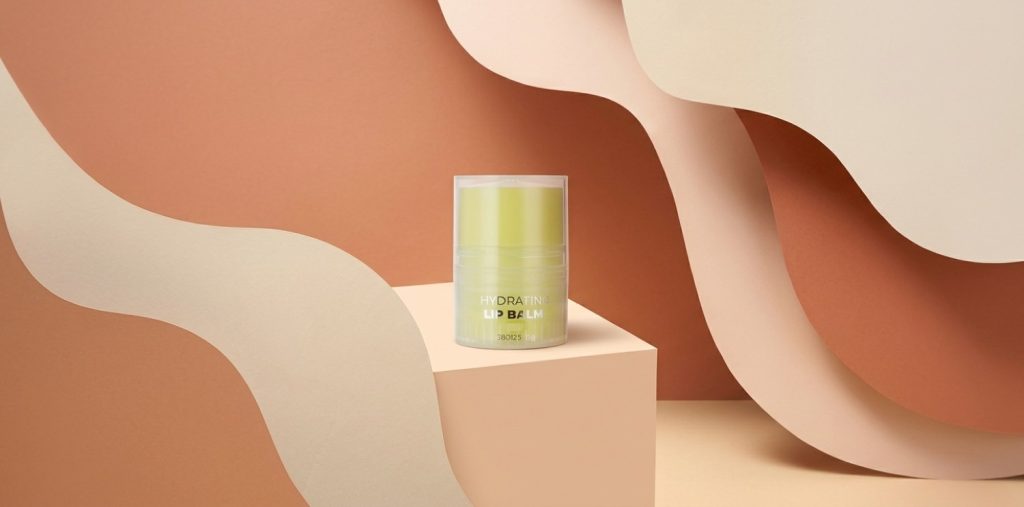
Format choice sets the tone for everything else. Twist-up sticks work well for traditional solid balms and match easily with caps. Jars and pots fit thicker formulas, travel sizes, and samples. Roll-on bottles are good for lip oils and liquid formulas. Metal tins add a premium feel and work well in gift sets. Each format has a natural home, and sustainable cosmetic packaging simply asks you to pick the one that fits your formula first.
Paper tubes offer a lightweight option for lip balm packaging
Paper lip balm tubes are die-cut from recycled paper, then folded and glued into shape with leak-proof seals and printed labels. The format is light, portable, and easy to recycle, and it breaks down naturally. Custom printing lets a brand go from minimalist to luxurious without changing the structure.
Two limits deserve planning. Paper tubes are not always fully biodegradable, because inner linings and structural components remain. Heat sensitivity also matters, and users face a short learning curve on push-up dispensing. Inner liner options solve most barrier questions: wax-coated paper resists oil and moisture moderately, PE lamination adds waterproof and oil-proof protection, and PLA coating offers a plant-based, compostable layer. Food-grade construction should meet standards such as FDA 21 CFR, EU 1935/2004, and GB 4806.
Lip balm jars provide a simple format for balm-based formulas
Jars suit softer, butter- and oil-rich balms that are not meant to dispense as a solid stick. Lip masks, salves, treatments, and lip scrubs all fit comfortably. Clear or natural jars show product color and texture, which helps shelf appeal. Fingertip application keeps the format simple, and small volumes make jars a natural choice for sampling.
The table below compares the main formats on the factors that decide fit.
| Format | Barrier performance | Application fit | Compliance notes | Relative cost |
|---|---|---|---|---|
| Paper tube | Moderate; depends on liner | Solid sticks | Food-grade liner and migration data needed | Low to medium |
| Fiber-based tube | Moderate | Solid sticks | Same liner requirements | Low to medium |
| Recycled matte plastic with cartridge | Good | Solid sticks; refillable | REACH; no SVHCs above 0.1% by weight | Moderate |
| Aluminum | Strong | Solid sticks; premium | Food-contact compliance | Moderate to high |
| Bamboo | Moderate; needs inner liner | Solid sticks; natural look | Cosmetic-grade contact materials | Moderate |
| Jar | Good | Soft balms, masks, scrubs | EC 1223/2009 migration checks | Varies |
One final point applies to every row. A finished lip balm pack often carries several separate materials: tube, cap, carton, insert, and leaflet. Judge material choice against the full pack, not the tube alone.
Which Sustainable Materials Work for Lip Balm Packaging?
The material you choose determines how lip balm packaging performs and communicates your brand values. Decoration, shape, and structure help express brand identity, but the packaging must still protect the balm from contamination, heat, and damage during shipping and daily use. A textured paper wrap, a soft-touch finish, or a colored cap can support brand recognition when designed without compromising package performance.
Packaging structure also affects material efficiency. Mono-material construction can make recycling easier where suitable collection and recycling systems exist. Removing unnecessary inserts, leaflets, and secondary cartons can further reduce packaging weight and material use. The right choice depends on your product formula, target market, budget, and end-of-life requirements.
Bamboo components offer a natural option for lip balm packaging
Bamboo offers a renewable material option with a warm, natural appearance that suits brands seeking distinctive sustainable cosmetic packaging. For lip balm, bamboo is generally more practical as an exterior shell or cap than as the direct product-contact component. An inner tube or liner provides the necessary barrier between the balm and the outer material.
This combination allows brands to incorporate bamboo into lip balm packaging without relying on it alone to protect the formula. When evaluating bamboo components, consider moisture resistance, closure fit, surface finishing, and the materials used in the complete package. Bamboo’s renewable origin does not automatically make a finished package biodegradable or recyclable, so assess the full construction before making environmental claims.
PCR plastic can reduce virgin plastic use in lip balm packaging
Post-consumer recycled (PCR) plastic is made from plastic recovered after consumer use and processed for new applications. Incorporating PCR resin into lip balm tubes or caps can reduce demand for virgin plastic. For example, a component containing 50% PCR plastic uses half of its plastic content from recycled sources, although the actual reduction in virgin material depends on the component’s total material composition.
PCR packaging can be suitable for brands looking to retain familiar packaging formats while incorporating recycled content. However, recycled resin may affect color consistency, surface appearance, or processing performance. Brands should confirm material availability, regulatory suitability, filling-line compatibility, and packaging performance before choosing a PCR content level. Clear labeling can also help communicate the recycled content accurately.
Bio-based materials provide alternative options for lip balm packs
Bio-based plastics are produced partly or wholly from renewable biological resources, depending on the material. They offer another option for lip balm packaging when brands want to explore alternatives to conventional fossil-based plastics. Depending on the material specification, bio-based content may be incorporated into tubes, caps, or other packaging components.
Bio-based does not necessarily mean biodegradable or compostable. These properties depend on the specific material and the conditions required for decomposition. Before selecting bio-based lip balm packaging, brands should check its compatibility with the balm formula, mechanical strength, heat resistance, and suitability for existing filling and sealing processes. Verified material claims are also important when communicating sustainability benefits to customers.
Paper-based materials offer fiber-based packaging possibilities
Paper-based materials can reduce reliance on plastic in selected parts of lip balm packaging, particularly for outer cartons, sleeves, labels, and protective secondary packaging. They provide a printable surface for product information and branding, making them useful for brands that want a paper-forward presentation.
For the primary package, paper-based structures require more careful evaluation because lip balm may soften with heat and needs suitable protection from contamination and leakage. A paper tube may require a barrier layer, liner, or other supporting component, which can affect recyclability. Brands should assess moisture and oil resistance, structural strength, and local recycling guidance before choosing a paper-based format. Using recycled or responsibly sourced paper where suitable can further support a more considered packaging strategy.
How Can Brands Make Lip Balm Packaging More Sustainable?
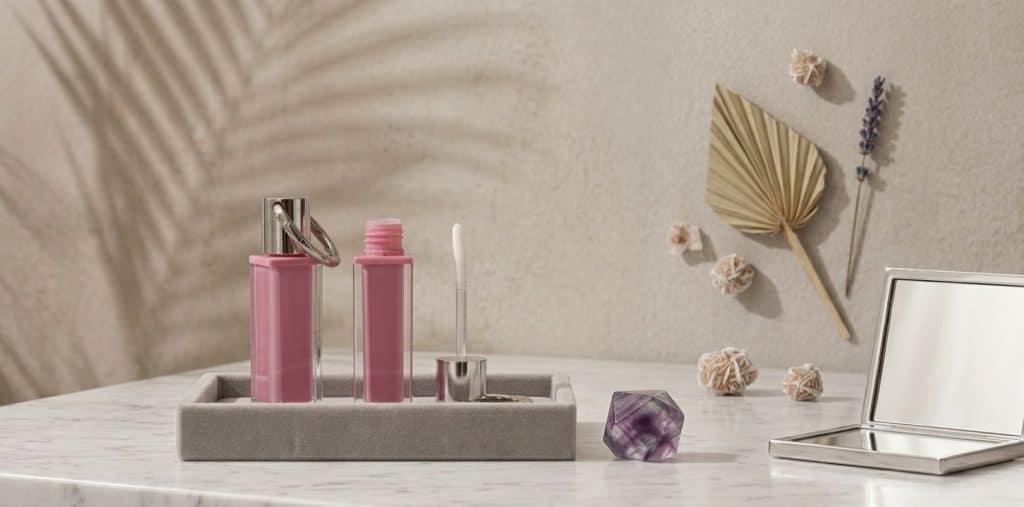
Brands can make lip balm packaging more sustainable by reducing unnecessary materials, selecting materials suited to local recycling systems, and designing components for easier disposal. Refillable formats may also help extend the life of selected packaging components. The goal is to reduce material use while maintaining product protection, convenient application, and a consistent brand presentation.
Reduce unnecessary layers and components in lip balm packaging
Review every packaging component and ask whether it protects the balm, secures the product, or provides essential information. Unnecessary inserts, oversized cartons, and decorative layers can increase material use, assembly time, and shipping volume without improving the user experience.
| Packaging situation | Practical option |
|---|---|
| A single lip balm fits securely in a compact carton | Remove the insert if it provides no necessary protection |
| The tube needs support during shipping | Use a lightweight, fitted paperboard holder |
| Multiple lip balms share one package | Use a divider only when needed to prevent movement |
| A lip balm and accessory are sold together | Consider an integrated compartment layout |
| A gift set requires presentation support | Use a tray sized to the products |
Brands can also review tube dimensions, wall thickness, cap design, and secondary packaging. Reducing excess material can lower packaging weight and transport volume, provided the revised design still meets durability and product-protection requirements. Packaging trials and shipping tests help confirm whether these reductions are practical.
Choose materials that support the intended recycling system
Choosing a recyclable material is only one part of sustainable lip balm packaging. Brands should also consider whether local collection and sorting systems accept the material and whether the complete package can be processed effectively.
Mono-material designs can simplify material identification and recycling by reducing the need to separate different plastics. For example, using compatible plastic materials across a tube and its components may make the package easier to process than a structure combining several inseparable materials. PCR plastic can also introduce recycled content, although recycled content and recyclability are separate considerations.
Before finalizing a design, check the resin type, component construction, material labeling, and recycling guidance in the target market. Avoid assuming that a package is widely recyclable simply because one component is made from recyclable plastic.
Design packaging components for easier separation and disposal
Lip balm packaging may combine a tube, cap, twist mechanism, label, and outer carton. When these parts use different materials, consumers may find it difficult to identify how to dispose of them correctly.
Where practical, design components that can be separated without specialized tools. Clear material identification and straightforward disposal instructions can help users distinguish the plastic container from paper packaging or other materials. Labels and adhesives should also be assessed to determine whether they interfere with the intended recycling process.
The best design depends on the package structure and the facilities available in the target market. Brands should validate separation and disposal guidance against local recycling requirements rather than relying on a general sustainability claim.
Consider refillable formats to extend packaging product life
Refillable lip balm packaging offers another way to reduce waste by allowing a durable outer case to be reused while replacing the part that holds the product. This approach may suit premium products, gift collections, and brands that want to create a longer-term packaging system.
A practical refillable design should make cartridge replacement simple without compromising hygiene, fit, or product protection. Brands need to evaluate refill availability, component durability, cleaning requirements, and the materials used in both the outer case and replacement unit. The refill should also be easy for customers to identify and purchase.
Refillable packaging does not automatically have a lower environmental impact. Its benefits depend on how often consumers reuse the outer case, the materials involved, and the resources required to produce and distribute refills. Designing for repeated use and making replacement parts accessible are therefore essential to achieving the intended benefit.
What Should Brands Think About When Creating Lip Balm Packaging?
Packaging size should match the product format and usage needs
Packaging size affects product capacity, portability, material use, and label space. A standard lip balm stick commonly holds around 0.15 oz (4.25 g), while mini and jumbo formats serve different usage needs. Mini lip balm packaging can suit travel, sampling, subscription boxes, and promotional sets, whereas larger formats may appeal to frequent users.
Before confirming a design, check the tube dimensions, fill volume, cap fit, and available labeling area. Smaller formats may require more compact label layouts, while regulatory labeling requirements depend on the product category and target market. Brands should confirm these requirements before finalizing the packaging dieline.
Component design should balance appearance and functionality
Lip balm packaging should combine brand identity with reliable daily use. Tube shape, cap structure, twist mechanism, and applicator design all influence how easily consumers can dispense and apply the balm. Decorative options such as hot stamping, color matching, and soft-touch finishes can strengthen visual appeal, but they should not interfere with component fit or operation.
When comparing packaging suppliers, review material specifications, quality control procedures, customization capabilities, and relevant compliance documentation. GIDEA PAC has developed cosmetic packaging since 2003 and offers customized packaging options for beauty brands. Its material and decoration choices should be evaluated against the intended design, formula compatibility, and project requirements.
Packaging development should consider production and logistics
A packaging design must be practical to manufacture, fill, assemble, and transport. Custom molds, specialized components, and complex decoration can increase tooling costs or extend development timelines. Brands should confirm minimum order quantities, sample approval procedures, production lead times, and quality inspection requirements before placing a bulk order.
Shipping efficiency also matters. Compact dimensions, secure closures, and suitable protective packaging can help reduce transit damage and avoid unnecessary shipping volume. For multi-component lip balm packaging, check that parts remain securely fitted during handling and that the design works with the intended filling and assembly process. Testing samples before mass production helps identify issues early.
Sustainable choices should balance performance and brand goals
Sustainable lip balm packaging should align material choices with product protection, customer expectations, and available end-of-life options. PCR plastic can incorporate recycled content, bamboo components can add a natural exterior finish, and paper-based packaging can replace selected secondary packaging materials. Each option has different performance and disposal considerations.
Brands should assess barrier requirements, heat resistance, durability, material compatibility, and local recycling infrastructure before choosing a solution. Refillable or mono-material designs may also support specific sustainability goals when their construction and use patterns make them practical. Rather than relying on a material label alone, compare the complete packaging structure and verify environmental claims before using them in marketing.
The most suitable solution balances product performance, visual identity, manufacturing cost, and measurable sustainability priorities. Defining these requirements early helps brands and packaging manufacturers develop lip balm packaging that is functional, commercially practical, and consistent with the brand’s positioning.
Our Sustainable Lip Balm Packaging Solutions for Beauty Brands
GIDEA PAC offers custom cosmetic packaging solutions for beauty brands seeking to balance product protection, visual appeal, and sustainability goals. Our lip balm packaging options can be tailored to different product formats, materials, and branding requirements.
Custom lip balm packaging for different product formats
Twist-up and push-up tubes suit different lip balm application needs, while refillable formats allow brands to explore reusable outer cases with replaceable inner components. The right design depends on formula compatibility, capacity, dispensing performance, and user convenience.
Sustainable material options for lip balm packaging development
GIDEA PAC offers material options for brands exploring more sustainable packaging, including PCR plastic, OBP materials, bio-based materials, bamboo components, and paper-based formats. Each option has different performance and disposal requirements, so brands should consider durability, product protection, and local recycling systems before making a selection.
Custom components and finishes for different brand requirements
Brands can customize packaging shapes, capacities, colors, and logo decoration to match their product positioning. Options such as screen printing, hot stamping, and laser engraving can create distinctive finishes. Cap fit, dispensing performance, and decoration durability should also be checked during sample approval.
Packaging development support from design through production
Since 2003, GIDEA PAC has developed cosmetic packaging for beauty brands. We support packaging projects through material selection, design customization, sampling, and production planning. Confirming specifications, formula compatibility, and quality requirements before mass production helps ensure the final packaging meets project needs.
Frequently Asked Questions About Sustainable Lip Balm Packaging
What is the most sustainable packaging for lip balm products?
There is no single best option for every brand. Sustainable lip balm packaging may include paper-based tubes, refillable containers, bamboo components, or designs made with recycled materials. The right choice depends on product protection, material use, local recycling options, and how consumers use and dispose of the packaging.
Can lip balm packaging be made with recycled materials?
Yes. PCR plastic can be incorporated into suitable lip balm tubes and caps to reduce reliance on virgin plastic. Brands should check recycled content, material quality, color consistency, and compatibility with filling processes before selecting a packaging design.
How can brands reduce plastic in lip balm packaging?
Brands can reduce plastic by removing unnecessary packaging layers, using paper-based secondary packaging, or exploring refillable formats. Bamboo components may also provide a natural exterior finish, while carefully designed mono-material packaging can support recycling where suitable facilities exist. Any change should maintain product protection and ease of use.
What should brands consider when choosing lip balm packaging?
Brands should evaluate formula compatibility, package size, dispensing performance, durability, customization, and production costs. Sustainability claims also need careful review: recyclable, recycled-content, bio-based, and biodegradable describe different properties. Working with an experienced cosmetic packaging manufacturer such as GIDEA PAC can help brands assess suitable materials and packaging formats for their product requirements.