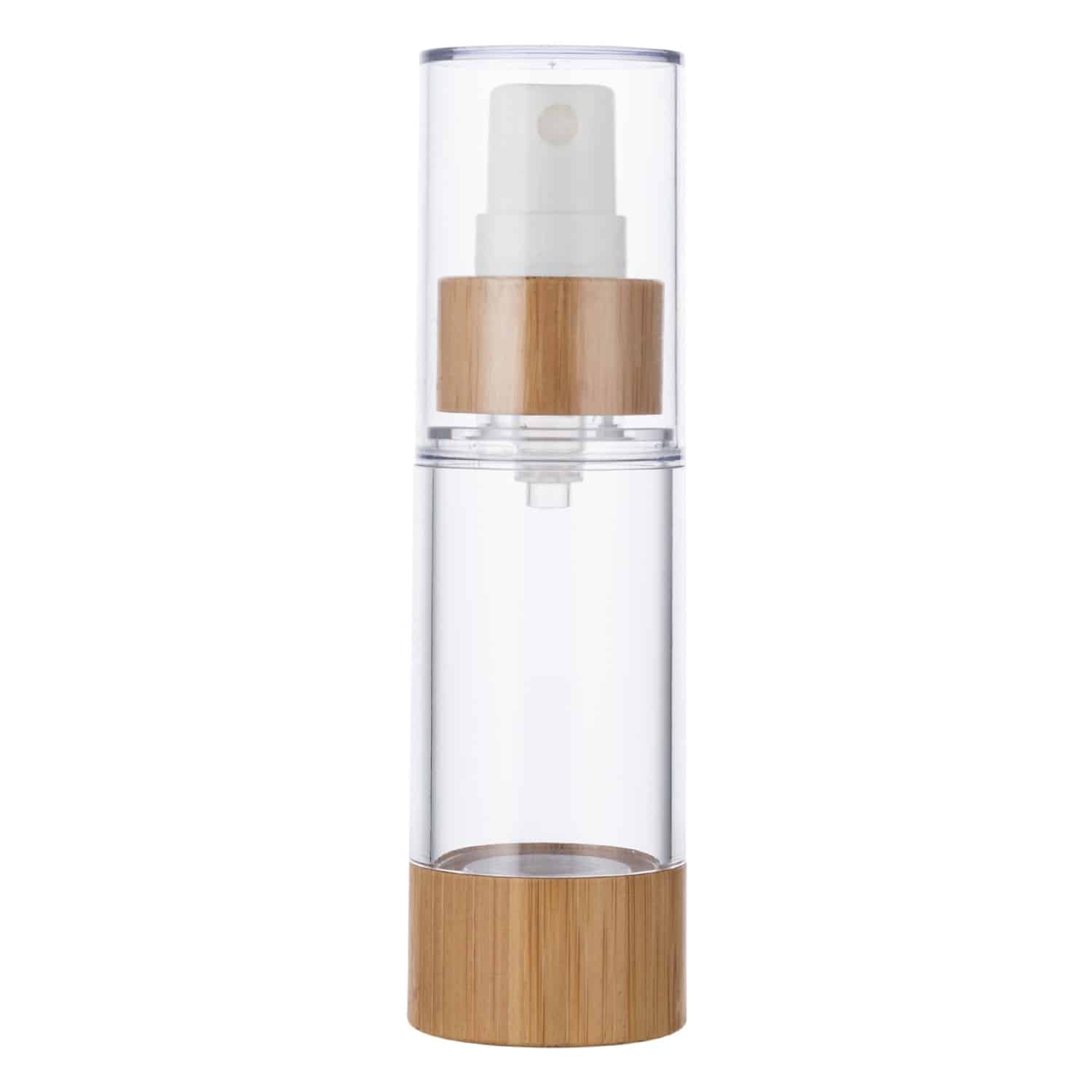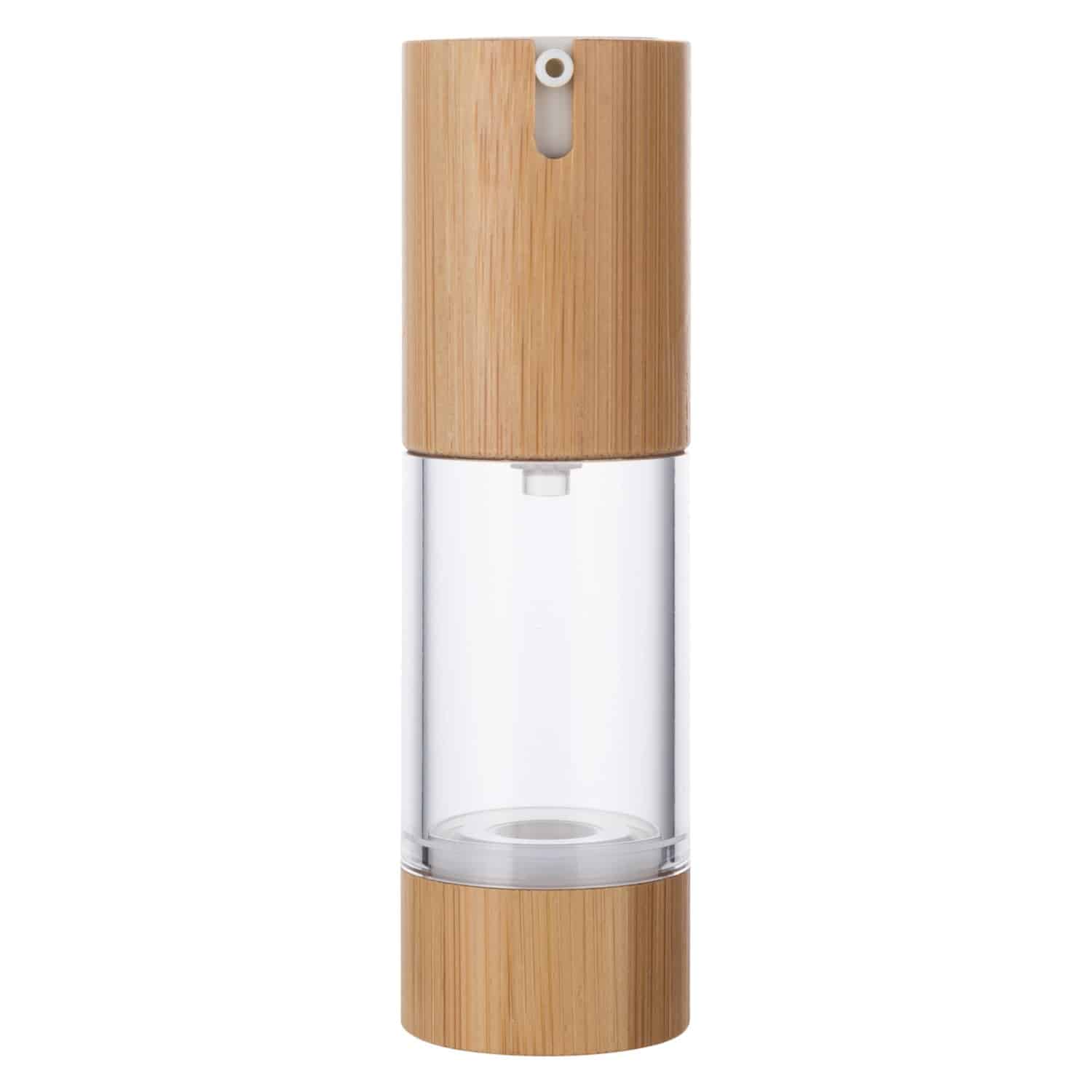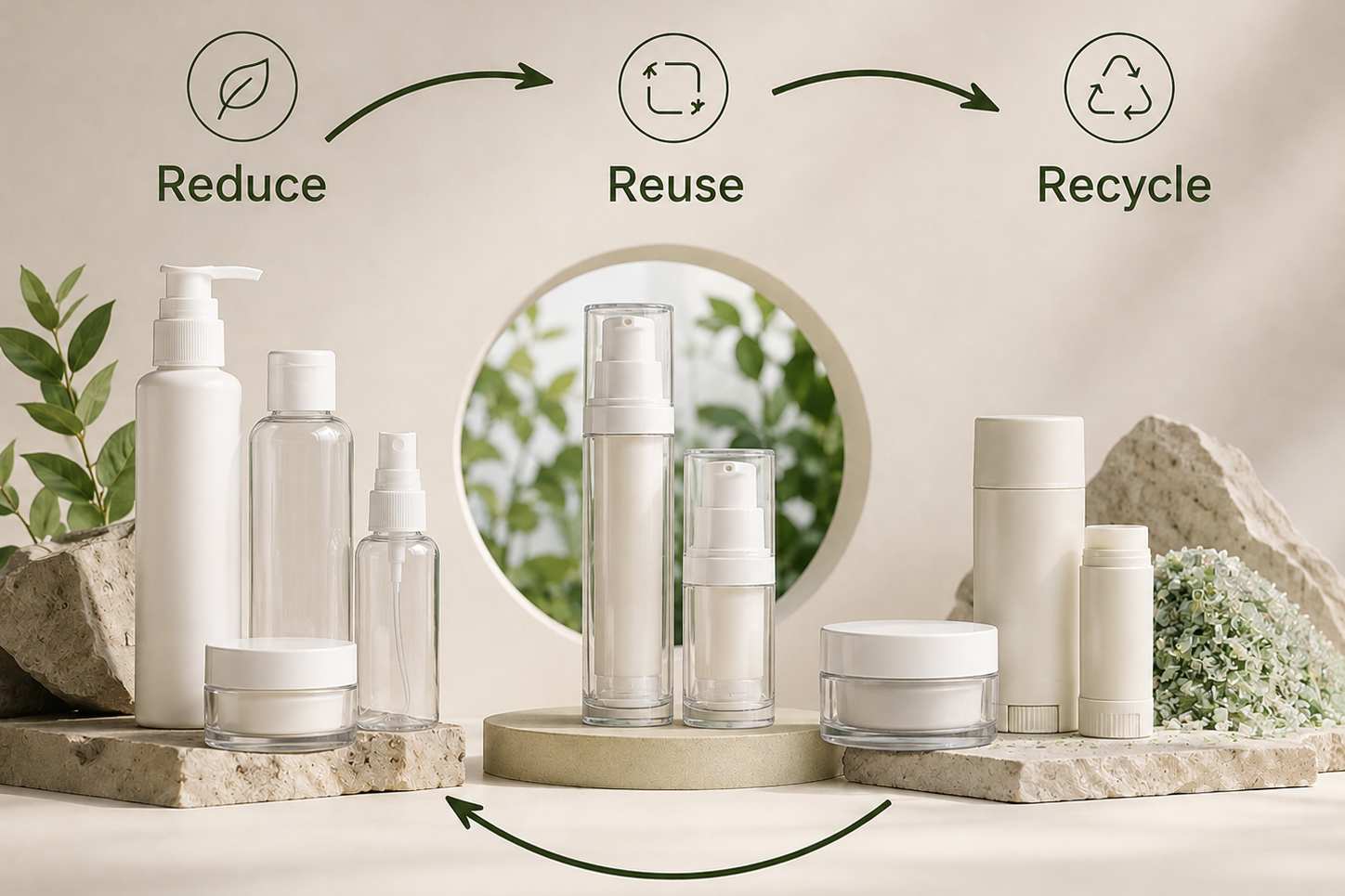
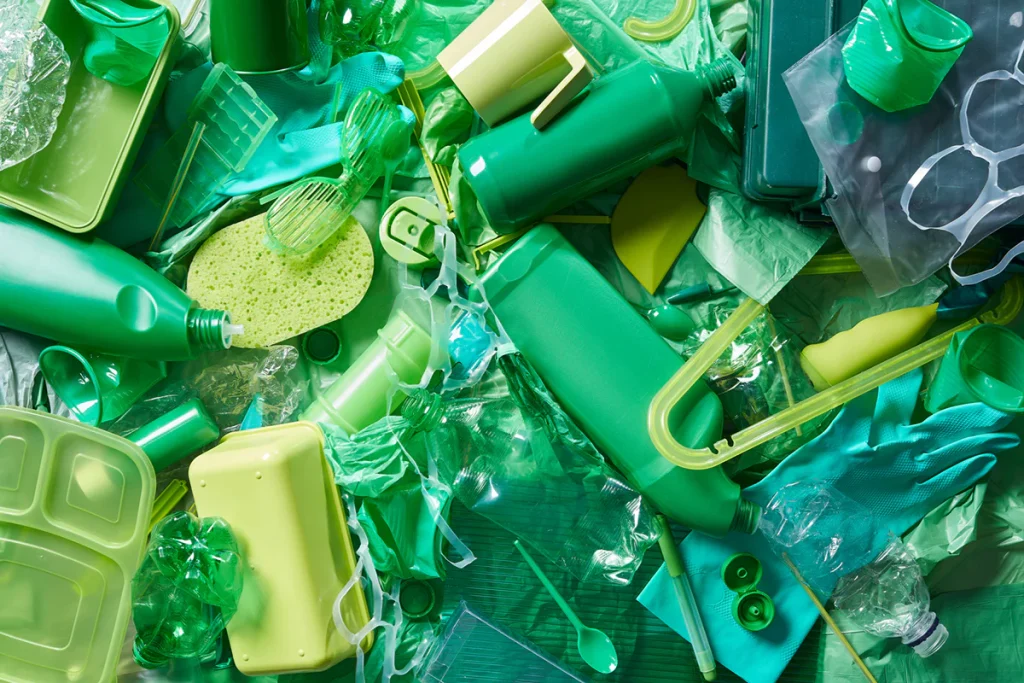
PCR packaging made with 50% PCR plastic offers a great balance between helping the environment and providing strong, long-lasting cosmetic packaging. Using 50% PCR plastic reduces the need for new plastic and lowers carbon emissions. Most importantly, this eco-friendly material keeps its original strength, stays safe with beauty products, and looks high-end. Companies can meet their green goals without losing the great quality their customers expect.
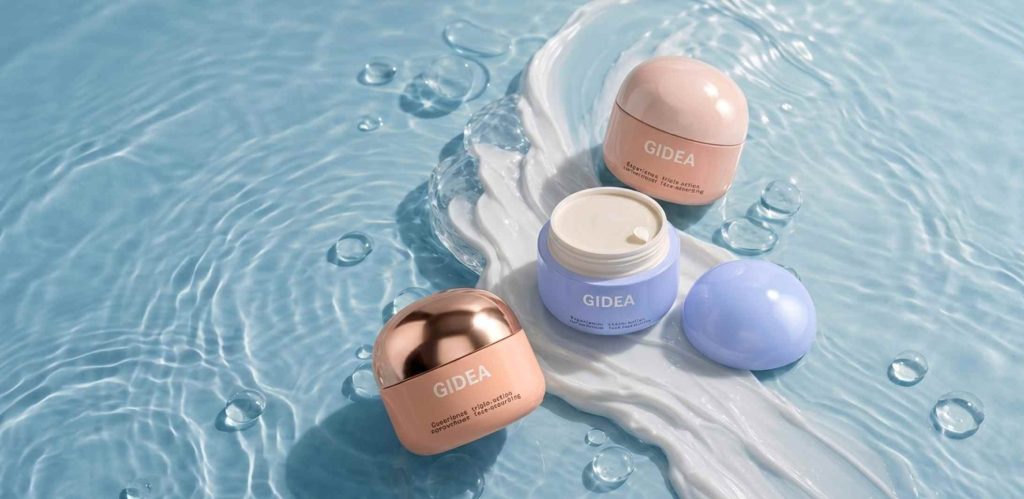
GIDEA leads this eco-friendly movement as a reliable worldwide packaging maker. Working under a clear 3R & 1B system, the company creates smart, green packaging choices for beauty and personal care brands everywhere. Changing to balanced post-consumer recycled materials helps packaging teams follow tough environmental rules with ease.
Key Takeaways
- Using half recycled plastic and half new plastic reduces factory energy needs by up to 79%.
- A 50% recycled plastic mixture keeps the bottle strong and protects cosmetics from leaking or drying out.
- Picking 50% PCR plastic cuts material costs and helps companies avoid paying huge fees for environmental waste.
- Beauty companies quickly hit their eco-friendly goals while maintaining fancy container standards and buyer safety.
Understanding the Role of 50% PCR Plastic Content
What 50% PCR Means in Sustainable Plastic Packaging
Smart material choices power today’s eco-friendly packaging. Factory workers mix equal amounts of reused plastic with regular plastic to make sturdy bottles. Adding recycled parts helps beauty companies shrink their total impact on nature. Choosing PCR plastic cuts factory power use by up to 79% compared to new plastic. This big energy savings cuts down on harmful factory pollution every single day. Cleaning up old used plastics takes much less power than making new materials from oil.
Reusing old items keeps trash out of dumps and ocean waters. Empty water bottles and used packages get a great second life as fancy beauty jars. Modern recycling programs catch these plastic items before they dirty up natural spaces. This full recycling loop saves a lot of water during heavy factory production steps. Processing plants save vital water because they skip the dirty work of pulling raw oil out of the ground. Clean factories easily turn gathered trash into safe, working package parts.
Using a 50% recycled plastic mix helps beauty companies reach their goal of zero carbon pollution. Green business leaders need to cut total pollution across all product lines. Picking this equal mix drops carbon output right away while keeping containers strong and safe. Beauty brands use much less fresh oil without changing how their factories build products. This simple switch lets personal care brands hit their green targets fast and smart.
This smart strategy supports the global beauty industry’s push for a clean, zero-waste system. Reusable supply loops keep helpful materials inside the production cycle much longer. Companies shield nature from extra trash by buying recycled materials instead of new ones. Eco-friendly packaging helps beauty brands follow tough world laws with no trouble. Making this change turns big environmental goals into real everyday fixes for shoppers worldwide.
Why 50% PCR Is the Ideal Balance for Packaging Needs
Packaging buying teams often worry about weak spots, cracks, or leaks when using recycled plastic. Mixing used plastic resins with brand-new plastic completely removes these dangerous packaging risks. Modern mixing techniques keep container walls strong and fully protected against heavy drops. Packaging made with a half-recycled plastic mix easily matches the solid strength of totally new materials.
Reducing Virgin Plastic Without Losing Material Performance
Lab testing proves that fifty-percent recycled mixes keep essential product protection barriers intact. A 50% PCR-PP mix achieves an Oxygen Transmission Rate (OTR) around 0.48–0.58 cc/pkg-day. This strong result matches brand-new plastic without any real differences. The Water Vapor Transmission Rate (WVTR) stays steady at 0.01–0.02 g/pkg-day. These reliable barriers stop beauty products from drying out or spoiling inside sealed bottles.
| Barrier Property | 50% PCR-PP Blend Performance vs. Virgin PP |
|---|---|
| Oxygen Transmission Rate (OTR) | Comparable and not statistically different (0.48–0.58 cc/pkg-day) |
| Water Vapor Transmission Rate (WVTR) | Not significantly changed (0.01–0.02 g/pkg-day) |
Standard quality tests prove the real structural strength of these modern plastic blends. Half-recycled packages easily pass rough drop tests, heavy weight squeezes, and long shipping trips. Stacking tests show the same strong support as traditional new plastic containers. Major drops in product strength happen only at higher levels between 85% and 100% PCR content.
Balancing Sustainability Quality and Production Requirements
Keeping packaging safe requires step-by-step quality checks during the whole factory process. Factory teams complete careful material tests to check color matching, smells, sizing, and smooth pump movement. Workers also inspect finished product packages after adding final labels and special coatings. Collecting seller papers and tracking records helps brands follow all environmental safety laws.
- Run early material tests to check cosmetic formula safety and moving pump parts.
- Inspect finished decorated packaging units after final building and clear protective coatings.
- Keep complete legal proof documents and detailed material tracking records for safety.
GIDEA uses tough quality safety rules on every single factory production line. Their manufacturing plant does a required 100% leak test on every cosmetic bottle, jar, and pump system. This complete automatic check stops liquid spills and protects product freshness for fast-growing beauty brands.
Achieving Environmental Goals with Practical PCR Content
Big global beauty and personal care companies actively use fifty-percent recycled plastic today. Hindustan Unilever uses 50% rPCR HDPE for Surf Excel Matic bottles. ITC adds 50% PCR into Engage and Fiama product containers. Meanwhile, Procter & Gamble used 17% PCR across its total global plastic production in FY2024.
| Company | Product/Application | PCR Content | Context |
|---|---|---|---|
| Hindustan Unilever | Surf Excel Matic | 50% rPCR HDPE | Personal care/chemicals, no food-contact barrier |
| ITC | Engage & Fiama bottles | 50% PCR | Personal care, scaling faster than food applications |
| P&G | Total resin across portfolio | 17% PCR (FY2024) | Lower percentage, showing a phased approach |
Mass tracking under ISCC PLUS rules follows recycled content through long international supply chains. This global badge proves eco-friendly business claims with accurate material tracking records. Picking a fifty-percent recycled plastic mix offers a smart path toward zero-carbon goals without risking container strength.
Performance Advantages of 50% PCR Plastic Solutions
Advanced factory methods help 50% PCR plastic blends reach top physical strength. Packaging designers mix equal shares of post-consumer recycled resin and premium virgin plastic. This steady mixed material gives beauty brands an easy path to shrink their natural impact. Meanwhile, the blend protects high performance needs for daily store packaging around the world. Plant workers create tough, clear, and lasting containers using this flexible resin mix.
Maintaining Strength Protection and Packaging Durability
Solid container strength serves as a core need for protective cosmetic jars. Good 50% PCR plastic keeps great pulling power and strong shock defense during global shipping trips. Container sides resist heavy pressure inside full shipping crates, so outer shapes avoid cracks under big loads. The mixed resin prevents material breakdown through long delivery routes. This real toughness guards precious liquid makeup, skin serums, and body lotions against accidental drop damage inside warehouse spaces.
Tough physical tests show that 50% PCR packaging guards product quality over extended shelf times. The mixed resin shows high chemical defense against active skin formulas, vital oils, and alcohol mixes. This chemical balance stops stress cracks near bottle openings, cap threads, and lotion pumps. Tight seals prevent air gaps, drying out, and liquid leaks during daily home use inside personal bathrooms.
Along with solid strength, 50% PCR plastic works well with fancy surface art methods. Production lines add silk-screen designs, hot foil stamps, soft matte coats, and custom color sprays right on container walls. Brand managers get a high-end style while meeting their green earth goals. Today’s 50% PCR resin mixes deliver long-lasting bottle defense, product safety, and beautiful visual quality for modern beauty goods.
50% PCR Plastic Applications in Sustainable Packaging
50% PCR Cosmetic Containers for Beauty Brands
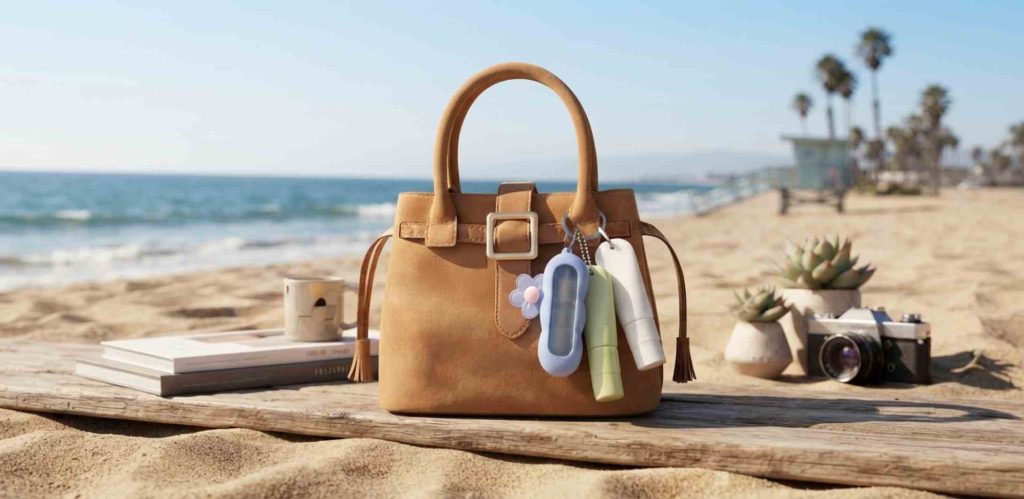
Newer beauty companies pick recycled plastic blends to guard sensitive liquid items. Strong options like PET-PCR and PP-PCR offer clear views, durability, and bendable strength for everyday skin products. Packaging factories craft tough bottles and jars for face serums, smooth skin lotions, and heavy body creams.
Beauty brands quickly pick these options for makeup containers and bath items. Plants make liquid foundation bottles, small compact cases, glossy lip tubes, and daily deodorant stick packaging with this balanced resin mix. The material keeps its solid shape and shields contents safely over long months on store shelves.
50% PCR Bottles Jars and Packaging Components
Making containers with a half-and-half plastic blend drops the natural footprint of factory plants. Selecting this special resin cuts unrenewable energy needs by 90% and slashes water usage by 83%. It also lowers air pollution gases by 75% while cutting physical trash by 43%.
Parts factories construct matching tops, lotion pumps, and fine spray nozzles using this tough material. The firm resin stops messy leaks and keeps pump parts sliding easily during daily home use. Companies protect total product safety while easily reaching modern green targets.
50% PCR Solutions for Different Packaging Industries
Home cleaning brands choose PCR Plastic to manufacture goods like trash can liners and thin storage bags. The finished goods provide identical stretching strength, easy bending, and long usage lives as classic fresh materials without losing function.
| Industry | Performance Evidence for 50% PCR Plastic |
|---|---|
| Household Products | Delivers the same tensile strength, flexibility, and service life as virgin plastic. |
| Cosmetics | PET-PCR and PP-PCR offer similar strength, flexibility, and barrier properties to virgin plastic. |
Industrial chemical brands use flexible sacks for dry materials. The re/loop PillowBag designed for powdered soap contains 50% mechanically recycled PCR plastic content on store shelves across Germany. This smart packaging design uses ISCC PLUS mass balance tracking while helping hit EU PPWR targets for 35% recycled content by 2030.
Comparing 50% PCR Plastic with Other Packaging Options
50% PCR Plastic vs Virgin Plastic Packaging Materials
Package choices directly affect business budgets and eco goals. Pure virgin plastic costs between $700 and $1,200 per tonne. Extra government waste fees add $300 to $1,400 per tonne. These extra costs equal 50% to 100% of the material price. Using recycled parts creates big savings under modern rules. A company using 100,000 metric tonnes under French Citeo rules drops material costs from $100 million to $91 million. The same plan cuts fee costs from $50 million to $26 million.
Making recycled containers uses 88% less energy than making new plastic. Creating 1 ton of recycled PET stops 3.8 tons of carbon pollution. Recycled resin is also 15-20% cheaper than new materials in some areas. A mixed 50% PCR Plastic blend gains these price and carbon benefits easily. Companies cut fuel use without facing sudden price increases.
50% PCR Plastic vs Fully Recycled Plastic Options
Choosing between half-recycled materials and 100% recycled resin brings clear physical choices. A fifty-percent mix keeps steady power for standard beauty items. The blend loses no real pulling power, bending strength, or total working life. Color changes stay minor, showing only a slight grey or off-white tone. Packaging quality remains totally reliable for everyday user needs.
However, 100% recycled plastic shows weaker strength because of mixed material sources. Fully recycled jars display clear visual changes in color and clarity. Hitting 100% recycled levels needs top-grade, sorted trash that costs extra cash. Fifty-percent PCR Plastic offers a proven balance point for brands. Standard factory systems easily produce these strong containers today.
Challenges When Implementing 50% PCR Packaging
Managing Color Appearance and Material Consistency
Recycled resins often present visual differences across different production batches. Plastic scraps come from many post-consumer sources, so raw resin colors vary naturally. Packaging with moderate PCR content, such as 50%, achieves stable performance in terms of feel and print quality when production is properly managed. However, cosmetic brands still need targeted methods to maintain precise visual identity on store shelves.
Factories use specialized aesthetic technologies to control color variation in PCR containers:
- De-yellowing technologies counteract discoloration.
- Clarity stabilisation technologies maintain a clear, pristine appearance.
- Visual defect masking enhances aesthetic quality.
- High-consistency colour control ensures uniform color.
Proper testing verifies these visual parameters before full factory production begins. Packaging teams conduct thorough sample testing to check color stability, material consistency, printing performance, tube recovery, cap matching, and leakage performance. These early checks ensure every finished cosmetic bottle meets strict brand design expectations.
Ensuring Supply Stability and Quality Control
Finding steady streams of high-grade post-consumer resin requires careful operational planning. Sourcing raw materials from broad supplier networks helps maintain a reliable resin supply, but brands must balance cost with transport impacts. Engaging with trusted vendor partnerships allows packaging makers to build collaborative relationships for continuous material improvement. Third-party certifications from organizations like TUV and UL verify authentic recycled percentage levels.
Brands also use recognized regulatory safety benchmarks to guarantee long-term product safety. Utilizing established safety evaluations, such as U.S. FDA No Objection Letters (NOLs), confirms material suitability for personal care packaging. Additionally, adopting certification programs like APR’s PCR certification provides third-party verification to reduce supply risks and verify material claims.
Rigorous material testing protects finished containers against physical failure. Packaging engineers conduct extensive experimentation to find ideal PCR blends for each specific component. Strict quality control measures guarantee that every container meets standard durability rules. These proactive steps safeguard delicate product formulas while building strong consumer trust.
Frequently Asked Questions About 50% PCR Plastic
Why Is 50% PCR Content Popular in Packaging?
Half-recycled materials create a great balance between helping nature and making factory items. Businesses reduce new plastic use by half while keeping fast production speeds. This balanced material helps companies meet strict green laws without spending money on huge equipment upgrades.
Shoppers actively search for green packaging options today. Picking this equal mix proves a firm commitment to our planet. Additionally, this blend gives personal care brands a reliable material supply while switching to sustainable options.
Is 50% PCR Plastic Better Than Virgin Plastic?
Looking at environmental impacts, reused plastic options perform much better than pure new materials. Using recycled resin drops reliance on fossil fuels and keeps plastic trash out of local dumps. Making products with PCR Plastic cuts harmful carbon pollution compared to creating new plastic from scratch.
Fresh virgin plastic offers the highest level of clear shine. However, equal recycled blends deliver the same functional strength while protecting natural resources. Because of this, global companies prefer smart recycled blends over basic fresh plastic options.
Can 50% PCR Plastic Be Used for Cosmetics Packaging?
Beauty brands often use this balanced plastic material to make sturdy jars, bottles, and lotion pumps. Advanced cleaning steps ensure liquid formulas stay totally safe from harmful dirt. Factory teams run careful mixing tests to guarantee long-term container safety.
This flexible resin works dependably across many different beauty items. Daily skin serums and face lotions remain safe inside tough containers. A simple two-step test checks empty bottle strength along with real product filling before selling items in stores.
Does 50% PCR Affect Packaging Strength and Appearance?
Lab checks reveal clear testing data across several mixed resin choices. Modern plant molding maintains strong bottle shapes, though visual traits show small natural differences.
| PCR Level | Strength (Top-load & Drop-impact) | Clarity & Tint | Color Consistency |
|---|---|---|---|
| Virgin PET | Baseline reference | Baseline reference | Baseline reference |
| 20% PCR PET | Passed initial performance tests | Closest to virgin appearance | Selected as most suitable balance |
| 50% PCR PET | Passed initial performance tests | Noticeable difference but acceptable | Acceptable for project requirements |
| 100% PCR PET | Met mechanical requirements in separate study | May not meet visual goals | Tint and clarity may fail visual goals |
When checked using ASTM D2659 and D2463 rules, 50% PCR PET easily passes heavy squeeze and drop safety checks. Raw plastic sources, cleaning methods, and plant heating settings shape final container results.
Our 50% PCR Packaging Solutions for Sustainable Brands
Custom 50% PCR Cosmetic Packaging Manufacturing
GIDEA creates reliable packaging options for beauty brands making the move toward eco-friendly systems. We manufacture top-performing makeup bottles, lotion jars, and airless pumps using a 50% PCR resin mix. Our production lines strictly follow a clear 3R & 1B system. Every single finished container passes a required 100% leak test. This quick automatic check protects delicate liquid formulas and stops unexpected product spills during delivery and daily use.
Brand leaders can pick from two flexible manufacturing choices to match their launch schedules. Standard package parts allow fast color choices and custom surface art for rapid product launches. Otherwise, custom mold building creates unique bottle shapes that boost brand visual power in retail stores. We back both production choices with low Minimum Order Quantities and a 7-day fast prototype offer. Full matching with global FDA and ISO safety rules allows quick sales growth across every world market.
Sustainable Material Selection and Design Support
Choosing top-quality recycled resins helps beauty brands easily follow new environmental laws across fast-changing regional markets. For example, Brazil’s Decree No. 12.688/2025 sets growing recycled plastic goals for all container parts:
- 22% PCR material needed by 2026
- 30% PCR material needed by 2030
- 40% PCR material needed by 2040
GIDEA assists beauty companies to review and pick ideal PCR resins that quickly beat these growing legal goals. Switching to a 50% PCR plastic blend places your company well ahead of tough global eco rules while protecting container strength and product safety.
Our packaging team offers free design help to make every green packaging switch simple and easy. We help technical teams choose top materials, including PCR, rPET, and Ocean-Bound Plastic choices. Our design experts build refillable options and recyclable single-material structures that guard delicate skin formulas. More global beauty brands team up with GIDEA to hit their green goals while keeping a high-end look.
Fifty percent PCR plastic is the best choice for eco-friendly beauty and personal care companies. This smart material provides great environmental benefits while keeping your products safe. Beauty brands can cut back on new plastic without losing bottle strength, safety, or style.
GIDEA helps international beauty brands use green packaging through its clear 3R & 1B system. The reliable maker offers custom package designs, low minimum orders, quick seven-day sample making, and full global ISO and FDA approval. Packaging managers and supply buyers can reach out to GIDEA today for free samples to boost their green product lines.