Ocean Bound Plastic (OBP) is bad trash. It sits within 50 kilometers of shores. Rain and wind wash it away. Rivers carry it into the sea. Stopping it on land helps a lot. Beach trash makes most sea litter. It creates 80% of ocean plastic. Jambeck says 8 million tons enter yearly. Other data shows 14 million tons leak. Gathering trash near towns helps wildlife. It protects animals in ocean homes. It stops very bad nature pollution.
Key Takeaways
- Ocean Bound Plastic is left-behind trash. It sits near coastlines. This means within 30 miles. These areas lack good waste systems.
- Picking up beach trash stops plastic. It protects ocean life from harm.
- Recycling plants turn ocean-bound plastic into green packaging. They make these for cosmetics and daily items.
- Digital tools and official proofs show real results. They make sure this ocean plastic is real. The plastic comes from true beach cleanups.
Definition and Meaning of Ocean Bound Plastic Materials
Zero Plastic Oceans defines clear safety rules. These rules help clean up trash.
Zero Plastic Oceans defines ocean trash. Trash within 50 km of coasts is Potential OBP.
This area includes all lost plastic trash. It lies within 50 km of seas. Local towns here lack good trash systems. They lack safe waste dump sites. Unhandled trash quickly enters ocean waters. Strong winds and heavy rains push it.
Groups split this shore trash into types. They check origin and exact spots:
- Shoreline plastic: Trash sits within 200 meters of beaches.
- Waterway plastic: Trash lies in rivers flowing to seas.
- Abandoned fishing gear: Lost gear rests on coastal shores.
Collected items include many plastic types:
- Non-commercially recyclable plastic waste: Most trash is dirty or broken down.
- Commercially recyclable plastic waste: Only a small part can be reused.
These categories help worker teams recycle trash. Sun and ocean salt damage the plastic. Teams gather it before items break down. City managers sort trash by local capacity. Towns without good dumps create huge waste. Clean teams target risky shores first. They gather trash before rain hits it. Good plans separate cheap and costly plastics. Cleaning land trash costs less than sea cleans. This system tracks waste for nature projects.
What Are the Main Categories of Ocean Bound Plastic?
Potential Ocean Bound Plastic Near Coastal Areas
Beach towns often lack good trash systems. People leave plastic waste in open spaces. Breeze moves this loose trash to seas.
Picking up town waste stops bad pollution. Storms wash this trash into oceans later.
Waterway Ocean Bound Plastic From Rivers and Streams
Rivers move land trash to the sea. Most river trash comes from 1,000 streams. Small city rivers carry lots of waste.
Stopping river trash protects our clean waters. Nets block floating plastic before ocean currents.
Shoreline Ocean Bound Plastic From Coastal Regions
Plastic trash piles up on sandy beaches. Sun heat breaks trash into tiny pieces.
| Marine Organism | Specific Exposure & Contaminants | Observed Physiological Stress & Ecological Impact |
|---|---|---|
| Lugworms | Eating small plastics with dangerous ocean chemicals. | • Toxins build up in worm tissues • Worms eat less and die fast • Harm to internal body parts • Dirt mixing stops and beach life suffers |
| Fish | Swallowing small plastic bits with bad chemicals. | • Toxins move inside fish bodies • Big damage to fish livers • Livers grow dangerous tumors |
Beach cleanup teams pick up local trash. Fast work stops items from sinking deep.
Fishing Materials as Ocean Bound Plastic Sources
Fishing boats leave gear on ocean shores. Old nets trap and harm marine animals.
- Lost ghost nets ruin seas each year.
- Reports show tons of gear get lost.
Saving old gear protects sea life well. These items help make new OBP products.
Why Is Ocean Bound Plastic Important for Sustainability?
Reducing Marine Plastic Pollution Through Recovery
Picking up shore trash stops deep sea pollution. Early land cleanup stops microplastic creation. Targeted coastal sweeps protect delicate beaches best. Workers gather waste before rain reaches oceans.
Factories turn collected plastic into strong recycled resins. GIDEA uses them in green cosmetic packaging. Using these resins cuts heavy crude oil needs. Clean factories make waste into useful everyday items.
Supporting Circular Economy and Plastic Recycling
Using recycled resins helps close the plastic waste loop. Beauty brands use them for new green laws. Makers must meet strict EU PPWR safety rules. FDA safety rules guide safe plastic reuse. FSA rules ban fake OBP in food jars. Certified cosmetic bottles offer very safe reuse options.
Smart bottle designs improve plastic reuse life cycles. Factories build bottles using one single resin type. Refillable jars help recycled plastic last much longer. Single materials help local centers sort waste easily.
Protecting Marine Ecosystems and Natural Resources
Cleaning beaches saves wild sea animals from trash. Hungry turtles and fish mistake plastic for food. Stopping trash near cities keeps ocean homes safe. Coastal cleanups lower harmful chemical danger levels.
Healthy oceans protect all kinds of marine life. Smart plastic picking guards delicate sea habitats. Clean beaches help local towns earn more money. Stopping land waste protects our oceans best long-term.
OBP Certification and Sustainable Material Standards
Understanding Certified Ocean Bound Plastic Requirements
Outside checkers test raw packaging materials. Strict programs prove real 100% ocean-bound plastic claims. Checks cover pickup sites near shores. Inspectors review local waste facilities carefully. Independent tests block false green claims. Beauty brands use labels to prove results.
Credit plans fund cheap plastic waste pickups. Groups issue offsets for shore projects. One credit removes one kilogram of OBP. Collectors earn fair pay from credits. Teams gather dirty items before rains come.
Traceability of OBP Collection and Recycling Processes
Digital tracking protects materials at all steps. Local centers record trash batches fast. Workers check every step with digital records:
- Shipment Tracking: Systems track every shipment with origin and batch.
- Custody Chain Verification: Digital logs let buyers check real material origins.
New blockchain software keeps supply records clear. Digital ledgers verify green claims right away.
| Blockchain Feature | Mechanism for Traceability | Impact on Supply Chain |
|---|---|---|
| Immutable Provenance & Shared Ledgers | Logs transfers, outside audits, and quality checks. | Connects plastic to collectors and builds trust. |
| Digital Passports & Tokenized Credits | Connects processed ocean plastic to pickup steps. | Proves material origins across long supply chains. |
| Sourcing Platforms (e.g., Oceanworks) | Tracks plastic from first recovery to sale. | Simplifies buying and improves work speed. |
Applications of Ocean Bound Plastic in Packaging Solutions
OBP Cosmetic Containers and Beauty Packaging Products
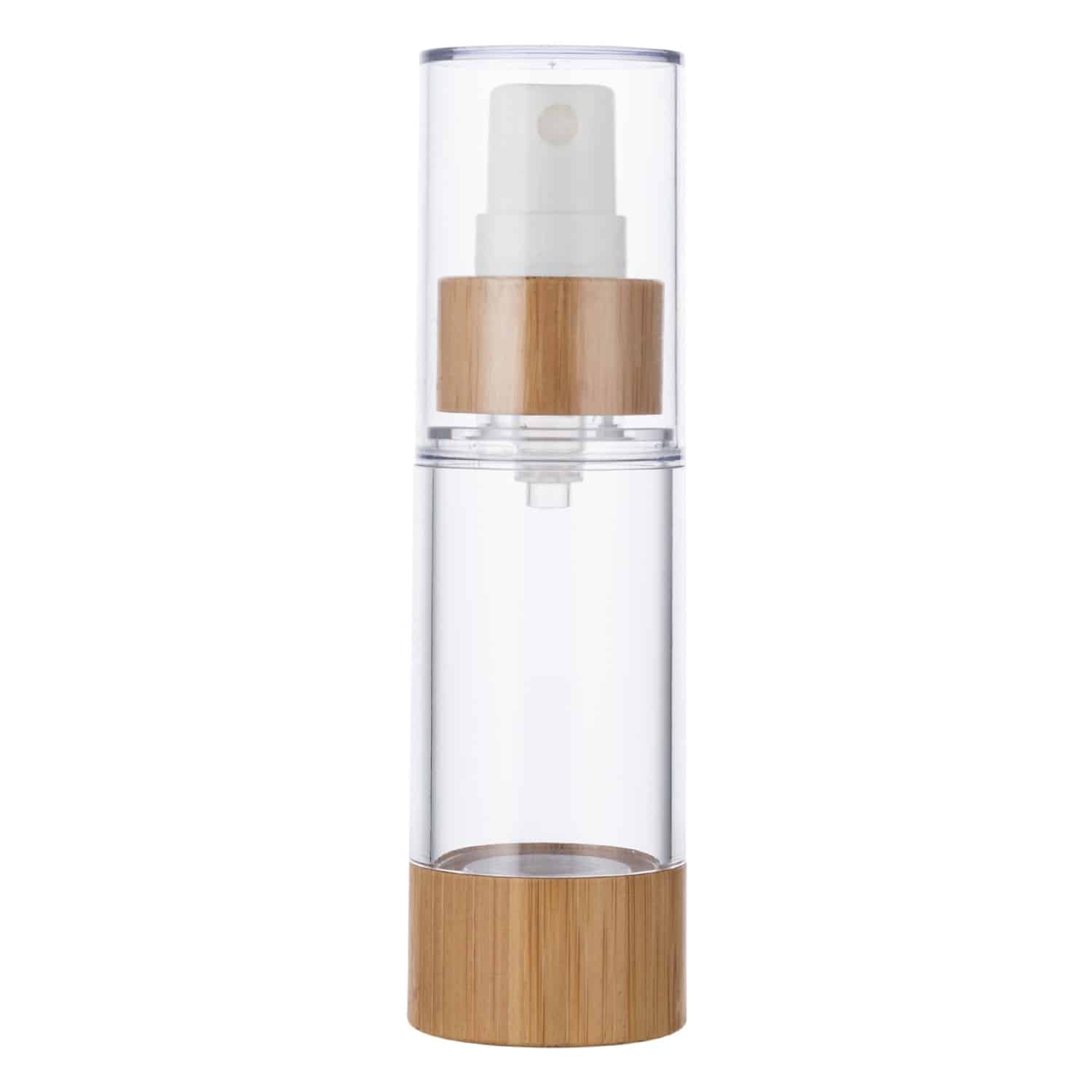
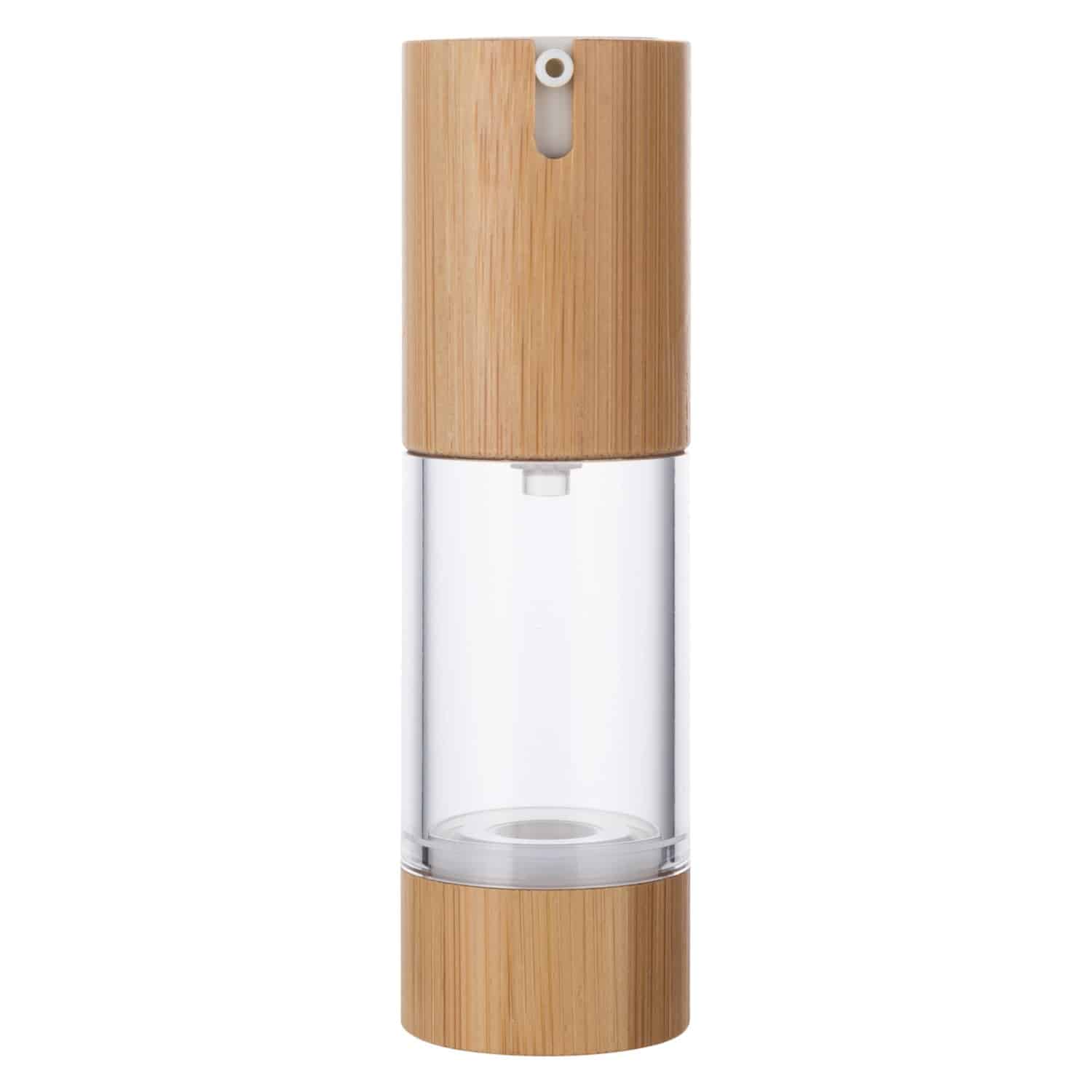
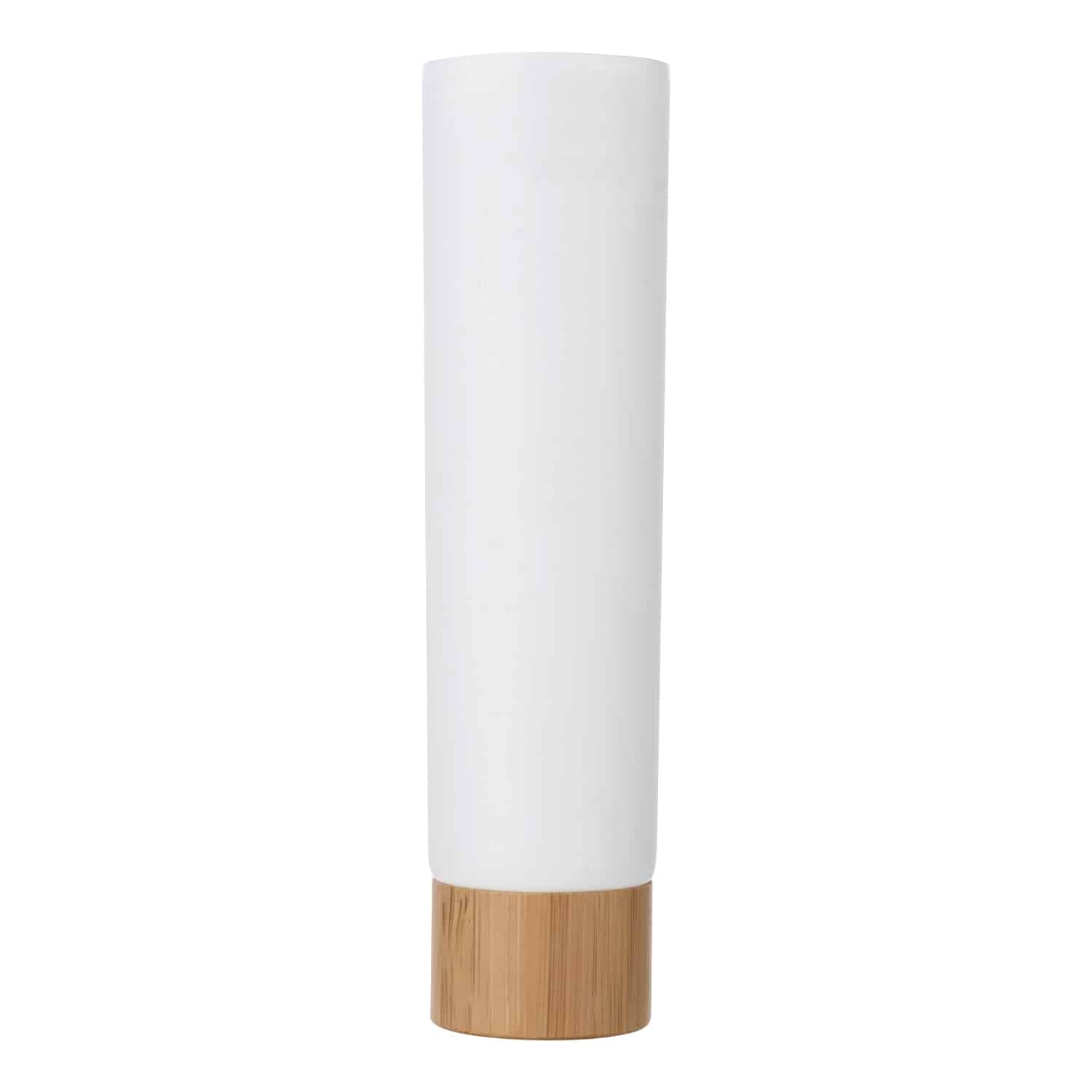
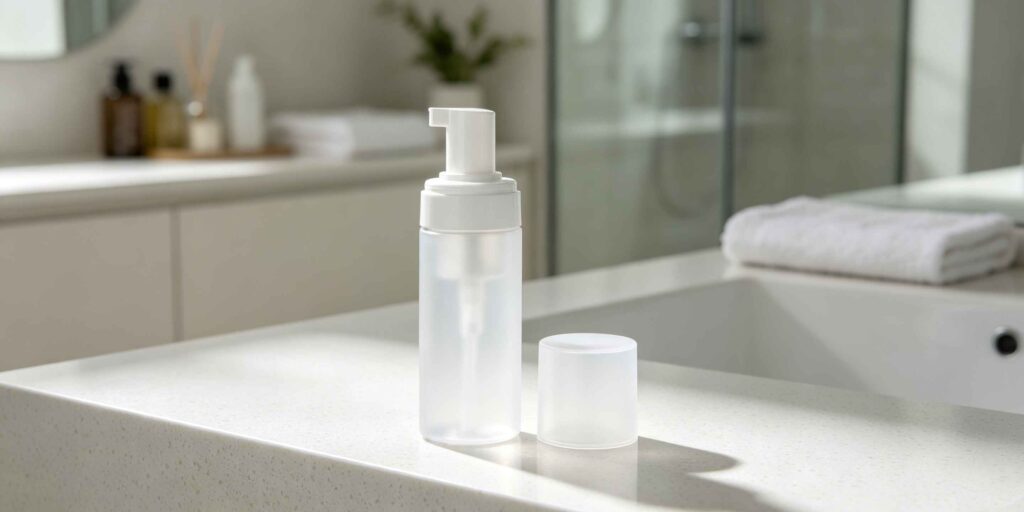
Makers turn collected OBP into resins. They build jars, tubes, and bottles. Big beauty brands use these resins. This cuts crude oil use. Engineers build strong walls. These walls protect safe creams.
Top companies like GIDEA use OBP. They make eco-friendly cosmetic containers. These designs meet strict safety rules. They follow FDA and EU PPWR standards. Brands pick single-resin bottle designs. This helps local centers sort waste.
Sustainable Personal Care Packaging Applications
Personal care items need strong packaging. Bathrooms are wet and humid. Clean OBP keeps items safe from water. Processing plants make strong bottles. They create soap pumps and caps.
Smart refill systems make plastics last. People reuse outer bottles many times. They buy small inner refills. This setup stops extra waste. It keeps good plastic in use.
Recycled Plastic Packaging For Consumer Products
Everyday items use land OBP resins. Factories make shipping boxes and soap tubs. They create household cleaner bottles. Facilities sort, wash, and melt waste. They turn OBP into uniform plastic pellets.
Factory lines test all new packages. Workers perform complete leak tests. OBP helps brands hit green goals. It maintains good container strength. Certified supply chains show plastic sources.
Ocean Bound Plastic Compared With Other Recycled Materials
OBP vs PCR Recycled Plastic Packaging Materials
Recycled plastics come from different places. They have unique physical traits. Standard Post-Consumer Recycled plastic uses strict rules. Methods follow ISO chain-of-custody rules. The APR PCR Certification Program tracks waste. It tracks raw items to final sales. This process proves real post-consumer content.
| Characteristic | Ocean Bound Plastic | Standard Post-Consumer Recycled (PCR) Plastic |
|---|---|---|
| Structural & Physical Properties | Mixed trash types. Sun and salt ruin polymers. Dirt needs deep multi-stage cleaning. Melt flow index varies a lot. | Cleaner waste streams. Trash has lower dirt levels. Workers sort waste with set rules. Expected plastic mix. High strength stays safe. |
| Chain-of-Custody & Certification | Focuses on trash origin spots. Trash sits near shores without dumps. Checks use OBP rules. GRS and RCS track mass balance. | Focuses on tracking real materials. Follows safety rules well. Uses UL 2809 standards. Follows APR PCR rules. Has FDA safety approvals. |
OBP vs Traditional Virgin Plastic Materials
Traditional virgin plastic comes from oil. Refineries use crude oil or gas. They make brand-new plastic polymers. These new items show smooth quality. Makers get steady plastic melt strength. Clear color options need no washing.
Stopping land plastic tells a new story. Gathering shore trash stops ocean pollution. It cuts needs for crude oil. Making virgin plastic makes high carbon. It uses up limited natural resources. Recycled shore plastic needs deep washing. Yet it saves delicate nature homes.
Brands pick materials for green goals. Virgin plastic gives strong shapes easily. Intercepted shore plastic cuts carbon footprints. It protects wild ocean animals well. Mixing both resins creates strong items. Products hit modern green rules fast.
Challenges of Using Ocean Bound Plastic Materials
Collection Infrastructure and Supply Availability Issues
Poor towns face major problems collecting plastic trash. Setting up trash systems costs too much money. Many poor areas lack working trash plants completely. Vulnerable towns need extra money for new plants.
Key missing parts in current supply chains include:
- Lack of good trash transport trucks
- Missing waste collection hubs and sorting centers
- Recycling plants without modern sorting robots
Upgrading recycling plants remains hard without huge money investments.
Material Quality and Performance Considerations
Sunlight and salt harm ocean-bound plastic resins fast. Harsh sun and salt break clear chemical bonds inside. This damage snaps long plastic chains into tiny pieces.
Short plastic chains flow too fast when melted down. Broken ocean plastic flows twice as fast as new plastic. Factory workers struggle with these unstable plastic flow speeds.
Cost Factors of Sustainable Packaging Materials
Collecting shore plastic creates big extra costs for companies. Cleaning dirty beach waste needs extra manual work hours. Plants must wash away salt, sand, and dirt.
Deep cleaning steps raise total plastic production costs greatly. Recycled ocean plastic costs much more than fresh oil plastic. Packaging makers must pay these high prices to make boxes.
Frequently Asked Questions About Ocean Bound Plastic
What Is Considered Ocean Bound Plastic Waste?
Ocean-bound plastic includes lost trash near shores. It sits 50 km from coastlines. Local towns here lack good dumps.
| Distinguishing Criterion | Ocean-Bound Plastic (OBP) | Deep-Sea Gyre Plastic Waste |
|---|---|---|
| Geographical Origin | Land trash sits near shores. Towns lack good dumps. | Trash floats far out at sea. Big garbage patches hold it. |
| Composition & Source | People leave single-use items. Bottles and bags form trash. | Old fishing nets float far. Ropes ruin deep waters. |
| Recyclability & Quality | Workers gather trash fast. Sun does not ruin it. | Salt ruins this old trash. Workers cannot reuse it. |
This clear rule targets land trash. Early fixes stop ocean entry. Cleaning shore trash protects nature. Waves cannot spread it far.
Is Ocean Bound Plastic Recyclable for Packaging?
Yes, ocean bound plastic makes great packaging. Teams gather items fast. Ocean water cannot ruin polymers.
Clean plants wash the trash. Workers sort and melt items. Machines turn pellets into jars. They make sturdy cosmetic bottles.
How Does OBP Help Reduce Ocean Plastic Pollution?
Land teams stop loose trash fast. Wind pushes shore trash away. Heavy rains wash items into seas.
Cleaning beaches saves wild animals. Turtles do not eat plastic. Cleanups turn bad trash into jars. Global buyers get green items.
Our Sustainable OBP Packaging Solutions
Custom Ocean Bound Plastic Packaging Manufacturing Services
GIDEA makes green makeup jars since 2003. They offer good factory work for global brands. Smart teams give free design help for new jars. Fast 7-day test builds speed up new projects. Clients pick basic styles or ask for new molds. Skilled pros guide every design step for safe use.
Quality checks matter a lot during big runs. Factory tools test all jars for leaks. These tests stop leaks and keep creams fresh. Plants follow global rules like ISO and FDA standards. Good suppliers bring safe materials on time for orders.
Eco-Friendly Packaging Solutions for Beauty Brands
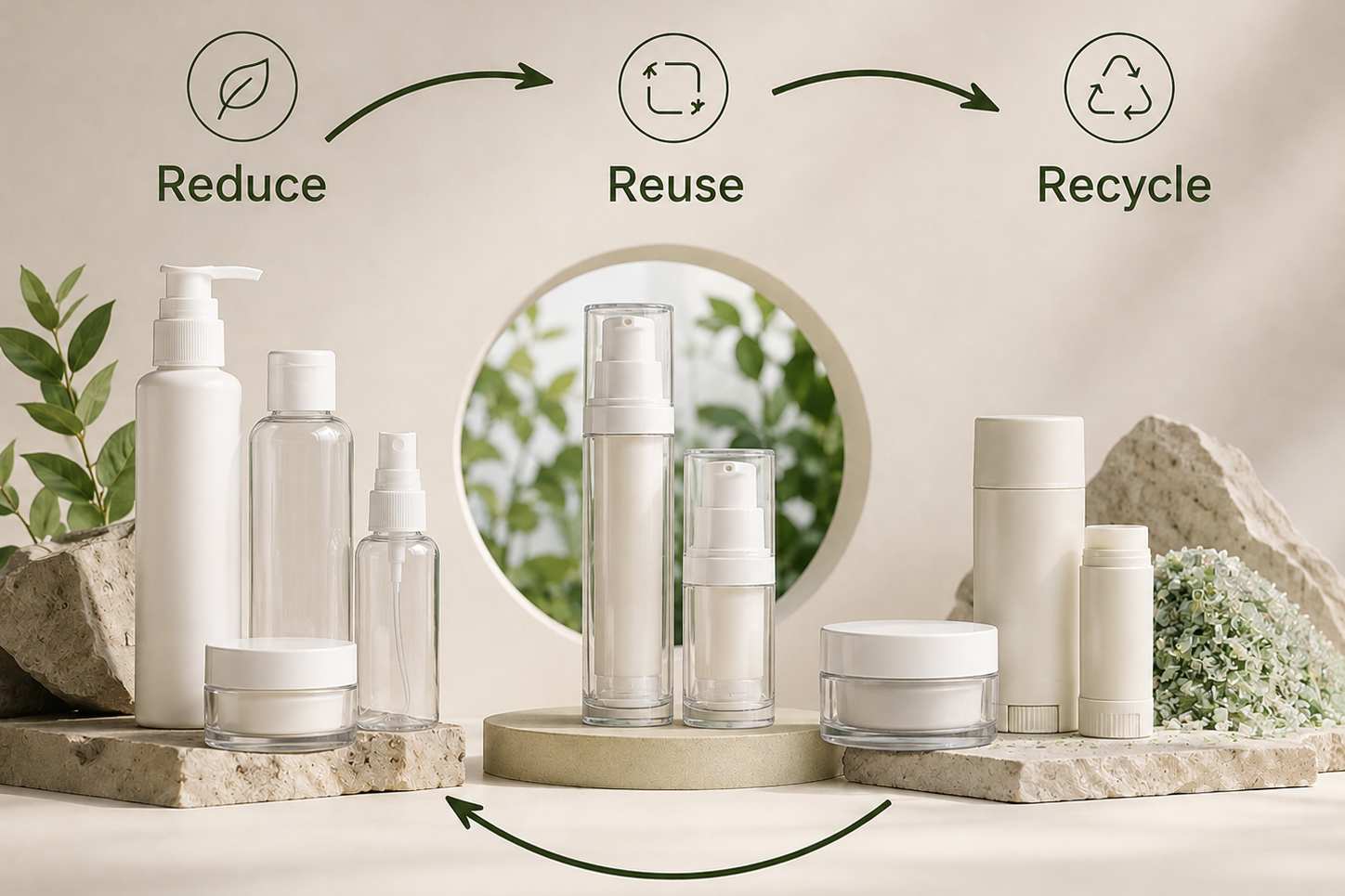
GIDEA makes strong eco jars for beauty lines. This full line uses a simple 4-step green rule: Reduce, Reuse, Recycle, and Biodegrade. Factories turn shore trash into tough jar walls. Better material work keeps strength high and cuts carbon.
The big product line sells bottles, jars, and caps. Pros build single-resin jars and easy refill systems. Over 1,000 brands use these green jars daily. Custom colors and fine details help brands look special. Big factory output ensures fast shipping and flex limits.
Collecting shore trash stops ocean pollution early. Picking up waste near beaches keeps rivers clean. Safe supply paths prove real plastic sources. Following global packaging laws helps beauty brands fast.
| Region / Policy | Target Year | Required Recycled Content | Scope |
|---|---|---|---|
| EU Directive / Regional Policy | 2030 | 30% Recycled Plastic | Newly produced plastic bottles |
| California (State Law) | 2030 | 50% Post-Consumer Recycled (PCR) | Plastic beverage containers |
Smart brands and shoppers protect sensitive sea life. Tested OBP packaging makes this goal simple. Choosing recycled items blocks harmful sea trash now.