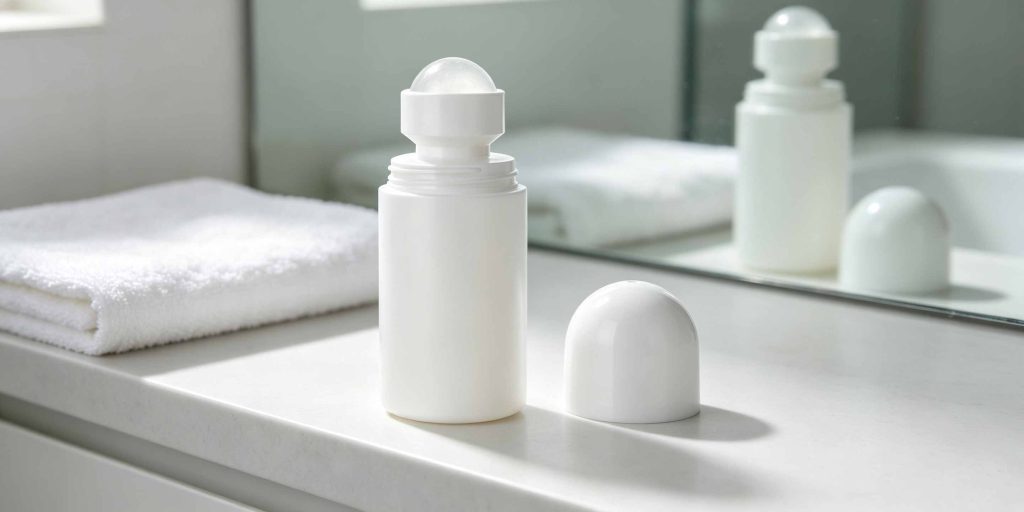
Bioplastic deodorant packaging means new green containers. They come from plants like sugarcane and corn. Cassava is used instead of regular oil plastics. Green suppliers make these plant containers now. This helps lower carbon pollution for everyone. The containers still stay strong and sturdy.
Many brands wonder if plant items stay strong. They ask if they leak like plastic. Smart engineering makes bio containers protect very well. These materials can also be used for cosmetic bottles, giving brands more sustainable packaging options. They resist water and keep formulas stable. Good quality checks include full leak testing. This ensures the containers work well every day. Cosmetic brands now sell strong green options.
Key Takeaways
- Bioplastic deodorant packaging uses plants. It uses sugarcane and corn. It does not use crude oil.
- Plant-based tubs are strong like regular plastic. They stop liquids from leaking out.
- Using plant materials cuts carbon emissions. It lowers factory power needs.
- Most bioplastics must be sorted correctly. They go to local recycling centers. They can also go to commercial composting places.
Understanding Bioplastic Deodorant Packaging and Its Impact
Old care containers use lots of oil. Makers turn crude oil into normal plastic. Plant materials come from farm crops instead. Using bioplastic deodorant packaging helps beauty brands. They stop using limited underground oil reserves. Renewable choices use plants that catch carbon. They absorb carbon as they grow big. Switching to plants cuts down greenhouse gases. This helps the whole product life cycle. Plant plastics trap carbon inside their frames. They hold it during their whole life.
What Are Bioplastics Made From Renewable Materials?
Bio packaging uses natural crops over oil. Main sources include sugarcane and cornstarch. Factories also use cassava and bamboo plants. Facilities take crops to make useful polymers. Bugs turn cornstarch into polylactic acid. Processing sugarcane makes bio-polyethylene just as well. These resins match old plastic strength. They have great clarity and chemical resistance.
Leading personal care packaging supplier GIDEA manufactures custom cosmetic containers using these advanced bio-based materials.
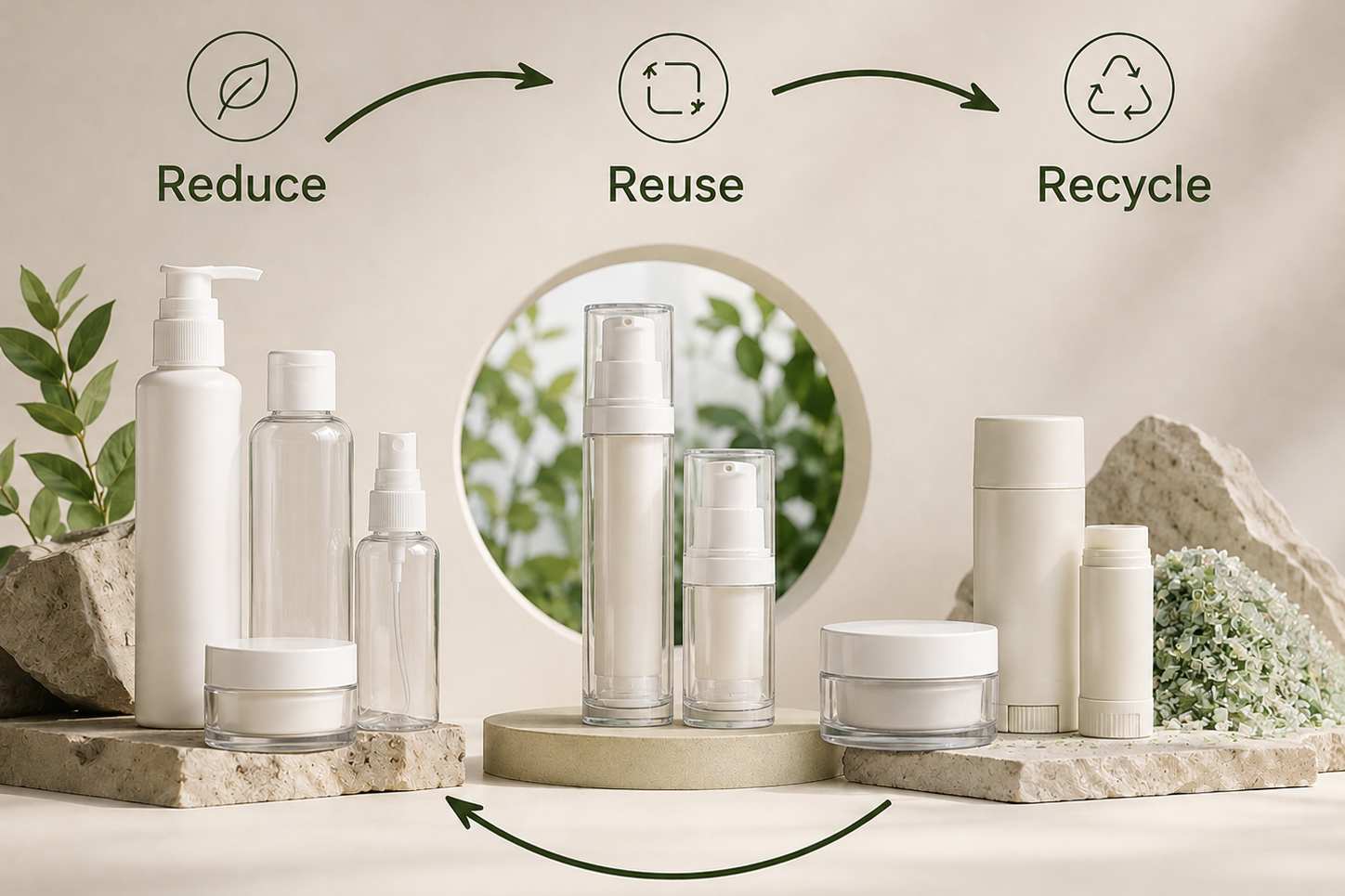
GIDEA embeds a clear 3R & 1B framework into every packaging design:
- Reduce: Cuts raw material use in big factory production.
- Reuse: Builds strong containers that work for refillable sticks.
- Recycle: Uses single materials to fit local recycling bins.
- Biodegrade: Adds compostable plant polymers that break down safely.
These steps help brands meet green goals. Products still work great every day.
How Bioplastic Deodorant Packaging Reduces Environmental Impact
Checking green footprints needs full life assessments. Replacing oil with plants cuts energy needs. But growing crops uses land and water. Farmers also need to use fertilizers. The table shows metrics for two materials. It compares 100 lbs of corn HDPE. It tests against 100 lbs of oil HDPE.
| Environmental Metric | Bio-based Material (100 lbs Corn HDPE) | Fossil-Fuel Material (100 lbs Virgin HDPE) |
|---|---|---|
| Climate Change Impact (kg CO2 eq.) | 3.388 | 3.087 |
| Biogenic GHG Emissions (kg CO2 eq.) | 351.743 | 0.049 |
| Water Consumption (m³ world equiv.) | 17.637 | 0.540 |
| Non-Renewable Primary Energy Demand (MJ) | 48.547 | 85.779 |
| Renewable Primary Energy Demand (MJ) | 87.497 | 3.497 |
| Acidification Potential (kg SO2 eq.) | 0.034 | 0.004 |
| Smog Air Impact (kg O3 eq.) | 0.324 | 0.107 |
The numbers show big resource shifts. Bio HDPE drops old energy use down. It uses 48.547 MJ instead of 85.779 MJ. Renewable energy use jumps up for corn. It hits 87.497 MJ for corn HDPE. Old plastic needs only 3.497 MJ.
Environmental trade-offs stay very important today. Trayak studies show PLA has high carbon. It makes more carbon than recycled plastic. Yet sugarcane plastic can lower carbon footprints. It can even reach negative carbon scores. But sugarcane farms can hurt local water. Extra plant nutrients cause bad algae blooms. Green package engineers must balance their choices. Choosing good bio-resins keeps products very safe. These containers match old plastic shield barriers. Brands pick custom mix options to stay stable. Good seals stop leaks and cut oil reliance.
Bioplastic vs Traditional Plastic Deodorant Containers
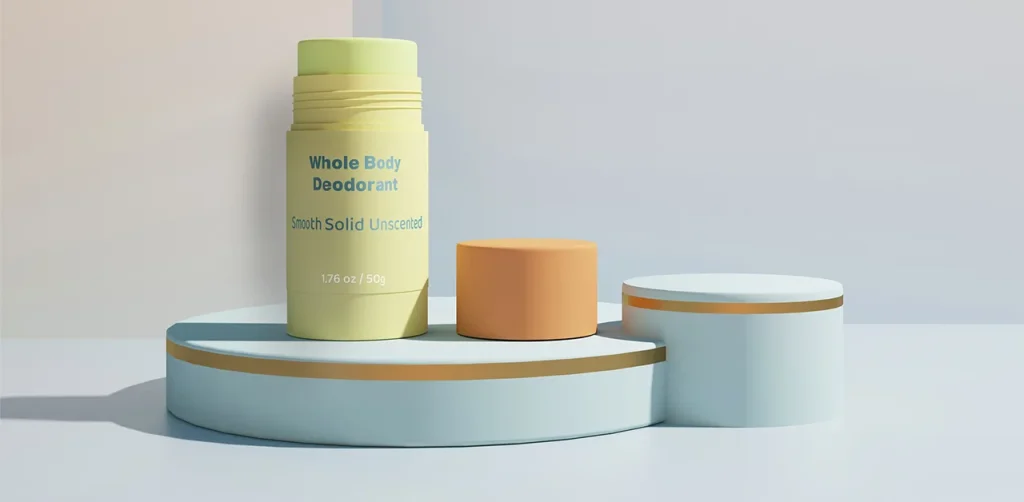
Differences in Material Sources and Environmental Benefits
Traditional deodorant containers rely on crude oil extractions. Standard plastic suppliers process petroleum into rigid synthetic resins. These fossil fuels require deep oil drilling and energy-intensive refining steps. Plant-based containers come from renewable agricultural crops like sugarcane and corn instead. Choosing bioplastic deodorant packaging helps personal care brands shift away from depleting finite underground oil reserves. Farm crops absorb ambient carbon dioxide during their natural growth cycle, creating a beneficial initial carbon offset for manufacturers. This agricultural source reduces dependence on non-renewable energy during raw material production.
Bio-based materials offer measurable environmental advantages over standard fossil packaging plastics:
- Emissions Reduction: Bio-based polyethylene decreases greenhouse gas emissions by roughly 50% to 70% in comparison to fossil-fuel-based traditional polyethylene, according to data from European Bioplastics.
- Global Warming Potential (GWP): Research indicates that bio-PE generally achieves a lower GWP than conventional PE, though total environmental impact remains influenced by land-use changes and sugarcane farming practices.
Performance Comparison Between Plastic and Bioplastic
Personal care brands often evaluate structural durability and barrier protection before making a wholesale packaging transition. Traditional petroleum plastics like polypropylene provide strong moisture barriers and high impact resistance against drops. Modern bio-based resins match these exact physical performance standards today. Formulators can safely fill bio-based containers at elevated temperatures without thermal warping. Plant-derived containers protect sensitive deodorant formulas from external air, liquid moisture, drying out, and structural melting during global transport and daily consumer use.
Leading custom packaging supplier GIDEA subjects all bio-based stick packaging to rigorous quality control standards. Standard factory production protocols include mandatory 100% leak testing to verify seal integrity under varying humidity levels and elevated shipping temperatures. These plant-derived containers operate with smooth twist-up mechanisms, precise cap fitments, and sturdy outer walls. Beauty brands receive reliable wholesale shipments of durable bioplastic deodorant packaging options without sacrificing product shelf stability, user experience, or overall formula integrity.
Benefits of Using Bioplastic Deodorant Packaging
Reduces Dependence on Petroleum-Based Plastics
Old stick holders need crude oil. Using bioplastic deodorant packaging cuts oil needs. Plant resins replace fossil oil fully. This change drops factory energy use.
Bio stick holders protect sensitive deodorants well. Makers like GIDEA test items hard. They run 100% leak tests. This keeps moisture out completely. Formulas stay safe.
Supports Renewable and Sustainable Material Development
New farm methods make polymers from leftover crops. Plants enter clean factory processes now.
| Advancement Technology | Processing Method | Impact on Packaging Polymer Properties |
|---|---|---|
| Nanotechnology | Adds small plant parts into package mixes. | Makes outer walls far stronger and safer. |
| Enzymatic Processing | Uses natural enzymes on plant cells. | Builds clean films that decay safely. |
| 3D Printing Technology | Feeds crop waste into special printers. | Boosts local strength in key stick areas. |
New steps help workers build strong single-material sticks. Bio materials break down fast.
Improves Brand Image With Green Packaging Solutions
Body care brands gain trust with clear choices. Using plant resins shows true green care. Custom sticks look great without plastic waste.
GIDEA uses a smart 3R & 1B rule. It aids buyers in lowering carbon fast. Green designs boost sales and stay tough.
Meets Consumer Demand for Sustainable Products
Buyers want eco beauty items now. The Trivium Packaging 2023 Report shows 82% of shoppers pay extra for eco wraps. That jumps 8% from 2021 numbers.
Shorr data notes 43% of buyers pay extra for eco packs. Brands please shoppers with plant containers. Green choices build strong customer loyalty over time.
Common Types of Bioplastic Deodorant Containers Available
Sugarcane-Based Bioplastic Deodorant Tubes
Sugar juices make sugarcane plastic. Processing changes ethanol to resin. Brands choose bioplastic deodorant packaging from plants. This replaces old oil choices. The material resists formula chemicals well.
Factories make tubes and sticks easily. Sugarcane matches old plastic strength. It has great clarity and flexibility. GIDEA customizes finishes and colors. Plant tubes protect products on shelves.
Cornstarch-Based PLA Deodorant Packaging Solutions
Fermentation changes cornstarch into PLA. Facilities extract starch for bugs. The microbes create lactic acid. Makers mold tough PLA outer shells. These shells keep sticks intact.
PLA shields formulas from outside air. Smooth twist parts work very reliably. GIDEA molds custom PLA components. These sticks fit regular filling lines.
Other Plant-Based Bioplastic Container Materials
Cassava root starch offers another source. Farmers harvest cassava in warm areas. Plants turn cassava into clean polymers. These resins build light stick cases.
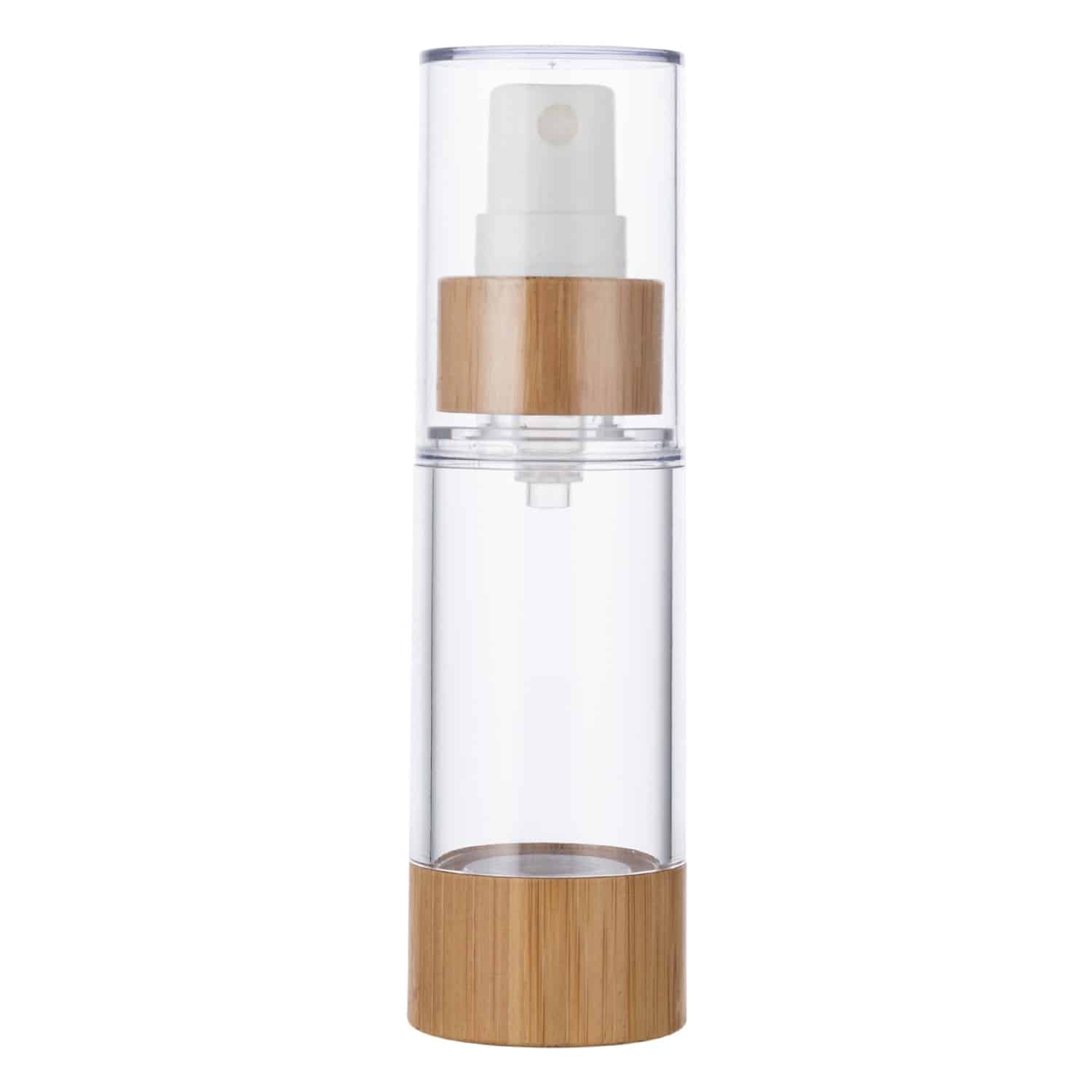
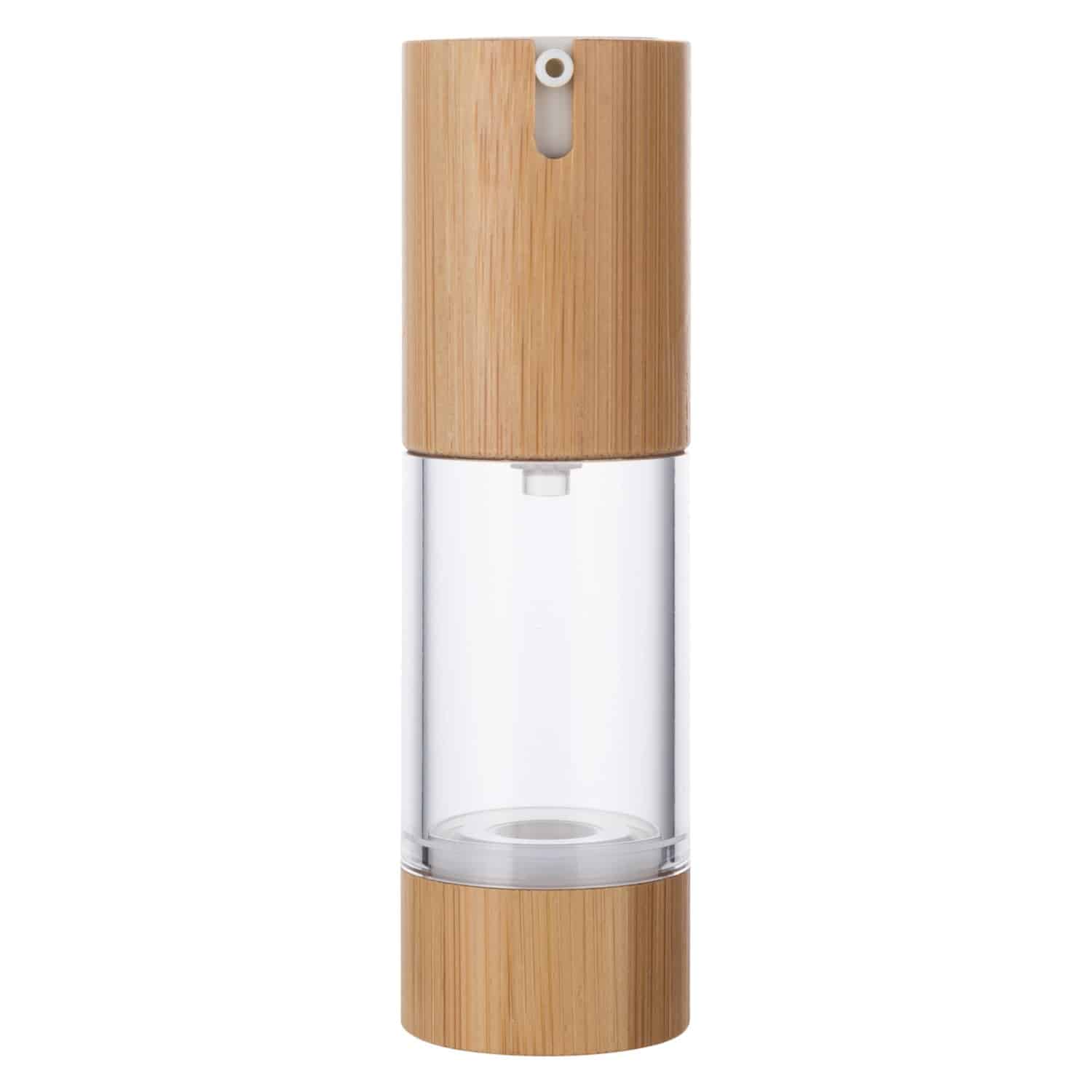
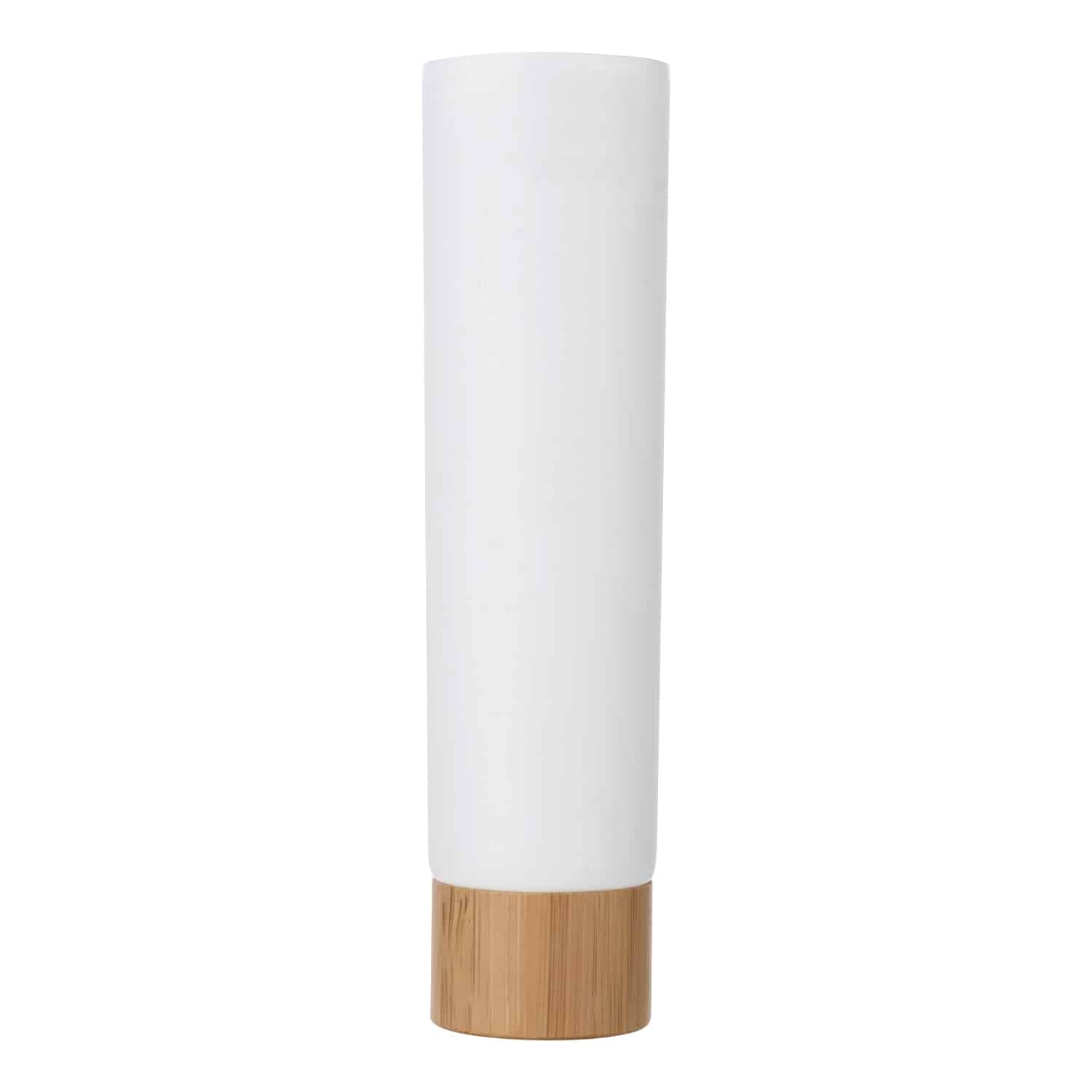
Bamboo fibers mix with plant resins. This mix makes strong composite walls. Plant blends add neat visual textures. Brands buy custom bamboo containers today. These materials support global green goals.
Why Brands Choose Sustainable Deodorant Packaging Options
Growing Demand for Eco-Friendly Personal Care Packaging
People want eco personal care goods now. Buyers check labels for green packs first. Firms use bioplastic deodorant packaging for goals. Top brands change choices to cut oil.
Firms use bio-based plastics for less waste. Suppliers make strong plant sticks for brands. Custom styles keep items looking very nice. The table shows how firms meet goals.
| Brand / Company | Packaging Material & Design Initiatives | Quantitative / Target Alignment |
|---|---|---|
| Estée Lauder | Incorporates recyclable bioplastics and removes redundant packaging elements. | Targets up to 50% Post-Consumer Recycled (PCR) content in packaging by 2025. |
| Aveda | Utilizes post-consumer recycled HDPE plastic containers. | Achieves at least 80% PCR content in ~90% of its HDPE bottles; uses 100% renewable energy. |
| Seed Phytonutrients | Uses 100% PCR paper outer packaging paired with a PCR plastic inner liner. | Cuts plastic usage by 60% relative to standard bottles; fully recyclable. |
Supporting Sustainable Beauty and Grooming Markets
The eco beauty market grows very fast. Green buyers push suppliers for plant packs. Companies buy these green stick holders today. They fit clean care trends and buyers.
| Market Metric | Value |
|---|---|
| 2025 Market Valuation | USD 33.9 Billion |
| 2035 Projected Revenue | USD 87.5 Billion |
| Forecast Compound Annual Growth Rate (2026–2035) | 10.3% |
Fast sales growth pushes crop pack use. Makers build strong bio containers for demand. These plant cases shield formulas from wetness. Brands gain true buyer loyalty this way.
Frequently Asked Questions About bioplastic deodorant packaging
Is Bioplastic Deodorant Packaging Better Than Plastic?
Green plant containers beat old oil items. Plants make bioplastic deodorant packaging from crops. Sugarcane and corn grow in farm fields. These green crops take in air pollution. Old plastic needs oil from deep underground.
Plant resins stay very strong today. Beauty brands trust these safe green containers. Factory checks show plant cases resist water well. They match old plastic strength and protect formulas.
Can Bioplastic Deodorant Containers Be Recycled?
Recycling depends on your exact plant material. Bio-PE matches old plastic chemical rules. Local plants process bio-PE in normal lines. People toss them in home green bins.
Special resins need distinct sorting lines today. Mixed plant plastics spoil normal recycling streams. Simple designs help workers sort trash fast. Clear labels tell buyers how to recycle.
Are Bioplastic Deodorant Containers Biodegradable?
Plant cases do not rot in backyards. PLA items need special hot composting sites. ISO tests show PLA rot needs exact steps. Tests need hot 58 °C air heat. They need wet air over 90 days.
Big composting centers control all processing heat. Key steps ensure full polymer decay:
- Environmental Factors: PLA needs hot air and high moisture.
- Regulatory Standards & Certification: Strict standards demand safe breakdown without bad residue.
- Compostable vs. Biodegradable: Compostable items rot fast into rich plant soil.
Our Sustainable Deodorant Packaging Solutions
Custom Bioplastic Deodorant Packaging Container Manufacturing Services
GIDEA acts as a B2B supplier. We are a custom maker. We craft bioplastic deodorant packaging options for brands. Our modern plants help firms switch. They leave old oil plastics behind. Their filling lines stay unchanged. We build tough stick containers. We use plant materials like sugarcane resin. We also use PLA. Every container gets 100% leak testing. This total check ensures formula stability. It guarantees leak-proof containers for customers.
Brands select regular container shapes with colors. They can request new molds. Our team gives free design support. We bring your vision to life. We offer quick 7-day prototyping. This speeds up design reviews. Flexible minimum order quantities lower barriers. Emerging firms can test markets easily. Established beauty firms launch eco lines fast.
Complete Packaging Solutions for Beauty Brands
New green beauty brands face supply issues. This happens during business growth. GIDEA provides turnkey manufacturing solutions. We streamline all global operations. We keep very strict quality standards. Our full approach helps care firms. We guide designs to final delivery.
Using one full-service supplier brings key benefits:
- End-to-End Consolidation: Joins creation, compliance, and checks.
- Integrated Logistics & Fulfillment: Blends storage, tracking, and shipping.
- Single Point of Accountability: Cuts handling steps with one vendor.
Our full packaging series meets rules. It follows FDA and ISO standards. We help global beauty brands. They meet green goals easily. We shield formula safety well. Contact our team for custom samples. Start your next wholesale project today.
Beauty brands switch to plant jars. This cuts carbon waste fast. New bio jars stay very strong. They stop leaks completely today. Formulas stay safe on shelves. Ditching oil helps firms shield products.
Clear steps help users toss empties right. Good sorting moves items to real recycling. Some go to big compost centers. Clear rules build better green loops.
Brands and buyers must pick smart jars. Top suppliers follow strict safety rules. They promise high performance always. Using bioplastic deodorant packaging shields our Earth. Products still keep great quality.