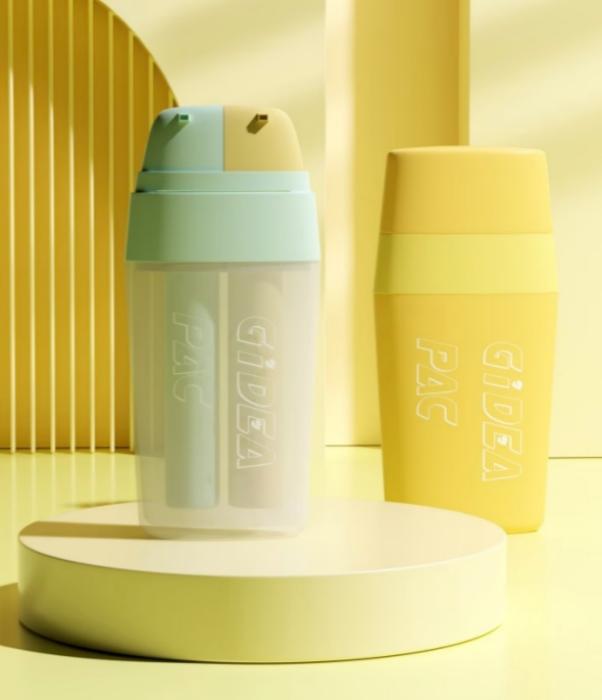
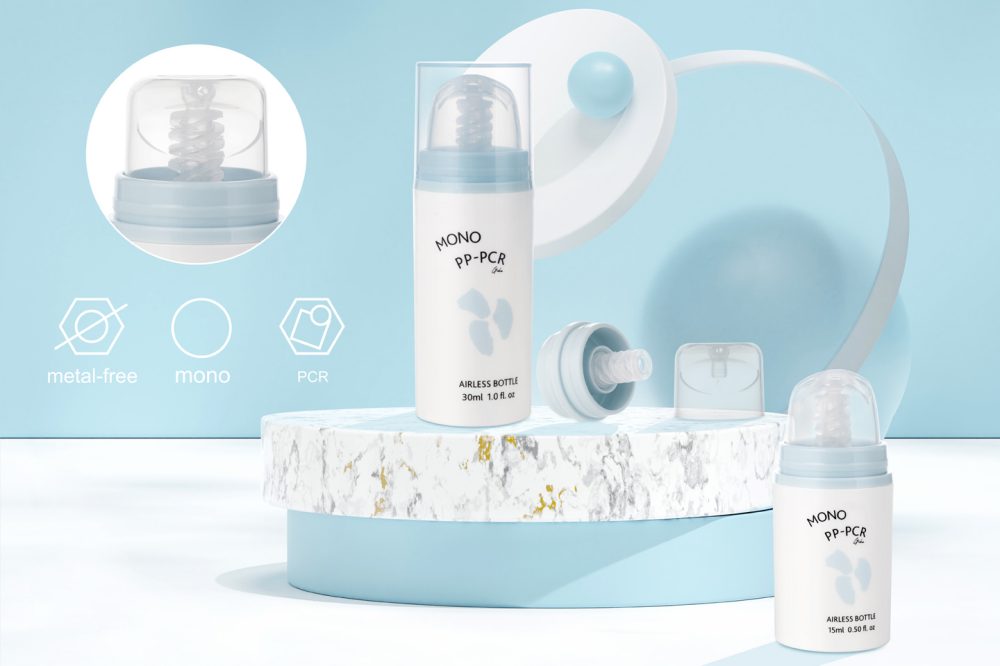
Mono-materials are packages made from just one material type, like a single plastic resin, paper, or metal. They are not made from several layers that cannot be separated. This difference matters for beauty packaging. Pumps, tubes, and compacts often mix plastic, metal springs, and coatings. That mix makes recycling harder. Mono-material designs keep every part in one material family. This way, the package can go into a single recycling stream. The main question is simple: can mono-materials make beauty packaging easier to recycle without losing performance? The answer depends on barrier needs, equipment compatibility, and cost. This post looks at each factor in turn.
Key Takeaways
- Mono-materials use just one kind of material for the entire package, which makes recycling simpler.
- Mono-materials make sorting easier and create cleaner recycled plastic.
- Mono-materials might not keep products as safe as packages made from multiple materials.
- Brands can design products for recycling by choosing mono-materials and staying away from mixed materials.
- Mono-material packaging is becoming more popular and helps make recycling claims clear.
What Are Mono-Materials in Sustainable Beauty Packaging?
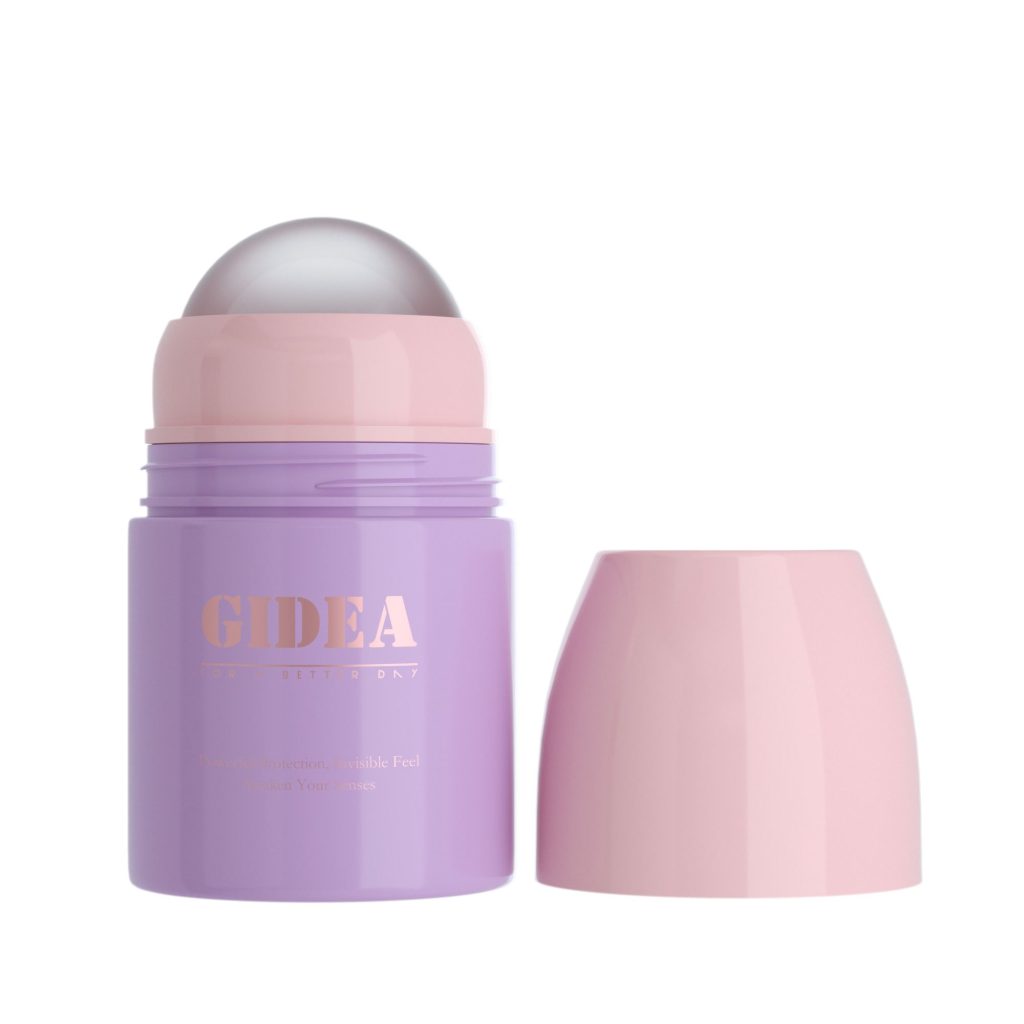
Mono-materials are packages made from just one kind of material. That material can be plastic, paper, or metal. Every part of the package stays in one recyclable material family. The cap, the body, and the label all belong to the same stream. A recycling center can then process the whole item as one unit.
This definition sounds simple. Still, its real value is big. Beauty packaging often fails at the sorting stage. A tube with an aluminum barrier layer, a pump with a metal spring, and a compact with a mirror all mix material families. Each part must be separated before recycling can start. Mono-material designs remove that separation step by design.
How Mono-Material Packaging Differs From Multi-Material Packaging
Multi-material packaging combines layers or parts that do not mix. A common example is a plastic tube with an inner foil layer. The foil improves barrier performance. It also makes the tube hard to recycle. Centers must split the plastic from the foil first. Many centers cannot do this at scale, so the package goes to landfill or energy recovery instead.
Mono-material packaging avoids this problem. The package holds one material family from surface to core. Sorting equipment spots it quickly. The recycled output is cleaner, too. Contamination from mixed layers lowers the quality of recycled resin. A single-material stream keeps that quality higher.
Why the Single-Stream Design Improves Recycling Results
The recycling benefit comes from compatibility. Product and packaging parts do not need separation to be recycling-compatible. A mono-material bottle with a matching cap can enter the recycling stream as one item. The cap and bottle melt together without making a mixed output.
This compatibility also supports clearer environmental claims. A brand can say that a package is recyclable in streams that accept that material. The claim rests on the material family, not on a separation process the consumer cannot do. Consumers get a simpler instruction: place the whole package in the correct bin.
Mono-Materials do not solve every packaging challenge. Barrier needs, decoration, and dispensing mechanisms still shape design choices. The definition still matters, though. It gives brands a clear starting point for recyclable packaging. One material family, one recycling stream, and one simple consumer action form the core idea.
How Does Mono-Material Packaging Differ From Multi-Material Packaging?
Single-material structures reduce the number of materials used in packaging
Common mono-material types in beauty packaging come in three families. Single-resin plastic, usually PP or PE, is light and resists moisture well. It also takes color and soft-touch finishes well. Paper-based formats suit outer cartons and some tube bodies, with low weight and strong printability. Metal, mainly aluminum, brings high barrier and a premium feel at a higher weight.
Each type fits specific formats. Single-resin plastic works well for bottles, jars, and stick packaging. Paper-based designs suit secondary packaging and refill shells. Metal fits compacts and selected bottles. Airless packaging can also use mono-material builds when the pump or closure stays in the same resin family.
Multi-material structures combine different materials for specific functions
Multi-material structures pair materials to meet a specific job. A plastic tube with a foil layer gains a stronger oxygen barrier. A pump with a metal spring gains reliable dispensing. These designs still have a place where performance demands are high.
Mono-Materials trade some of that flexibility for simpler recycling. Brands weigh that trade-off against shelf life and cost. One supplier example is GIDEA, a cosmetic packaging manufacturer since 2003. It offers bottles, jars, airless packaging, stick packaging, and bag charm packaging in PCR, OBP, bamboo, bio-based, and mono-material options, backed by ISO 9001, ISO 14001, SA8000, HALAL, and EU PPWR/REACH compliance.
Material separation can affect how packaging enters recycling systems
Recycling depends not only on the main packaging material but also on whether components can be identified, separated, and processed by local facilities. Incompatible materials that remain attached may complicate sorting, while easily removable components can make disposal clearer for consumers.
Brands should review closures, pumps, labels, adhesives, and decorative finishes when developing recyclable packaging. GIDEA, which has developed cosmetic packaging since 2003, offers customized packaging options across formats including bottles, jars, airless packaging, and stick packaging. Evaluating the complete structure helps brands determine whether mono-material packaging fits their product requirements and target recycling systems.
What Materials Can Be Used to Create Mono-Material Packaging?
Mono-material packaging uses one primary material family across compatible packaging components to support easier sorting and recycling. In beauty packaging, mono-PP, mono-PE, and mono-PET offer different combinations of stiffness, flexibility, clarity, and barrier performance. The best option depends on the product formula, package format, and local recycling infrastructure.
Mono-PP uses polypropylene as the primary packaging material
Polypropylene (PP) is lightweight, rigid, and heat-resistant, making it suitable for cosmetic jars, caps, closures, and selected stick packaging. Mono-PP designs aim to keep compatible components within the same resin family, reducing the need to separate different plastics before recycling.
PP is especially useful when a package needs structural strength and a surface suitable for printing or decoration. Brands should still assess labels, coatings, and dispensing mechanisms to confirm whether the complete package supports the intended recycling process.
Mono-PE uses polyethylene across compatible packaging structures
Polyethylene (PE) offers flexibility and moisture resistance, making it suitable for squeeze tubes, flexible packaging, and selected bottles. Its flexibility allows consumers to dispense products conveniently, while compatible PE components can help simplify material sorting.
For formulas that require stronger oxygen or moisture barriers, specialized PE structures and coatings may be considered. However, barrier performance varies by material grade and construction. Brands should test the complete package against the formula’s shelf-life requirements before replacing a multi-material design.
Mono-PET uses polyethylene terephthalate for selected packaging applications
Polyethylene terephthalate (PET) is known for its clarity, strength, and suitability for displaying product appearance. It can be considered for selected cosmetic bottles, jars, and other rigid packaging formats where visibility and structural performance are important.
Mono-PET packaging aims to use compatible PET materials across the container and other components where feasible. Brands should check the compatibility of closures, labels, adhesives, and decorative finishes with local PET recycling systems. PET is not interchangeable with PP or PE, so the resin should be selected according to the product’s functional needs and the recycling stream available in the target market.
What Role Do Mono-Materials Play in Sustainable Beauty Packaging?
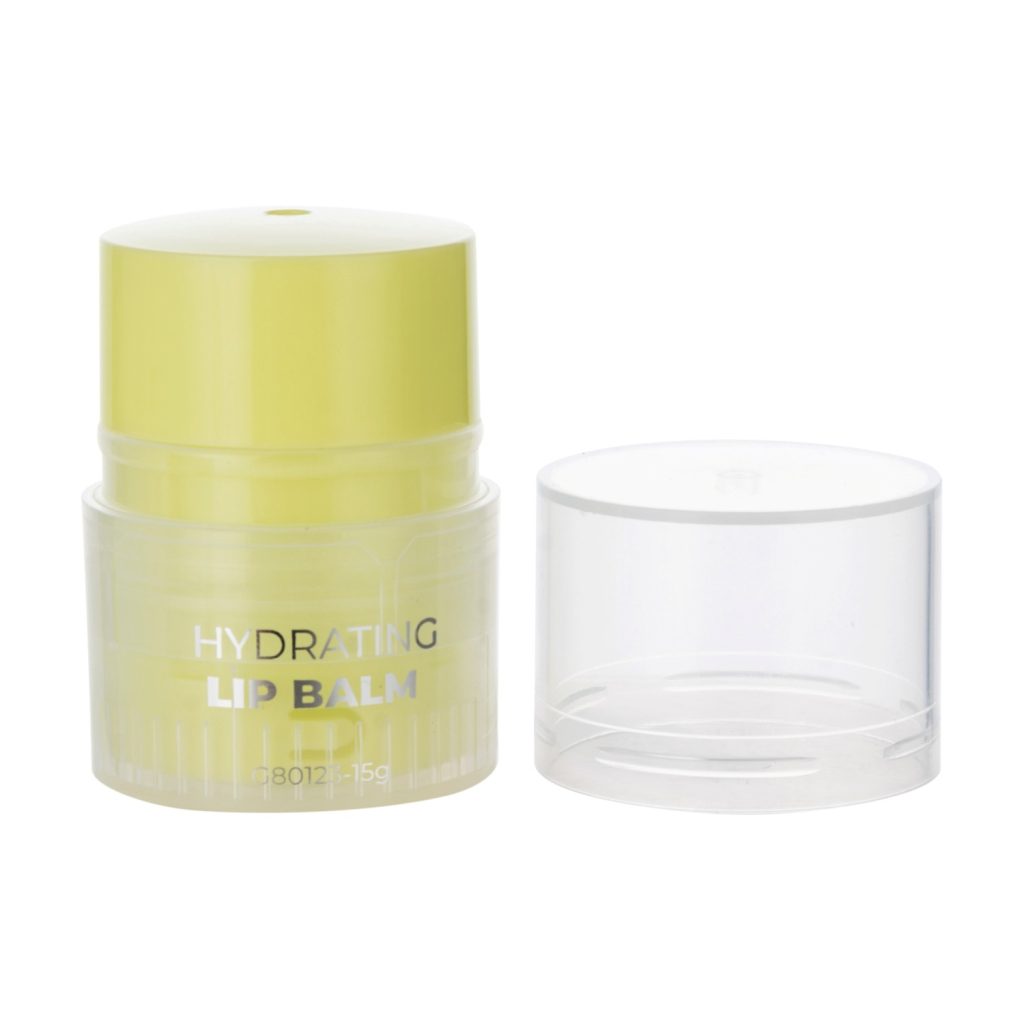
Mono-material structures can simplify material choices during packaging design
Using one primary resin family, such as PP or PE, helps brands narrow material options during cosmetic packaging development. Designers can evaluate compatible materials for the container, cap, and other components while considering product protection, decoration, and recyclability.
However, mono-material packaging must still meet practical requirements, including barrier performance, manufacturing compatibility, material availability, and unit cost. Evaluating these factors early helps brands determine whether a single-material structure suits their product.
Mono-material design can reduce complexity within packaging systems
Beauty packaging may combine containers, pumps, caps, labels, and decorative components made from different materials. These combinations serve functional and aesthetic purposes but can complicate recycling when components cannot be easily separated.
Mono-material design aims to reduce incompatible material combinations and simplify sorting. Brands can also review unnecessary components and consider removable closures or compatible labels. The goal is to maintain usability and product protection while making the packaging easier to process after use.
Material consistency can support sustainability-focused packaging development
Consistent material selection can help brands establish clearer packaging specifications and evaluate recycling options more effectively. It may also make it easier to incorporate recycled content where suitable materials are available.
For beauty brands, mono-material packaging works best as part of a broader sustainability strategy alongside lightweighting, refillable formats, and responsible material sourcing. Before making environmental claims, brands should verify the complete package construction and confirm whether local recycling infrastructure can process it.
What Are the Main Limitations of Mono-Material Packaging?
Mono-material packaging can simplify recycling, but it does not suit every cosmetic product or packaging format. Brands need to balance material consistency with sealing performance, product protection, component design, and local recycling capabilities.
One material may need to provide multiple packaging functions
In mono-material packaging, one material family may need to provide rigidity, flexibility, sealing, and a suitable surface for decoration. For example, a cap needs to fit securely, while a squeeze tube must remain flexible enough for dispensing.
These competing requirements can limit design choices. Changes to wall thickness, additives, or surface finishes may improve performance but also affect cost and recyclability. Packaging development should therefore prioritize essential functions before finalizing the material.
Barrier requirements can limit suitable mono-material structures
Oxygen, moisture, and light barriers help protect cosmetic formulations and maintain shelf life. Some mono-PP and mono-PE structures may provide less protection than specialized multilayer packaging, particularly for formulas that are sensitive to oxidation or moisture.
Barrier coatings and specialized structures may improve performance, but their compatibility with recycling requirements needs evaluation. Brands should test packaging with the intended formula and assess shelf-life requirements before switching to a mono-material design.
Packaging components can make complete material consistency difficult
A cosmetic package may include a container, pump, spring, gasket, label, and decorative finish. Even when the main container uses one resin, other components may introduce different materials that complicate recycling.
To address this challenge, brands can explore compatible closures, removable labels, and simplified dispensing mechanisms. However, these changes must preserve reliable operation, secure sealing, and the desired appearance.
Recycling outcomes still depend on local collection and recycling systems
Mono-material packaging is not automatically recyclable everywhere. Actual recycling depends on local collection programs, sorting equipment, processing capabilities, and market demand for the recovered material.
Before selecting a design, brands should check whether the target market accepts the relevant material and packaging format. Clear disposal instructions and accurate environmental claims can help consumers understand how to handle the package after use.
Our Mono-Material Packaging Approach for Beauty Brands
Sustainable material options for different cosmetic packaging requirements
Since 2003, GIDEA has developed cosmetic packaging, including bottles, jars, airless packaging, stick packaging, and bag charm packaging. Material options include PCR, OBP, bamboo, bio-based, and mono-material solutions, depending on the product format and project requirements.
Certifications and compliance documentation help brands evaluate suppliers for wholesale projects. GIDEA supports customized packaging development, with relevant quality and environmental credentials to be confirmed against specific project and market requirements.
Packaging design support for simplified material structures
Designing for recycling starts with choosing compatible materials and reducing unnecessary components. Mono-material packaging can simplify sorting when its components use the same material family and suitable recycling facilities are available. Compatible labels, closures, and decorations also help support the intended disposal process.
GIDEA supports material selection, structural customization, and packaging development to help brands balance recyclability, product protection, appearance, and production needs. Mono-material packaging is one approach alongside refillable designs, recycled content, and lightweighting; the best solution depends on the product and target market.
In-house R&D supports sustainable packaging structure development
In-house R&D supports the evaluation of packaging structures, materials, and customization options. By considering product compatibility, manufacturing feasibility, and design requirements during development, GIDEA helps brands assess suitable mono-material packaging solutions before moving toward production.
Frequently Asked Questions About Mono-Materials in Beauty Packaging
What does mono-material mean in cosmetic packaging?
Mono-material cosmetic packaging is made primarily from one material type or resin family, such as PP or PE. Using compatible materials across the container, cap, and other components can simplify recycling, depending on the package design and local facilities.
What is the difference between mono-material and multi-material packaging?
Mono-material packaging uses one main material family, while multi-material packaging combines different materials, such as plastic, metal, and paper. Multi-material structures can provide specific functional benefits, but separating their components for recycling may be more difficult.
Which materials are commonly used for mono-material packaging?
Common options include PP, PE, PET, paper, and metal, depending on the packaging format. Beauty brands may explore these materials for bottles, jars, tubes, and closures. The most suitable option depends on the required barrier properties, durability, and product compatibility.
Why are mono-materials considered more sustainable for packaging?
Mono-material packaging can make sorting and recycling easier by reducing incompatible material combinations. It may also support the use of recycled content. However, actual environmental benefits depend on package design, material production, collection systems, and local recycling infrastructure.
What should beauty brands consider before choosing mono-material packaging?
Brands should assess formula compatibility, moisture and oxygen barriers, closure performance, decoration, manufacturing requirements, and cost. They should also confirm that the complete package—not just its main container—is compatible with the intended recycling stream. Packaging samples and performance testing help verify whether a mono-material design meets product and brand requirements.ents.