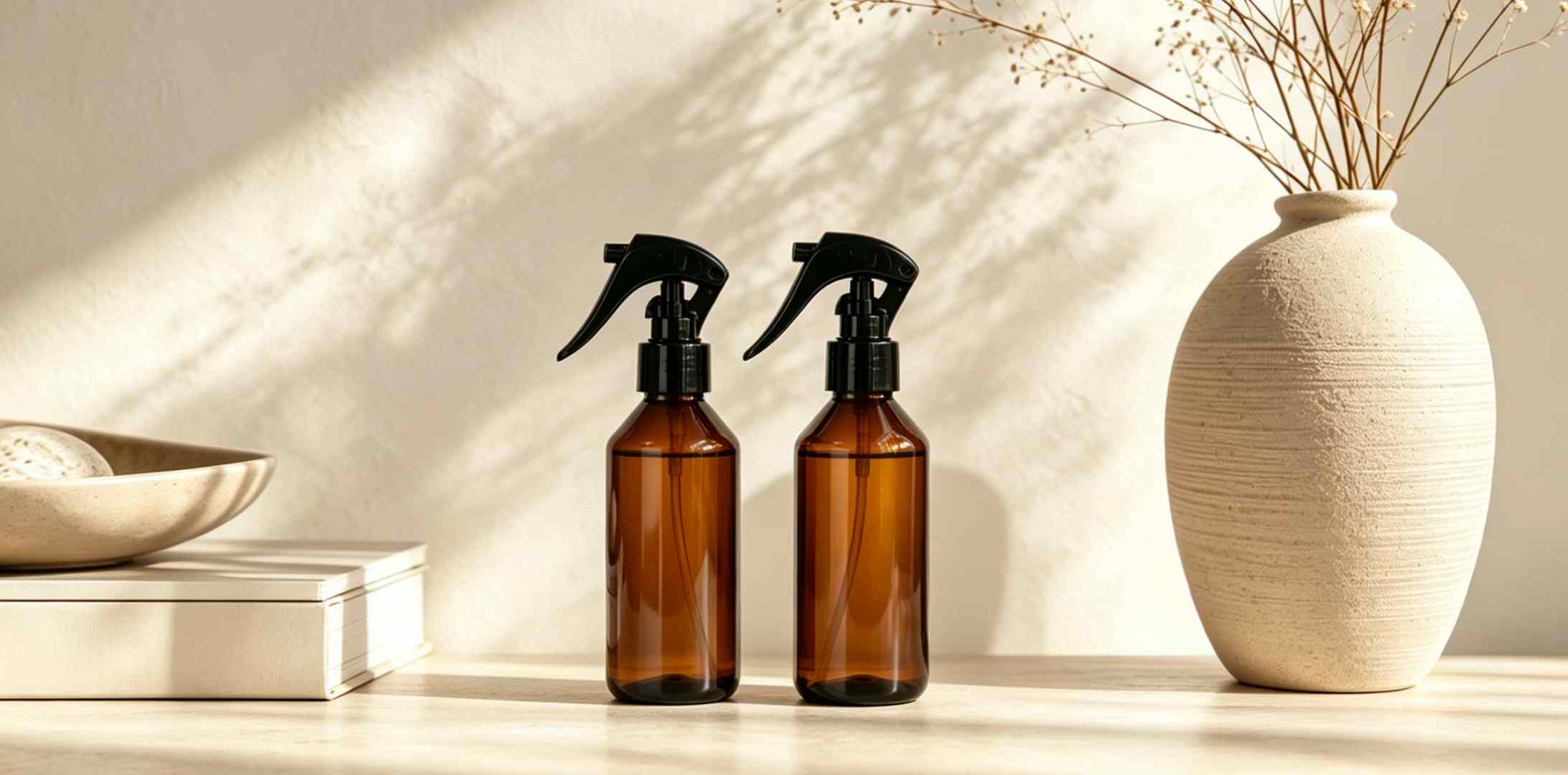
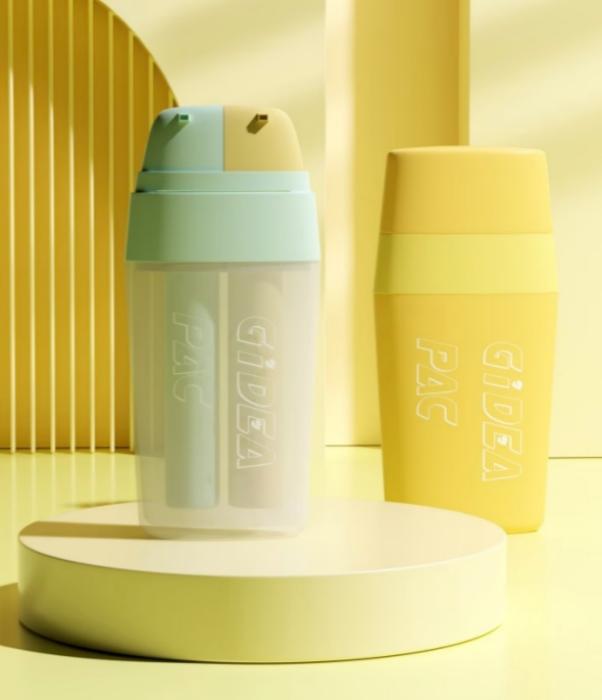
The main recyclable cosmetic bottle types are PCR, OBP, mono-material PET and PP, recycled glass, and aluminum. PCR lowers the need for new plastic resin. OBP keeps plastic away from coastal areas before it reaches the ocean. Mono-material PET and PP streams are easy to recycle widely. Glass and aluminum are highly recyclable and have a premium look. One design point matters early: PCR resin flows less easily and bends less than new plastic, so moldability shapes what a bottle can realistically do. Packaging already takes in about 40% of all plastic made, and cosmetic bottles are firmly part of that footprint. This comparison of recyclable cosmetic bottle types weighs performance, application fit, compliance, and cost, so brands can match a material to their product.
Key Takeaways
- l PCR and OBP are recycled plastics that cut down on the need for new plastic. They help keep plastic waste out of the environment.
- l Bottles made from just one kind of plastic, like PET or PP, are the easiest to recycle. Don’t mix different materials together.
- l Design choices like matching caps and labels to the bottle material help recycling work better.
- l Brands should check if the formula works with the material, local recycling rules, and costs when choosing a bottle material.
What Types of Materials Are Used in Recyclable Cosmetic Bottles?
Two things decide how a bottle acts at the end of its life. The first is the material: PET, PP, HDPE, glass, and aluminum each go into different recycling streams. The second is design. A mono-material bottle with parts that are easy to separate, labels that work with recycling, and closures that match moves through sorting much more smoothly. A multi-layer shell with foil decoration does not.
Recycled content and recyclability are two different ideas, and mixing them up leads to bad choices. Recycled content tells you what the bottle is made from today. Recyclability tells you what happens to it after you throw it away. A bottle can have one, both, or neither.
Recyclability creates the feedstock; recycled content creates the demand. You cannot have a working circular economy without both.
One warning needs to be clear. A recyclable bottle is not a recycled bottle. Real recovery depends on city collection, local processing capacity, and people taking part. EPA numbers from 2018 show 31.3% for glass containers and about 29% for PET bottles and jars and HDPE natural bottles. Design alone cannot close that gap.
PCR plastic provides recycled post-consumer material for cosmetic bottles
PCR means post-consumer resin: plastic that people have already used, then collected, sorted, cleaned, and reprocessed into new pellets. Common cosmetic formats include shampoo and body wash bottles, single-wall jars, Boston round bottles, and HDPE containers.
The material comes with a real trade-off. PCR flows less easily and stretches less than virgin resin, so wall thickness and finish design often need changes. Used well, it cuts fossil fuel demand and keeps material in use.
OBP offers an alternative recycled material for cosmetic bottle packaging
Ocean-bound plastic is waste collected within 50 kilometers of a coastline, where poor handling could send it into the sea. It is rarely plastic pulled from the water. Most OBP resin comes from inland collection in high-risk coastal areas.
Performance varies by grade. Impact strength, melt flow, and appearance depend on how well sorting and compounding are done. Traceability matters here: credible OBP claims rest on certification such as Zero Plastic Oceans or OceanCycle, backed by third-party auditing of origin.
rPET provides recycled content for selected cosmetic bottle applications
Recycled polyethylene terephthalate (rPET) is made from recovered PET materials and can be used in selected cosmetic bottles. Its clarity and strength make it an option for packaging formats where product visibility and a familiar bottle appearance are important.
However, rPET quality can vary depending on the recycled feedstock and processing method. Brands should assess color consistency, transparency, mechanical strength, and compatibility with the intended formula before choosing rPET bottles.
Virgin plastic remains suitable for specific cosmetic packaging requirements
Virgin plastic is made from newly produced polymer resin rather than recycled feedstock. Materials such as PET, PP, and HDPE offer predictable processing and consistent physical properties, making them suitable for cosmetic bottles with specific appearance, durability, or product-protection requirements.
For sensitive formulations or demanding packaging specifications, virgin plastic may remain a practical option. Brands can also consider combining virgin and recycled resin where technically suitable, reducing virgin material use without compromising essential packaging performance.
How Does PCR Affect the Recyclability of Cosmetic Bottles?
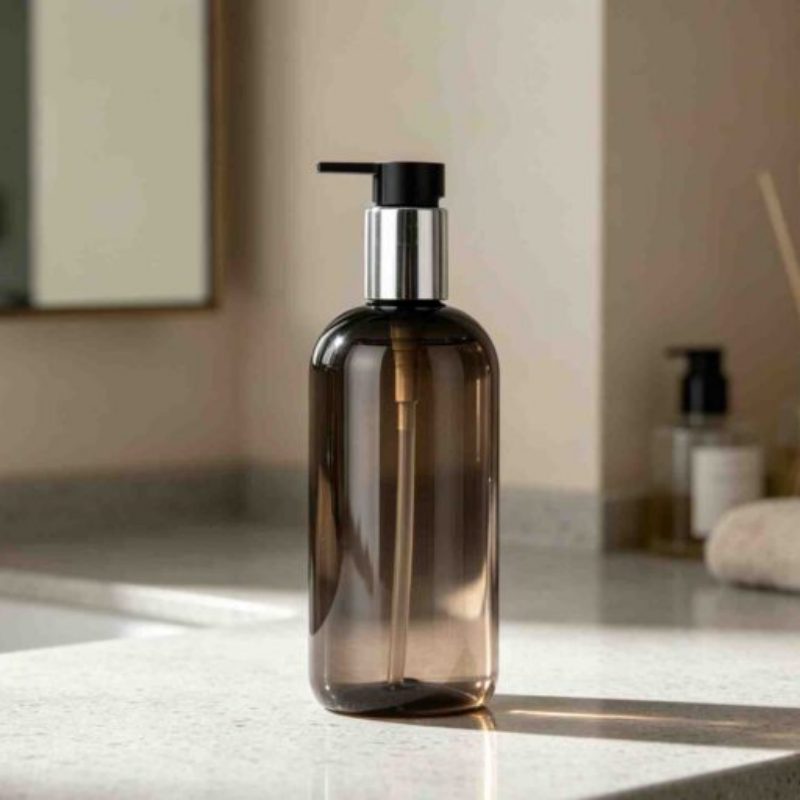
PCR is plastic resin made from items people have already used. Bottles and containers are collected, sorted, cleaned, and turned into new pellets. This is not the same as post-industrial scrap, which never reached a consumer.
PCR usually makes up only part of a bottle. A bottle with 30% PCR has 30% recycled content and 70% virgin resin.
PCR content can support recycled material use in recyclable bottle designs
PCR content and recyclability are two separate things. Recycled content lowers the need for new resin. Recyclability decides what happens to the bottle after use. A well-designed PCR bottle can do both.
The technical trade-off is real. PCR resin flows less easily and stretches less than virgin resin, so it is harder to mold. Wall thickness and finish design may need changes. Appearance shifts too: clear PCR can turn slightly gray or yellow above about 35% PCR content, and designers must plan for that in the bottle look.
Application fit is broad. Creams, lotions, and liquids all work in PCR bottles, and these bottles are usually accepted in city recycling programs. Compliance still needs attention. Brands should check food-contact and safety rules, back recycled-content claims with paperwork, and follow EU frameworks such as PPWR and REACH. PPWR sets minimum recycled content targets for most plastic packaging from 2030 and requires traceability.
Cost runs above virgin resin at the raw-material level. rPET costs roughly 10% to 40% more than virgin PET, rHDPE about 5% to 25%, and rPP about 15% to 50%. Resin is only one cost part, so the finished bottle gap varies by supplier.
Bottle composition determines how PCR packaging enters recycling systems
The resin type sets the recycling stream. PCR PET, HDPE, and PP each follow their own path through sorting and processing. A mono-material PCR bottle moves through collection systems far more predictably than a multi-layer build.
Decoration and components decide the rest. Labels, sleeves, metal layers, carbon-black pigments, and incompatible adhesives can all make sorting harder. A cap made from a different polymer than the body adds another separation step. Matching closure, liner, and label to the bottle resin keeps the whole pack in one stream.
How Does OBP Relate to Recyclable Cosmetic Bottle Packaging?
Ocean-bound plastic begins as waste, not as a bottle design. It is collected along coastlines, at river mouths, and in areas with weak waste systems, usually within 50 km of the coast. Some programs focus on the first 10 km, where the risk of leakage is highest.
OBP can combine recycled material content with recyclable bottle structures
OBP resin acts much like PCR, since both come from collected household waste. Melt flow, impact strength, and color depend on how clean the input stream is and how well it is sorted. Compared with virgin resin, OBP generally flows less easily and stretches less, so wall thickness and finish design may need changes. Compared with PCR, quality varies more from batch to batch, since collection points and feedstock mix differ.
Application fit covers most cosmetic formats: shampoo bottles, lotion bottles, jars, and caps. Claims need paperwork behind them. OBP certification from Zero Plastic Oceans, plus GRS and RCS standards, gives third-party proof of origin. Brands should also keep material and recycled-content records, a supplier declaration, and delivery-specific documents to support their own regulatory filings.
Bottle components can affect the recycling potential of OBP packaging
Recycled content does not decide recyclability. The bottle structure does. An OBP body made from a single polymer, paired with a matching cap and a compatible label, moves through sorting far more predictably than a multi-material build. Mismatched closures, full-body sleeves, and metallized decoration add separation steps and lower recovery.
Cost drivers differ from PCR. Collection logistics in coastal regions, sorting labor, flake cleaning, and certification of origin all add expense. Regional processing helps offset freight. Expect OBP pricing to sit near or above PCR, with the certification layer as a distinct line item.
What Should Brands Consider When Choosing Recyclable Bottle Materials?
Cosmetic formula compatibility should guide recyclable bottle material selection
The formula decides the bottle before anything else does. Sunscreens, retinoids, vitamin C serums, and natural emulsions react to light, oxygen, and trace contaminants. These products need tighter barrier, extractables, and preservative standards than most packaging categories. Brands should ask suppliers for compatibility data on similar formulas, covering oil content, pH, actives, and solvent levels. For PCR bottles, request migration testing against the actual formula.
Glass is widely regarded as chemically resistant under typical storage conditions and is commonly used where packaging compatibility is carefully evaluated. Some plastics may degrade over time or under heat, which is why material compatibility is considered during product development.
Mono-material PET and PP handle many lotions and liquids well, and PET is widely recyclable. Aluminum gives an excellent light and oxygen barrier for sunscreens and retinol, yet it needs internal coatings to prevent interaction with acidic formulas. Those coatings and mixed-material pumps can complicate sorting. A barrier system must serve the formula without breaking recyclability.
Bottle strength and protection should match the intended product application
Each material protects in a different way. Glass carries premium weight in hand and protects most formulas well, but it is fragile and heavy to ship. Aluminum is light and robust, though it dents easily. PCR plastic keeps normal plastic barrier properties and suits bottles, tubes, and jars where weight, price, or format drive the choice. A pack that fails to protect the formula creates waste, whatever its material.
Adjacent options deserve a brief look. rPET follows the same recycling path as PET. Bamboo and bio-based materials offer renewable feedstock, though lower heat and chemical resistance can limit use with oily or active-rich formulas. Refillable systems cut material use per cycle and need a durable outer shell. On compliance, check recycled-content claims, food-contact rules, and EU frameworks such as PPWR and REACH. On cost, recycled streams generally run above virgin resin, and glass adds freight weight.
Recycled content goals should align with the complete packaging structure
Brands should evaluate recycled content across the complete cosmetic bottle structure, including the bottle, cap, pump, label, and liner. For example, a PCR PET bottle with a multi-material pump or incompatible closure may create additional recycling challenges.
To support better recyclability, brands can simplify component combinations, choose compatible materials, and consider easily removable labels and closures. This helps balance recycled content targets with the recycling potential of the finished packaging.
Target markets can influence recycling and packaging material considerations
Recycling infrastructure and packaging regulations vary across markets. Brands should check local recycling capabilities, material restrictions, and labeling requirements before selecting bottle materials for international sales.
For brands entering the EU market, Regulation (EU) 2025/40, known as the Packaging and Packaging Waste Regulation (PPWR), has applied since August 12, 2026, with certain requirements taking effect in phases. REACH Regulation (EC) No 1907/2006 also sets requirements for managing chemical risks and restricting certain substances. Reviewing these regulations early helps brands make more suitable material and packaging design decisions.
How Can Cosmetic Bottle Design Support Better Recyclability?
Material choice determines the recycling stream, while bottle design affects how easily packaging can enter that stream. A recyclable cosmetic bottle should consider its structure, components, decoration, and functional requirements together.
Simplified bottle structures can help reduce unnecessary material complexity
Mono-material construction is a practical way to improve cosmetic bottle recyclability. Bottles made primarily from one resin, such as PP or PET, can reduce the challenges of separating mixed materials during recycling. These materials also have established recycling streams in many markets.
Decoration choices matter too. Metallic coatings, complex laminations, and incompatible finishes may interfere with material recovery. Brands can use simpler printing, compatible coatings, lighter colors, and embossed details to maintain visual appeal while reducing material complexity.
Refillable and modular designs offer another option. Durable outer shells with replaceable inner containers can reduce packaging replacement, provided the components are easy to separate and have suitable recycling pathways.
Compatible components can support more consistent packaging material choices
The bottle body alone does not determine packaging recyclability. Closures, pumps, liners, sleeves, and labels should also be considered. Incompatible materials or components that are difficult to separate may complicate sorting and recycling.
For example, brands should evaluate compatible closures and labels for PET bottles and avoid problematic combinations such as PVC sleeves. Wash-off labels, suitable adhesives, and compatible printing inks can also support better recycling outcomes.
According to the Association of Plastic Recyclers (APR), incompatible labels, metallic decorations, dark pigments, and certain adhesives can negatively affect plastics recycling. Brands should review the complete packaging structure against relevant design-for-recycling guidance.
Bottle design should balance recyclability with cosmetic packaging performance
Improving cosmetic bottle recyclability should not compromise product protection or usability. Bottles still need sufficient strength to withstand filling, transportation, storage, and daily handling while protecting formulas from light, oxygen, moisture, and leakage where necessary.
Brands should evaluate wall thickness, bottle shape, and closure performance together. Reducing material can lower packaging weight, but excessive material reduction may cause deformation or leakage. The goal is to use only the material needed to meet functional requirements.
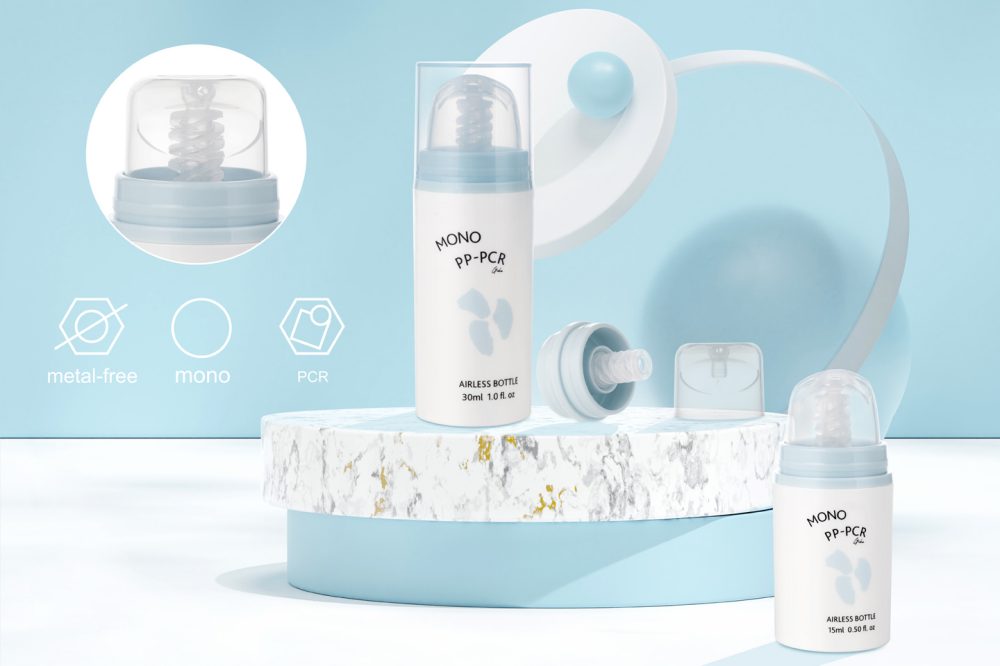
For airless bottles and pump packaging, dispensing performance and component separation also matter. Working with a cosmetic packaging manufacturer during product development helps brands balance material efficiency, packaging durability, user experience, and recyclability.
Our Recyclable Cosmetic Bottle Solutions for Beauty Brands
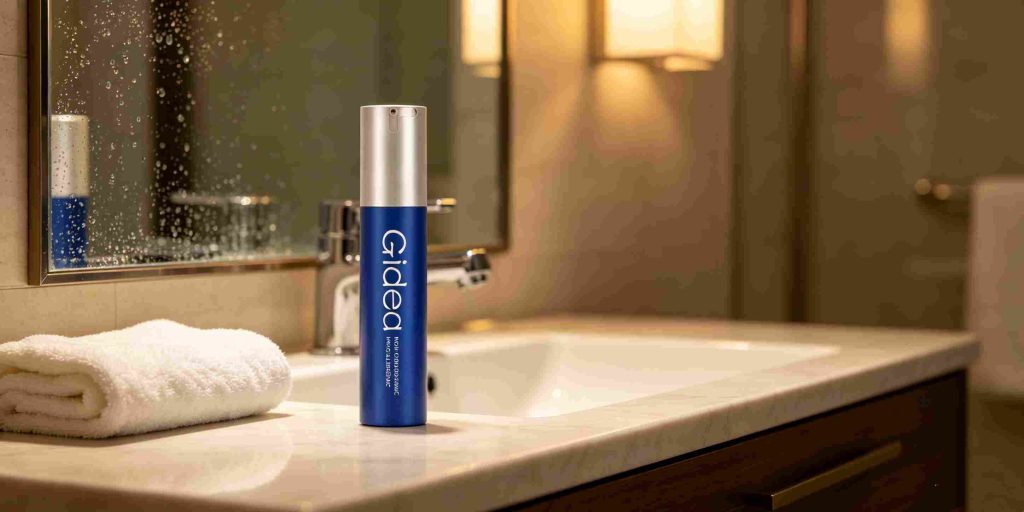
PCR cosmetic bottles for recycled-content and recyclable packaging
PCR supply varies by resin type and market, with rPET and rHDPE generally more accessible than rPP. Batch differences in color, melt flow, and odor also require quality control. GIDEA has supplied PCR cosmetic bottles since 2003, offering custom and wholesale solutions supported by in-house R&D and quality control.
OBP cosmetic bottles for recyclable beauty packaging development
OBP availability and quality depend on collection programs and sourcing. Brands should prioritize traceable materials with supporting documentation, such as relevant third-party verification. GIDEA offers custom OBP cosmetic bottles and wholesale support, backed by ISO 9001 and ISO 14001 certifications.
Recyclable design does not guarantee actual recycling. Recovery depends on local collection systems and consumer participation. Brands should verify local acceptance, support recycled-content claims with supplier documentation, and provide clear disposal instructions.
PCR suits many everyday cosmetic bottles, while OBP supports coastal-sourced material goals. Mono-material PET or PP offer additional options depending on product requirements.
A few factors can guide the final choice:
lProduct type: Match the bottle material to the formula and application.
lPerformance: Evaluate barrier protection, strength, and durability.
lCompliance: Check recycled-content claims and applicable PPWR or REACH requirements.
lBudget: Consider material, transportation, and decoration costs.
Frequently Asked Questions About Recyclable Cosmetic Bottles
What are the most common recyclable cosmetic bottle materials?
Common recyclable cosmetic bottle materials include PET, HDPE, and PP, along with recycled options such as PCR plastic, rPET, and OBP. Glass and aluminum are also used in cosmetic packaging. Each material offers different properties in terms of durability, appearance, and recycling options. The right choice depends on the product formula, packaging format, and target market.
What is PCR plastic in recyclable cosmetic bottle packaging?
PCR (Post-Consumer Recycled) plastic is made from plastic waste collected after consumer use, then sorted, cleaned, and reprocessed into new resin. PCR cosmetic bottles help reduce reliance on virgin plastic and support recycled-content goals. Available in materials such as PP, PE, and PET, PCR can also be used for jars, tubes, and airless packaging.
What is OBP and how is it used in cosmetic packaging?
OBP (Ocean-Bound Plastic) refers to plastic waste collected from coastal areas at risk of entering the ocean. It is processed into recycled resin for new packaging, including cosmetic bottles, jars, tubes, and closures. OBP cosmetic packaging provides an alternative recycled material for brands seeking to address coastal plastic waste while supporting material traceability.
Are PCR cosmetic bottles recyclable after consumer use?
Yes, PCR cosmetic bottles can generally be recycled again if the polymer and complete packaging design are accepted by local recycling systems. For example, a PCR PET bottle may enter an established PET recycling stream if its components are compatible. Recycled content alone does not guarantee recyclability, so brands should check local collection and sorting requirements.
Can recycled materials be used for different cosmetic bottle formats?
Yes. Depending on resin properties and packaging requirements, recycled materials can be used for pump bottles, dropper bottles, roll-on bottles, jars, tubes, and airless containers. GIDEA supports PCR and OBP options across different cosmetic packaging formats. Material selection should account for molding requirements, dispensing components, and formula compatibility.
What should brands consider when choosing recyclable cosmetic bottles?
Brands should evaluate formula compatibility, material performance, recycled content, and the recyclability of the complete packaging structure. Target-market regulations and local recycling infrastructure also matter. Requesting material specifications, recycled-content documentation, and relevant testing reports from a cosmetic packaging manufacturer can help verify packaging quality and sustainability claims.