2026 is a big change for beauty brands. EPR laws start in many states, and they directly affect how companies design and pay for packaging. These rules are not just ideas anymore. They are laws that can be enforced. Extended Producer Responsibility (EPR) makes companies pay for the cost of getting rid of packaging instead of local governments. This article answers three main questions: which brands have to follow the rules, how packaging design needs to change, and what steps to take now. This affects your business right away. This guide gives you useful steps to handle the new rules for Cosmetic Packaging compliance.
Key Takeaways
- EPR laws make beauty brands pay for the cost of throwing away their packaging, with fees based on weight, material, and how easy it is to recycle.
- Several states, like California, Oregon, and Colorado, will start requiring reports and fee payments in 2026, with some deadlines as early as May 31.
- Eco-modulated fees give lower costs to packaging that is lighter, made of one material, and recyclable, while charging more for complex or non-recyclable designs.
- Follow a four-step plan: check your packaging, join a Producer Responsibility Organization, redesign to make it recyclable, and talk to legal experts.
What EPR Means for Beauty Packaging Brands in 2026
Extended Producer Responsibility (EPR) shifts the cost of packaging disposal from local governments to companies placing packaging on the market. Producers typically join Producer Responsibility Organizations (PROs) and pay fees based on the type and amount of packaging they sell, helping fund local recycling and waste-management systems.
In 2026, California, Colorado, Oregon, and Maryland have moved into active implementation, with mandatory reporting and fee requirements. Six of the seven states with packaging EPR laws have major reporting milestones around May 2026, although deadlines and reporting formats vary by state.
Fee structures also differ. Oregon began charging EPR fees in 2025 at roughly $0.076–$0.77 per pound of covered material, while Colorado’s first fees are expected from 2026. California’s 2023 data submission establishes a baseline, with actual fees following later reporting.
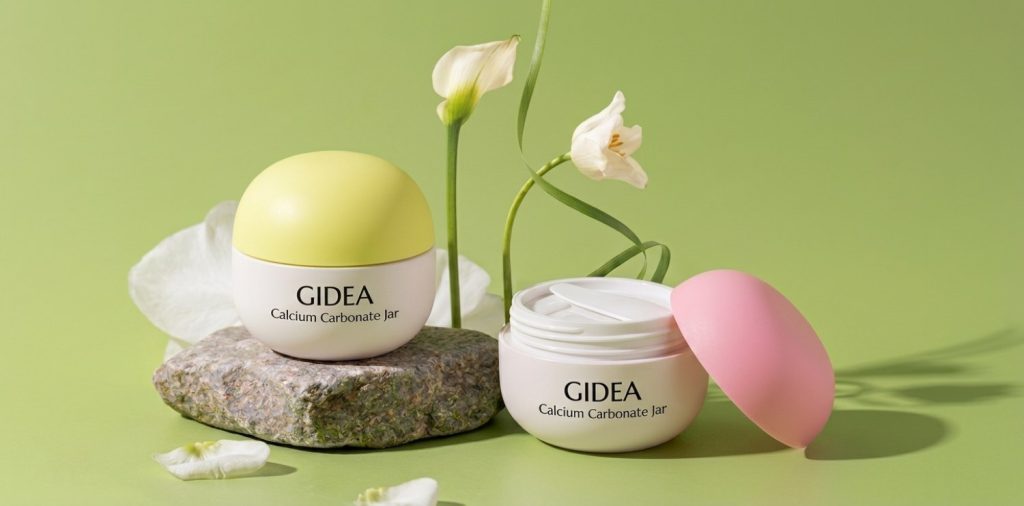
For beauty brands, cosmetic packaging choices now have direct cost implications. Packaging weight, material type, and recyclability can affect EPR fees, making lightweight, recyclable, PCR, and mono-material designs increasingly valuable. Suppliers such as GIDEA can help brands develop more sustainable beauty packaging aligned with evolving EPR requirements.
The 7-State EPR Landscape for Beauty Packaging
Seven states have passed packaging EPR laws: Maine, Oregon, California, Colorado, Maryland, Minnesota, and Washington. Each state sets its own rules for limits, deadlines, and fees. Whether you must follow the rules depends on how much packaging you sell or your revenue. Smaller brands might get a break or a slower start. Beauty brands have to carefully handle these different rules.
| State | Exemption Threshold |
|---|---|
| California | Less than $1 million in gross sales |
| Oregon | Less than $5 million in revenue, or less than one metric ton of packaging per year |
| Colorado | Less than $500,000 in revenue, or less than one metric ton per year |
| Maine | Under $5 million national gross revenue (per rule making) |
| Maryland | Under $2 million global revenue, or under one ton of covered material |
California SB 54: The Largest Beauty Packaging Market
California is the biggest beauty market in the country. SB 54 sets clear state goals to cut plastic packaging by 25% by weight and 25% in plastic parts by 2032. Producers must send 2023 data by November 15, 2025, to set a starting point. They must report 2025 data by May 31, 2026, and pay fees in early 2027.
The schedule moves fast. Producers must sign up with the PRO (CAA) by June 1, 2026. The PRO sends its program plan by June 15, 2026. CalRecycle approves the plan by January 1, 2027, and the program starts. The first California Plastic Pollution Mitigation Fund fees are due by March 1, 2027.
Pacific Northwest: OR & WA Beauty Packaging Requirements
Oregon’s Plastic Pollution and Recycling Modernization Act aims to improve recycling results. The state rewards packaging that works well in real recycling systems through fees and eco-modulation.
Producers of covered product packaging, food service ware, paper goods, and other items must join or form a state-approved PRO, contract with the PRO, pay membership fees, and provide information about materials used and their volumes. Small producers — generally under $5 million in revenue or responsible for under one metric ton of covered product — are exempt.
Washington’s WRAP Act requires producers to pick a PRO by January 1, 2026, and register with the Department of Ecology by July 1, 2026. Fees depend on volume, material type, and eco-modulation. The PRO must pay back at least 90% of recycling collection costs, fully phased in by February 15, 2032.
For beauty brands, these rules make Cosmetic Packaging choices matter for money. A manufacturer like GIDEA, a sustainable packaging supplier since 2003, helps brands meet rules with PCR plastic, rPET, and mono-material designs. Their wholesale and custom options lower fee risks while meeting state recycling standards.
Colorado & Maine: Mid-Sized Beauty Packaging Markets
Colorado and Maine have also established packaging EPR systems, creating additional requirements for brands selling beauty products and cosmetic packaging in these markets. While the covered materials and producer obligations differ, both programs make packaging data, producer responsibility, and end-of-life management important considerations.
For smaller beauty brands, exemption thresholds may reduce certain obligations, but eligibility depends on the specific state rules and producer circumstances. Brands should verify current requirements rather than applying one state’s threshold to another.
Using clearly documented materials such as PCR plastic, rPET, and recyclable packaging can make it easier to track packaging composition across different markets.
Minnesota & Maryland: Emerging Beauty Packaging Markets
Minnesota and Maryland represent newer packaging EPR markets that beauty brands should monitor as requirements develop. Minnesota’s law requires producers to participate through a producer responsibility organization and aims to increase refillable, reusable, recyclable, and compostable packaging.
For beauty brands, the key opportunity is to prepare packaging data and product specifications before requirements become fully operational. Developing sustainable cosmetic packaging with recyclable materials, PCR content, refillable formats, and clear component information can support compliance across multiple U.S. markets.
A proactive approach also makes it easier to adapt one packaging strategy to different state requirements instead of redesigning products separately for each market.
How EPR Is Reshaping Beauty Packaging Design
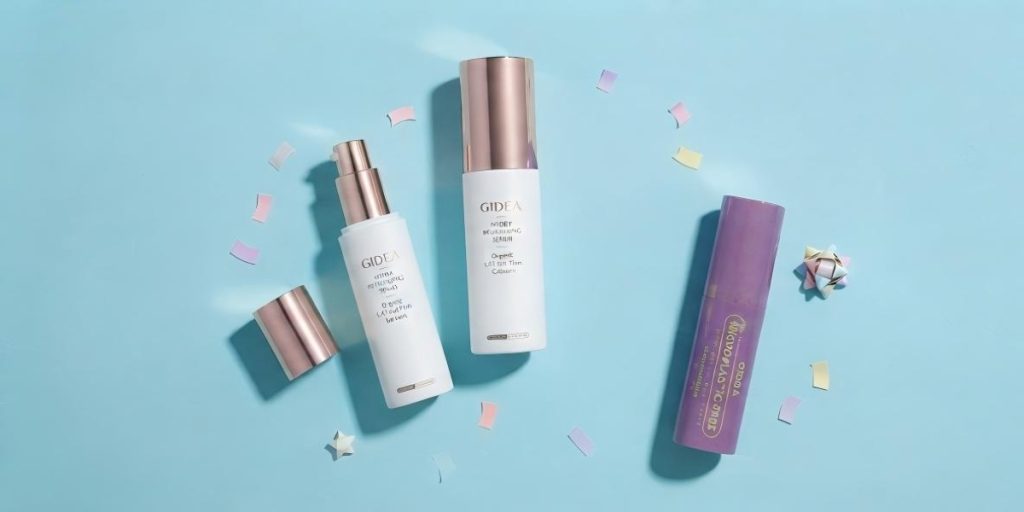
EPR is changing beauty packaging design by making brands consider what happens to packaging after use. Material selection, recyclability, recycled content, and reuse are becoming important factors in packaging development, not just aesthetic or functional choices.
Eco-Modulated Fees & Beauty Packaging Material Choices
Eco-modulated EPR fees can link packaging performance with producer costs. Packaging that is easier to recycle or contains recycled material may receive more favorable treatment, while difficult-to-recycle structures can face higher costs depending on the state program.
This makes cosmetic packaging material selection an important business decision. Brands can compare recyclability, material weight, recycled content, and end-of-life options when developing new packaging instead of focusing only on the initial unit price.
Mono-Material Beauty Packaging
Mono-material packaging reduces the number of materials used in a package, making separation and recycling simpler. Examples include mono-PP jars, mono-HDPE bottles, and mono-PE tubes designed with compatible components.
For brands preparing for EPR requirements, simplifying packaging structures can make material identification and recycling more straightforward. GIDEA develops mono-material cosmetic packaging in lightweight and customized formats for different beauty applications.
Post-Consumer Recycled (PCR) Beauty Packaging
PCR packaging incorporates recycled plastic collected from products that have already been used and discarded. Using PCR content can reduce demand for virgin plastic while helping brands increase the recycled content of bottles, jars, and other cosmetic containers.
PCR is available in different grades and percentages, so brands should consider appearance, strength, product compatibility, and application requirements when selecting recycled resin. GIDEA offers PCR packaging with options for high recycled content, depending on the product and packaging structure.
Refillable & Reusable Beauty Packaging Systems
Refillable and reusable beauty packaging extends the life of the primary container by replacing only the product or inner refill component. This approach can reduce the amount of packaging required over multiple purchase cycles while creating new opportunities for brands to build circular product systems.
Effective refill systems require durable containers, compatible refills, reliable closures, and a convenient user experience. For beauty brands, refillability should therefore be considered as part of the overall packaging architecture rather than added after the container has already been designed.
Your 4-Step Beauty Packaging EPR Compliance Roadmap
Packaging EPR requirements differ across U.S. states, covering different materials, reporting rules, fees, and producer obligations. For beauty brands, a structured beauty packaging EPR compliance process can make these requirements easier to manage and reduce the risk of inaccurate reporting.
Step 1: Audit Your Beauty Packaging Materials
Start by creating an inventory of every beauty packaging component across your SKUs, including bottles, jars, caps, pumps, labels, cartons, and inserts. Record each material type, packaging weight, recycled content, and annual volume to build an accurate EPR data set.
Pay particular attention to multi-material structures and components that may be difficult to recycle. This audit gives brands the information needed for accurate reporting and helps identify packaging that may require redesign.
Step 2: Select a Producer Responsibility Organization (PRO)
After completing the packaging audit, determine which Producer Responsibility Organization (PRO) serves your target states and whether your brand is required to participate. Compare PROs based on registration support, data reporting, fee management, state coverage, and guidance for packaging producers.
A qualified PRO can help organize state-specific reporting requirements and reduce the administrative burden of managing multiple EPR programs. Brands should still verify their own obligations and provide accurate packaging data to avoid reporting errors.
Step 3: Submit Beauty Packaging Reports & Pay Fees
Once registered with the appropriate PRO, prepare and submit your beauty packaging EPR reports according to each state’s requirements. Reports may require information such as packaging material types, weights, quantities, recycled content, and other producer data.
After reporting, producers may be responsible for paying EPR fees based on the applicable state program and packaging characteristics. Keep records of submitted data, calculations, invoices, and supporting documentation so future reporting cycles can be completed more efficiently.
Step 4: Optimize Beauty Packaging for Eco-Modulation Savings
Use EPR reporting results to identify packaging with high material use, limited recyclability, or unfavorable fee treatment. Redesign opportunities may include reducing unnecessary components, switching to mono-material cosmetic packaging, increasing recycled content, or improving packaging recyclability.
Eco-modulation can make packaging optimization a long-term cost consideration rather than a one-time compliance task. Working with a sustainable cosmetic packaging manufacturer such as GIDEA can help brands evaluate PCR, rPET, mono-material, and other packaging options while developing future-ready designs.
How Gidea Powers EPR-Ready Beauty Packaging
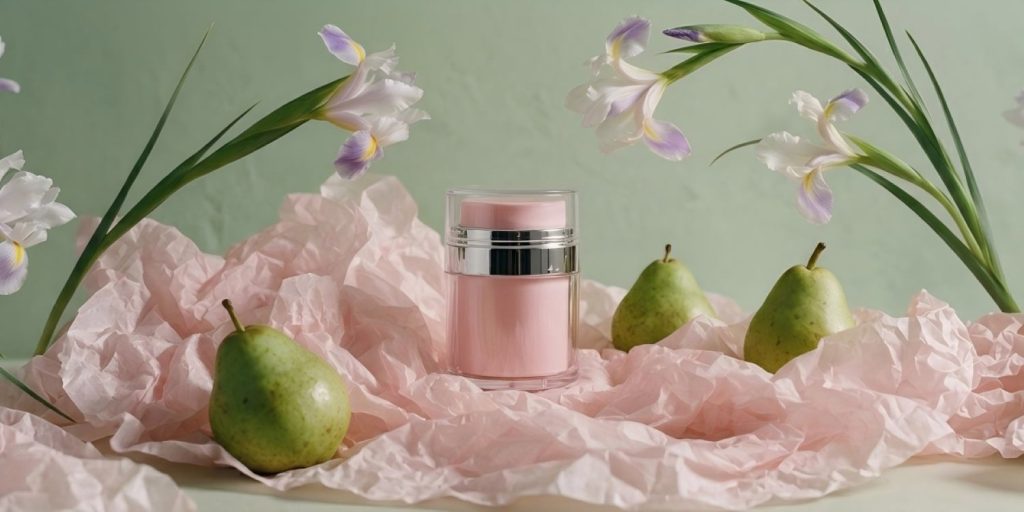
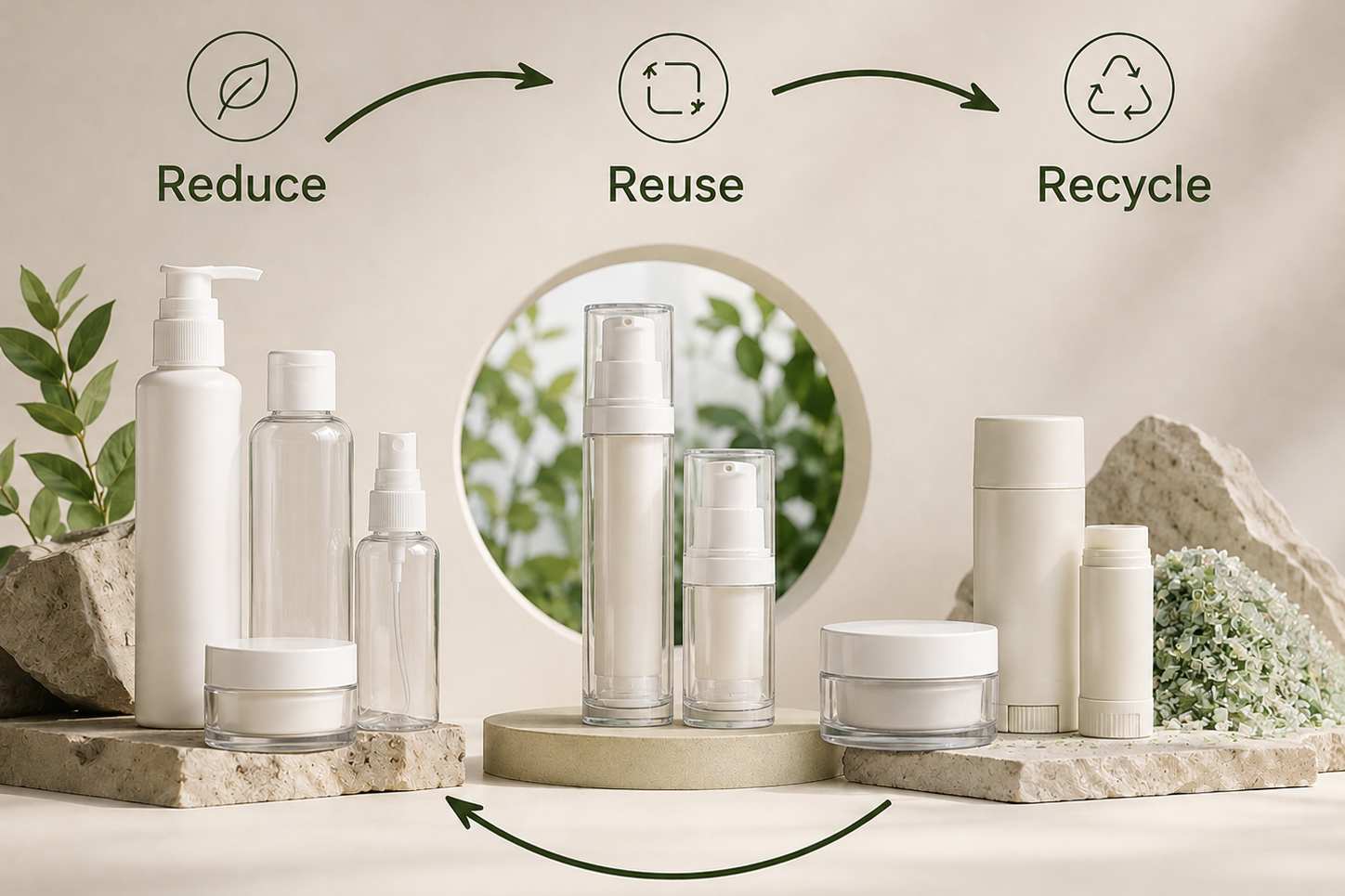
EPR is making beauty packaging design increasingly important for compliance and long-term cost control. GIDEA helps brands develop EPR-ready solutions through its 3R & 1B approach: Reduce, Reuse, Recycle, and Buy Bio-based.
Our solutions include up to 100% PCR plastic, rPET, bio-based materials, OBP, mono-material PP and PE structures, and refillable packaging. Lightweighting, metal-free components, and simplified structures can help improve recyclability while maintaining packaging performance and appearance.
GIDEA supports the process from R&D and rapid prototyping to custom manufacturing and quality control. With flexible MOQs and extensive experience serving global beauty brands, we help brands develop sustainable cosmetic packaging that is better prepared for evolving EPR requirements.
Start Your EPR Packaging Upgrade
- Audit your current packaging materials and components.
- Identify packaging with high material use or limited recyclability.
- Redesign with mono-material, PCR, lightweight, or refillable solutions.
- Work with GIDEA to develop and manufacture your customized packaging.
FAQs: EPR & Beauty Packaging in 2026
What Is EPR in Beauty Packaging?
Extended Producer Responsibility (EPR) makes brands and other producers responsible for managing the packaging they place on the market, including its collection, recycling, and end-of-life costs. For beauty brands, this can affect packaging materials, reporting, fees, and design decisions.
Do EPR Laws Apply to Small Beauty Brands?
EPR requirements can apply to small beauty brands, but some states provide exemptions or reduced obligations based on revenue, packaging volume, or other criteria. Brands should check the specific rules in each state rather than assuming that a small business is automatically exempt.
Which States Have Beauty Packaging EPR Laws in 2026?
In 2026, seven U.S. states have enacted comprehensive packaging EPR laws: California, Colorado, Maine, Maryland, Minnesota, Oregon, and Washington.
How Much Does Beauty Packaging EPR Compliance Cost?
There is no single beauty packaging EPR cost because fees vary by state, packaging material, weight, volume, and program requirements. For example, CAA reports that Oregon fee obligations began in July 2025, Colorado’s began in January 2026, and California’s are scheduled to begin in January 2027.
How Does Gidea Help With EPR-Ready Beauty Packaging?
GIDEA helps brands develop EPR-ready beauty packaging with solutions such as PCR plastic, rPET, mono-material structures, lightweight packaging, and refillable designs. These options can help brands improve recyclability and reduce material use while preparing packaging for evolving EPR requirements.