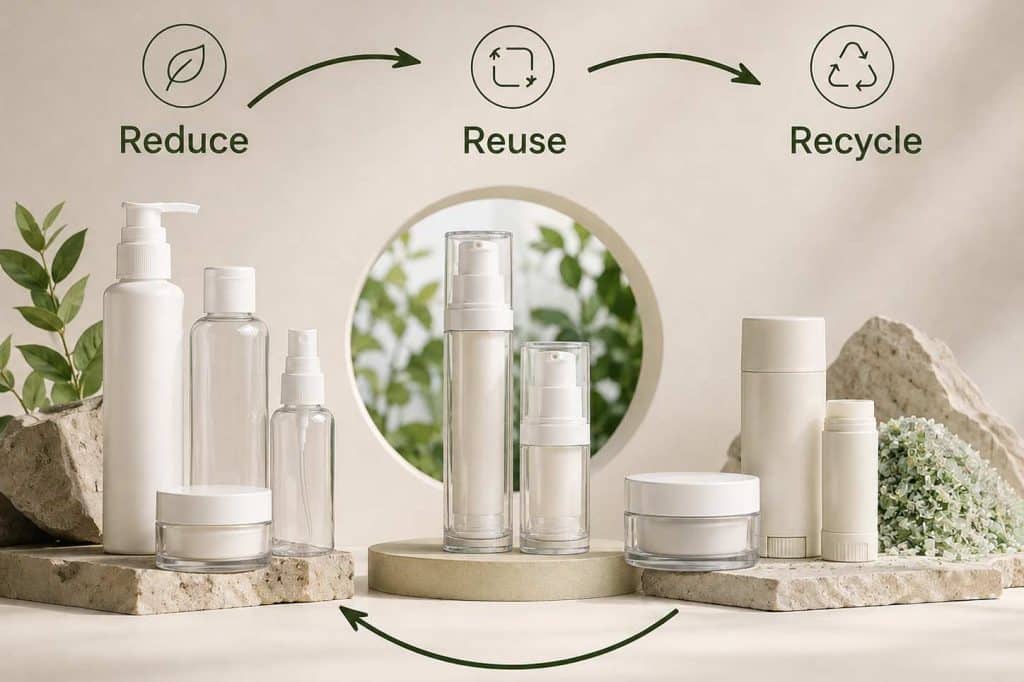
Every day, a typical person touches many packages: a coffee pouch, a shampoo bottle, a cereal box. Most end up in landfills. Sustainable cosmetic Packaging 101 means packaging that reduces environmental harm from creation to disposal. This includes low carbon footprint, renewable or recycled materials, and less waste. Circularity keeps materials circulating through reuse and recycling, avoiding landfills. Recent surveys show 82% of shoppers will pay more for eco-friendly packaging. Global packaging waste remains huge. Smart design choices can reduce this problem. Regulations also push for change. The main challenge remains: how can beauty brands design packaging that is both eco-friendly and effective?
Key Takeaways
- Use less material. Lightweight packaging cuts waste and saves money.
- Pick recycled or refillable materials. They lower carbon footprint and meet new rules.
- Set clear goals. Check your current packaging and make a plan.
- Work with a trusted partner. Look for certifications like GRS and REACH.
Sustainable Packaging Design Principles for Modern Brands
Sustainable packaging starts with design decisions made before production. Brands can reduce environmental impact by using less material, selecting more responsible materials, and designing packaging for reuse or recycling. These principles provide a practical foundation for Sustainable Packaging 101 and modern packaging development.
Reduce Material Usage Through Lightweight Packaging Design
Lightweight packaging reduces the amount of material needed for each unit while maintaining the required protection and usability. Brands can review bottle walls, dimensions, closures, and secondary packaging to identify opportunities for material reduction.
For sustainable packaging design, lightweighting should not compromise structural strength or product protection. Testing the revised design before mass production helps confirm that lower material use still meets the packaging requirements.
Select Responsible Materials for Lower Environmental Impact
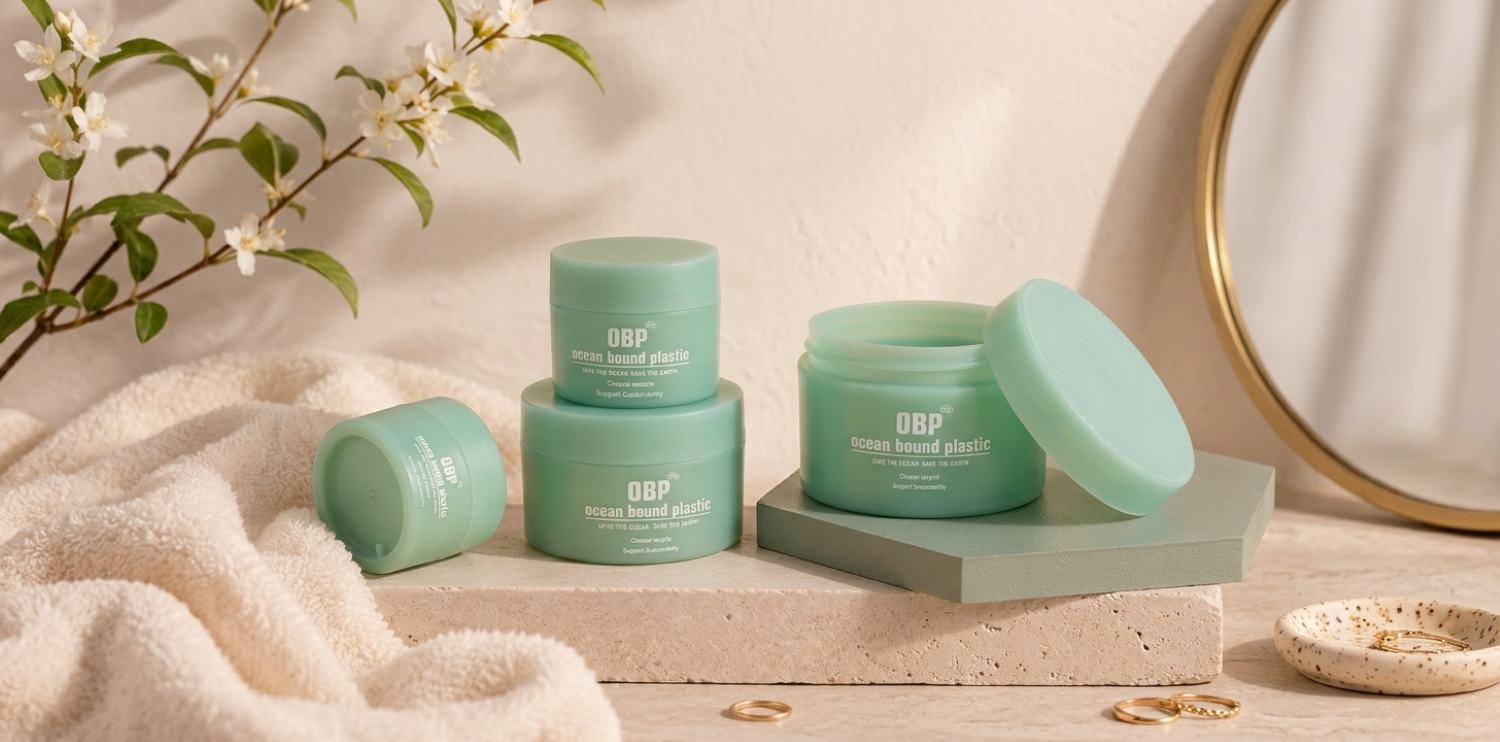
Material selection is another important part of sustainable packaging design. Brands can consider PCR, rPET, OBP, bio-based materials, and other alternatives to conventional virgin plastics according to their product and sustainability goals.
The choice should also consider material availability, packaging performance, appearance, and the recycling system in the target market. GIDEA PAC offers PCR, rPET, OBP, bamboo, bio-based, and mono-material packaging options for brands exploring different sustainable materials.
Design Packaging for Reuse Recycling and Circularity
Circular packaging considers what happens after the product is used. Refillable formats can extend the useful life of a primary package, while mono-material structures can make recycling simpler.
Good circular packaging design also considers how different components work together. Bottle materials, closures, pumps, and decorative elements should be evaluated as part of the complete packaging system rather than separately. This helps brands develop packaging with reuse and end-of-life considerations built into the design stage.
Sustainable Packaging Options for Beauty and Cosmetic Brands
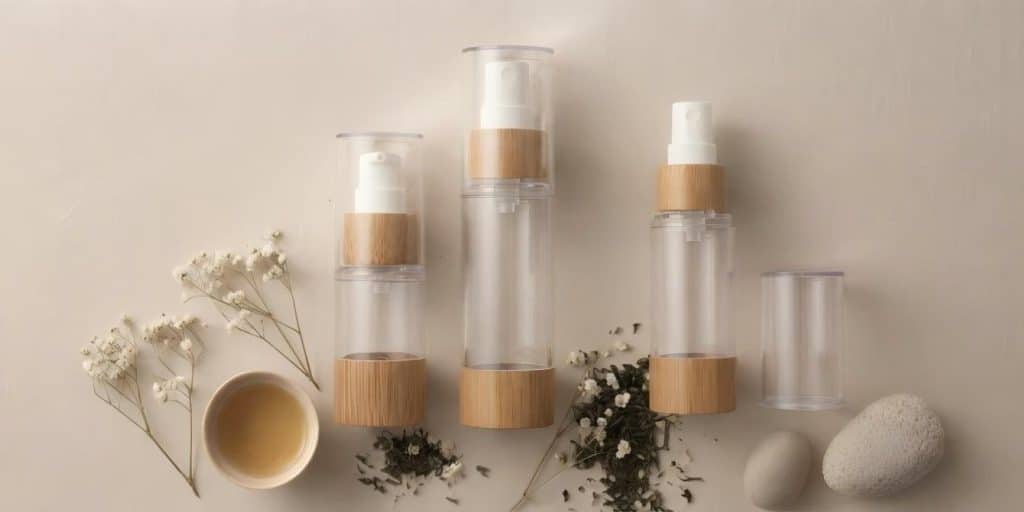
Beauty brands have a clear choice now. They can keep using single-use plastic. Or they can pick smarter designs. PCR packaging and refillable formats use less material and cut carbon footprint. They also keep waste out of landfills. These choices help brand loyalty and get companies ready for PPWR deadlines. Simple designs save money over time.
PCR Packaging Solutions for Eco-Conscious Beauty Products
PCR plastic is made from recycled consumer waste. It takes less energy to process than new plastic. This lowers the carbon footprint of each bottle or jar. PCR packaging also keeps plastic out of landfills and oceans. Beauty shoppers see this effort. About 43% of beauty shoppers look for recyclable packaging. Another 46% will pay more for sustainable features. PCR bottles and jars meet this need without losing quality.
PCR works well for many cosmetic formats. Brands can use it for shampoo bottles, cream jars, and lotion dispensers. The material works like new plastic in most cases. It also helps with regulatory readiness. PPWR rules will soon require minimum recycled content in packaging. Starting early avoids last-minute changes. Saving money comes from simple design and lighter material weight.
Refillable Packaging Designs for Long-Term Brand Sustainability
Refillable systems cut waste the most. They keep the main package in use for years. Only the refill pouch or cartridge gets replaced. This model cuts plastic and glass use by a lot. Real-world results show the impact.
| Brand | Refillable Packaging Program | Measurable Waste Reduction |
|---|---|---|
| Sephora | Beauty (Re)Purposed bins | Collected 10,860 lb of hard-to-recycle material, equivalent to ~217,000 lipstick tubes |
| The Body Shop | 800 refill stations globally | Prevented over 500,000 plastic bottles in 2022 alone |
| Kiehl’s | Refillable pouches | Use approximately 80% less plastic than standard bottles |
| Lancôme | 100 ml refill of La Vie Est Belle Elixir | Eliminates 73% glass, 66% plastic, and 61% cardboard compared with two 50 ml bottles |
| Dove (Unilever) | Stainless-steel refillable deodorant | Uses 54% less plastic per stick; broader initiative to eliminate over 20,500 tons of virgin plastic annually |
| Garnier | Ultimate Blends shampoo refills | Use 71% less plastic versus a 360 ml bottle |
L’Oréal’s internal lifecycle assessments demonstrate that transitioning to refills reduces packaging-related CO2 emissions by over 60% per product cycle.
Lifecycle studies show well-designed refills reduce packaging-related CO2 by 60% or more versus single-use formats.
Refill programs build brand loyalty. Customers come back for refills and stay connected with the brand. This habit creates repeat purchases and deeper trust. Sustainable Packaging 101 teaches that refills are a real path to circularity. They also help brands meet PPWR targets for waste reduction.
Mono-Material Packaging for Improved Recycling Performance
Mono-material packaging uses the same or compatible material family across key packaging components to make recycling more straightforward. This approach can reduce the material combinations that need to be separated after use.
For cosmetic packaging, brands should consider more than the bottle itself. Pumps, caps, labels, and decorative elements can also affect the overall recycling design. Mono-material packaging is therefore most effective when recyclability is considered across the complete package from the beginning of development.
Bamboo and Bio-Based Packaging for Natural Beauty Brands
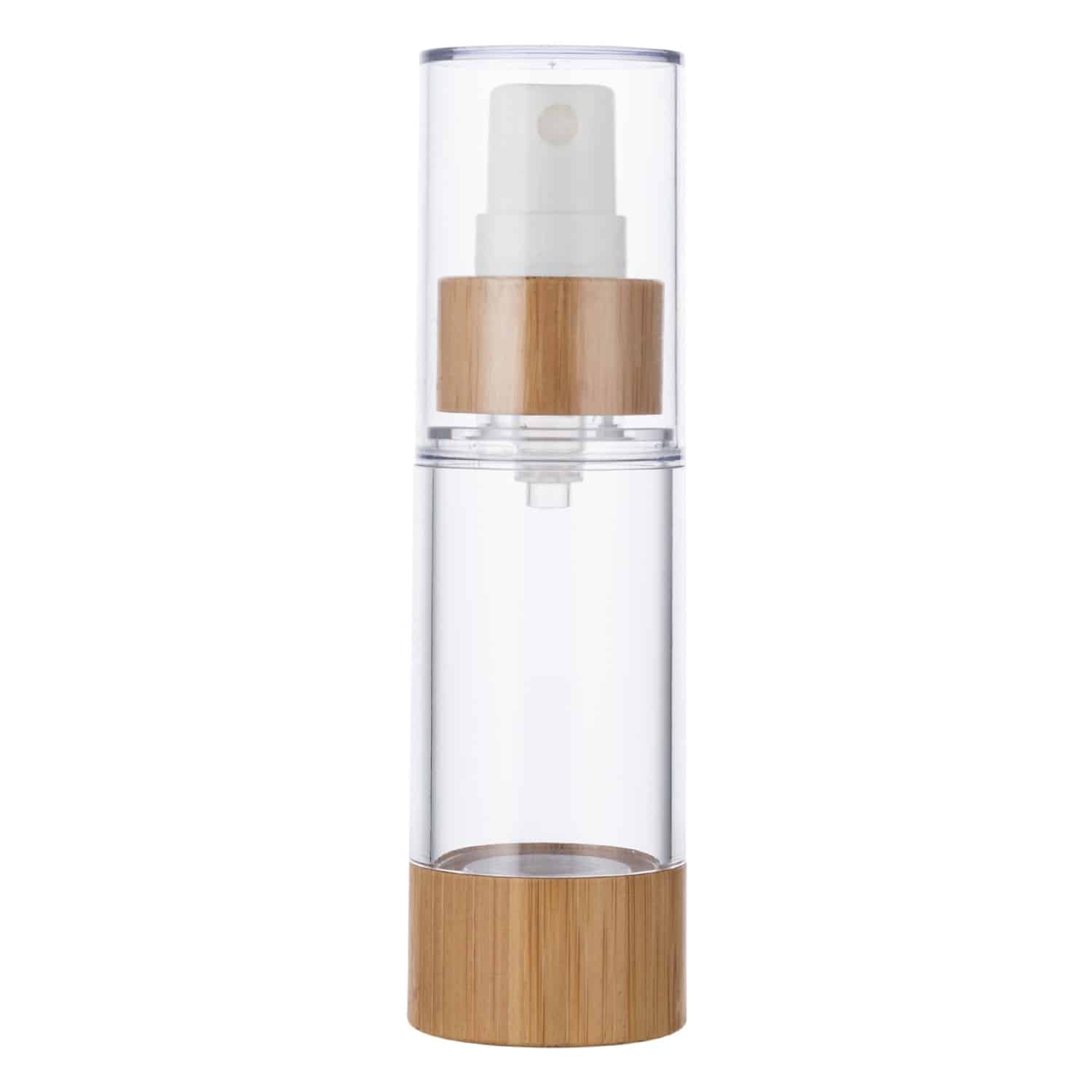
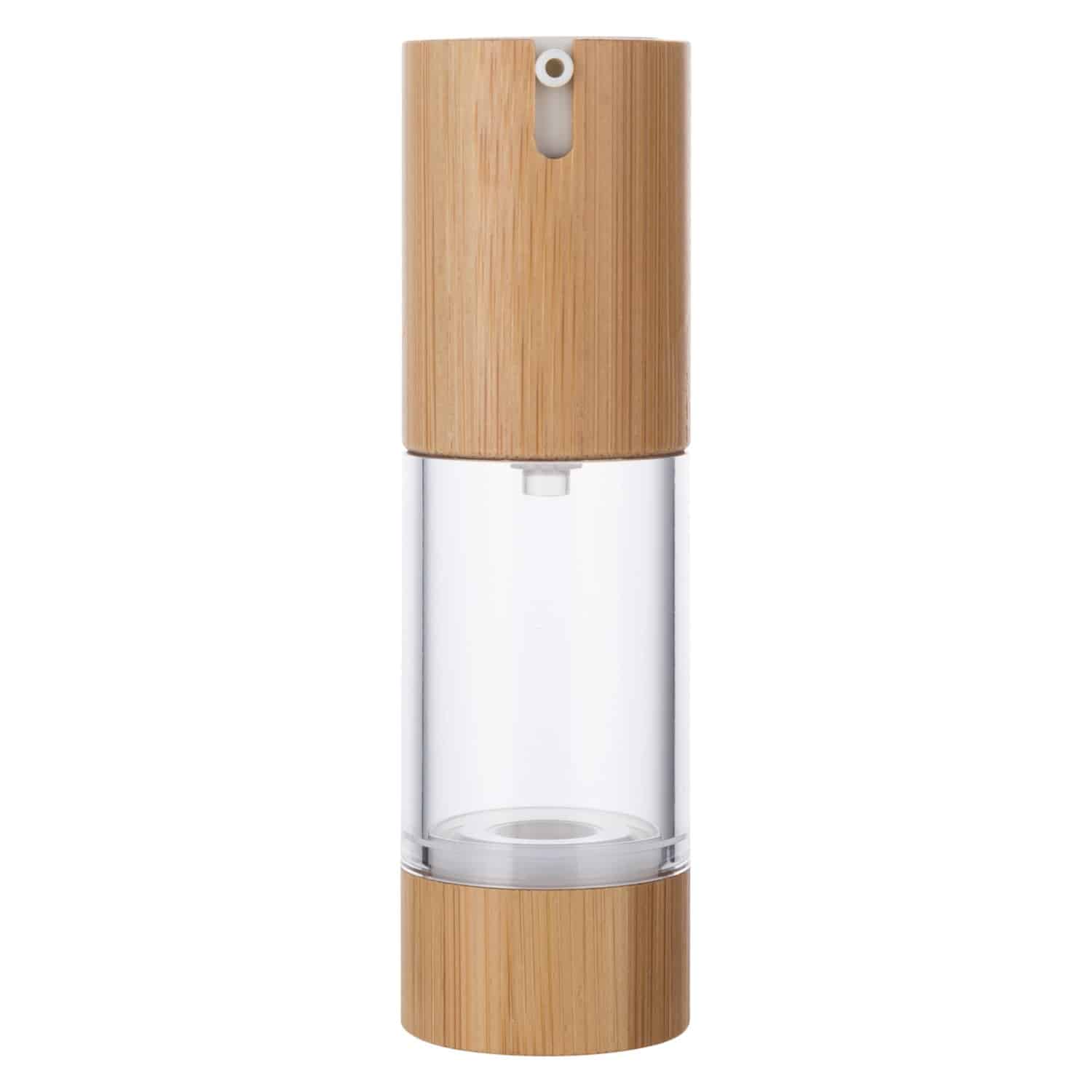
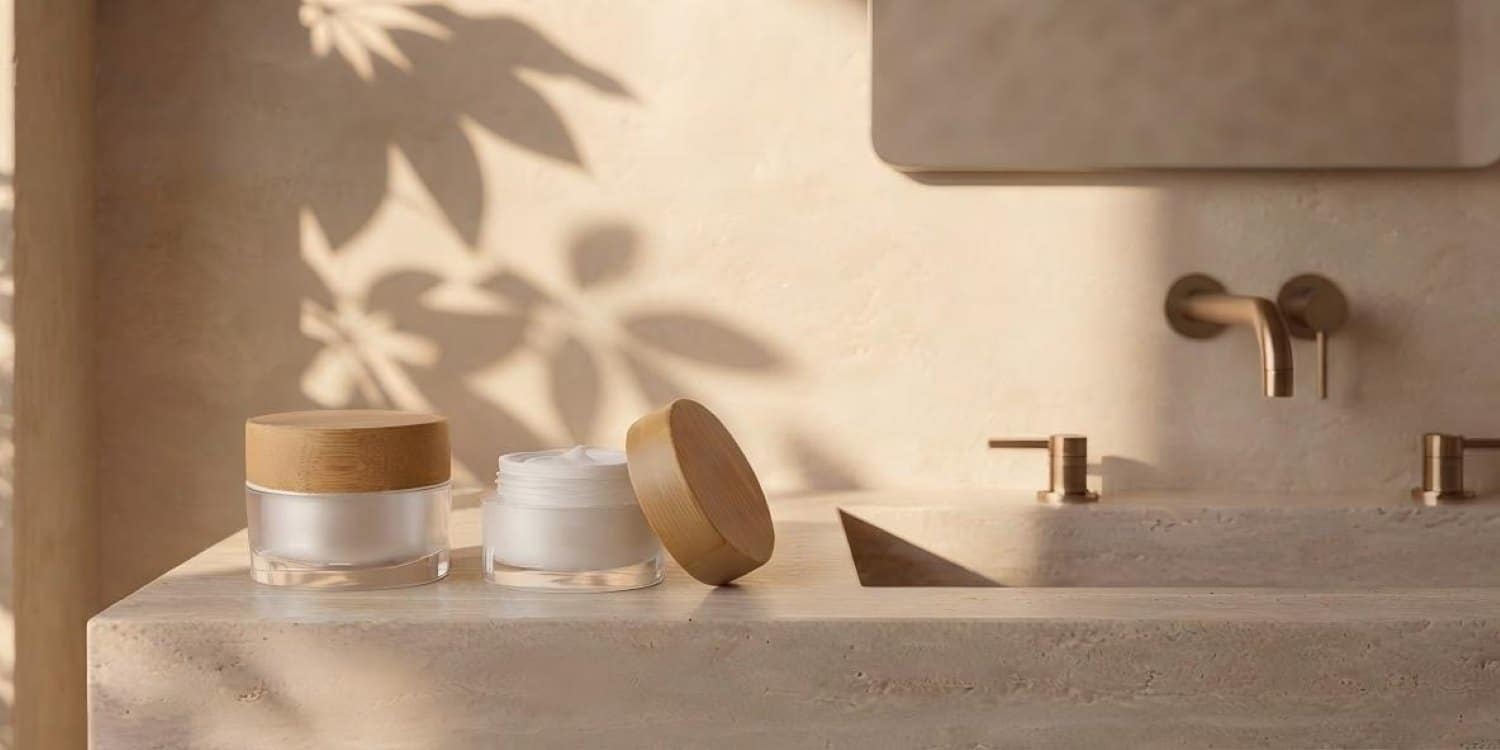
Bamboo and bio-based materials offer alternatives for brands looking to move beyond conventional fossil-based packaging materials. Bamboo can provide a natural material appearance, while bio-based materials can be considered for selected packaging components or structures.
These materials are particularly relevant when packaging appearance and material story are closely connected to a natural or sustainability-focused brand identity. Before production, brands should evaluate material compatibility, durability, appearance, and the requirements of the final product to determine whether bamboo or bio-based packaging is suitable.
Sustainable Packaging Trends Driving the Beauty Industry
Sustainable packaging is becoming a broader design and sourcing priority across the beauty industry. The shift is moving beyond individual materials toward packaging systems that reduce virgin material use, extend package life, and improve end-of-life recovery. For beauty brands, this means evaluating packaging from material selection through reuse and recycling.
Increasing Demand for PCR and Recycled Content Packaging
The use of PCR and recycled content is expanding as brands look for practical ways to reduce reliance on virgin plastic. Instead of changing the entire packaging format, brands can introduce recycled content into established bottle, jar, and dispenser designs.
This trend also changes packaging development requirements. Color consistency, surface finish, material availability, and production stability need to be considered when selecting recycled materials. As recycled content becomes a more common sourcing requirement, brands increasingly need suppliers that can support both material selection and customized packaging development.
Growth of Refillable and Low-Waste Beauty Packaging
Refillable and low-waste packaging is shifting the focus from reducing material in a single package to reducing material across repeated purchases. Brands can combine durable primary packaging with lightweight refills to reduce the need for a new outer container each time.
This model also creates new design requirements. Refills need to fit the original container, maintain product protection, and provide a practical dispensing experience. For beauty brands, refillability can therefore influence the bottle structure, closure, and overall user experience rather than being added as a separate feature.
Innovation in Circular Packaging Solutions
Circular packaging goes beyond using recycled materials or offering refills. It considers how packaging materials and components move through the entire product lifecycle, from manufacturing and use to reuse and recycling.
Current innovation includes combinations of refillable structures, PCR or rPET materials, mono-material designs, and lightweight components. The goal is to keep packaging materials in use for longer and reduce unnecessary waste. GIDEA PAC supports this broader approach with sustainable cosmetic packaging options including PCR, rPET, OBP, bamboo, bio-based, mono-material, and refillable solutions.
How to Start Your Sustainable Packaging Transition
Define Your Packaging Sustainability Goals
Clear goals turn good plans into real, measurable progress. Begin by checking your current packaging. List every part, its material, and how much it weighs. Then set exact targets. A common goal is cutting virgin plastic by a certain percentage within a set time. Some companies have set goals to cut virgin plastic, but found it challenging to meet them due to regulations, supply chain limits, and affordability trade-offs. This example shows that goals need realistic timelines and regular review.
Your goals should also cover recyclability, recycled content, and reuse. Sustainable Packaging 101 teaches that small, tracked changes beat vague promises. Write down your baseline, your target, and your deadline. Check your progress every quarter.
Work with an Experienced Packaging Manufacturer
Certifications separate real sustainability from marketing claims. Look for partners that hold recognized certifications such as GRS, ISO 9001, SA8000, and REACH. These credentials prove verified recycled content, quality management, fair labor practices, and chemical safety. They also meet rules for many markets, including PPWR deadlines.
Certifications build consumer trust. A 2023 PDI Technologies survey found that 79% of consumers want an easier way to spot environmentally friendly companies. Also, 40% specifically want third-party certification. Trust bridges the gap between intention and action.
| Survey Finding | Percentage | Source Year |
|---|---|---|
| Consumers who want an easier way to identify eco-friendly companies | 79% | 2023 (PDI Technologies) |
| Consumers who want certification from a reputable third party | 40% | 2023 (PDI Technologies) |
| Consumers who prefer eco-friendly options | ~65% | — |
| Consumers who consistently buy eco-friendly options | 26% | — |
Certifications must come from recognized, transparent verification schemes. Unknown or self-created labels can actually increase skepticism, and self-declared labels carry almost no weight.
FAQs About Sustainable Packaging Design
What Is the Most Sustainable Packaging Option for Beauty Products?
There is no single most sustainable packaging option for every beauty product. The right choice depends on the formula, package format, product protection, reuse potential, and local recycling system. Brands can compare PCR, refillable, mono-material, bamboo, and bio-based packaging according to their specific sustainability goals.
Is PCR Packaging Suitable for Skincare and Cosmetic Products?
Yes. PCR packaging can be developed for various skincare and cosmetic formats, including bottles and jars. Brands should evaluate material consistency, appearance, packaging performance, and compatibility with the product before mass production. GIDEA PAC offers PCR and rPET options for sustainable cosmetic packaging development.
How Can Brands Make Cosmetic Packaging More Sustainable?
Brands can start by reducing unnecessary material and reviewing the complete packaging structure. Lightweight designs, recycled content, refillable formats, and mono-material solutions can each address different sustainability goals. Selecting the right approach early in the design process can also reduce the need for major packaging changes later.
Does Sustainable Packaging Affect Product Protection and Quality?
Sustainable packaging does not automatically mean lower protection or quality. The packaging still needs to provide suitable strength, closure performance, dispensing, and product compatibility. Brands should test the selected material and packaging structure to confirm that sustainability requirements do not compromise the product’s intended use.
Can Sustainable Packaging Be Customized for Different Brands?
Yes. Sustainable cosmetic packaging can be customized by material, shape, size, color, finish, decoration, and packaging structure. GIDEA PAC supports custom packaging development with options including PCR, rPET, OBP, bamboo, bio-based, mono-material, and refillable solutions, allowing brands to align packaging with their product and brand requirements.
Our Sustainable Packaging Solutions for Beauty Brands
GIDEA PAC helps beauty brands develop sustainable cosmetic packaging around specific product, design, and sustainability requirements. From material selection and prototyping to customization and production, the process connects packaging development with practical manufacturing needs.
Custom PCR Bottles Jars and Containers for Cosmetics
GIDEA PAC provides custom PCR packaging for cosmetic bottles, jars, and containers. Brands can develop different packaging structures while incorporating recycled materials into their product lines.
Customization can cover shapes, sizes, colors, finishes, and decoration to maintain a consistent brand identity. PCR and rPET options give brands additional choices when developing sustainable cosmetic packaging without limiting the project to one packaging format.
Refillable Packaging Solutions for Skincare and Personal Care
GIDEA PAC develops refillable packaging for skincare and personal care applications, including refillable jars and airless refill solutions. The packaging structure can be designed around the relationship between the reusable outer package and its refill component.
This approach requires more than simply adding a refill. The container, refill, closure, and dispensing system need to work together for practical use. GIDEA PAC combines refillable concepts with its packaging development capabilities to support different product requirements.
Eco-Friendly Material Selection and Packaging Development
Material selection is handled according to the requirements of the finished packaging rather than sustainability claims alone. GIDEA PAC offers options including PCR, rPET, OBP, bamboo, bio-based, and mono-material packaging.
Brands can evaluate these materials based on appearance, structure, product compatibility, and intended packaging format. This helps connect sustainable material selection with the actual requirements of cosmetic packaging development.
Customized Packaging Design from Concept to Production
GIDEA PAC supports custom packaging development from the initial concept through production. Its in-house design and R&D capabilities allow brands to develop packaging concepts, refine structures, create prototypes, and move approved designs toward manufacturing.
Custom development can include bottle or jar shapes, packaging components, colors, surface finishes, and decoration. Rapid prototyping also gives brands an opportunity to review the design before committing to mass production.
Quality Control Throughout Packaging Manufacturing Process
Quality control should continue from material preparation through finished packaging rather than being limited to final inspection. GIDEA PAC uses testing and inspection during the manufacturing process to help identify potential issues before products are shipped.
Leak testing is also part of its packaging quality process. Combined with in-house R&D and production support, this helps brands evaluate packaging performance and maintain consistency as a custom design moves from prototype to mass production.