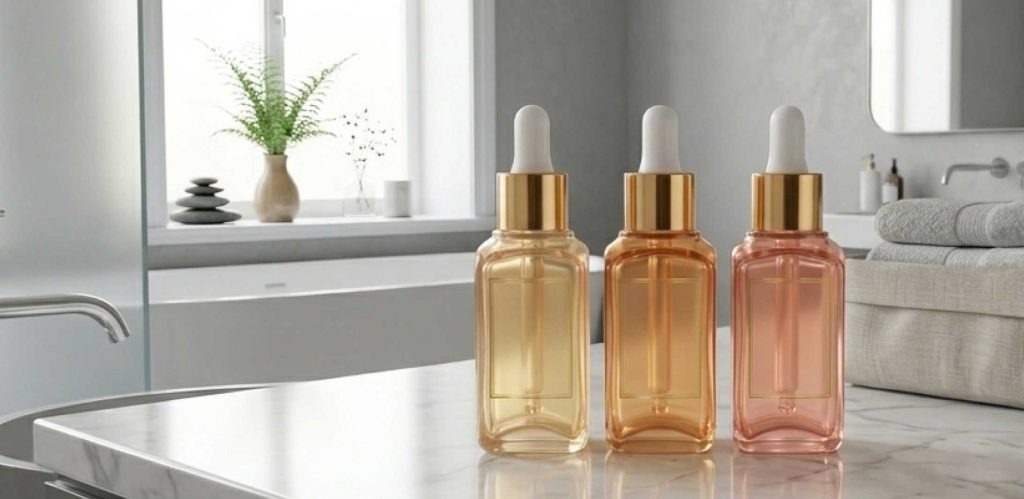
Deciding on skincare bottle designs for 2026 is urgent, not optional. The industry is speeding up: GlobalData projects the packaging market will grow from $74.5 billion in 2025 to $91.1 billion by 2030 (4.1% each year). At the same time, buyers expect more sustainable products, shelf competition is rising, and new rules like the EU PPWR (fully binding in August 2026) and PFAS limits (also effective that month) require quick action. Brands that wait may not follow the rules and could lose shelf space. This article gives a preview of five key trends for Skincare Bottle Design Trends 2026, and then offers a practical checklist you can start using today.
Key Takeaways
- Use recycled materials like PCR and rPET to lower carbon emissions and follow new rules.
- Give customers refillable bottles to cut waste and build loyalty.
- Add smart features like NFC tags to check if products are real and give personal tips.
- Make bottles that are easy to hold and use with one hand for all customers.
- Begin getting ready now to meet EU PPWR rules by August 2026.
The Growing Importance of Skincare Bottle Design for Beauty Brands
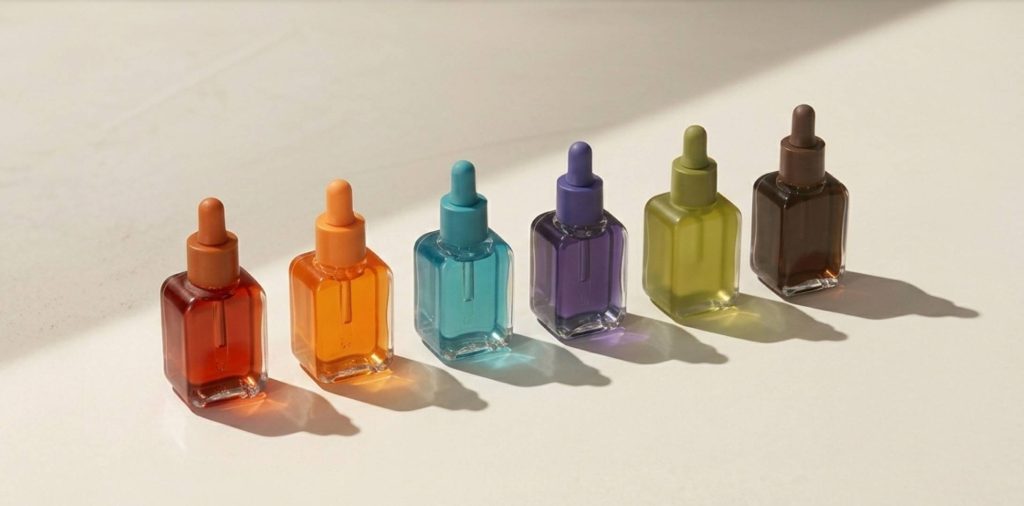
Skincare bottle design now plays a key role in brand identity, product protection, sustainability, and regulatory compliance. For brands planning Skincare Bottle Design Trends 2026, material and structural choices can directly affect packaging performance and consumer perception.
Key material terms include:
- PCR: Post-consumer recycled plastic from used consumer products.
- rPET: Recycled PET used to make new PET packaging.
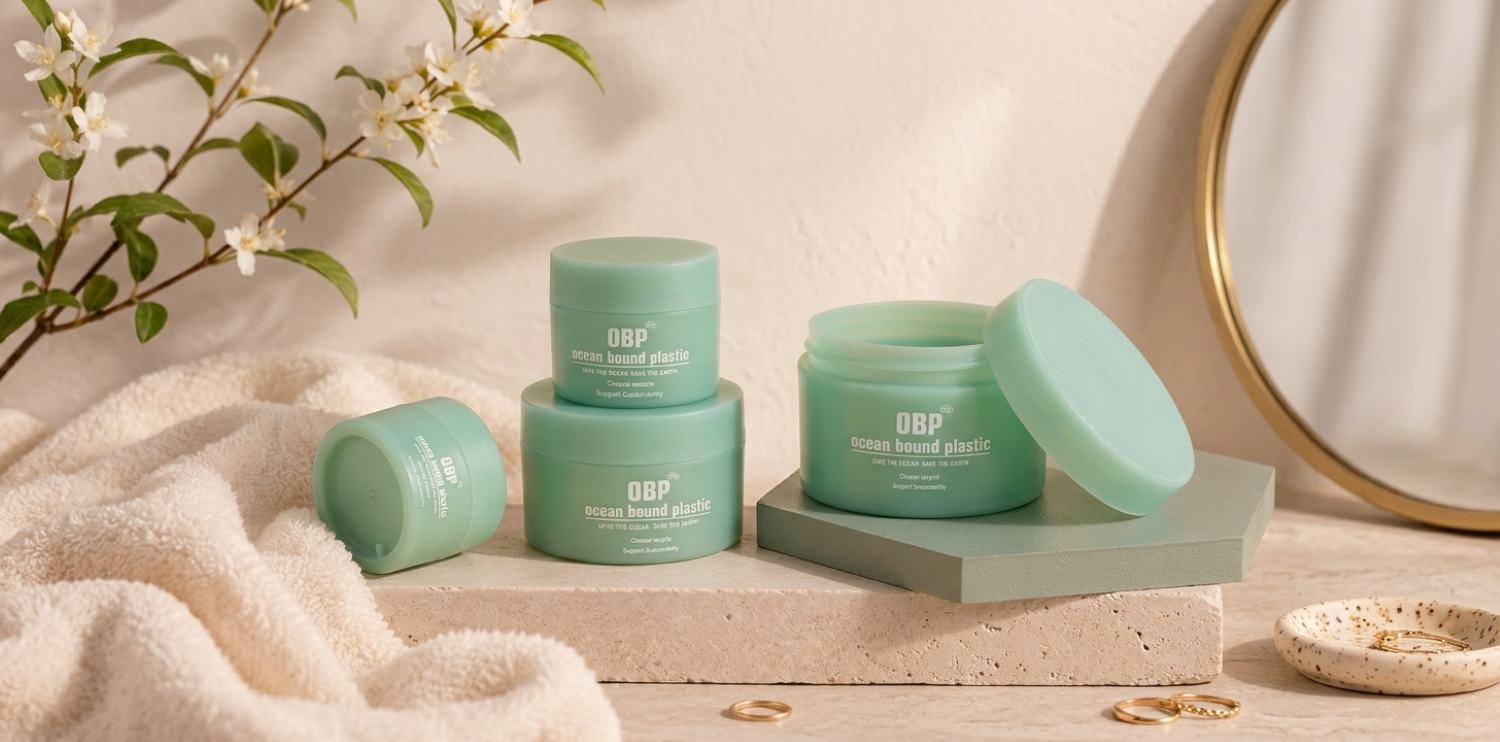
- OBP: Ocean-bound plastic collected from coastal or at-risk areas.
- Mono-material: Packaging made mainly from one polymer type, such as PE or PP, to simplify recycling.
Sustainable packaging requires the right balance between recycled content, appearance, performance, and compliance. Higher PCR content can create challenges with color and material consistency, so brands should evaluate the material during the development stage.
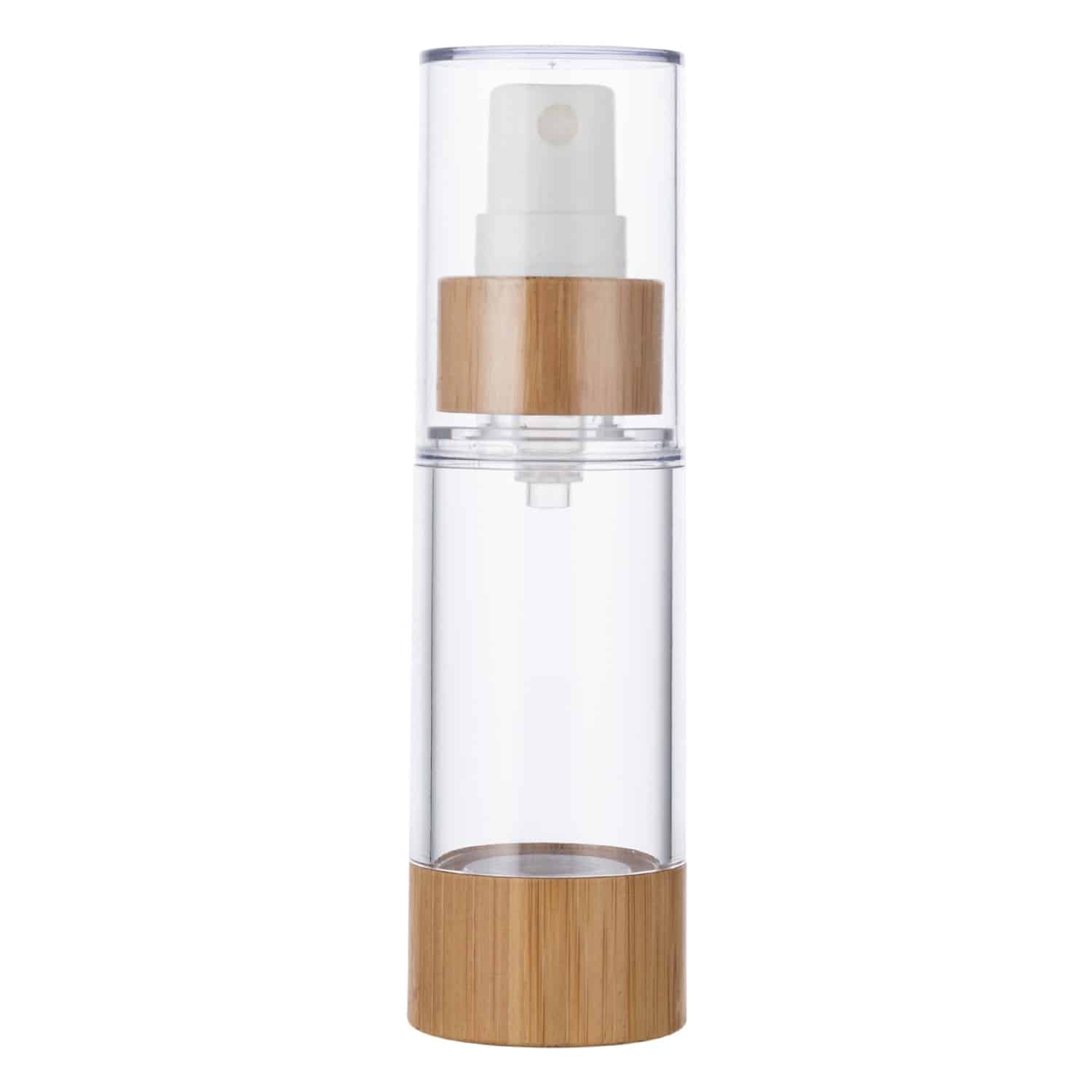
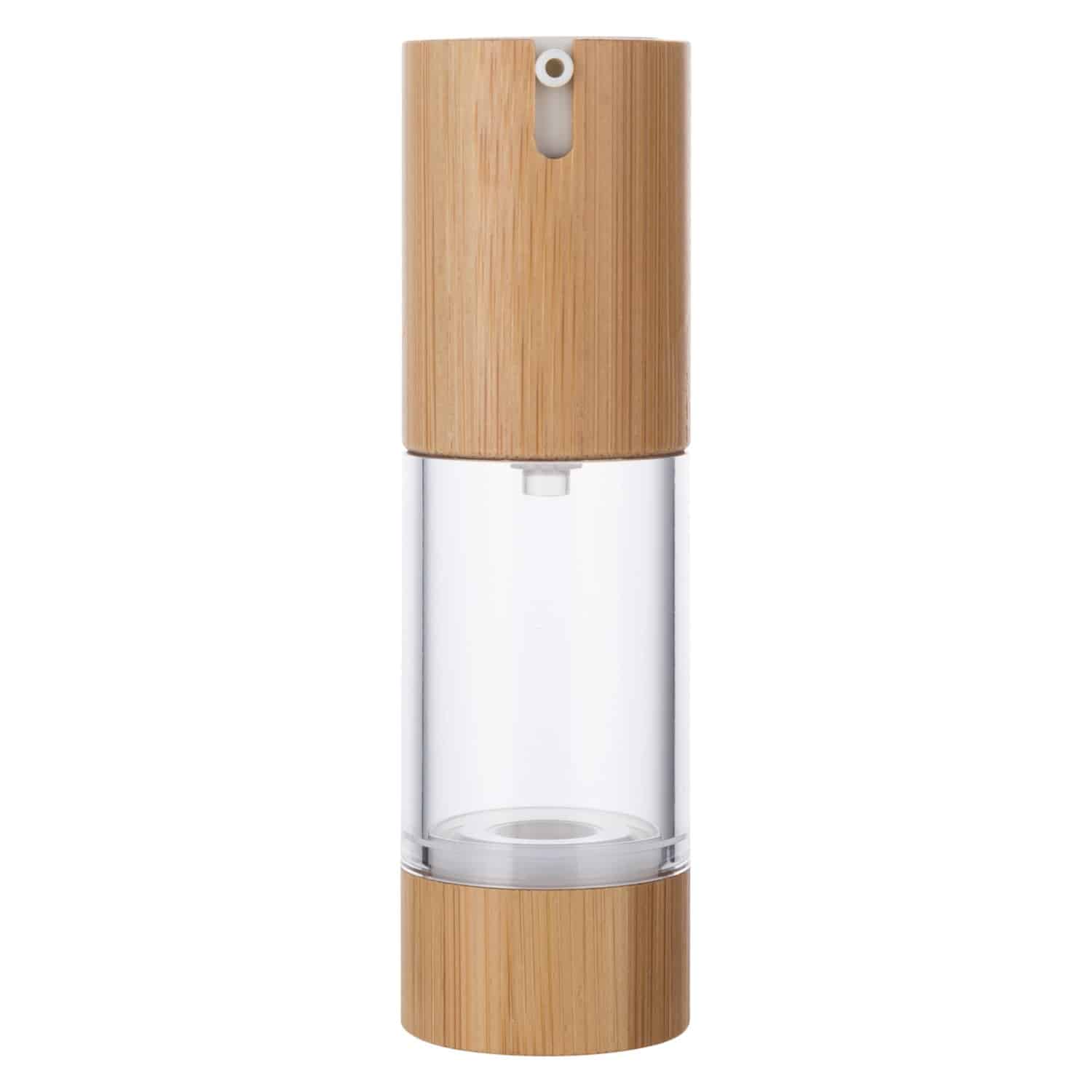
GIDEA PAC offers PCR, rPET, biodegradable, bio-based, bamboo, and mono-material packaging options. Its packaging development approach helps brands select solutions according to product and sustainability requirements.
Regulations are also influencing sustainable skincare packaging. Brands need to consider applicable cosmetic safety, packaging, recycling, and extended producer responsibility requirements in their target markets.
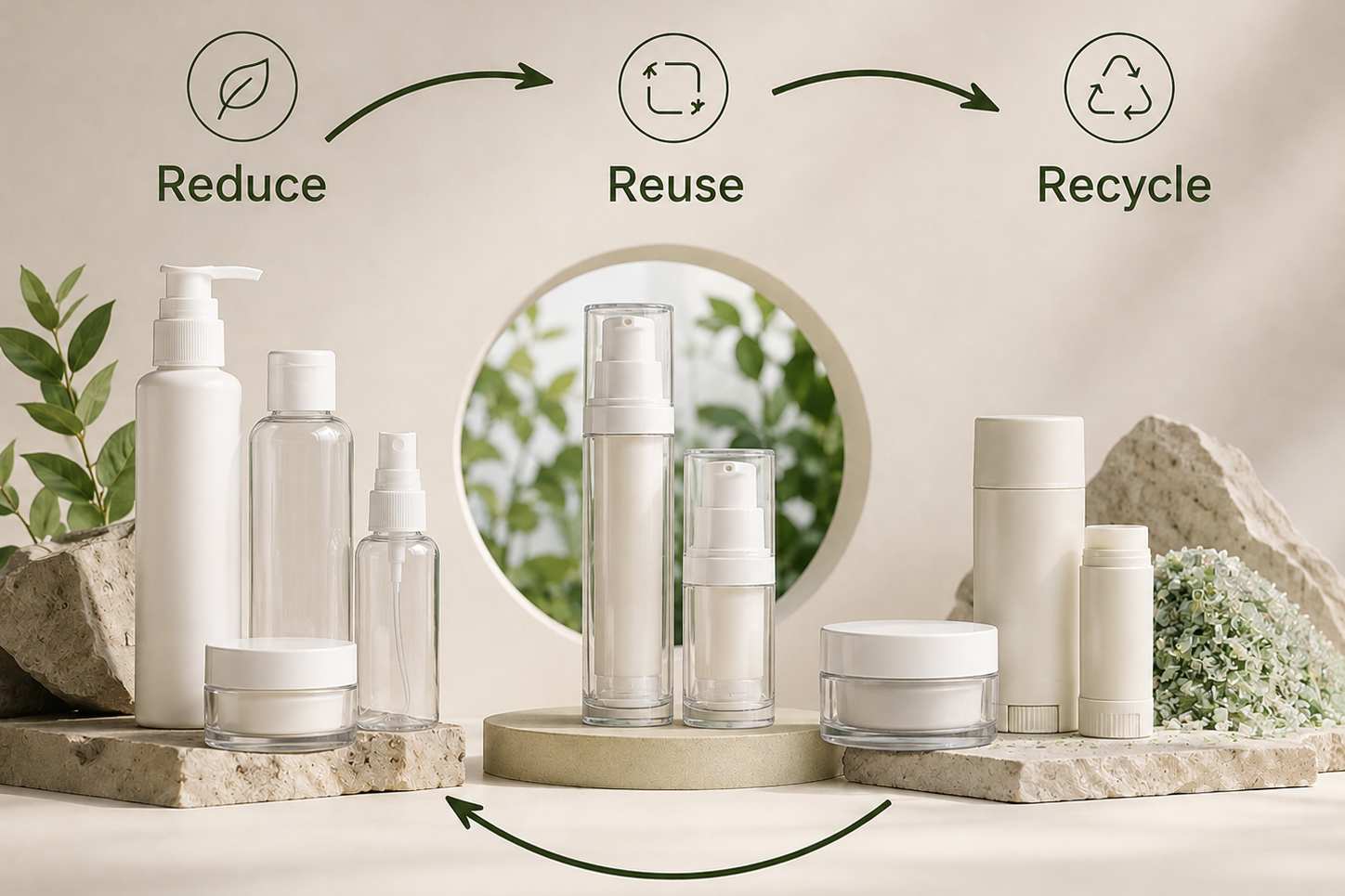
The 3R approach—reduce, reuse, and recycle—provides a practical framework. Lightweight designs reduce material use, refillable systems support reuse, and mono-material structures can simplify recycling.
For beauty brands, bottle design is therefore more than appearance. The right custom skincare bottle can combine brand identity, product functionality, sustainability, and market requirements from the beginning of development.
Sustainable Skincare Bottle Design Trends for Beauty Brands
Sustainable skincare bottle design is moving beyond simply choosing recycled plastic. Beauty brands are now considering the full packaging system, including material sourcing, reuse, recyclability, and end-of-life options. These trends give brands more ways to reduce material impact while maintaining the appearance and function expected from modern skincare packaging.
PCR and Recycled Material Skincare Bottles
PCR remains an important direction for sustainable skincare bottles because it incorporates recycled plastic into new packaging. Depending on the product and design requirements, brands can consider recycled-content options such as PCR and rPET rather than relying only on virgin resin.
The visual result can vary with recycled content, so brands should evaluate color, finish, and consistency during sample development. GIDEA PAC provides PCR and rPET packaging options as part of its sustainable material portfolio, helping brands explore recycled-material solutions for customized cosmetic packaging.
Refillable and Circular Skincare Packaging Systems
Refillable packaging changes the focus from a single-use bottle to a longer packaging lifecycle. A durable outer package can be designed to remain in use while the product itself is replaced through a refill format.
This approach requires the bottle, refill component, closure, and dispensing system to work together. GIDEA PAC includes refillable systems and circular design within its sustainable packaging solutions, allowing brands to consider packaging reuse as part of the initial design process.
Mono-Material and Recyclable Bottle Designs
Mono-material design aims to simplify the packaging structure by reducing the use of different material types. This can make the packaging easier to sort and recycle compared with designs that combine multiple materials.
For recyclable skincare bottles, brands should consider the bottle and its supporting components as one packaging system. Material selection, structure, closures, and decoration can all affect the final recycling pathway. GIDEA PAC identifies mono-material packaging and lightweight packaging as part of its circular-design approach.
Bio-Based Materials for Eco-Friendly Skincare Packaging
Bio-based materials provide another route for brands looking to reduce reliance on conventional fossil-based plastics. These materials can be considered when developing eco-friendly skincare packaging with specific sustainability goals.
However, bio-based packaging still need to be evaluated against the product’s packaging requirements, including structure, appearance, and compatibility. GIDEA PAC includes bio-based materials in its sustainable packaging portfolio, giving beauty brands another material direction to consider alongside PCR, OBP, bamboo, and mono-material solutions.
Personalized Skincare Bottle Packaging for Beauty Brands
Personalization now shapes what people buy in beauty. Smart packaging mixes technology with the user’s experience, and it is changing the cosmetic packaging market.
Small-Batch Customization for Emerging Beauty Brands
Small-batch customization gives new brands an edge over others. This method lets them react fast to trends and avoid making too much. Good inventory control cuts waste and keeps products fresh. For direct-to-consumer brands, small-batch fulfillment makes rule compliance simpler by watching operations more closely, including special packaging and temperature-controlled storage for sensitive formulas.
Digital printing methods make small runs possible. Digital inkjet printers handle 60–200 bottles per hour, which fits short runs with lots of customization. Pad printing works well for curved or odd surfaces because its soft silicone pad shapes itself exactly to domes and cylinders. Suppliers like GIDEA PAC offer flexible MOQs and 7-day rapid prototyping, which helps new brands test designs without big commitments.
Custom Colors Textures and Surface Finishes
Color and finish choices shape how shoppers judge product quality. A matte finish shows class and fits professional skincare lines. Glossy surfaces bounce light and grab attention, so they work great for bold modern cosmetics. Frosted effects turn plain containers into high-end beauty items while cutting down on fingerprints.
Consumers link touch with quality. Soft-touch coatings give a velvety feel that signals refinement. Foil stamping in gold or rose gold boosts the sense of exclusivity. Combined decoration trends for Skincare Bottle Design Trends 2026 include frosted plus hot stamping, matte plus screen printing, and glossy plus UV printing. A custom skincare bottle manufacturer can match these finishes to brand identity and target positioning.
Functional Skincare Bottle Design for Better User Experience
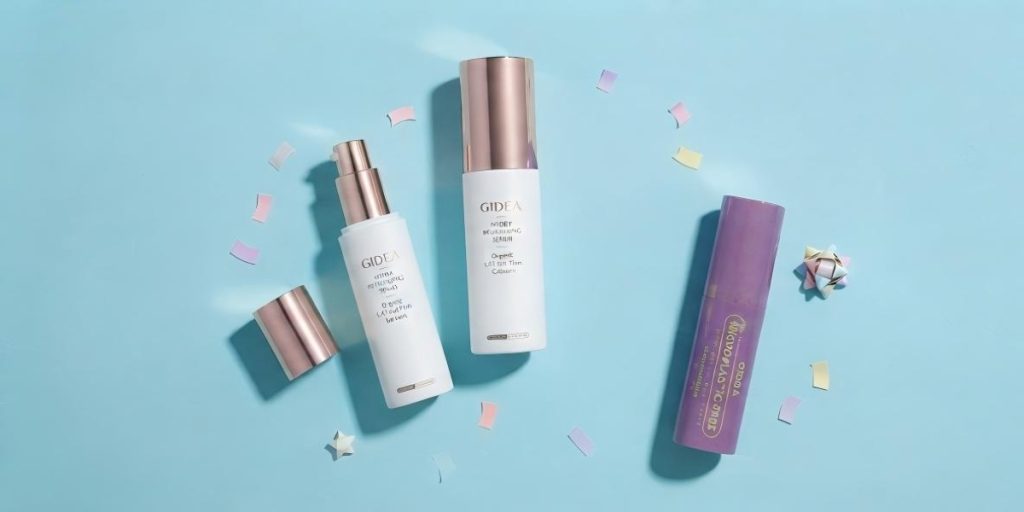
Near Field Communication, or NFC, is a wireless tech that lets a phone swap data with a tag on a package by tapping them together. This small feature ties Skincare Bottle Design Trends 2026 right to personalization and skinification. Brands use NFC in a few ways:
- Authentication: NFC checks if a product is real for luxury skincare brands.
- Refill programs: NFC helps track and reward refills for sustainable bottle designs.
- Usage tracking: Sensors and NFC record how a product is used, which allows personalized suggestions.
- Consumer engagement: Scanning codes gives tutorials, personalized advice, and loyalty rewards.
The skinification trend means packaging now tracks skin conditions and changes advice over time. On-the-go and wearable formats are also growing. Compact portable designs, perfume necklaces, lip balm keychains, and stick-based sunscreens turn beauty into fashion accessories. These formats boost convenience while keeping personalization and style.
Airless Pump Technology for Premium Skincare Products
Airless pump systems make a sealed chamber that blocks air, dirt, and pollutants from reaching the formula. The product stays fully sealed inside the packaging. This block of air contact slows bacterial growth and keeps active ingredients stable. A diaphragm mechanism and rising piston let users get nearly every drop with little waste. Luxury brands now mix vacuum and pressure mechanisms for better hygiene and exact dosage control. Refillable airless bottles built with mono-material PP structures support recyclable packaging goals. Interchangeable pumps and actuators let brands match their look while choosing tailored dosage outputs between 0.3 mL and 2 mL. A manufacturer like GIDEA PAC offers these innovations in custom setups for premium skincare lines.
| Innovation Area | Details |
|---|---|
| Interchangeable components | Pumps and actuators can be swapped to match a brand’s look and functional needs |
| Standardized bottle sizes | 15 mL, 30 mL, 50 mL, and 100 mL bottle bodies give flexible options |
| Customizable pump and actuator designs | Each bottle size can have distinct looks through tailored pumps and actuators |
| Tailored dosage outputs | 1 mL, 2 mL, 0.3 mL, or 0.5 mL outputs fit different product consistencies |
Ergonomic Skincare Bottle Shapes for Daily Use
Ergonomic design makes bottles easier for everyone to use, even people with limited dexterity. Larger grips or loop handles help users hold bottles securely. Low-torque closures need less twisting force to open. Squeeze-friendly materials allow dispensing through gentle pressure. Visual cues and tactile markings help visually impaired users find openings and pumps. Surface textures like soft-touch coatings or matte finishes stop slipping, especially with lotions or oils. Balanced weight distribution avoids tipping or awkward holding. Rounded edges and contoured shapes fit naturally into the palm. One-hand convenience features like flip-top caps or pump bottles allow multitasking. Non-slip textures on bottle sides give a firm grip even when hands are wet. Spill-proof designs with secure seals and controlled dispensing mechanisms add safety. These features directly support inclusive packaging goals within Skincare Bottle Design Trends 2026. GIDEA PAC tests its custom designs across age groups and abilities to ensure universal usability.
| User Group | Physical Limitations | Design Solutions |
|---|---|---|
| Elderly | Weak grip, poor vision | Large fonts, easy-open lids, textured surfaces |
| Children | Limited strength | Lightweight materials, larger grip areas |
| General adult | Varied capabilities | Balanced weight distribution, intuitive opening mechanisms |
Skincare Bottle Design FAQs
What Are the Latest Skincare Bottle Design Trends in 2026?
The main skincare bottle design trends in 2026 include PCR and recycled materials, refillable systems, mono-material structures, lightweight designs, and bio-based packaging. Brands are increasingly considering both visual appeal and the packaging’s full lifecycle.
Which Materials Are Best for Sustainable Skincare Bottles?
There is no single best material for all sustainable skincare bottles. PCR, rPET, OBP, bamboo, bio-based materials, and mono-material solutions can serve different sustainability goals. The right option depends on the product, packaging structure, performance requirements, and recycling system.
How Can Beauty Brands Customize Skincare Bottle Packaging?
Brands can customize skincare bottle packaging through bottle shapes, sizes, colors, finishes, decoration, and packaging structures. Depending on the project, customization may use an existing design or involve new mold development and prototyping.
What Is Airless Pump Technology in Skincare Packaging?
Airless pump technology is a dispensing system designed to deliver skincare products without relying on a traditional dip tube. Airless packaging is commonly considered for formulas where controlled dispensing and product protection are important. The appropriate system should be selected according to the formula and packaging requirements.
How Does Gidea Support Custom Skincare Bottle Design Projects?
GIDEA PAC supports custom skincare bottle design through design assistance, in-house development, rapid prototyping, and manufacturing. Its process can include concept design, 3D drawing confirmation, sample development, mold development, and mass production. The company also provides flexible MOQ and 100% leak testing.
Our Skincare Bottle Design Solutions for Beauty Brands
GIDEA PAC provides skincare bottle design solutions for global beauty brands, combining packaging development, material options, and manufacturing support. Its portfolio covers cosmetic bottles, airless packaging, and sustainable packaging formats, giving brands different routes for developing packaging around their product and brand requirements.
Custom Skincare Bottles for Different Product Categories
Different skincare products may require different packaging structures and dispensing formats. GIDEA PAC supports cosmetic bottles, jars, airless packaging, and other cosmetic packaging formats, allowing brands to select a structure that fits their product category.
For projects that need a more specific structure, the development process can move from packaging concept and 3D drawing confirmation to sample approval and production. This gives brands a clear path for developing custom skincare bottles instead of relying only on standard packaging.
Sustainable Cosmetic Packaging Design and Materials
GIDEA PAC integrates sustainability into both material selection and packaging design. Its portfolio includes PCR, OBP, bamboo, bio-based, and mono-material packaging, while its circular-design approach also covers lightweight packaging.
This gives beauty brands more options when developing sustainable cosmetic packaging around their environmental objectives. The suitable material and structure can be considered together rather than treating sustainability as a separate step after the bottle has already been designed.
OEM Skincare Bottle Development and Manufacturing
GIDEA PAC supports OEM skincare bottle projects through an integrated development process covering design, engineering, sampling, mold development when required, and mass production. Its in-house R&D capability supports customization and product improvement.
Brands can choose between standard design and color customization or new mold development. The process shown by GIDEA PAC includes concept design, 3D drawing confirmation, sample development, approval, and production, providing a structured route from an initial packaging idea to a finished product.
Premium Finishes and Custom Decoration Options
Custom decoration helps skincare packaging maintain a consistent visual identity across a product range. Brands can consider colors, finishes, and other decorative elements according to the desired packaging appearance.
For custom skincare bottles, decoration can be planned alongside the bottle structure and overall design rather than added only at the final stage. This approach gives brands greater control over how the packaging looks as a complete product and helps align the finished bottle with the intended brand positioning.