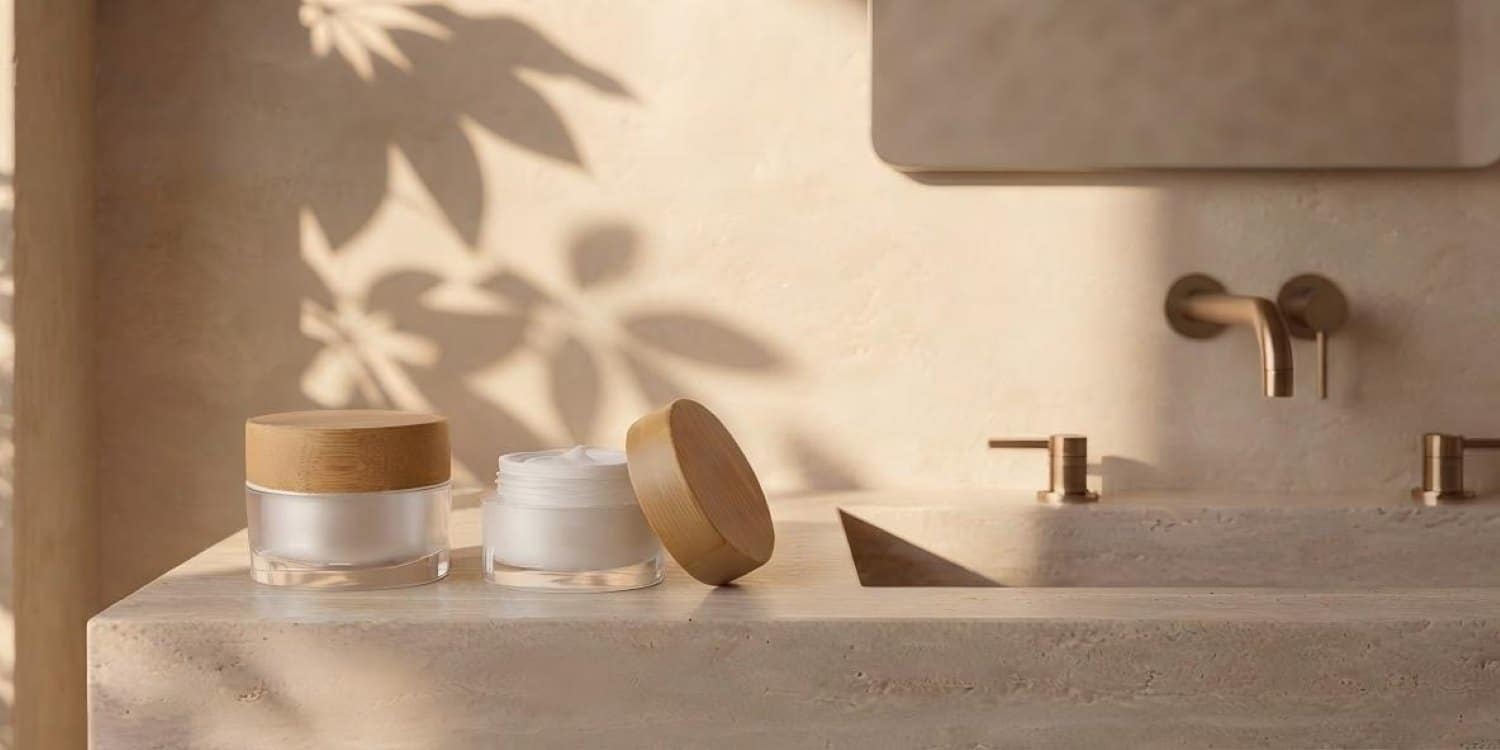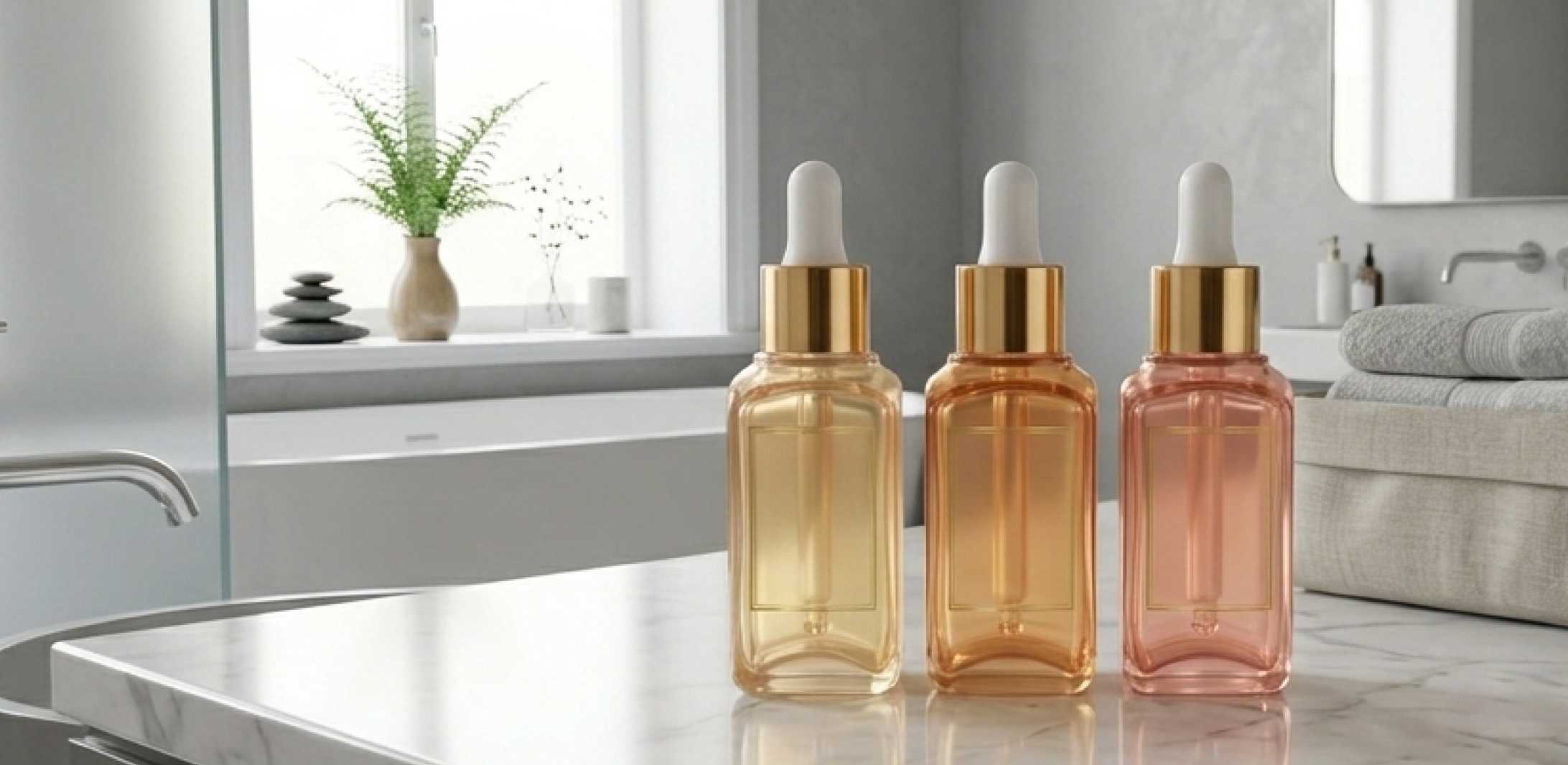
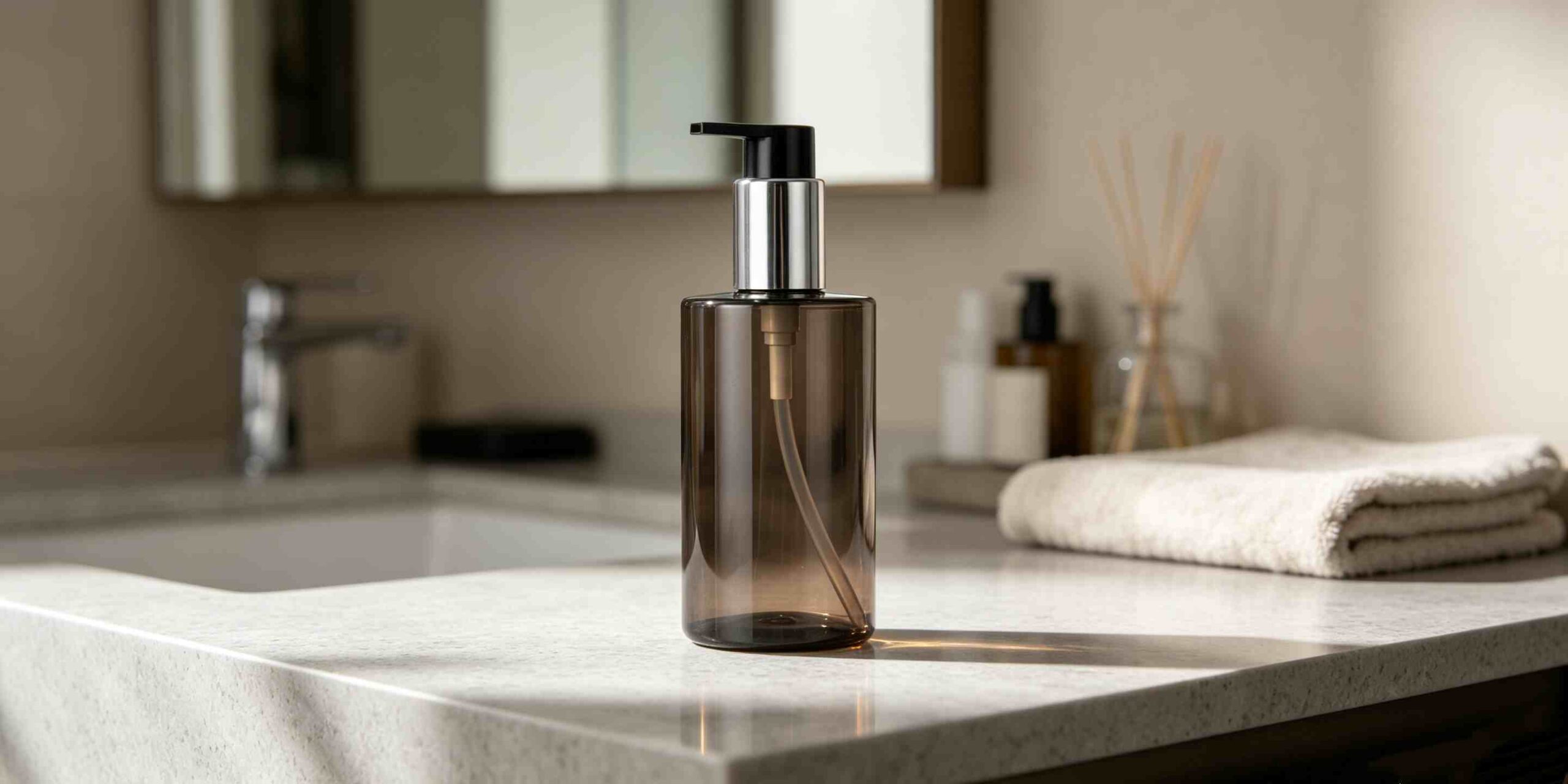
Here are the 10 best makers of Shampoo Bottles in China. China provides low costs, high production capacity, and a wide range of materials such as PET, HDPE, PP, and PCR. International shipping is very reliable. Buyers often have concerns about quality control, custom designs, minimum order quantities, and supplier trust. This list directly addresses those concerns.
Key Takeaways
- China provides cheap prices and a large ability to make shampoo bottles.
- Pick materials such as PET, HDPE, or PCR based on what you need.
- Custom designs help your brand stand out on store shelves.
- Check the supplier’s certifications and quality control before you place your order.
- Eco-friendly choices like PCR give people the green packaging they want.
Why China Leads Shampoo Bottle Manufacturing in 2026
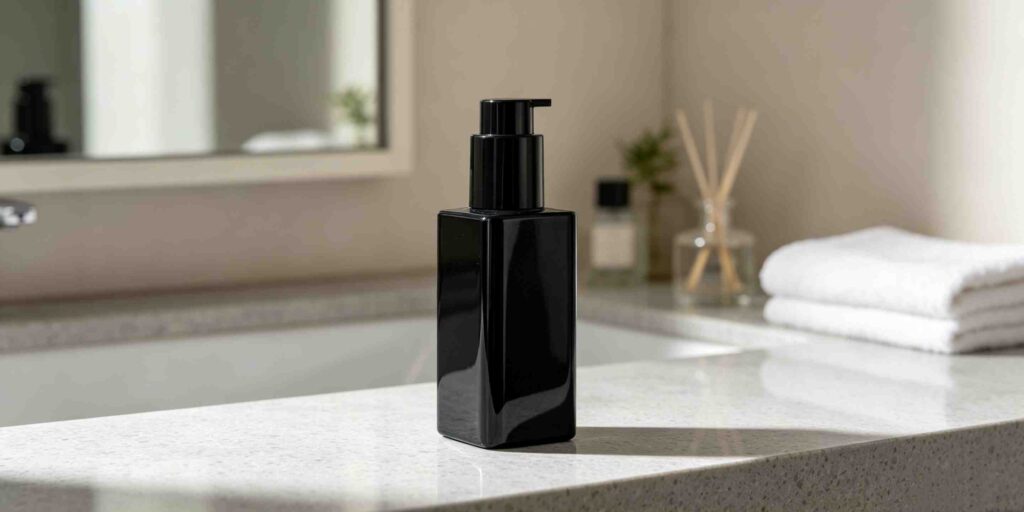
China remains a major hub for shampoo bottle manufacturing because suppliers offer competitive wholesale pricing, large-scale production, multiple material options, and extensive export experience. Global buyers can source PET, HDPE, PP, PCR, and other packaging solutions while working with manufacturers familiar with international quality and shipping requirements.
GIDEA PAC focuses on sustainable cosmetic packaging and has worked with more than 1,000 global cosmetic brands. Its solutions include PCR, rPET, biodegradable, bio-based, and mono-material packaging. The company supports OEM and ODM projects with in-house design, rapid prototyping, and leak testing.
Chinese manufacturers also serve different market needs. Some focus on lightweight PET bottles, durable HDPE packaging, airless systems, or ready-made molds. This range allows brands to select packaging based on product requirements, order volume, design, and budget.
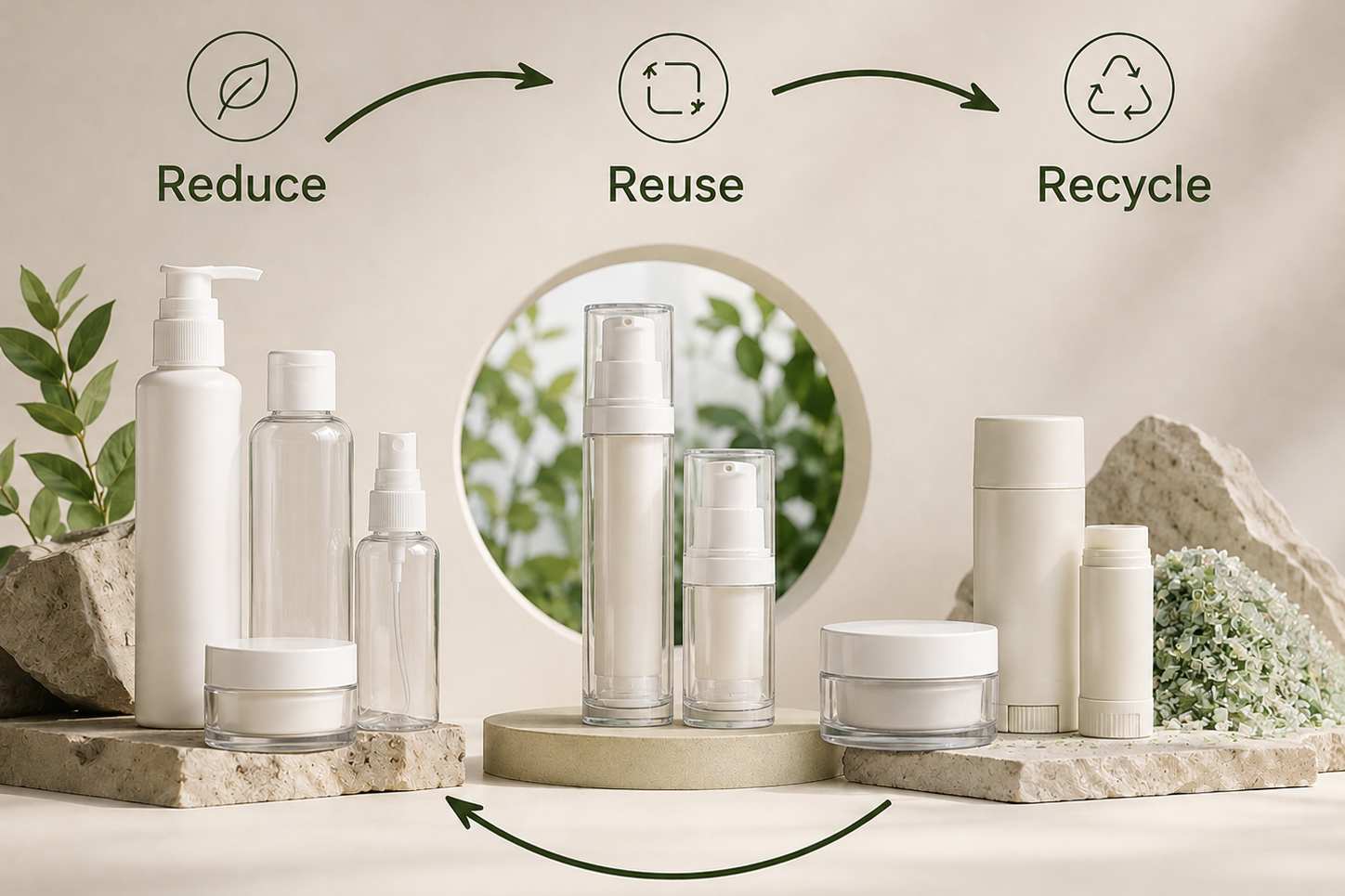
Sustainability and customization are also shaping the market. Recycled materials, refillable designs, bio-based options, and lighter packaging are gaining attention, while ergonomic shapes and customized finishes help brands strengthen product identity.
For global beauty brands, China’s combination of manufacturing experience, material choices, customization, and sustainable packaging options makes it a strong sourcing market for custom shampoo bottles in 2026.
Top 10 Shampoo Bottle Manufacturers in China
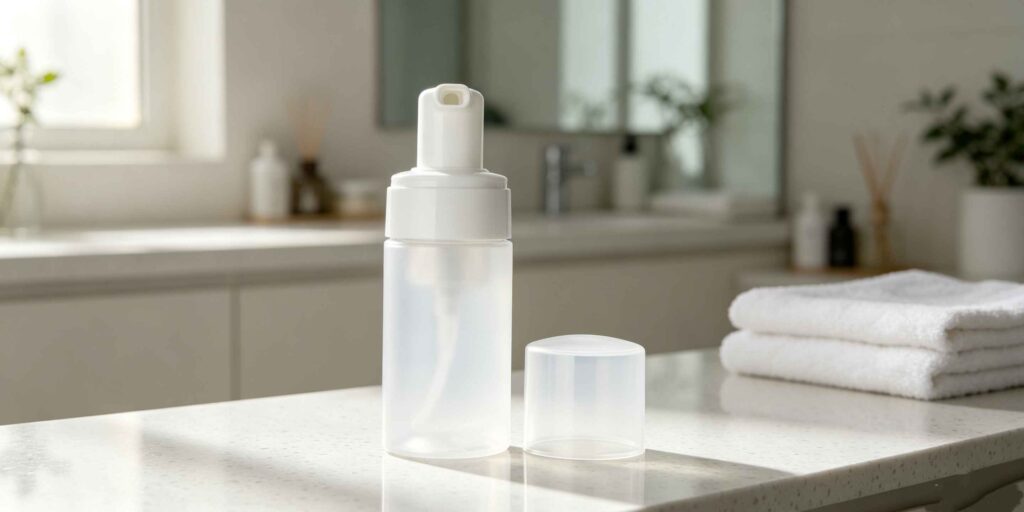
Boyu Packaging (Hangzhou)
Boyu Packaging serves small to medium brands with flexible order sizes and OEM/ODM support. The company offers PET, HDPE, PP, and PCR packaging, along with custom colors, logos, labels, mold development, and 3D design. Its packaging services also cover caps, pumps, droppers, and sprayers.
Boyu is a practical choice for buyers seeking flexible MOQs and broad customization options for shampoo bottles.
Choebe (Dongguan) Packaging
Choebe Packaging focuses on premium cosmetic packaging and upscale product presentation. Its solutions include HDPE bottles with soft-touch matte finishes and customized logo and graphic treatments.
With its strong focus on design and surface decoration, Choebe is suitable for shampoo brands targeting premium or luxury markets.
Gidea Packaging
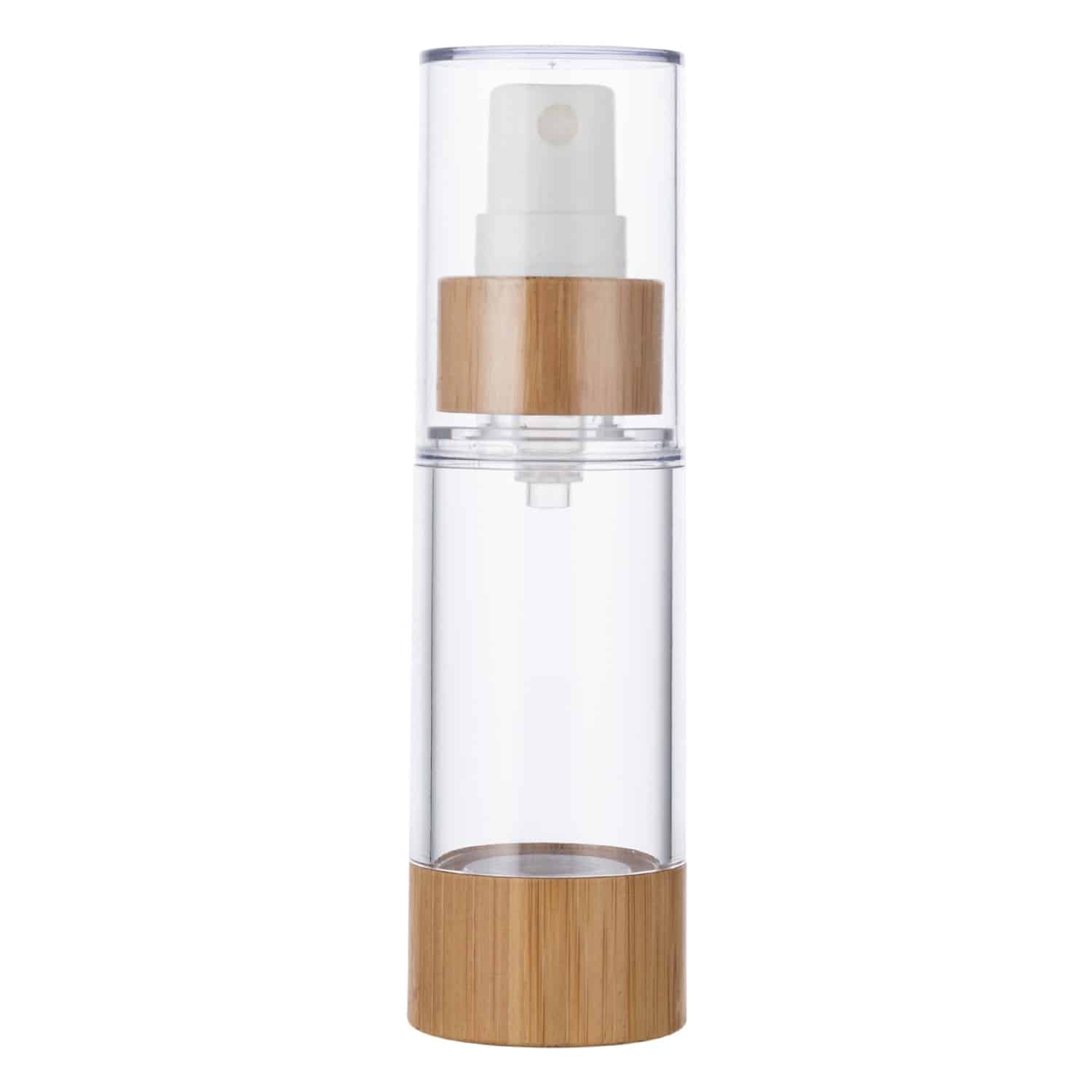
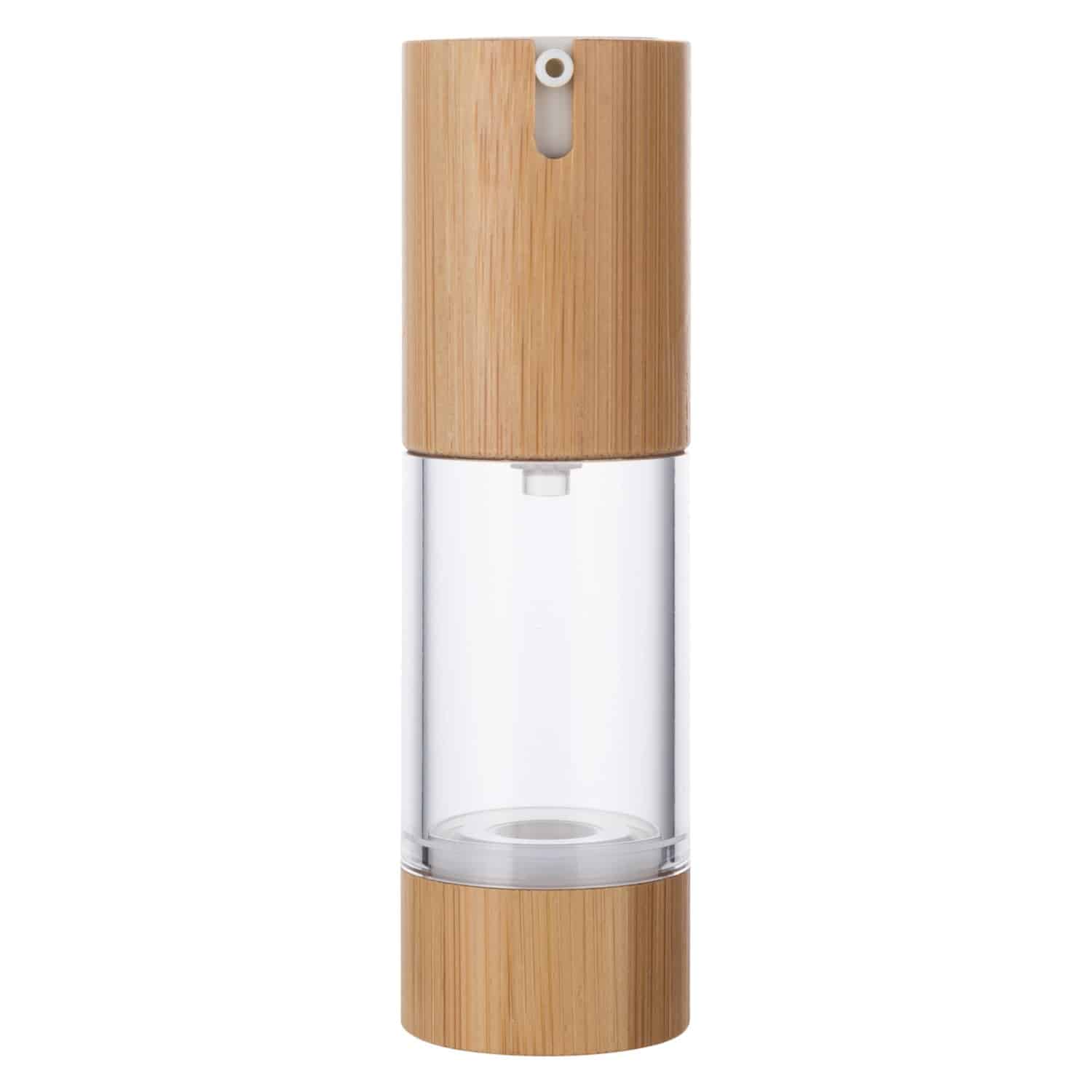
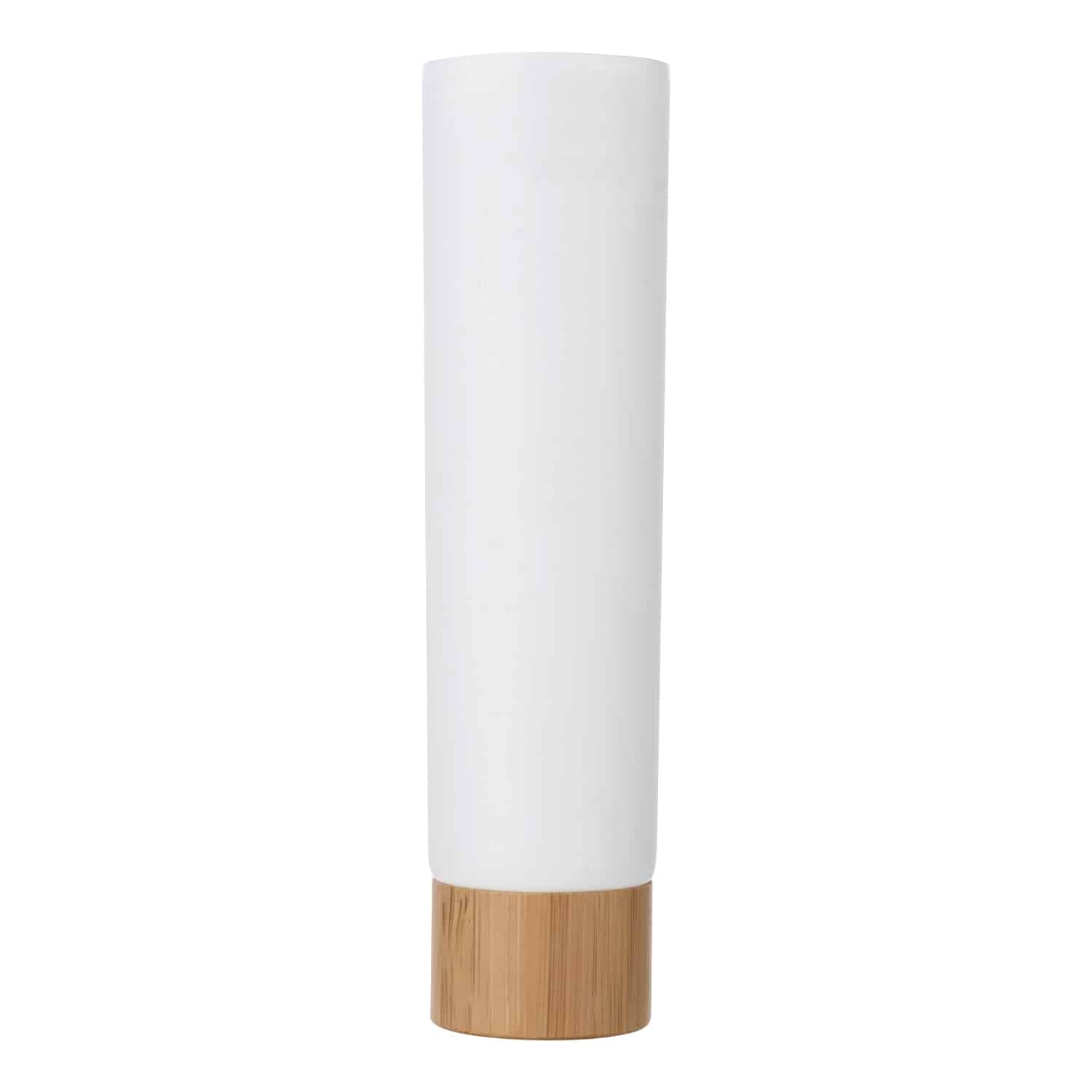
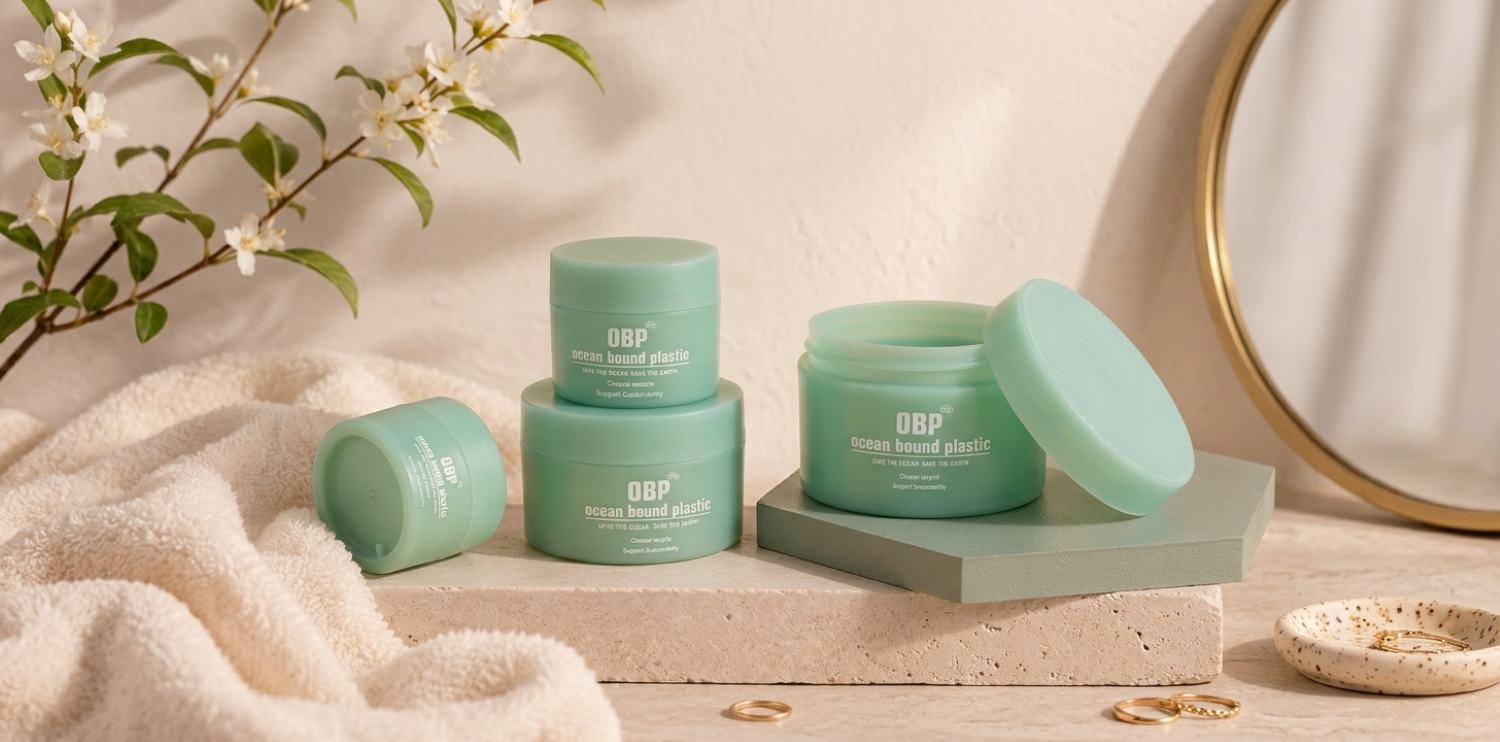
Gidea Packaging provides sustainable cosmetic packaging for beauty and personal-care brands, including shampoo bottles, cosmetic bottles and jars, airless packaging, and other formats. Its solutions include PCR, rPET, OBP, bamboo, bio-based, mono-material, and refillable packaging.
Gidea supports OEM and ODM projects, with rapid prototyping and leak testing for brands developing customized and sustainability-focused packaging.
Guangzhou Jinyu Packaging Products
Guangzhou Jinyu Packaging Products is a China-based supplier of plastic packaging for personal-care applications. When sourcing shampoo bottles, buyers can evaluate its packaging options based on bottle dimensions, closure compatibility, decoration, and filling requirements.
It can be included in supplier comparisons when brands need packaging that fits a specific product and production process.
Ningbo Kinpack Commodity Co., Ltd.
Ningbo Kinpack Commodity Co., Ltd. supplies packaging for personal-care and related consumer products. For shampoo projects, buyers should assess bottle formats together with caps, pumps, dimensions, and filling compatibility.
Kinpack is worth considering when procurement teams are comparing suppliers for broader personal-care packaging requirements.
Guangzhou Qiaoneng Plastic Product
Guangzhou Qiaoneng Plastic Product is a plastic packaging supplier serving personal-care applications. For shampoo bottles, buyers can focus on bottle structure, neck compatibility, dispensing systems, and decoration requirements.
Its suitability can be assessed through samples and technical specifications before moving to larger production orders.
Zhejiang Magicpack Co., Ltd.
Zhejiang Magicpack Co., Ltd. is a packaging supplier that can be considered for plastic personal-care containers. When evaluating its shampoo bottle solutions, buyers should compare bottle dimensions, weight, closure fit, appearance, and production consistency.
Sample evaluation can help brands confirm whether the packaging meets their product and filling requirements.
Ningbo Rongoo Packaging Container
Ningbo Rongoo Packaging Container offers packaging containers for personal-care applications. For shampoo packaging, buyers should evaluate the bottle together with its closure and dispensing system to ensure the complete configuration works with the product and filling process.
Rongoo can be compared with other shampoo bottle manufacturers based on customization, component compatibility, and production requirements.
Foshan Yida Packaging Co., Ltd.
Foshan Yida Packaging Co., Ltd. is a China-based packaging supplier for personal-care products. Brands sourcing shampoo bottles can review its available packaging structures, bottle specifications, closures, and decoration options.
Comparing samples under the same requirements can help buyers assess bottle construction, finishing quality, and suitability for their packaging program.
Yuyao Longzhuang Plastic Co., Ltd.
Yuyao Longzhuang Plastic Co., Ltd. is a plastic packaging manufacturer based in Yuyao, a major manufacturing area for plastic products and packaging components.
For shampoo projects, buyers can evaluate bottle designs, closure compatibility, customization needs, sample quality, and production consistency before selecting a long-term supplier.
Standard Materials for Shampoo Bottles
The right material affects how a shampoo bottle performs during filling, transportation, storage, and everyday use. PET, HDPE and PP each offer different combinations of rigidity, flexibility, chemical resistance, and processing performance. For brands developing custom shampoo bottles, material selection should match the formula, dispensing method, packaging design, and target positioning.
PET Shampoo Bottles for Lightweight and Clear Packaging
PET is a popular choice for shampoo bottles when product visibility and a clean appearance are important. Its clear structure allows brands to display the color and texture of the shampoo, while its lightweight construction supports easier handling and transportation.
PET can also be produced with recycled content such as rPET or PCR. This gives brands additional options when developing custom shampoo bottles with recycled-material requirements while maintaining the visual characteristics expected from PET packaging.
HDPE Shampoo Bottles for Durable Personal Care Packaging
HDPE is widely used for shampoo packaging where strength and chemical resistance are priorities. Its rigid structure helps bottles maintain their shape during handling, making it suitable for personal-care products that need durable packaging.
HDPE can also be combined with different finishes and recycled content. For brands developing a particular visual identity, options such as matte or soft-touch finishes can change the appearance and feel of the finished shampoo bottle.
PP Shampoo Bottles for Heat and Chemical Resistance
PP is valued for its heat resistance, chemical resistance, and durability, making it useful for personal-care packaging that requires stable material performance. It can also provide a balance between rigidity and flexibility depending on the bottle design.
For PP shampoo bottles, buyers should consider the product formula, filling conditions, and required packaging structure together. PP is also commonly used for packaging components such as caps and closures, allowing the material to be considered across different parts of a shampoo packaging system.
LDPE Shampoo Bottles for Flexible Squeeze Packaging
LDPE is a flexible plastic that works well for squeeze-style packaging. Its softness allows users to apply pressure to the bottle and dispense shampoo more easily, making it suitable for packaging designs where controlled squeezing is part of the user experience.
For LDPE shampoo bottles, flexibility is the main material characteristic to consider. The bottle design, wall structure, closure, and dispensing method should be evaluated together to achieve the required squeeze performance and overall packaging functionality.
How to Choose the Right Shampoo Bottle Manufacturer in China
Choosing a shampoo bottle manufacturer in China requires more than comparing unit prices. Buyers should also evaluate how well the supplier can support product development, quality control, documentation, and international delivery. A clear comparison of these factors helps brands reduce packaging risks before placing a production order.
Custom Shampoo Bottle Capabilities and MOQ Requirements
Customization should be evaluated based on the actual packaging requirements of the shampoo line. Buyers can check whether the manufacturer can develop the required bottle structure, size, appearance, and matching packaging components rather than relying only on standard designs.
MOQ should also be considered together with the level of customization. A suitable supplier should clearly explain how order quantities change with bottle development, material selection, decoration, or different SKUs. This makes it easier to estimate the actual purchasing requirement before production.
Shampoo Bottle Production Capacity and Manufacturing Lead Time
Production capacity is important when a shampoo brand needs to move from samples to repeat bulk orders. Buyers should ask how the supplier manages production scheduling, sample approval, and the transition to mass manufacturing.
Lead time should be discussed at the quotation stage, including any time required for custom development. Instead of looking only at the shortest quoted delivery time, buyers should compare whether the manufacturer’s production schedule can support their launch date and future replenishment requirements.
Material Quality Control and Shampoo Bottle Certifications
Material quality should be checked against the requirements of the shampoo formula and the intended market. Buyers can request material specifications, quality documentation, and relevant test reports to confirm that the shampoo bottle meets the project’s requirements.
It is also important to distinguish between material-related documentation and finished-packaging requirements. Brands should confirm which certifications or compliance documents are available for the specific bottle, material, and destination market before approving the supplier.
Global Export Experience and Packaging Compliance
Export experience can make communication, documentation, and shipment coordination easier for international buyers. A manufacturer familiar with overseas orders should be able to clarify packaging specifications and documentation requirements before production.
For brands sourcing shampoo bottles from China, packaging compliance should also be checked according to the destination market. Buyers should confirm labeling, material documentation, testing requirements, and shipping-related packaging requirements early in the project rather than waiting until the goods are ready to ship.
OEM Shampoo Bottle Production Process and Shipping
An OEM shampoo bottle production process should connect product requirements, sample approval, production control, and shipment preparation. Clear communication at each stage helps buyers confirm specifications before production and reduce changes after manufacturing begins.
Product Design Sample Development and Approval
The development stage turns the buyer’s packaging requirements into an approved production specification. Besides the bottle itself, the supplier should confirm the complete packaging configuration, including the closure, dispensing method, decoration, and other components required for the final shampoo bottle.
Before mass production, buyers should review the physical sample against the approved design and confirm that the bottle, closure, appearance, and assembly meet the agreed requirements. Keeping the approved sample and specification as the production reference also provides a clear basis for later quality inspection.
Mass Production Quality Control and Inspection
During mass production, quality control should cover both incoming materials and finished shampoo bottles. Production inspections can identify differences in appearance, dimensions, weight, assembly, and sealing before the order reaches final inspection.
For OEM projects, buyers should also make sure inspection results are documented and traceable to the relevant production batch. Final inspection before dispatch provides an additional check that the finished order matches the approved requirements and is ready for shipment.
Global Shipping Options for Shampoo Bottle Orders
After final inspection, the supplier prepares the shampoo bottle orders for international transportation. Shipping arrangements should take into account order volume, destination, required delivery date, and the buyer’s preferred logistics method.
For overseas buyers, packaging for transportation is also important. Bottles should be packed in a way that protects them during handling and transit, while shipping documents and order information should be checked before dispatch. Confirming these details early helps keep the transition from finished production to international delivery organized.
FAQs About Shampoo Bottle Manufacturers
What Types of Shampoo Bottles Can Chinese Manufacturers Produce?
Chinese manufacturers can produce different shampoo bottle formats depending on the product requirements and packaging structure. Options may include standard bottles, squeeze bottles, pump bottles, and other customized formats. Buyers should specify the required capacity, bottle shape, closure, and dispensing method when requesting a quotation.
What Materials Are Commonly Used for Shampoo Bottle Manufacturing?
Common materials for shampoo bottle manufacturing include PET, HDPE, PP, and LDPE. Each material offers different properties for bottle appearance, flexibility, durability, and resistance. The choice should be based on the shampoo formula, packaging design, dispensing requirements, and intended market.
What Is the MOQ for Custom Shampoo Bottle Orders?
The MOQ for custom shampoo bottle orders depends on the supplier and project requirements. Custom molds, special designs, multiple SKUs, and decoration can affect the required quantity. Buyers should confirm the MOQ for the exact bottle specification instead of relying on a general industry figure.
Can Shampoo Bottle Manufacturers Provide OEM and Custom Design Services?
Yes, many Chinese shampoo bottle manufacturers provide OEM and ODM services. Custom projects may cover bottle design, material selection, colors, decoration, and matching packaging components. GIDEA PAC also supports OEM and ODM packaging projects, including rapid prototyping for brands developing customized cosmetic packaging.
How Do I Choose a Reliable Shampoo Bottle Supplier in China?
Start by checking whether the supplier can meet your required bottle specification, material, customization needs, and order quantity. Then review its quality-control process, documentation, production communication, and export experience. Requesting samples before bulk production is also useful for checking whether the shampoo bottle supplier can meet the approved requirements.
Our Shampoo Bottle Packaging Solutions for Global Beauty Brands
GIDEA PAC provides packaging solutions for global beauty and hair care brands, with a focus on customized design, sustainable materials, and brand-specific packaging requirements. Its OEM and ODM capabilities allow buyers to develop custom shampoo bottles around their product concept, packaging structure, and visual identity.
Custom Shampoo Bottle Designs for Hair Care Products
GIDEA PAC supports brands developing shampoo bottle packaging for different hair care products. Its custom service can cover bottle structure, size, shape, and compatible packaging components, allowing brands to move beyond standard packaging formats.
In-house design and rapid prototyping help turn an initial concept into a physical sample for evaluation. This gives buyers an opportunity to review the packaging before moving forward with production and make adjustments when necessary.
Sustainable and PCR Shampoo Bottle Packaging Options
For brands with sustainability targets, GIDEA PAC offers PCR shampoo bottle packaging as one of its material options. Its broader sustainable packaging approach also includes rPET, OBP, bamboo, bio-based materials, mono-material concepts, and refillable solutions.
These options allow beauty brands to consider recycled or alternative materials according to their product and packaging requirements. The appropriate solution can be selected based on the desired packaging structure, performance, and sustainability goals.
Custom Colors Shapes and Surface Finishes
Packaging appearance can be adapted to match a brand’s visual identity. GIDEA PAC supports customization of shampoo bottle colors, shapes, and surface finishes, giving brands more control over the final presentation.
Customization can also extend to printing and other decorative details. By combining the bottle shape with the required color and finish, brands can create packaging that is visually consistent across a hair care collection while maintaining a distinctive shelf appearance.