
Sustainable cosmetic jar packaging faces its biggest test in 2026. EU Regulation 2025/40 took effect on 11 February 2025, and its main rules apply from 12 August 2026. Consumer demand adds more pressure.
By 1 January 2030, all packaging sold in the EU market must meet recyclability rules, graded A to E. Packaging that scores below Grade C will be kept off the market.
How do brands find real trends and source compliant jars without greenwashing? Sustainable cosmetic jar packaging means recycled content, recyclability, refillability, a lower carbon footprint, and clear end-of-life options. This guide pairs trend intelligence with a step-by-step sourcing framework.
Key Takeaways
- EU regulations will set packaging recyclability grades by 2030.
- Recycled waste plastic cuts new plastic use.
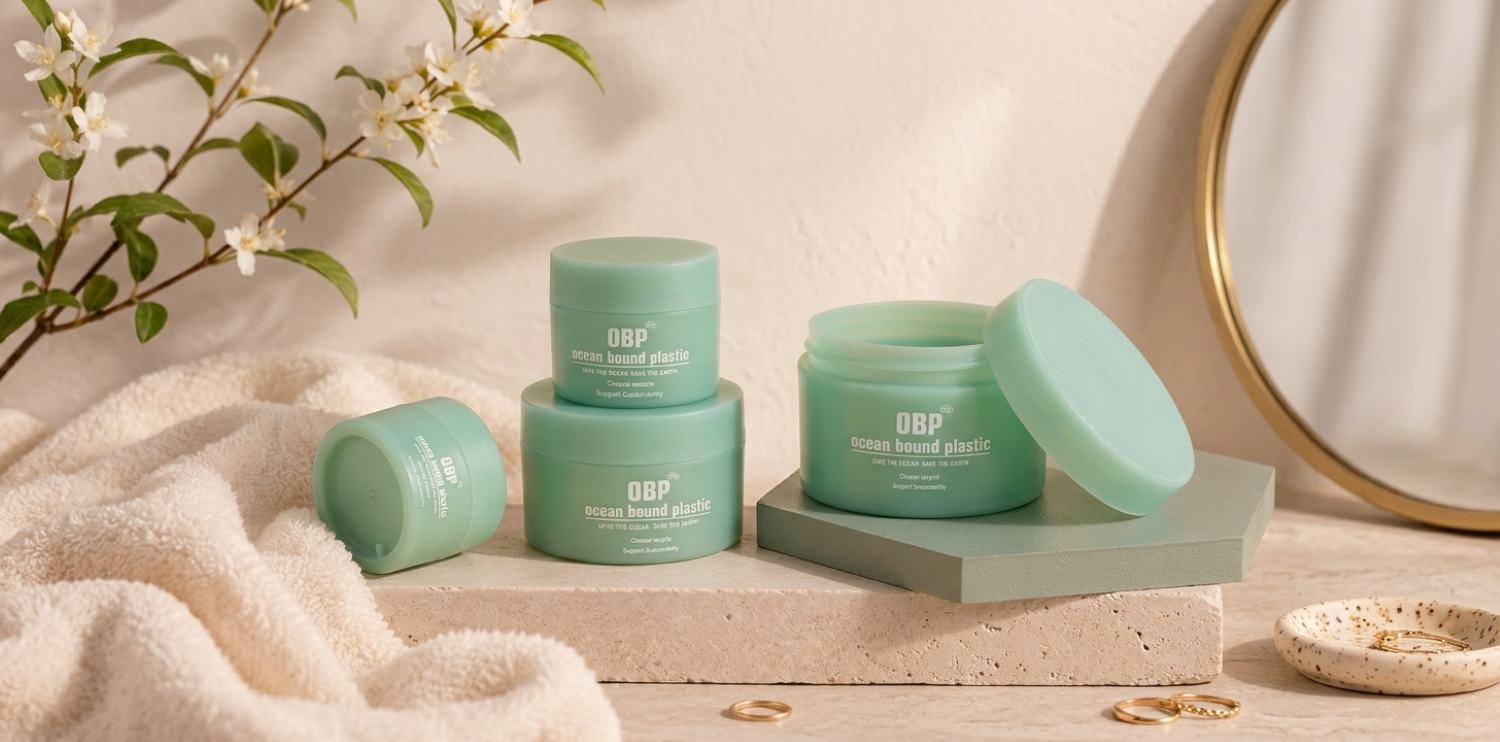
- Ocean-bound plastic packaging helps with ocean cleanup efforts.
- Bamboo jars give a natural look and hold up well over time.
- Refillable systems cut down on waste and help build customer loyalty.
- Light jars use less material and cut shipping costs.
- Supplier certifications and paperwork stop greenwashing problems.
Why Sustainable Cosmetic Jar Packaging Matters for Beauty Brands?
In 2026, sustainable cosmetic jar packaging is increasingly linked to market access, retail requirements, and consumer trust. EU Regulation 2025/40 sets recyclability requirements, while retailers increasingly request evidence for environmental claims. Consumers also want clearer information about a package’s environmental impact.
GIDEA PAC, a sustainable packaging manufacturer since 2003, serves over 1,000 cosmetic brands with PCR, rPET, ocean-bound plastic, bamboo, bio-based, and mono-material packaging options.
Each material supports a different sustainability goal. PCR and rPET increase recycled content, while OBP connects packaging with plastic recovery near coastlines. Bamboo provides a natural packaging option, and bio-based materials reduce reliance on fossil feedstocks. Mono-material cosmetic jars simplify packaging structures and can support better recycling outcomes.
Compliance is also part of sustainable packaging sourcing. PPWR establishes recyclability and recycled-content requirements, while REACH addresses chemical safety. GIDEA PAC provides certification and compliance support, including GRS, ISO 9001, SA8000, and EU 2025/40-related documentation.
Sustainability must also work in real-world use. Cosmetic jars need to protect formulas, prevent leakage, and withstand transportation. GIDEA PAC provides 100% leak testing and in-house R&D support for material compatibility with cosmetic formulas.
For brands, the key questions are simple: Is the material independently certified? Can the supplier provide the required compliance documents? Does the packaging meet performance requirements? A supplier that can answer all three helps turn sustainability goals into reliable cosmetic packaging rather than unsupported green claims.
Which Sustainable Materials Are Transforming Cosmetic Jar Packaging in 2026?
In 2026, sustainable cosmetic jar packaging is moving beyond virgin plastic. PCR, OBP, bamboo, bio-based materials, and mono-material designs give beauty brands different ways to reduce environmental impact, support compliance, and strengthen their sustainability positioning.
PCR Cosmetic Jars for Circular Packaging Solutions
Post-consumer recycled (PCR) plastic turns used consumer waste into new packaging, reducing reliance on virgin resin. GRS-certified PCR is available at 30%, 50%, and 100% content in materials such as PP, PET, and HDPE.
PCR cosmetic jars can support recycled-content and PPWR goals, although higher PCR content may slightly affect color or appearance. GIDEA PAC offers PCR options across its jar portfolio and can support recycled-content transparency for brands and retailers.
OBP Packaging for Ocean Plastic Recovery
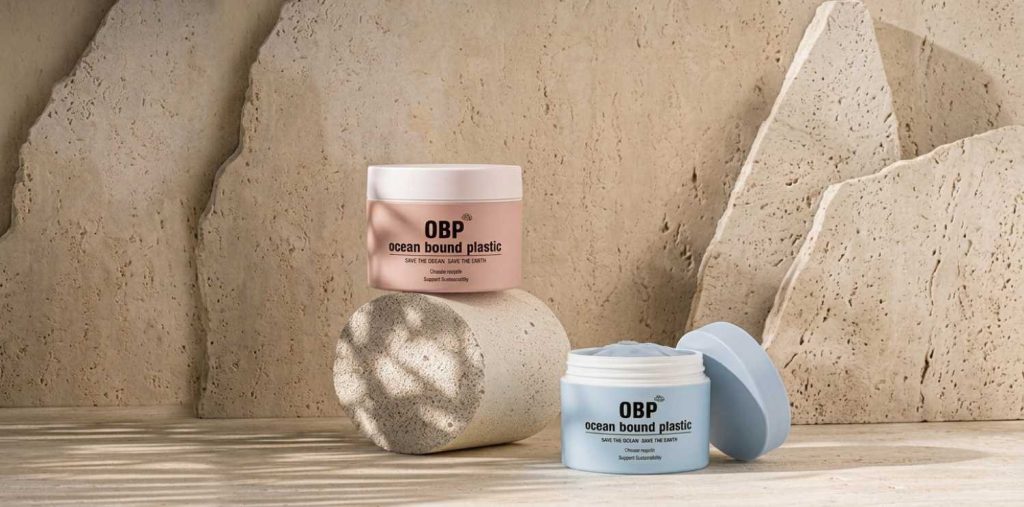
Ocean-bound plastic (OBP) comes from waste collected near coastlines before it reaches the sea. It gives brands a way to connect cosmetic packaging with marine plastic recovery while maintaining familiar plastic performance.
The Ocean Bound Plastic Certification Program verifies material collection and recovery, with Recycling and Neutrality subprograms. GIDEA PAC offers OBP packaging options for beauty brands seeking a traceable ocean-recovery story and sustainable cosmetic jar packaging.
Bamboo Cosmetic Jars for Natural Beauty Brands
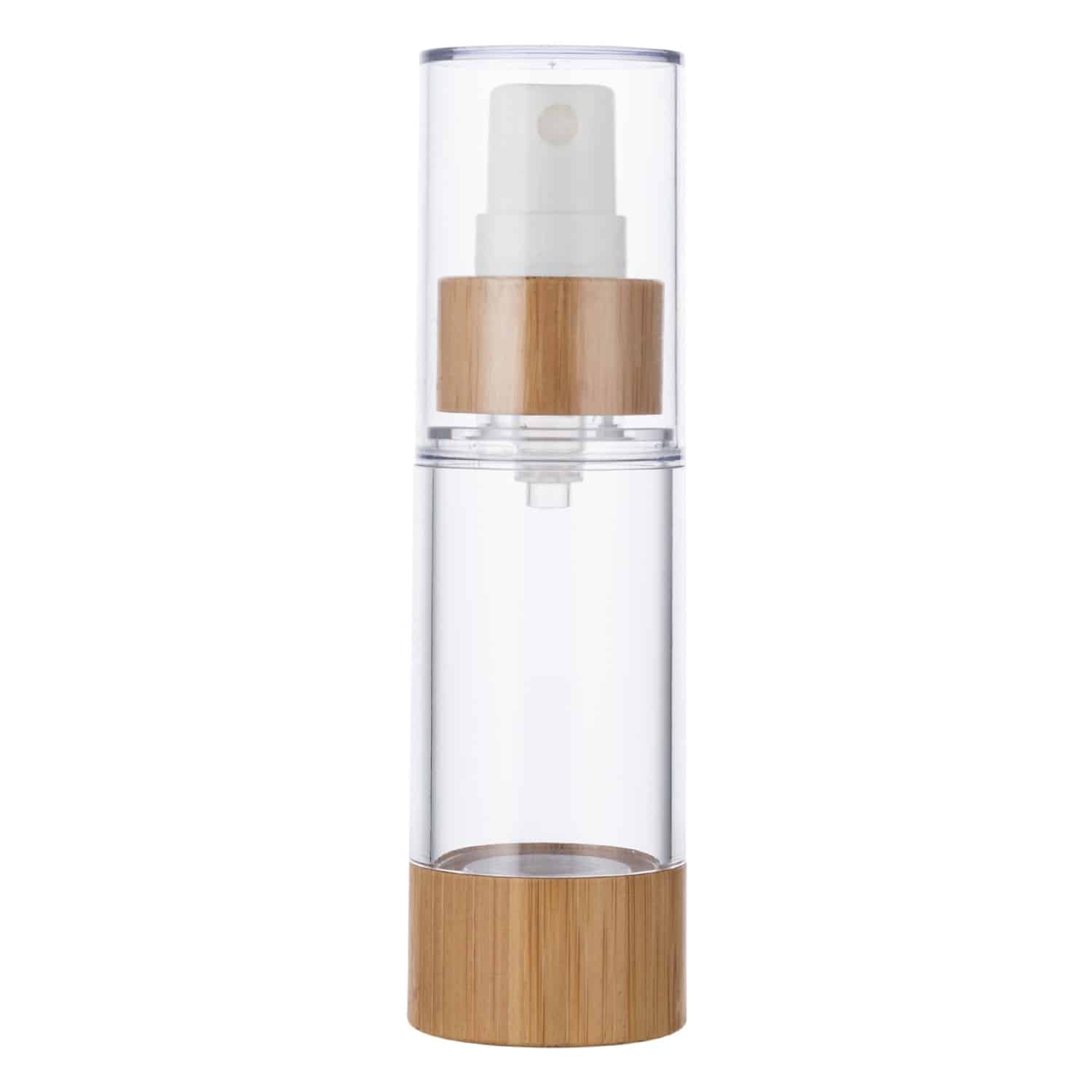
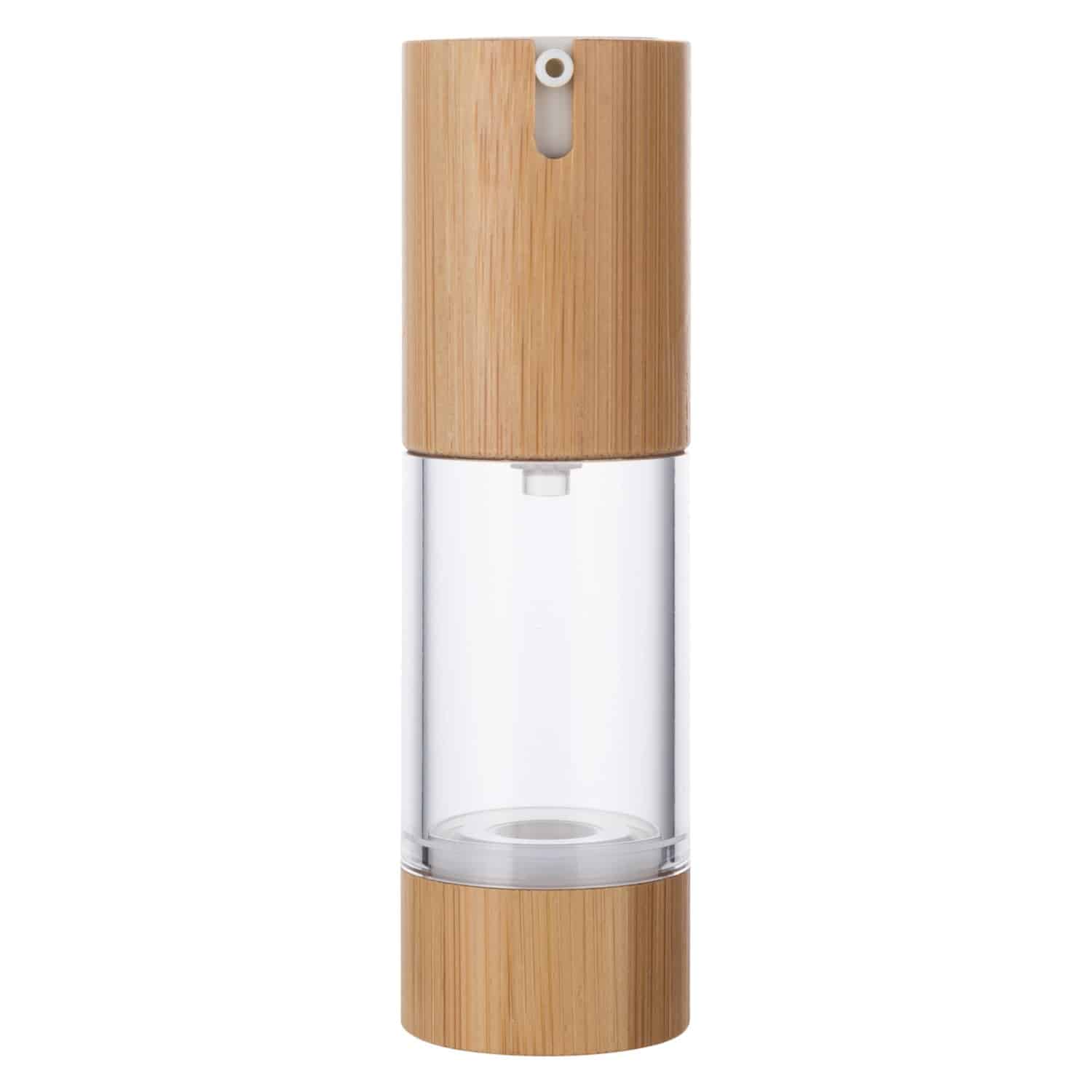
Bamboo cosmetic jars combine a natural appearance with functional inner materials such as glass, aluminum, or plastic. The outer bamboo component creates a warm, premium look, while the inner structure provides the protection required by cosmetic formulas.
Bamboo can also support refillable designs, allowing inner components to be replaced instead of discarding the entire package. Because bamboo is sensitive to moisture, suitable coatings, sealing, storage, and packaging protection are important. GIDEA PAC offers bamboo solutions for natural and clean beauty brands.
Bio-Based Cosmetic Packaging for Low-Impact Solutions
Bio-based cosmetic packaging uses renewable biological feedstocks instead of relying entirely on fossil-based raw materials. Unlike PCR and OBP, which recover existing plastic waste, bio-based materials focus on replacing conventional feedstocks.
GIDEA PAC includes bio-based packaging in its sustainable material portfolio. Brands should evaluate each option for formula compatibility, packaging performance, end-of-life pathways, and compliance documentation before making environmental claims.
Mono-Material Cosmetic Jars for Better Recycling
Mono-material cosmetic jars simplify packaging by using one main polymer or compatible materials across components. GIDEA PAC offers mono-material options such as PP, PE, and PET.
A mono-material structure can also combine with PCR content, such as a mono-PP jar using PP-PCR. This approach addresses both recycled content and recyclability. However, actual recycling depends on the final design, local collection systems, and available recycling infrastructure.
Sustainable Cosmetic Jar Design Trends Shaping Beauty Brands
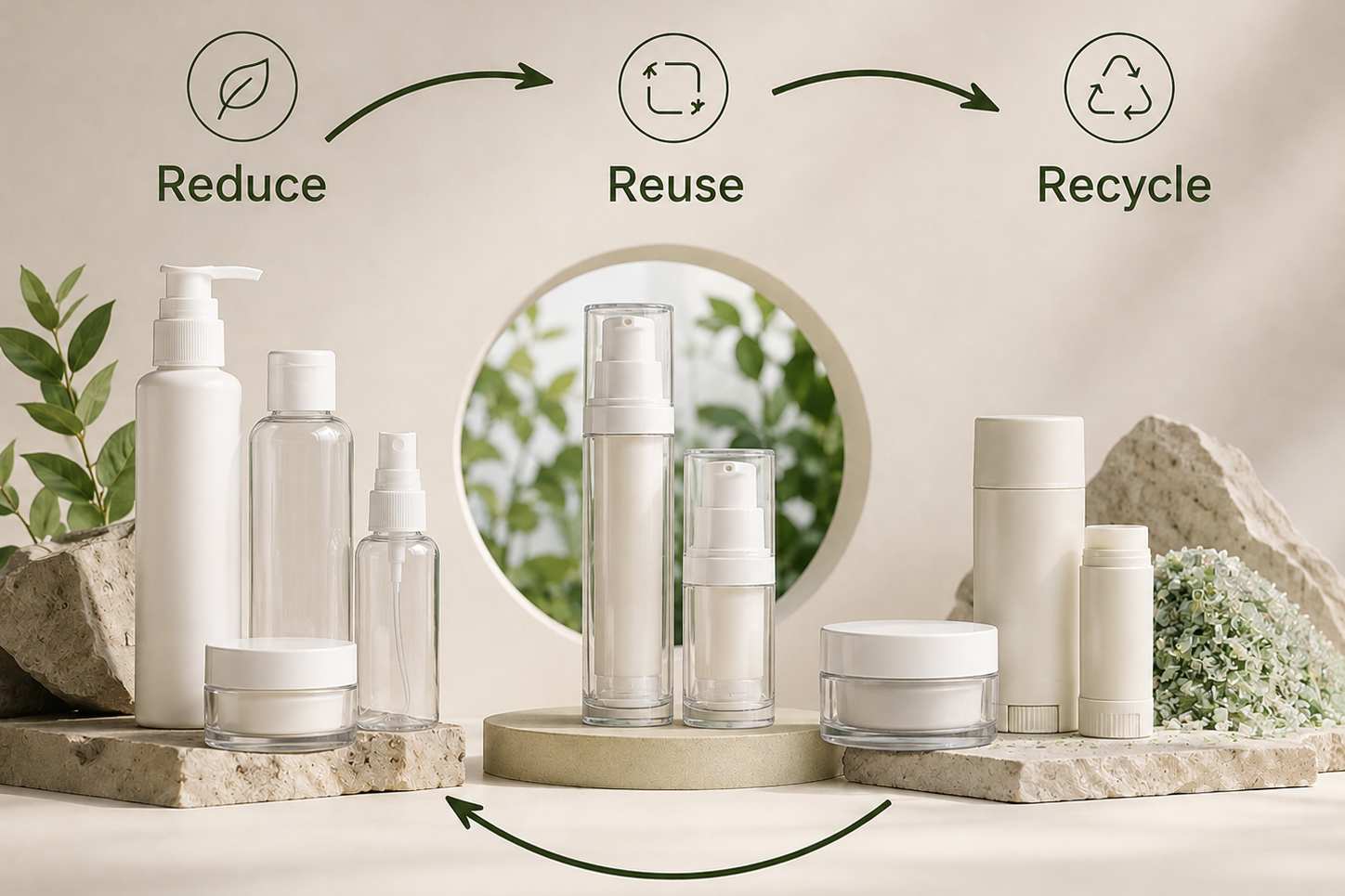
In 2026, refillable systems and lightweight construction are two key trends in sustainable cosmetic jar packaging. Both support the 3R principles while helping beauty brands reduce waste and prepare for PPWR requirements. GIDEA PAC incorporates these approaches into its sustainable packaging solutions.
Refillable Cosmetic Jar Systems Reduce Packaging Waste
Refillable cosmetic jars keep the outer container in use while consumers replace only the inner refill. This reduces packaging waste and supports the reuse principle. For beauty brands, refill systems can also encourage repeat purchases and strengthen customer loyalty.
The outer shell must withstand repeated use, while the refill needs secure sealing to prevent leakage and contamination. GIDEA PAC provides refillable jar solutions with 100% leak testing and in-house R&D for formula compatibility. Different material combinations can also help brands balance durability, cost, and sustainability.
Lightweight Jar Designs Improve Material Efficiency
Lightweight cosmetic jars reduce material consumption while maintaining the strength needed for filling, shipping, and daily use. Using less material can also reduce transportation weight and associated costs, supporting the reduce principle.
GIDEA PAC uses in-house R&D to balance wall thickness, durability, leak prevention, and formula compatibility. Lightweight designs can also be combined with mono-material structures to support recycling goals.
For sustainability claims, brands should request documented material reductions and relevant performance data from suppliers. This helps verify that lightweight cosmetic jar packaging delivers measurable improvements rather than simply using less material at the expense of performance.
Which 2026 Regulations Impact Sustainable Cosmetic Jar Sourcing?
Rules in the year 2026 affect every choice that brands make about how to get cosmetic jar packaging for their products. Brands that ignore rule deadlines may face fines, lose store sales, and have legal problems. Two main rule systems lead the way: the EU Packaging and Packaging Waste Regulation and US Extended Producer Responsibility laws. Each one sets clear rules for recycled content, recyclability, and green claims.
EU PPWR Requirements for Sustainable Cosmetic Packaging
The EU Packaging and Packaging Waste Regulation (PPWR) sets must-meet goals for all plastic packaging sold in Europe. Starting 1 January 2030, new rules require a minimum amount of recycled plastic in packaging. Most plastic packaging must contain at least 35% post-consumer recycled (PCR) content. Cosmetic jars must follow these same plastic packaging deadlines. Higher goals start on 1 January 2040.
The EU Green Claims Directive adds more rules. This rule stops brands from making unclear green claims like ‘eco-friendly’ or ‘green packaging’ without documented proof. Every green claim needs a paper trail. Brands must give certificate numbers, test reports, or life cycle data to back each claim. A supplier that cannot show recycled content amounts fails this rule.
| Regulation | Jurisdiction | Key Requirements | Compliance Timeline |
|---|---|---|---|
| EU PPWR | European Union | At least 30% recycled content for one-time use plastic; all packaging must be fully recyclable; minimum recycled content goes up by material type; EPR programs need brand payments | Now active (30% recycled content); By 2030 (fully recyclable, more recycled content) |
| EU Green Claims Directive | European Union | Stops unclear green claims without checked proof; every claim needs certificates, test reports, or life cycle data | Active |
| US FTC Green Guides | United States | ‘Recyclable’ claims need recycling in most customer areas; ‘biodegradable’ claims need clear conditions and time frames | Active |
US EPR Regulations and Green Packaging Guidelines
US Extended Producer Responsibility (EPR) programs require brands to contribute to packaging collection and recycling costs in participating states. Requirements and deadlines vary by state, so brands selling nationwide need to review each applicable market.
The FTC Green Guides also affect environmental marketing claims. “Recyclable” claims should reflect actual recycling availability, while “biodegradable” claims need appropriate conditions and time frames. Unsupported claims can create compliance and reputational risks.
Sourcing teams can use a simple process: define target markets and sustainability goals, verify supplier certifications, confirm recycled content and material types, conduct packaging performance and recyclability checks, and maintain a compliance file for each product.
GIDEA PAC supports sustainable cosmetic packaging projects with GRS, ISO 9001, SA8000, and EU 2025/40-related compliance support. Its services include free design support, 7-day rapid prototyping, flexible MOQ, 100% leak testing, and in-house R&D and QC.
Before signing a supply agreement, brands should confirm material consistency, certification validity, recyclability documentation, and packaging performance. Keeping certificates, test reports, recycled-content records, and other supporting data together helps reduce compliance risks and provides stronger evidence for sustainability claims.
How to Source Sustainable Cosmetic Jars from Reliable Suppliers
Sourcing teams need a clear way to distinguish reliable sustainable packaging suppliers from greenwashing risks. A structured evaluation can reduce quality, compliance, and retail-access risks.
Evaluate Sustainable Cosmetic Packaging Supplier Capabilities
A reliable supplier should offer more than a product catalog. Key factors include OEM and ODM services, manufacturing experience, customization, flexible MOQ, quality control, R&D, prototyping, and clear communication.
GIDEA PAC has provided sustainable packaging solutions since 2003. Its services include free design support, 7-day rapid prototyping, flexible MOQ, 100% leak testing, in-house R&D, and strict QC.
Select the Right Materials for Your Cosmetic Jar Packaging
Material selection should match the cosmetic formula, packaging performance, shipping conditions, sustainability goals, and end-of-life options. PET and PP offer lightweight and recyclable options, while PCR, rPET, OBP, bamboo, bio-based, and mono-material solutions address different sustainability needs.
Brands should request material specifications and samples, then test the selected cosmetic jar with the actual formula before mass production. This helps balance sustainability with protection, durability, and usability.
Verify Sustainability Certifications and Material Claims
Certifications and supporting documents help brands verify sustainability claims. Depending on the project, buyers may review GRS for recycled content, ISO 9001 for quality management, ISO 14001 for environmental management, and SA8000 for social responsibility.
Sourcing teams should independently check certificate numbers, validity, scope, and certification bodies. They should also request batch-level recycled-content data and supporting test reports before approving a supplier.
Prepare Compliance Documents for Global Markets
Global sourcing requires documentation that matches each target market. Depending on the cosmetic jar and destination, this may include material specifications, test reports, declarations, certifications, recycled-content evidence, and environmental documentation.
Identify regulatory requirements before production and maintain a compliance file for each SKU. Update the file whenever the material, component, supplier, or production process changes. This helps prevent documentation gaps from delaying international product launches.
Sustainable Cosmetic Jar Packaging FAQs
What Is Sustainable Cosmetic Jar Packaging?
Sustainable cosmetic jar packaging aims to reduce environmental impact through recycled, renewable, recyclable, refillable, or lower-impact materials and designs. The right solution should also consider product protection, durability, and end-of-life options.
Which Sustainable Materials Are Best for Cosmetic Jars?
There is no single best material for every cosmetic jar. PCR supports recycled-content goals, OBP focuses on ocean-bound plastic recovery, bamboo offers a natural look, bio-based materials use renewable feedstocks, and mono-material structures can support easier recycling.
The choice should match the formula, packaging performance, sustainability goals, and target market.
How Do Beauty Brands Choose a Sustainable Cosmetic Jar Supplier?
Look for a supplier with proven manufacturing experience, material options, quality control, customization, documentation, and reliable prototyping. GIDEA PAC offers OEM and ODM services, free design support, 7-day rapid prototyping, flexible MOQ, and 100% leak testing.
What Certifications Are Needed for Sustainable Cosmetic Packaging?
Requirements depend on the material, market, and environmental claim. Certifications such as GRS can support recycled-content claims, while ISO 9001 and ISO 14001 cover quality and environmental management.
Always verify the certificate’s validity, scope, certification body, and whether it applies to the specific cosmetic jar or material being purchased.
Our Sustainable Cosmetic Jar Packaging Solutions for Beauty Brands
GIDEA PAC brings more than 20 years of cosmetic packaging experience to beauty brands worldwide. Its sustainable cosmetic jar packaging services cover design, OEM and ODM manufacturing, material selection, prototyping, and quality control. This integrated approach helps brands move from an initial concept to production with fewer sourcing steps.
Custom Cosmetic Jar Design and Development Support
GIDEA PAC provides free design support to help brands develop custom cosmetic jars around their product and visual requirements. 3D modeling and rapid prototyping allow teams to review dimensions, structure, appearance, and usability before mass production.
The company can also modify existing molds for specific size requirements, helping brands avoid unnecessary tooling costs when possible. Its in-house development capabilities support custom shapes, colors, finishes, printing, and other packaging details.
Flexible OEM and ODM Packaging Manufacturing
GIDEA PAC provides both OEM and ODM cosmetic packaging manufacturing for brands with different development needs. OEM projects can follow an existing design, while ODM support helps brands develop packaging from an initial concept.
Flexible MOQ options can make custom sustainable cosmetic jar packaging more accessible for growing brands. The company also provides 100% leak testing and in-house R&D support to help maintain packaging performance during production.
Sustainable Material Selection and Application Guidance
Choosing sustainable packaging requires balancing environmental goals with product compatibility and packaging performance. GIDEA PAC helps brands compare options such as PCR, OBP, bamboo, bio-based, and mono-material packaging based on the needs of each project.
The team can also support decisions around packaging structure, finishes, and component combinations. This helps brands avoid choosing a sustainable material that does not provide the required protection, usability, or production performance.
Quality Control and Global Packaging Compliance
Consistent quality is essential when sustainable cosmetic jars move from prototypes to large-scale production. GIDEA PAC uses quality control processes and testing to check packaging performance and batch consistency.
The company also supports documentation and compliance requirements for international packaging projects. By combining material information, testing, certification support, and production QC, GIDEA PAC helps beauty brands develop sustainable cosmetic packaging with greater confidence for global markets.