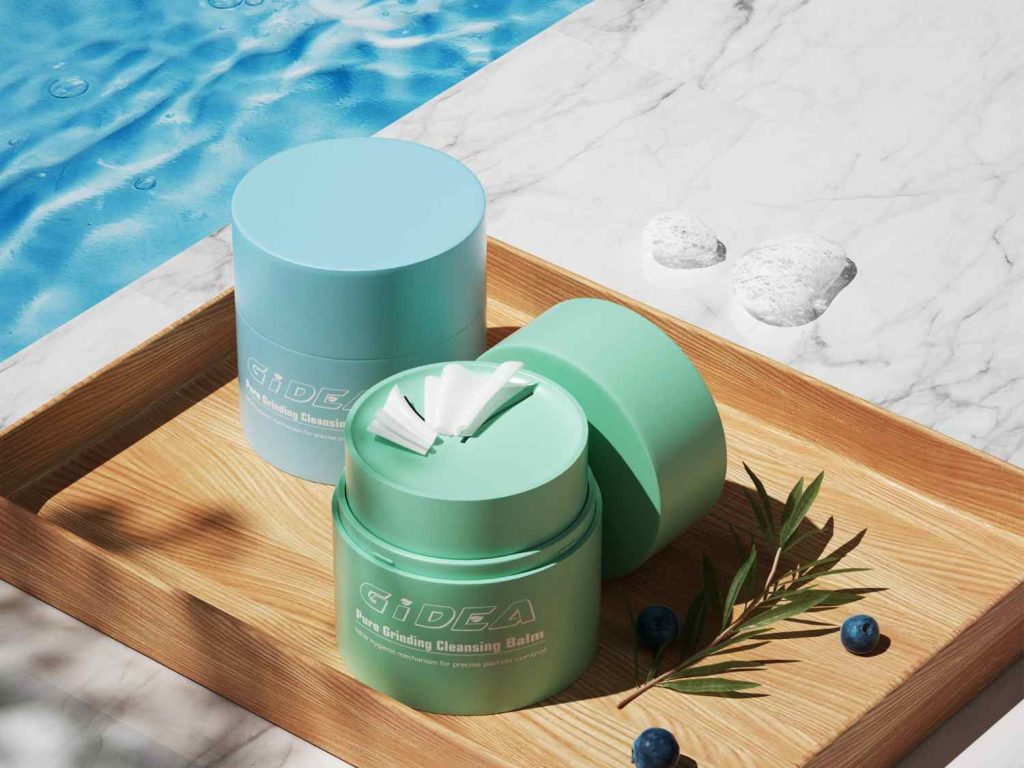
Sustainable Cosmetic Packaging is becoming essential as the global beauty industry creates 120 billion packaging units every year. Beauty brands face growing pressure to lower plastic waste and follow strict environmental laws, like the EU PPWR starting on August 12, 2026. Using eco-friendly practices reduces overall carbon footprints, creates strong customer loyalty, and supports long-term compliance. Eight main sustainable choices lead this eco-friendly change: PCR Plastics, Glass Containers, Aluminum Vessels, Bioplastics, Refillable Systems, Paperboard/Molded Pulp, Bamboo & Wood, and Mono-Material Designs. Skilled manufacturing partners like GIDEA help global beauty brands switch smoothly to sustainable Cosmetic Packaging without risking product quality, container safety, or attractive design.
Key Takeaways
- Beauty companies need to use green packaging to reduce plastic trash and follow international environmental rules.
- Eco-friendly choices like recycled plastics, glass, aluminum, and bioplastics greatly cut down on carbon emissions.
- Reusable containers and single-material designs protect delicate beauty products while making recycling easier for everyday shoppers.
- Businesses can team up with makers like GIDEA to create strong, custom green packaging fast.
Understanding Eco-Friendly Sustainable Cosmetic Packaging Solutions
Today, modern beauty companies must follow tough eco-friendly rules worldwide. Smart regulations like Extended Producer Responsibility make companies handle their own waste. Under European law, a producer means the maker or importer of packed goods. Also, internet shops that ship goods straight to buyers must follow these rules. Companies must sign up with official groups and manage collecting, recycling, and throwing away trash safely. These costs depend on how heavy the package is and its material. These price rules push companies to pick green designs and use less stuff for inside, middle, and outside boxes.
Why Sustainable Packaging Matters for Modern Beauty Brands
Post-Consumer Recycled plastics help reduce the need to dig up new raw materials. Things like recycled PET and Ocean-Bound Plastic stop plastic trash from filling dumps, rivers, and oceans. Making products with recycled PET uses 79% less energy than using fresh PET, saving limited natural resources. Recycled PET also cuts greenhouse gases by up to 87% compared to new plastic. Factory partners such as GIDEA offer top-quality Cosmetic Packaging choices made with up to 100% Post-Consumer Recycled materials for bottles, jars, and tubs. These choices help worldwide beauty brands shrink their carbon output while keeping product containers strong, clean, and safe.
Glass provides great benefits for high-end skin products, face oils, and soft creams. This high-quality material guards beauty items using a few main features:
- It stays chemically safe and protects formula freshness by never reacting with active mix ingredients.
- It forms a total shield against air and wetness to help products last longer on shelves.
- It can be recycled completely and endlessly without losing any of its strength or purity.
- It gives a high-end look and heavy feel that shows true luxury, clear quality, and elegance.
Independent eco-labels prove green claims and protect companies from fake environmental claims. Well-known global standards test where materials come from, how they rot, and their total green life cycle:
| Eco-label | Criteria |
|---|---|
| FSC (Forest Stewardship Council) | Paper and wood-based materials from responsibly managed forests that meet environmental, social, and economic standards. |
| PEFC (Programme for the Endorsement of Forest Certification) | Sustainable forest management and global traceability for eco-friendly sourcing of timber and paper. |
| How2Recycle | Standardized labeling that helps consumers correctly recycle packaging by indicating material type and recyclability. |
| Cradle to Cradle Certified | Holistic evaluation across material health, material reutilization, renewable energy, water stewardship, and social fairness. |
| ASTM D6400 | Certification that a material meets industrial compostability standards, ensuring decomposition without harmful residues. |
| OK Compost (Industrial & Home) | Certifies that packaging is industrially or home compostable, decomposing without harmful residues. |
| ISO 14021 | Guidelines for self-declared environmental claims to ensure packaging transparency and credibility. |
| USDA BioPreferred | Certifies bio-based content from renewable materials, reducing reliance on fossil fuels and enhancing biodegradability. |
Using green packaging shields natural environments and builds strong buyer trust. Proven green materials help beauty brands make clear, honest environmental promises using ISO 14021 rules. Today, beauty brands cut daily trash, follow legal duties, and keep high standards for container performance. Picking the right green packaging options ensures great formula defense, lowers total carbon output, helps manage resources wisely, and pushes a circular model for cosmetics everywhere.
8 Eco-Friendly Common Sustainable Cosmetic Packaging Solutions
1. PCR Packaging Solutions for Recycled Cosmetic Containers
PCR packaging uses post-consumer recycled plastic to reduce reliance on virgin materials. It is suitable for cosmetic bottles, jars, and other containers while supporting recycled-content goals.
2. OBP Packaging Solutions Using Recovered Ocean Plastic
Ocean-Bound Plastic (OBP) is recovered from areas at risk of plastic entering waterways. Using OBP in cosmetic packaging helps brands give discarded plastic a new application.
3. Bamboo Packaging Solutions from Renewable Resources
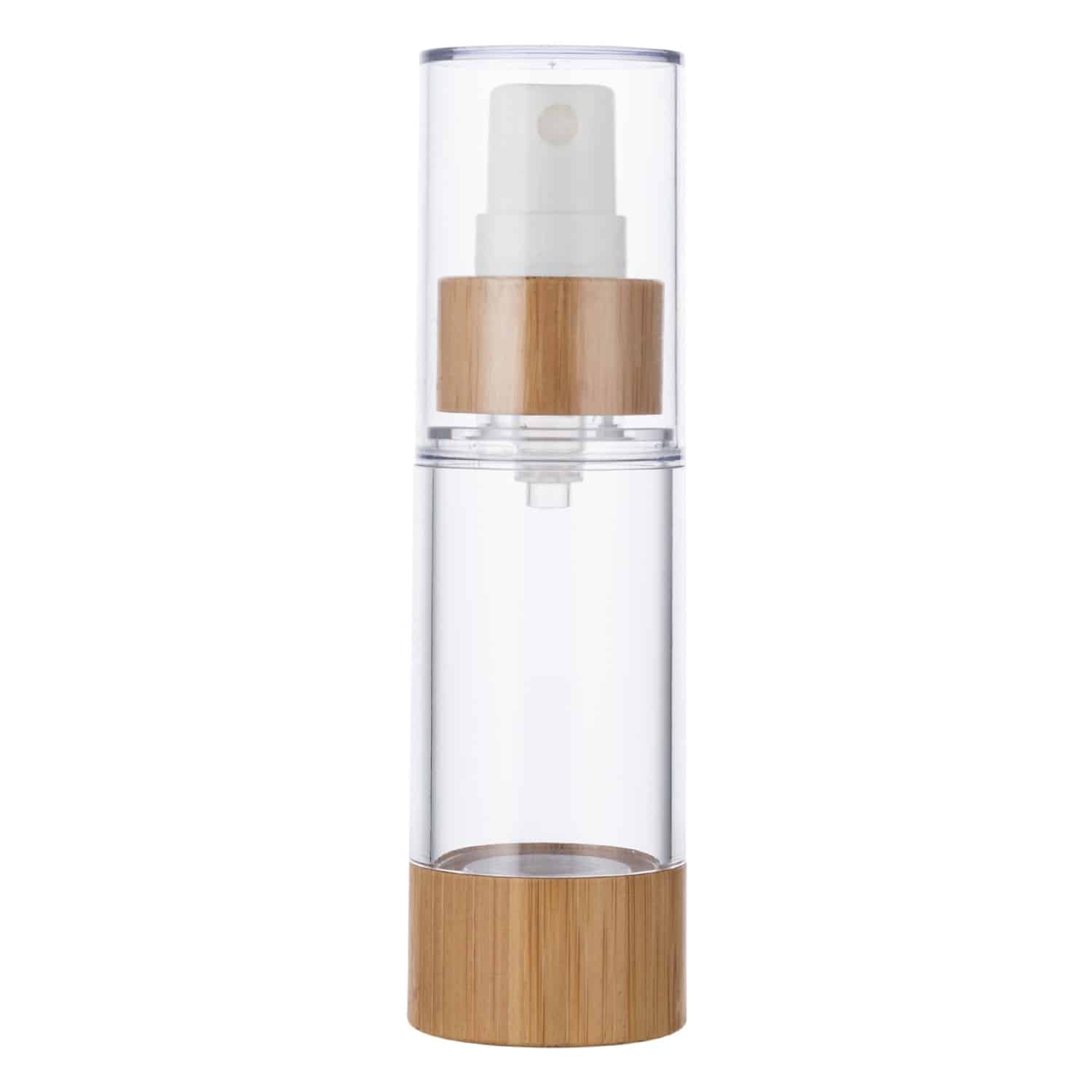
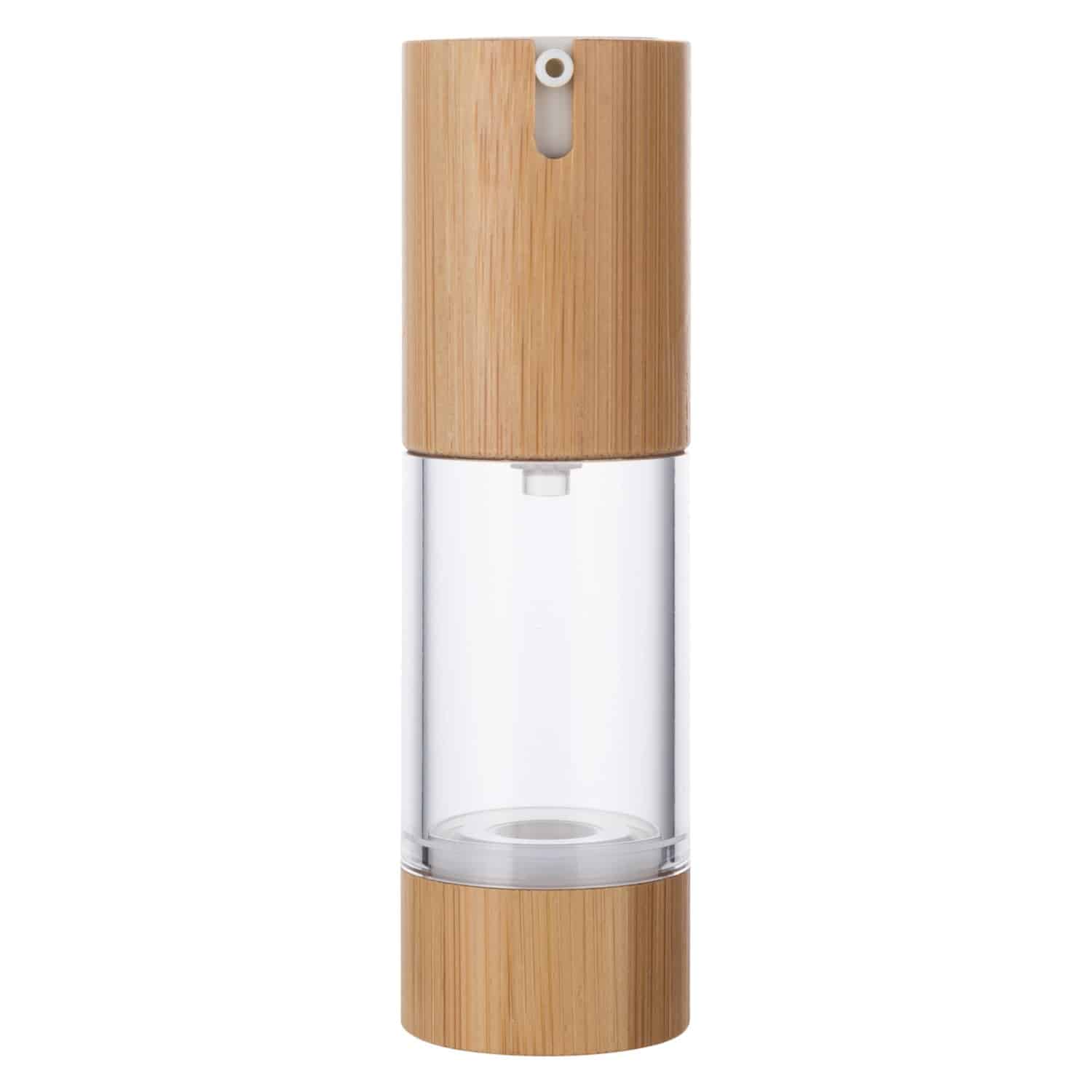
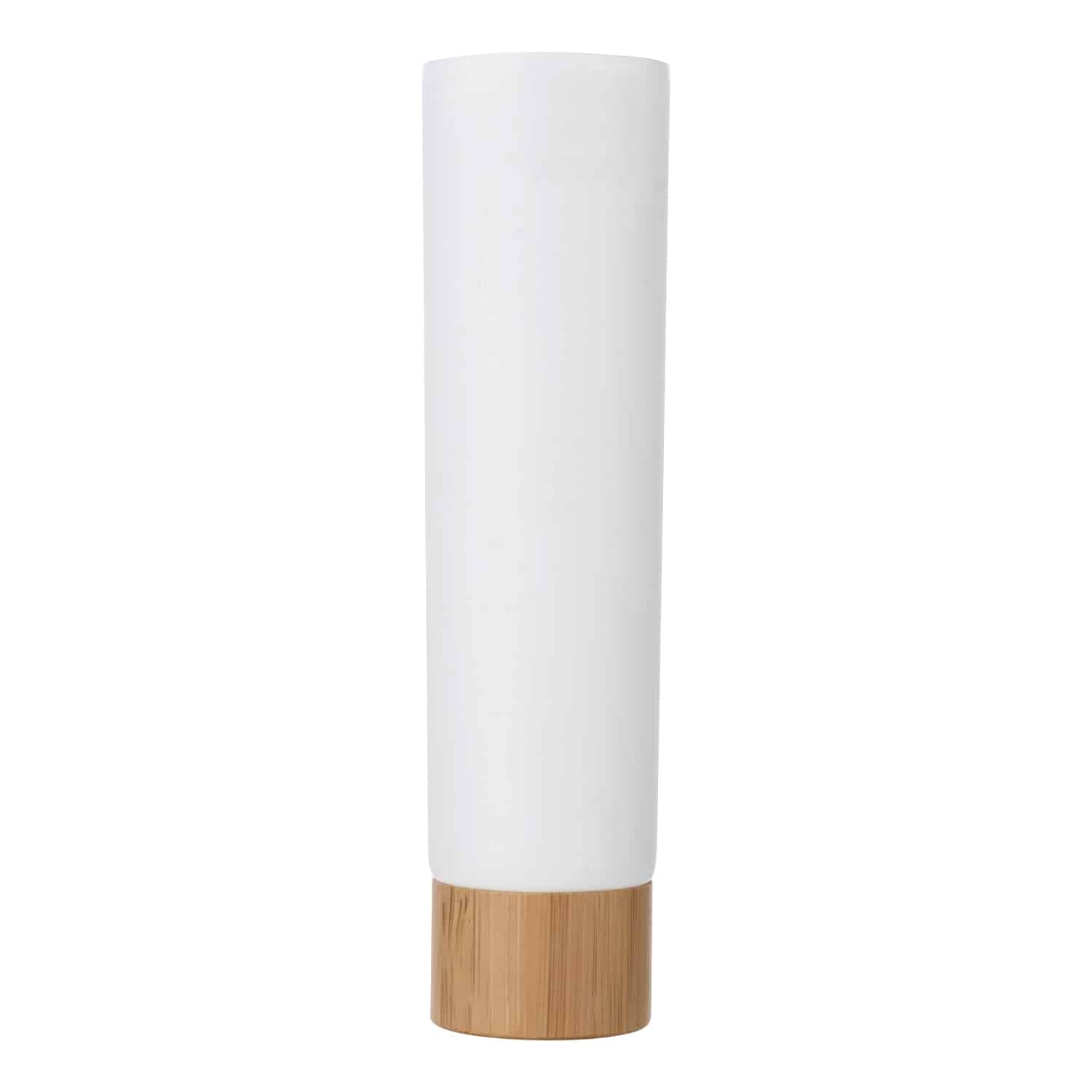
Bamboo packaging uses a rapidly renewable natural material to create a distinctive alternative to conventional plastic components. It works well for beauty products seeking a more natural packaging appearance.
4. Bio-Based Packaging Made from Plant Derived Materials
Bio-based packaging incorporates materials derived from renewable biological resources. It gives brands another way to reduce dependence on fossil-based feedstocks while maintaining functional packaging performance.
5. Refillable Packaging Systems for Circular Beauty Brands
Refillable packaging is designed for repeated use instead of replacing the entire container after each purchase. This approach supports circular packaging models and can reduce packaging waste over multiple product cycles.
6. Paper-Based Packaging for Sustainable Cosmetic Products
Paper-based packaging replaces selected plastic components with fiber-based materials. It can be considered for secondary packaging and applications where a paper structure provides sufficient protection and presentation.
7. Mono-Material Packaging for Easier Recycling Processes
Mono-material packaging uses one primary material to simplify packaging structures. Fewer material combinations can make sorting and recycling more straightforward, supporting recyclable-by-design strategies.
8. Lightweight Packaging Designs to Reduce Material Usage
Lightweight packaging achieves the required product protection with less material. Lower packaging weight can help reduce resource consumption and transportation impacts without changing the core packaging function.
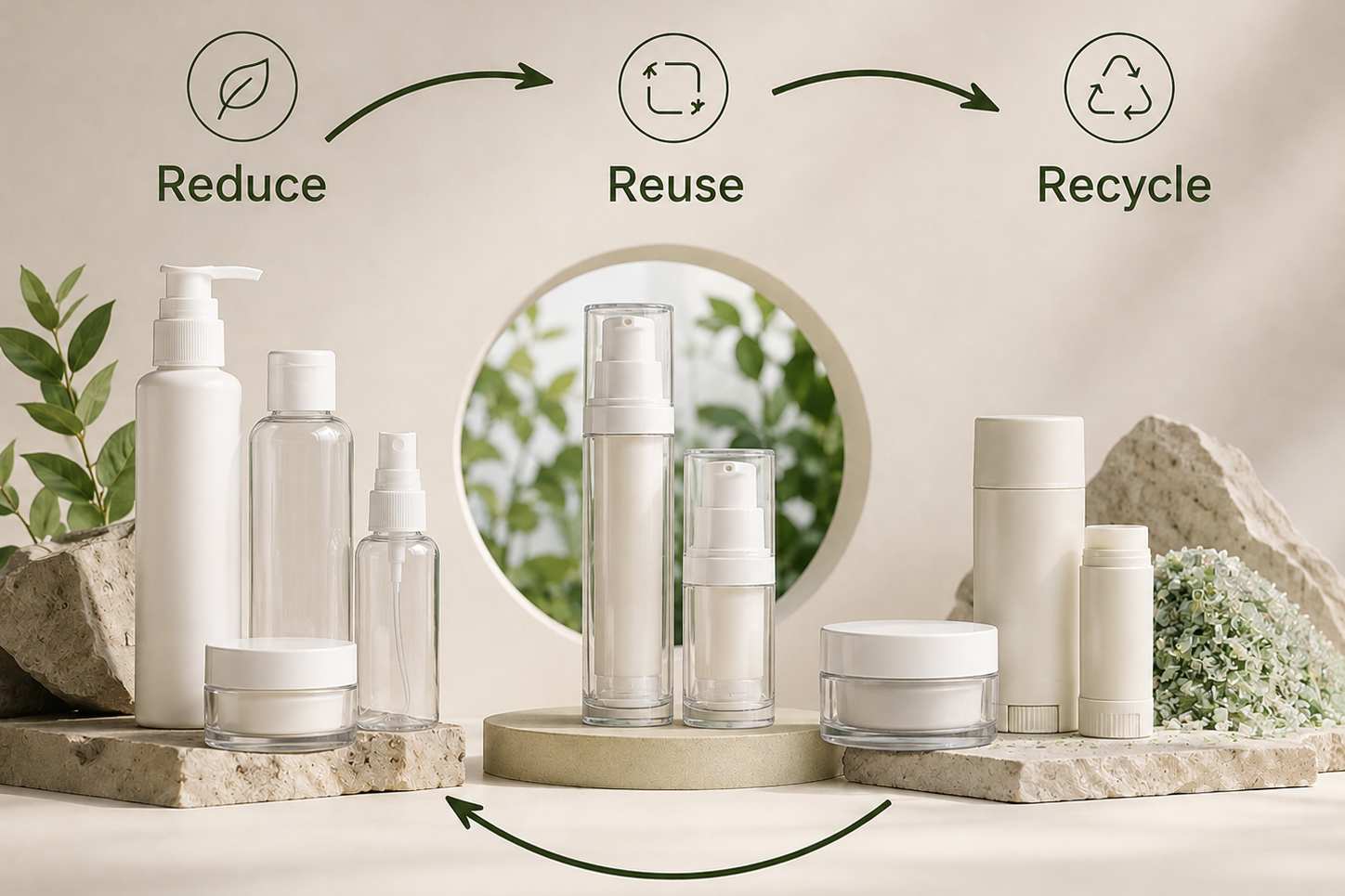
GIDEA combines sustainable materials with circular design principles such as Reduce, Reuse, Recycle, and Buy Recycled to develop packaging solutions for global cosmetic brands.
Comparing Sustainable Cosmetic Packaging Solutions and Materials
Environmental Benefits Across Different Packaging Solutions
Reusable container choices greatly cut down on daily factory waste. Smart beauty companies lower carbon output by swapping single-use bottles for tough refillable packaging. Reusable items lower the need for digging up fresh raw materials worldwide. These smart changes help businesses meet tough green goals and lighten shipping weights. Shoppers enjoy handy reusable pumps, sturdy outer covers, and easy replacement pods.
| Metric | Reduction | Source |
|---|---|---|
| Beauty industry carbon emissions | Up to 70% | Legacy Printing article |
| Greenhouse gas emissions | Up to 70% | Ellen MacArthur Foundation |
| Supply chain emissions | 40% | 2024 McKinsey report |
Recycled metal boxes bring extra helpful perks for our planet. Aluminum jars offer endless recycling options without losing any strength or purity. Reusing old metal uses way less energy than making fresh metal from raw ore. Liquid soaps, creams, and body sprays stay fresh in tough aluminum bottles.
It takes up to 95% less energy to recycle aluminum than produce new aluminum.
Choosing Suitable Materials for Cosmetic Product Applications
Picking materials depends on how sensitive a formula is to outside air. Single-material packaging like all-PE plastic makes full recycling much simpler for everyone. However, single-material plastic lacks the total shielding power of multi-layer wraps with aluminum foil or EVOH. Multi-layer wraps offer top protection against air, water, and light for gentle face creams. Beauty brands must carefully balance strong shield defense with easier container recycling during early design work.
Product safety decides which final material works best for every product line. Gentle face oils, active vitamins, and rich creams need safe containers to stop fast spoilage. Global companies pick custom Cosmetic Packaging choices based on specific formula needs and shelf life goals. Smart material choices protect gentle beauty goods while meeting big company green goals. Packaging experts test every material mix to ensure total product safety, quality, and great looks.
How to Select the Right Sustainable Cosmetic Packaging Solution
Consider Product Requirements and Material Compatibility
Choosing the right container means matching your product’s needs with smart design features. Refillable airless bottles and solid twist-up sticks help cut down on long-term pollution. Airless pumps block extra air to keep skin serums fresh without added chemicals. Meanwhile, solid stick formats easily hold water-free formulas and remove the need for extra outer boxes.
Good product design builds strong customer loyalty in busy beauty markets. Features like snap-in refills make buying new pods simple and convenient for everyday users. Shoppers keep the original outer case and buy smaller replacement pods as needed. This smart setup uses less new plastic, lowers shipping weights, and keeps customers coming back.
Balance Sustainability Goals with Packaging Performance
Green containers must stay strong during long travel and rough shipping routes. Quality teams check container strength by dropping boxes using standard test guidelines like ASTM D5276. Testing steps follow a simple process:
- Drop the test box five times on its weakest side, strongest side, longest edge, shortest edge, and main corner.
- Write down the drop height, box position, hit point, and any visible damage after every single drop.
- Check all final test results by splitting simple surface scratches from major problems like broken seams or bad leaks.
For glass beauty bottles, watch out for dangerous cracks, chips, broken pumps, liquid leaks, and glass hitting glass. Cardboard dividers and shaped trays help prevent bottles from smashing into each other during transit. Always check bottle caps and neck threads after impact because unbroken glass can still leak liquid. Set clear pass or fail rules: critical flaws, major leaks, normal trade scuffs, and minor outer surface marks.
Hard physical testing ensures great container strength without losing focus on green goals. Product testers check bottle caps and pump parts to stop bad leaks during long trips. Safe protective packaging keeps active formulas fresh, stops shipping losses, and supports smart recycling programs worldwide.
Frequently Asked Questions About Sustainable Cosmetic Packaging
What Is the Most Sustainable Cosmetic Packaging Solution?
There is no single best option for every product. Refillable, PCR, bamboo, mono-material, bio-based, and recyclable packaging can each reduce environmental impact in different ways. The right choice depends on the formula, packaging function, durability, and end-of-life requirements.
Is PCR Packaging Better Than Traditional Plastic Packaging?
PCR packaging can reduce reliance on virgin plastic by incorporating recovered post-consumer materials. Its suitability depends on the required appearance, performance, recycled content, and application. GIDEA offers PCR packaging options for brands seeking more sustainable cosmetic containers.
Are Sustainable Cosmetic Packaging Solutions More Expensive?
Costs vary by material, design, production volume, customization, and processing requirements. Sustainable packaging does not always mean significantly higher costs, especially when material selection and packaging structure are optimized for the specific product and order volume.
Sustainable Cosmetic Packaging Solutions We Provide
Custom Eco Friendly Cosmetic Packaging Development Services
GIDEA operates as a trusted global manufacturer and wholesale supplier of low-carbon containers. The engineering team builds custom molds for modern beauty lines. Brands receive quick 7-day rapid prototyping services for fast market evaluation. Dedicated testing operators perform 100% leak testing on every container design. This careful process guarantees high product safety for sensitive creams and liquid formulas.
Flexible minimum order quantities help emerging beauty brands expand without financial risk. The facility produces durable Cosmetic Packaging solutions using up to 100% Post-Consumer Recycled materials, Ocean-Bound Plastic, and bio-based resins. Designers help cosmetic companies customize container colors, surface textures, and functional shapes. These structural choices lower supply chain emissions while maintaining total formula protection.
Sustainable Material Selection and Design Consultation
Selecting eco-friendly inks and surface treatments protects formula stability and natural habitats. GIDEA guides brands through certified decoration choices that improve container circularity.
| Ink Type | Main Ingredients | Environmental Impact | Best Use Cases |
|---|---|---|---|
| Soy and vegetable-based | Soybean oil, natural resins | Reduced VOCs, improved de-inkability | Recyclable containers |
| Water-based | Water, polymer dispersion | Minimal VOCs, strong recycling compatibility | Kraft paper, compostable fiber |
| Low-migration UV/EB | Cured resin networks | Reduced emissions, energy-efficient curing | Cosmetic Packaging |
| Bio-based (algae) | Algae pigments | Very low carbon impact | Advanced green targets |
Surface coatings guard decorative artwork without disrupting standard recycling facilities. Water-based aqueous coatings provide gloss, matte, satin, or soft-touch surface finishes. These protective coatings remain 100% biodegradable and fully recyclable for clean waste streams. Brands should avoid standard film lamination due to its negative impact on material recovery. GIDEA delivers expert material consultation to keep your product lines fully compliant with modern environmental regulations.
OEM Manufacturing for Green Cosmetic Packaging Solutions
GIDEA supports OEM production for brands that need consistent, scalable cosmetic packaging supply. Our manufacturing capabilities cover bulk production, quality control, and production specifications for different skincare and beauty applications. From initial production orders to larger-volume supply, we help maintain consistent packaging quality and reliable delivery for long-term brand programs.