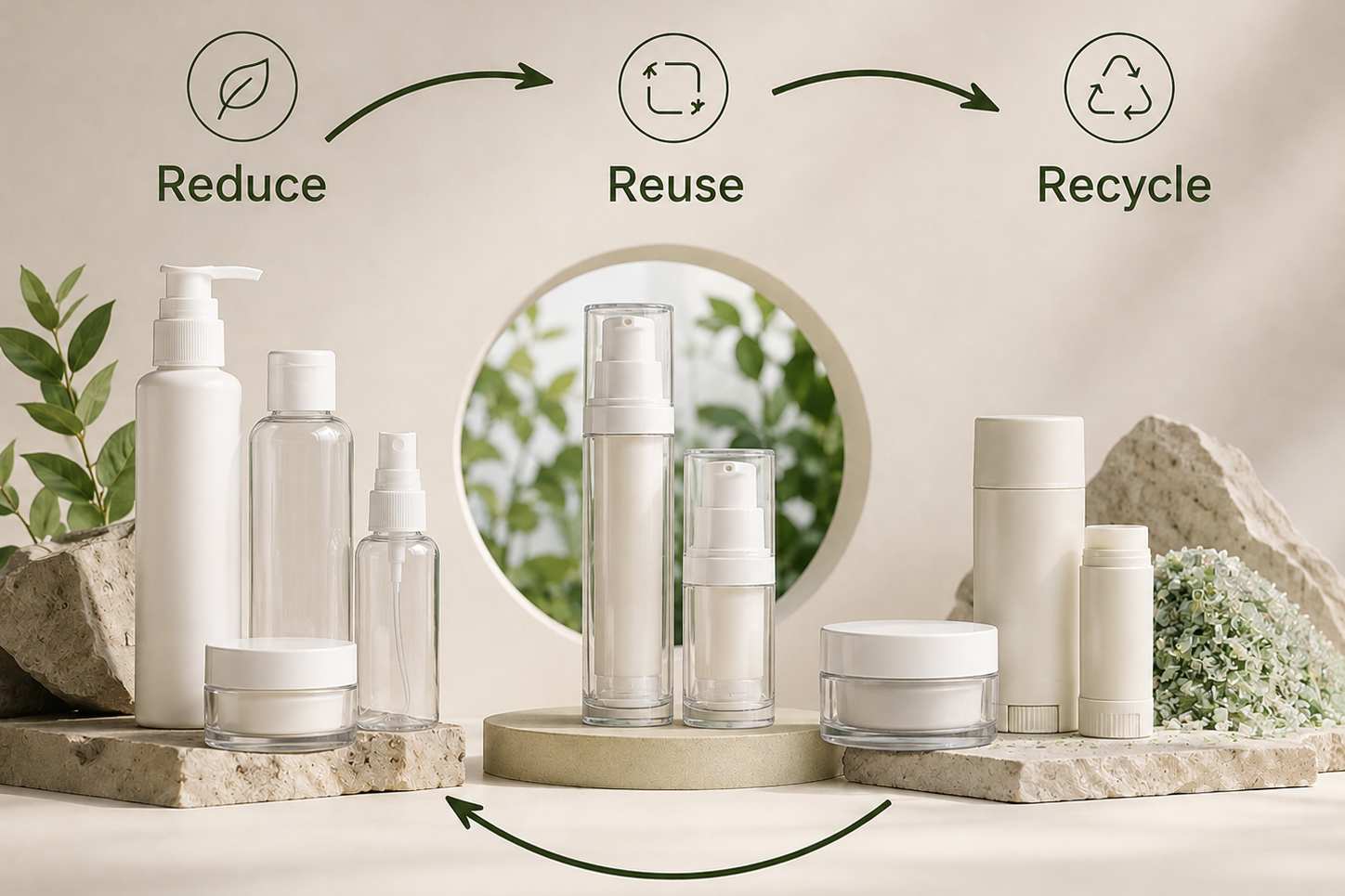
Sustainable cosmetic packaging involves designing containers and materials that reduce harm to the environment over their entire life cycle, from raw material extraction to disposal. This approach follows three main principles. Circularity means keeping materials in use longer through recycling and reuse. Reduced environmental impact means lowering waste and emissions during production and after use. Responsible sourcing ensures materials come from ethical and renewable sources.
This topic is important now because the global sustainable packaging market is expected to reach $448.5 billion by 2030, growing at 7.6% each year. Businesses and consumers both see the value of making eco-friendly choices. Knowing these principles helps people spot real sustainable packaging materials and take simple steps toward greener options.
Key Takeaways
- Sustainable packaging follows three principles: circularity, reduced impact, and responsible sourcing.
- Brands can cut down on waste by picking lighter materials, using recycled content, and making products that can be recycled.
- Refillable and take-back systems keep materials in use and greatly reduce waste.
- Using PCR and recyclable materials cuts down on energy use and meets what customers want for eco-friendly products.
- Begin with a packaging audit to find easy wins, and team up with skilled suppliers to grow your efforts.
Keys of Sustainable Cosmetic Packaging
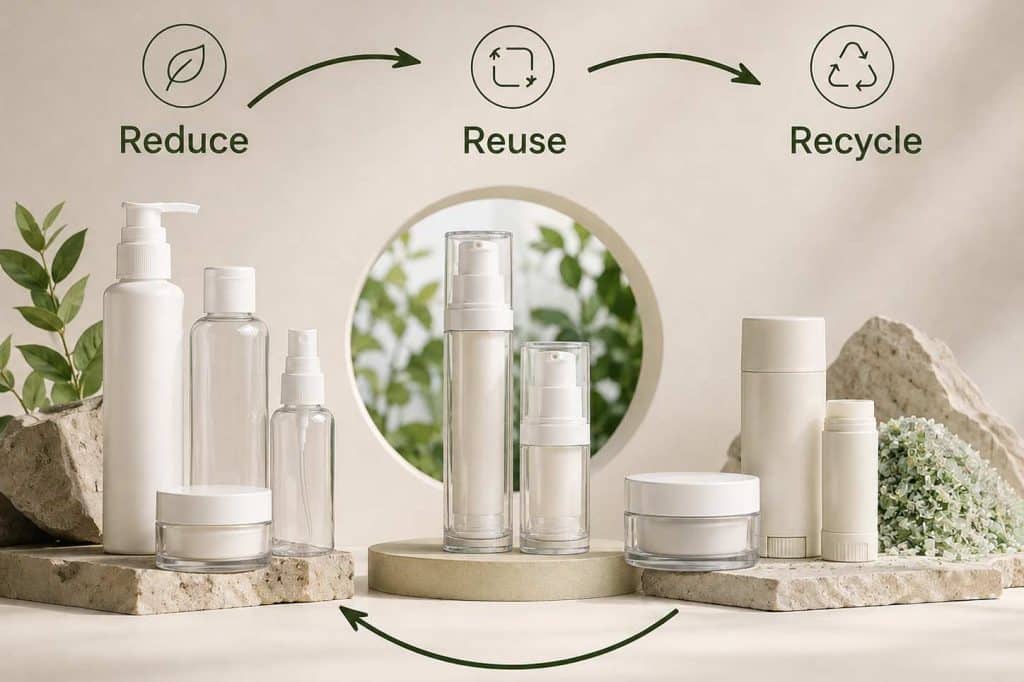
Sustainable cosmetic packaging depends on two core strategies. The first strategy involves smarter material selection. The second strategy focuses on complete packaging systems. Both work together to reduce waste and protect natural resources.
Reducing Packaging Waste Through Better Material Choices
Material selection directly affects packaging waste. Lightweight designs, fewer layers, and simplified components can reduce material use while maintaining product protection.
PCR materials keep existing plastic in use and reduce reliance on virgin resources. Mono-material packaging can also simplify recycling by making materials easier to sort and process.
Source reduction provides another way to minimize waste. Removing unnecessary cartons, sleeves, labels, and inserts can reduce material use, packaging weight, and shipping costs.
Supporting Circular Economy with Sustainable Packaging Systems
A circular economy keeps packaging materials in use through reuse, recycling, and recovery. Sustainable packaging systems help brands move beyond single-use packaging models.
Refillable packaging allows customers to reuse durable bottles or jars while replacing only the refill. Take-back programs can further collect used packaging for sorting and recycling.
Designing for recyclability is also important. Compatible materials, removable labels, easy-to-separate components, and clear recycling information can help packaging return to existing material streams.
Improving Packaging Lifecycle from Production to Disposal
A sustainable packaging lifecycle covers development, production, transportation, use, and disposal. Early packaging optimization can reduce unnecessary materials while maintaining product compatibility and functionality.
Efficient production and quality control help reduce defective units and material waste. Durable packaging also protects cosmetic products during shipping and use, reducing waste caused by leakage, breakage, or damage.
Lightweight, space-efficient packaging can improve shipping efficiency. Planning for reuse, recycling, or appropriate disposal from the design stage helps create a more complete sustainable packaging solution.
Common Types of Sustainable Packaging Materials
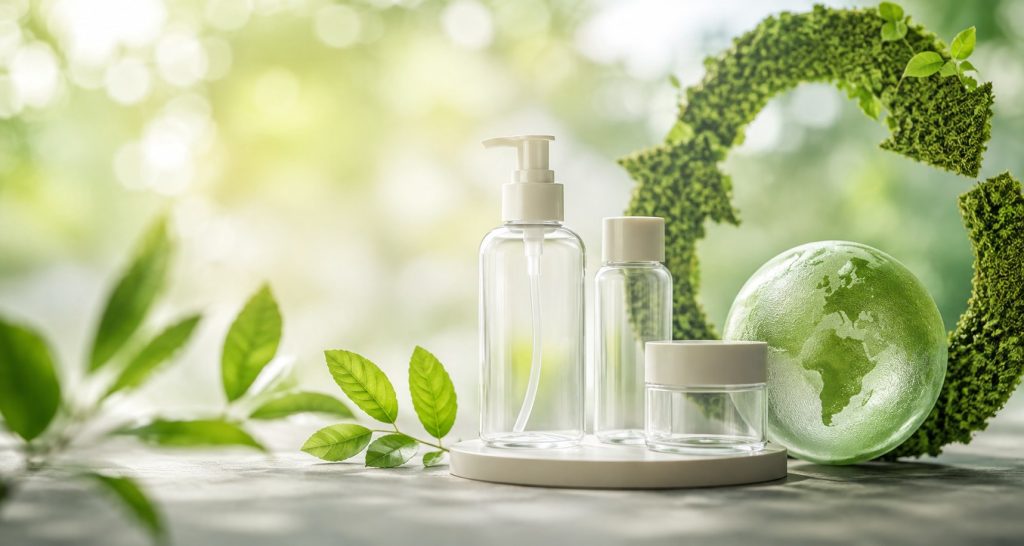
Sustainable packaging materials now give beauty brands many choices. These materials help cut down harm to the environment. They lower the need for new resources. They also make less waste. This section looks at two main types of sustainable packaging materials. The first type uses post-consumer recycled content. The second type focuses on materials that recyclers can process easily.
PCR Packaging Materials for Eco-Friendly Beauty Products
PCR stands for post-consumer recycled. These materials come from products people already used and recycled. PCR packaging keeps waste out of landfills. It also cuts the need for virgin plastic production. The cosmetic industry now uses a large amount of PCR material.
| Segment Category | Segment | Market Share |
|---|---|---|
| Packaging Format | Bottles, jars & airless packs | 39.0% |
| Material | PCR-PET & PCR-PP | 55.0% |
| End-Use | Prestige skincare & makeup brands | 45.0% |
The table shows strong adoption of PCR materials. Prestige skincare and makeup brands lead this shift. The market is growing fast. Many brands want to use more recycled content.
Using PCR instead of virgin plastic reduces energy consumption by at least 79% and reduces GHG emissions by at least 67% during the manufacturing process.
This big energy saving makes PCR a very effective sustainable packaging choice for beauty products. PCR materials also meet strict safety rules. They follow regulations like EU PPWR and REACH. This makes them safe for cosmetic use. Leading manufacturers like GIDEA now provide custom PCR solutions. These options help brands meet consumer demand for eco-friendly products. Choosing PCR supports a circular economy and reduces plastic pollution.
Recyclable Packaging Materials for Cosmetic Applications
Recyclable packaging materials can enter established recovery systems after use. Common options include rPET, glass, aluminum, and recyclable plastic structures.
Packaging design directly affects recyclability. Mono-material construction can simplify sorting and processing, while easy-to-separate components and clear recycling information support better recovery.
For cosmetic applications, recyclable materials can be used across bottles, jars, and other packaging formats. Choosing materials compatible with local recycling infrastructure helps extend their useful life.
Bio-Based Packaging Materials from Renewable Resources
Bio-based packaging materials use renewable resources instead of relying entirely on fossil-based feedstocks. They can include materials derived from plant-based or other renewable sources.
These materials give beauty brands another way to reduce reliance on conventional fossil resources. Bio-based plastics can be developed for cosmetic bottles, jars, and other packaging applications depending on performance requirements.
GIDEA offers bio-based packaging as part of its sustainable material portfolio, helping brands explore renewable-material options alongside PCR, OBP, bamboo, and mono-material solutions.
Compostable and Biodegradable Packaging Alternatives
Compostable and biodegradable packaging provides another approach to reducing long-term packaging waste. These materials are designed to break down under specific environmental or composting conditions.
However, compostable and biodegradable are not interchangeable terms. Their performance depends on material composition, disposal conditions, and available waste infrastructure.
For cosmetic brands, the right solution should balance biodegradability with product protection, shelf life, and packaging performance. GIDEA lists biodegradable solutions within its sustainable cosmetic packaging portfolio.
Examples of Sustainable Packaging for Cosmetics
Sustainable Cosmetic Containers for Skincare Products
Sustainable cosmetic containers help skincare brands cut waste by using smarter design. A manufacturer can remove parts that are not needed, like outer cartons and plastic sleeves. This simpler packaging uses lighter materials and fewer layers. This method cuts waste right away. It also makes packages weigh less to ship and lowers costs throughout the supply chain.
Material choices are just as important as design choices. PCR bottles work as well as virgin plastic. But they cost the environment much less. Glass jars with caps made from one material are another good option. Both materials help support circular systems. Consumers notice these sustainable packaging choices. They prefer brands that show they care about the environment. A trusted packaging manufacturer like GIDEA helps brands get these ideas to market faster. The company offers bottles, jars, and airless containers in PCR and other sustainable materials. The benefit for brands is clear. Less waste enters the system. The package still protects the product, but with a smaller footprint.
Refillable Packaging Solutions for Beauty Brands
Refillable systems turn circular ideas into real action. Customers buy a sturdy container one time. After that, they buy refills that use very little packaging. Over time, this model cuts waste by a lot. It also saves customers money when they buy again.
Many skincare brands now sell refillable jars and bottles. The main package stays with the customer. Only the inside part needs to be replaced. This lowers material use by a large amount. Refillable systems help build customer loyalty and trust. They show that a brand cares about sustainability. GIDEA offers refillable packaging solutions for beauty brands. The company’s lineup includes refillable sticks, bottles, and jars. Working with a packaging supplier who has experience makes the switch easier. Brands can begin with one product line and grow from there.
Bamboo Packaging Options for Natural Beauty Products
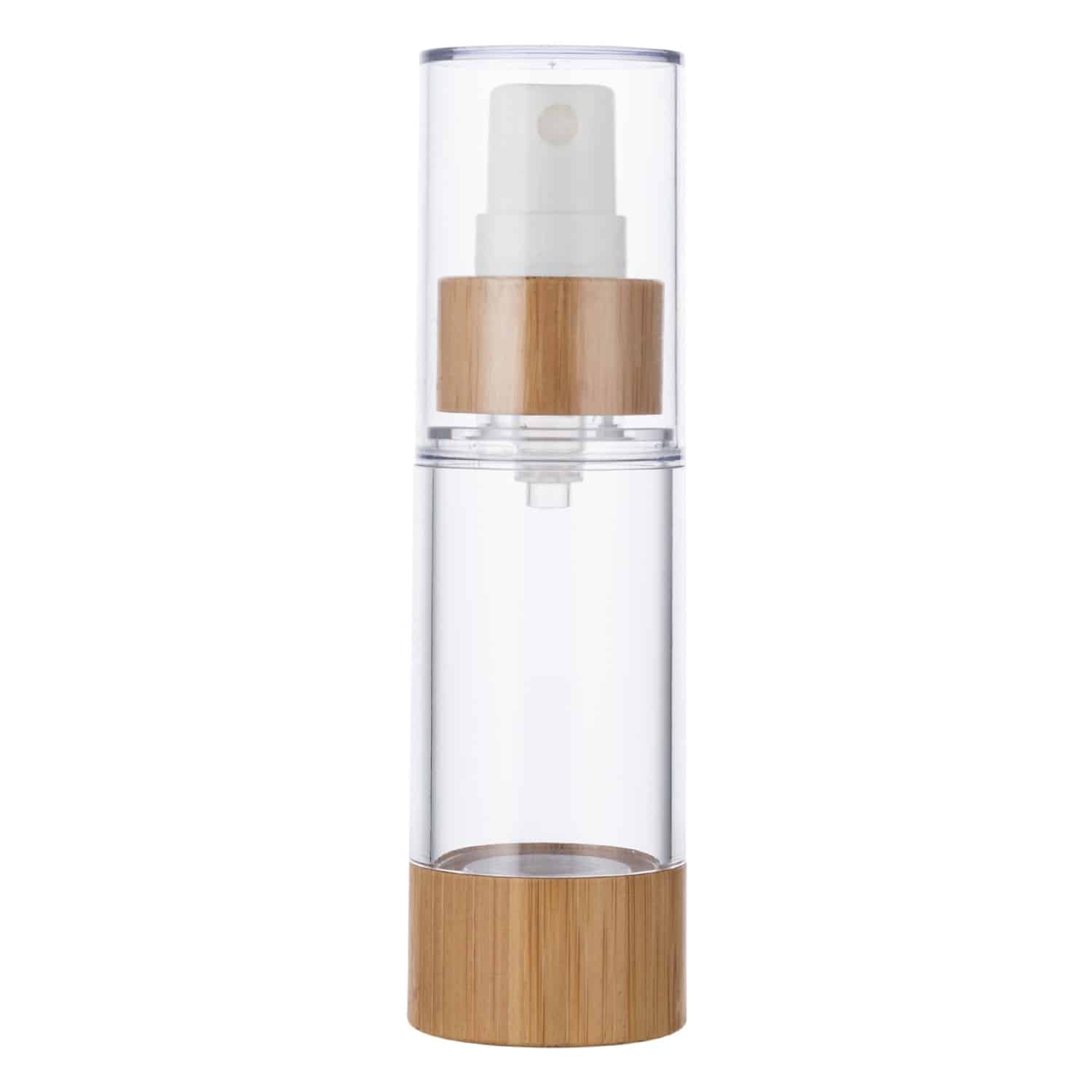
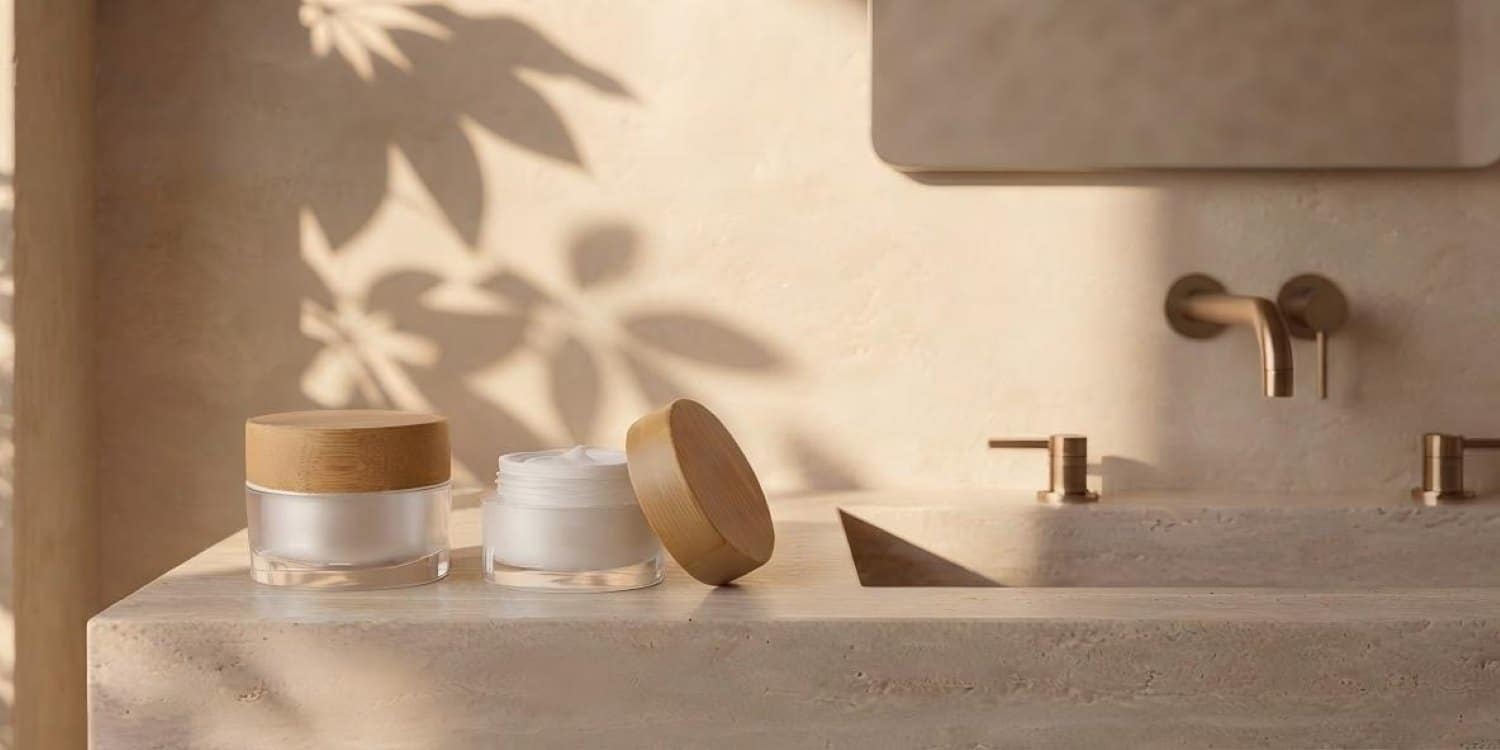
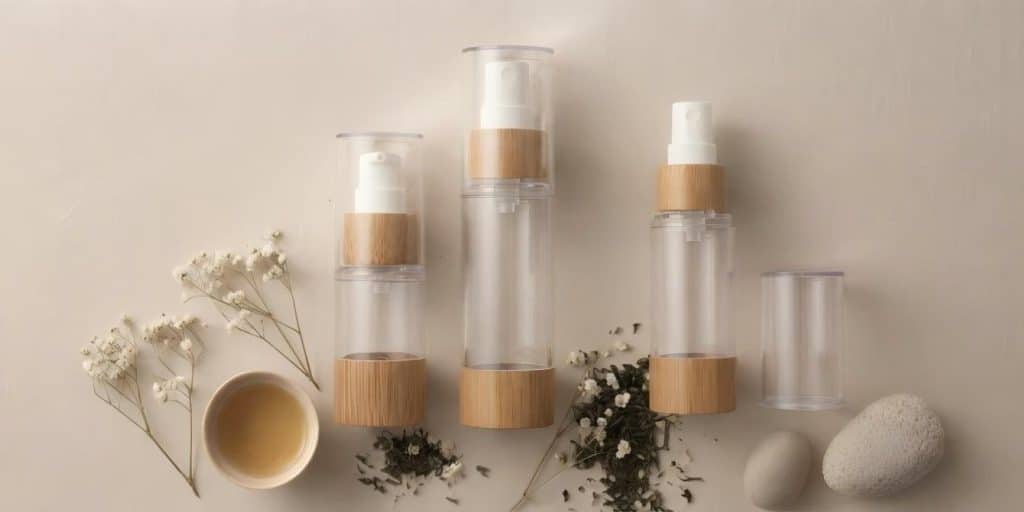
Bamboo packaging provides a renewable-material option for brands looking for a natural packaging appearance. Its distinctive texture and appearance can complement skincare, wellness, and natural beauty product positioning.
Bamboo can be incorporated into different cosmetic packaging designs, including components and outer packaging elements. Brands can combine bamboo with other suitable materials to create a distinctive package while supporting their sustainability goals.
For natural beauty brands, bamboo packaging can also strengthen the visual connection between the product and nature. GIDEA includes bamboo among its sustainable packaging material options for beauty brands.
Benefits of Sustainable Packaging for Beauty Brands
Enhancing Brand Image with Eco-Friendly Packaging
Eco-friendly packaging can make a brand’s sustainability positioning more visible at the point of purchase. Materials such as PCR, rPET, OBP, bamboo, and bio-based options give brands different ways to communicate their environmental goals.
Packaging appearance also affects how consumers experience a beauty product. Refillable systems, mono-material designs, and simplified structures can create a modern look while supporting a clear sustainability message.
Consistent sustainable packaging across bottles, jars, airless containers, and other formats can further strengthen brand identity. GIDEA provides customizable cosmetic packaging solutions that allow beauty brands to align packaging materials, structures, finishes, and branding.
Meeting Consumer Demand for Sustainable Beauty Products
Consumer interest in sustainable beauty continues to influence packaging decisions. Brands are increasingly expected to consider material sourcing, recyclability, reuse, and packaging waste alongside product performance.
Clear sustainability choices can also make it easier for consumers to understand how packaging should be reused, recycled, or disposed of. Simple packaging information helps connect a brand’s sustainability claims with practical consumer actions.
Future Trends in Sustainable Beauty Packaging
Sustainable beauty packaging is moving toward higher recycled content, circular systems, and lower-waste designs. Brands are increasingly looking for solutions that combine environmental goals with product protection and commercial practicality.
Growing Demand for Recycled Content Cosmetic Packaging
Recycled content is becoming a key direction for cosmetic packaging. PCR and rPET allow brands to replace part of their virgin plastic use while keeping existing materials in circulation.
This trend is supported by changing regulations, retailer expectations, and consumer interest in sustainable beauty products. As sustainability requirements increase, more brands are incorporating recycled content into bottles, jars, and other cosmetic packaging.
The focus is also shifting from simply using recycled materials to increasing recycled content levels. Packaging manufacturers with PCR capabilities can help brands select suitable materials and percentages based on product requirements and sustainability targets.
Innovation in Circular and Low-Waste Packaging Solutions
Future packaging development will focus more on circular and low-waste solutions. Refillable packaging, mono-material structures, and simplified designs can help reduce unnecessary material use and extend packaging value.
Packaging innovation will also focus on improving the entire system rather than changing materials alone. Brands can optimize packaging structures, components, manufacturing processes, and logistics to reduce waste while maintaining product protection.
Starting with one product line can make new packaging solutions easier to test and refine. Experienced manufacturers such as GIDEA can support custom packaging development and help beauty brands explore PCR, refillable, mono-material, bamboo, and other sustainable packaging options.
As sustainable beauty packaging continues to evolve, successful solutions will need to balance recyclability, reusability, product performance, design, and commercial requirements.
Why Choose Our Sustainable Cosmetic Packaging Solutions
GIDEA provides sustainable cosmetic packaging solutions for beauty and personal care brands. Its portfolio covers PCR, refillable, reusable, bamboo, bio-based, OBP, and other packaging options for different product needs.
PCR Cosmetic Packaging for Sustainable Product Development
PCR cosmetic packaging helps brands incorporate recycled content into bottles, jars, and airless packaging. Different PCR percentages can be considered based on product requirements, packaging performance, and sustainability targets.
GIDEA supports custom PCR packaging development for skincare, makeup, and personal care products. Its in-house R&D and quality control capabilities help brands move from packaging concepts to production more efficiently.
Refillable and Reusable Packaging for Skincare Brands
Refillable and reusable packaging helps skincare brands develop longer-use packaging systems. Durable outer containers can be paired with replaceable inner components to support repeat use.
GIDEA offers refillable sticks, bottles, and jars for different beauty applications. Custom structures and designs allow brands to develop refillable packaging around their product and user experience.
Custom Sustainable Packaging for Beauty Applications
Every beauty product has different packaging requirements. Formula compatibility, capacity, dispensing method, appearance, decoration, and production volume can all affect the final packaging design.
GIDEA provides custom and OEM/ODM sustainable packaging solutions for different beauty applications. Brands can customize packaging structures, materials, colors, finishes, and branding to create a solution that fits their product line.
Eco-Friendly Material Options for Different Product Categories
Different product categories may require different sustainable materials and packaging formats. Skincare, makeup, haircare, and personal care products can use bottles, jars, airless packs, sticks, and other container types.
GIDEA offers material options including PCR, rPET, OBP, bamboo, bio-based, mono-material, and refillable solutions. This broader portfolio helps brands compare materials and select packaging based on product performance, sustainability goals, and brand positioning.
FAQs About Sustainable Packaging Basics
What Makes Packaging Considered Sustainable?
Sustainable packaging reduces unnecessary material use, supports reuse or recycling, and considers its environmental impact throughout the packaging lifecycle. Lightweight designs, recycled content, refillable systems, and recyclable structures are common approaches.
What Are the Main Materials Used in Sustainable Packaging?
Common sustainable packaging materials include PCR, rPET, OBP, bamboo, bio-based materials, glass, and other recyclable materials. The right option depends on product requirements, packaging performance, and sustainability goals.
What Is the Difference Between Recyclable and Compostable Packaging?
Recyclable packaging is designed to be collected and processed into new materials through recycling systems. Compostable packaging is designed to break down into organic matter under specific composting conditions. They require different disposal pathways.
Is Sustainable Cosmetic Packaging Suitable for All Beauty Products?
Sustainable cosmetic packaging can be developed for many skincare, makeup, haircare, and personal care products. However, material and packaging selection should consider formula compatibility, product protection, shelf life, dispensing requirements, and packaging performance.
How Does Sustainable Packaging Reduce Environmental Impact?
Sustainable packaging can reduce environmental impact by using less material, incorporating recycled content, supporting reuse and recycling, and reducing unnecessary packaging components. Efficient packaging design can also reduce weight and material use during transportation.