You stand in the shower aisle and notice something different. Bottles look sleeker now, made from unusual materials. Have you noticed your favorite body wash brand changing its bottle? This shift is not random. Three forces drive it: the growing plastic waste crisis, shoppers wanting eco-friendly products, and stricter rules on single-use plastics. According to Zero Waste Week, the beauty industry makes more than 120 billion packaging units each year. This change is a chance for new ideas, not just a problem. By 2026, Body Wash Packaging will look totally different. Read on to see why this year is the turning point and how you can help.
Key Takeaways
- Three forces push the move to eco-friendly packaging: the environmental crisis, what shoppers want, and new laws.
- Brands can pick recycled plastics, such as PCR and ocean-bound plastic, to cut waste and earn trust.
- QR codes and 3D printing are tools that help make recycling easier and packaging more eco-friendly.
- Brands should look at their packaging and set clear, reachable goals for being eco-friendly to help them make the switch.
- Aluminum bottles that can be recycled, paired with PP pumps, give a useful, high-quality, and earth-friendly packaging choice.
Why Body Wash Brands Are Switching to Sustainable Packaging in 2026
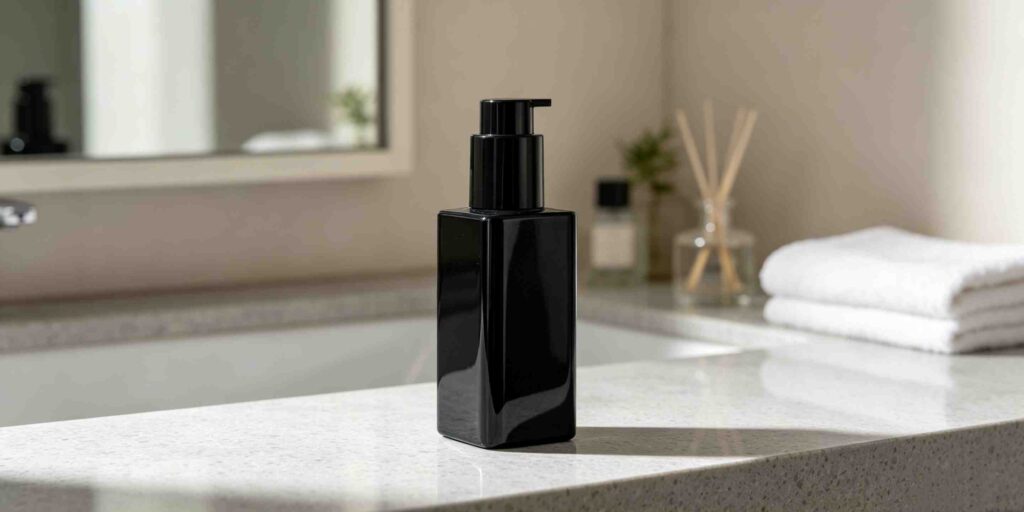
The shift toward sustainable Body Wash Packaging is more than a passing trend. Environmental concerns, consumer demand, and new regulations are pushing personal care brands to rethink how they package everyday products.
Environmental Pressure Is Growing
The beauty industry produces more than 120 billion packaging units every year, with much of it designed for single use. Plastic waste can remain in the environment for hundreds of years and gradually break down into microplastics. This growing environmental impact is encouraging brands to reduce virgin plastic and explore PCR, bio-based, and refillable packaging options.
Consumers Expect More Sustainable Choices
Sustainability is becoming an important purchasing factor. Consumers increasingly check packaging materials, recycled content, and recycling instructions before buying beauty products. Many are also willing to pay more for products with credible environmental benefits. For body wash brands, sustainable packaging can therefore support both customer expectations and long-term brand value.
Regulations Are Raising the Bar
Governments are introducing stricter packaging waste and recycling requirements. Extended Producer Responsibility (EPR) laws are also making brands more responsible for the packaging they place on the market. In the U.S., states such as California are introducing new requirements for packaging reduction and recycling. Companies that prepare early can reduce compliance risks and adapt more easily to future rules.
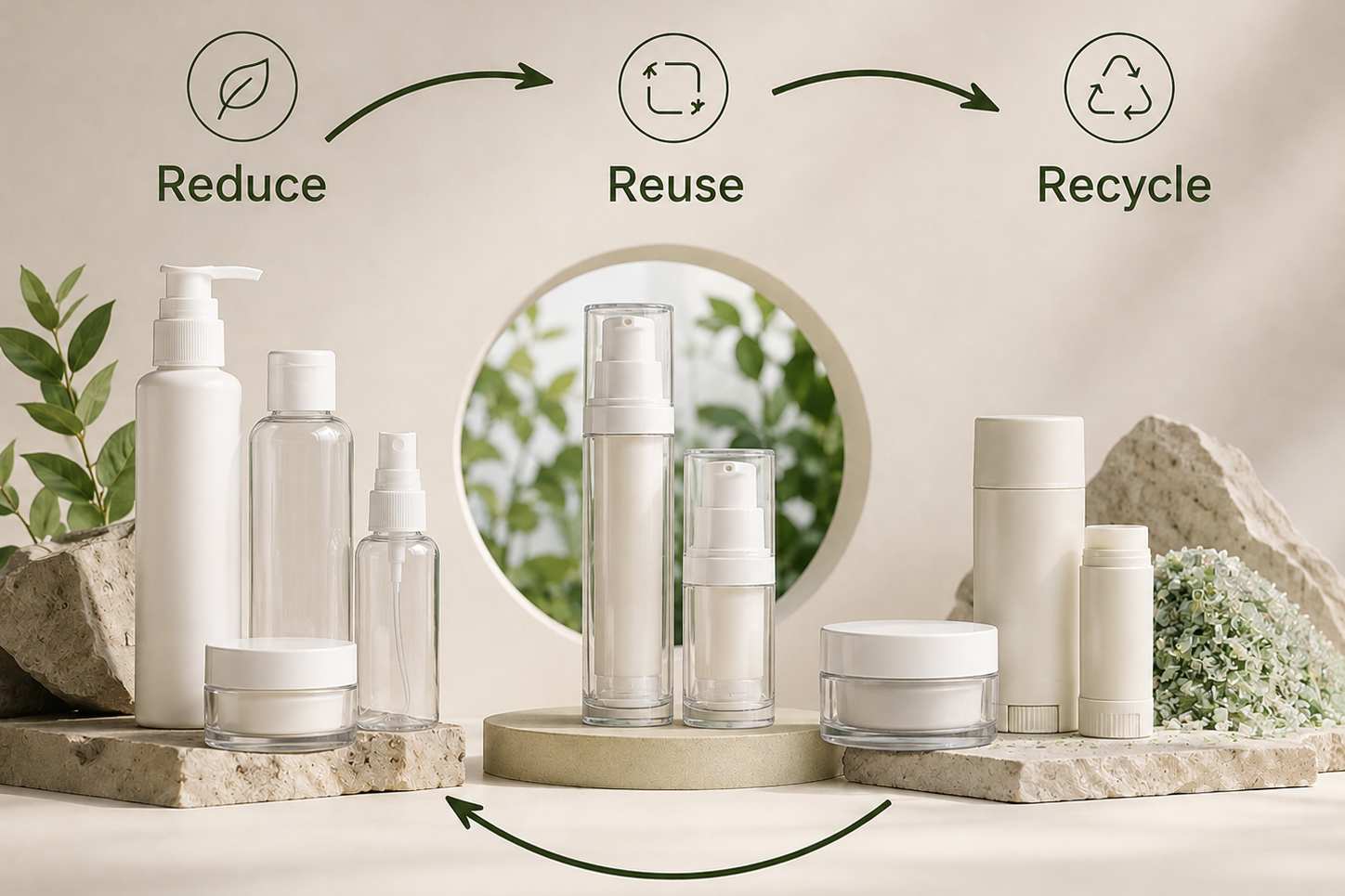
The Industry Is Moving Toward Circular Packaging
These three forces are changing the entire packaging supply chain. Brands are adopting PCR plastic, mono-material designs, refillable systems, and other sustainable packaging solutions to reduce waste and improve recyclability. For Body Wash Packaging, this shift creates an opportunity to combine product protection, practical performance, and lower environmental impact.
The direction is clear: sustainable packaging is becoming a standard expectation rather than a niche option. Brands that start improving their packaging now can stay competitive as consumer expectations and regulations continue to evolve.
6 Sustainable Packaging Solutions for Body Wash
Body wash brands now have several ways to reduce packaging waste without compromising product protection. The right sustainable body wash packaging depends on recyclability, material sourcing, durability, and whether the package is designed for repeated use.
Post-Consumer Recycled (PCR) Plastics
PCR plastic gives used plastic a second life by turning consumer waste into new Body Wash Packaging. PCR-HDPE and PCR-PET are practical options for bottles because they provide good durability while reducing reliance on virgin resin.
Brands can choose different PCR percentages depending on appearance, performance, and budget. High-PCR bottles can also support recycled-content targets and circular packaging strategies.
Ocean-Bound Plastic (OBP) Packaging
Ocean-bound plastic is collected from vulnerable coastal areas before it can enter waterways. After sorting and processing, it can be used to produce new cosmetic containers.
For body wash brands, OBP packaging combines waste reduction with a clear environmental story. It can be particularly useful for brands that want to connect packaging choices with ocean protection and responsible material sourcing.
Bamboo Body Wash Packaging
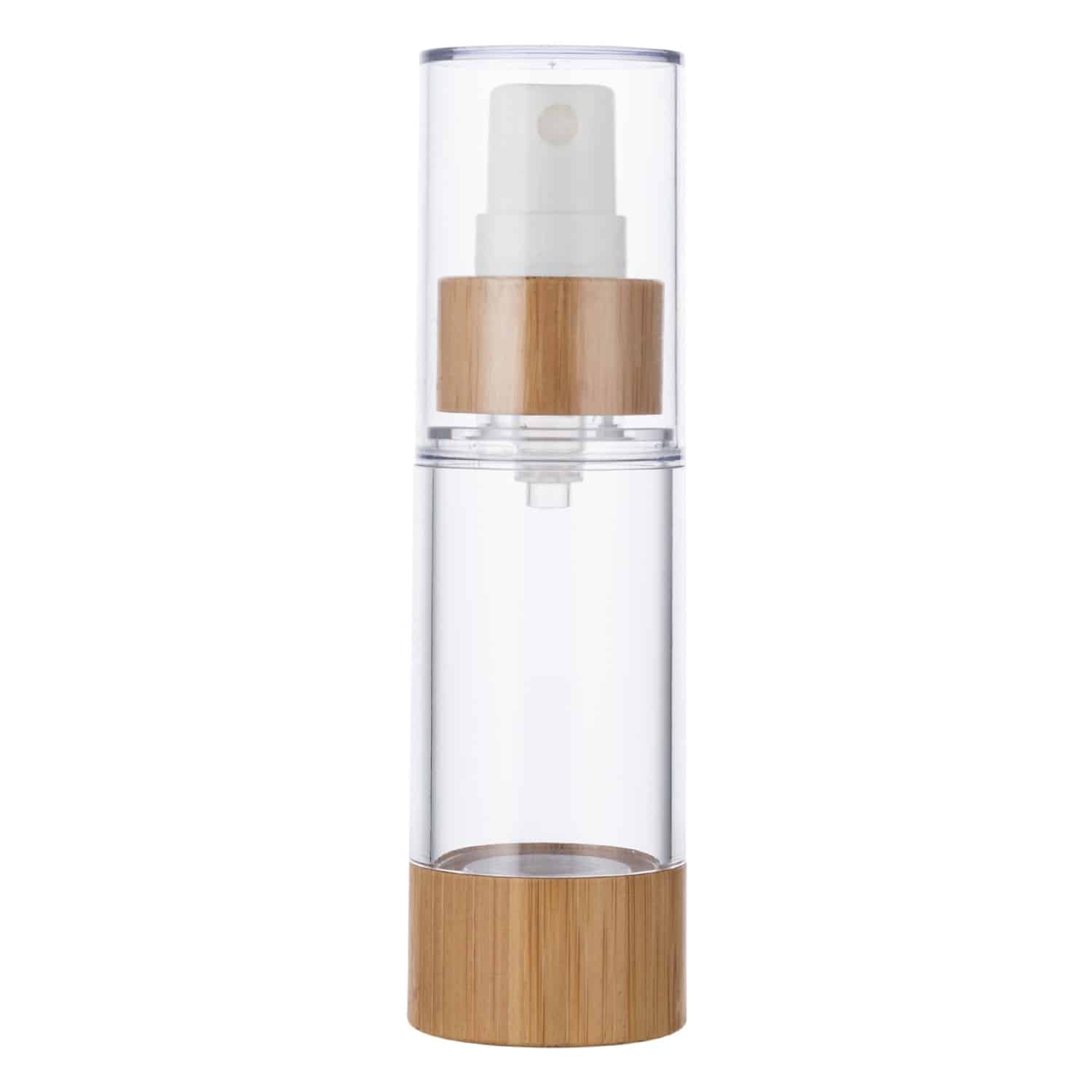
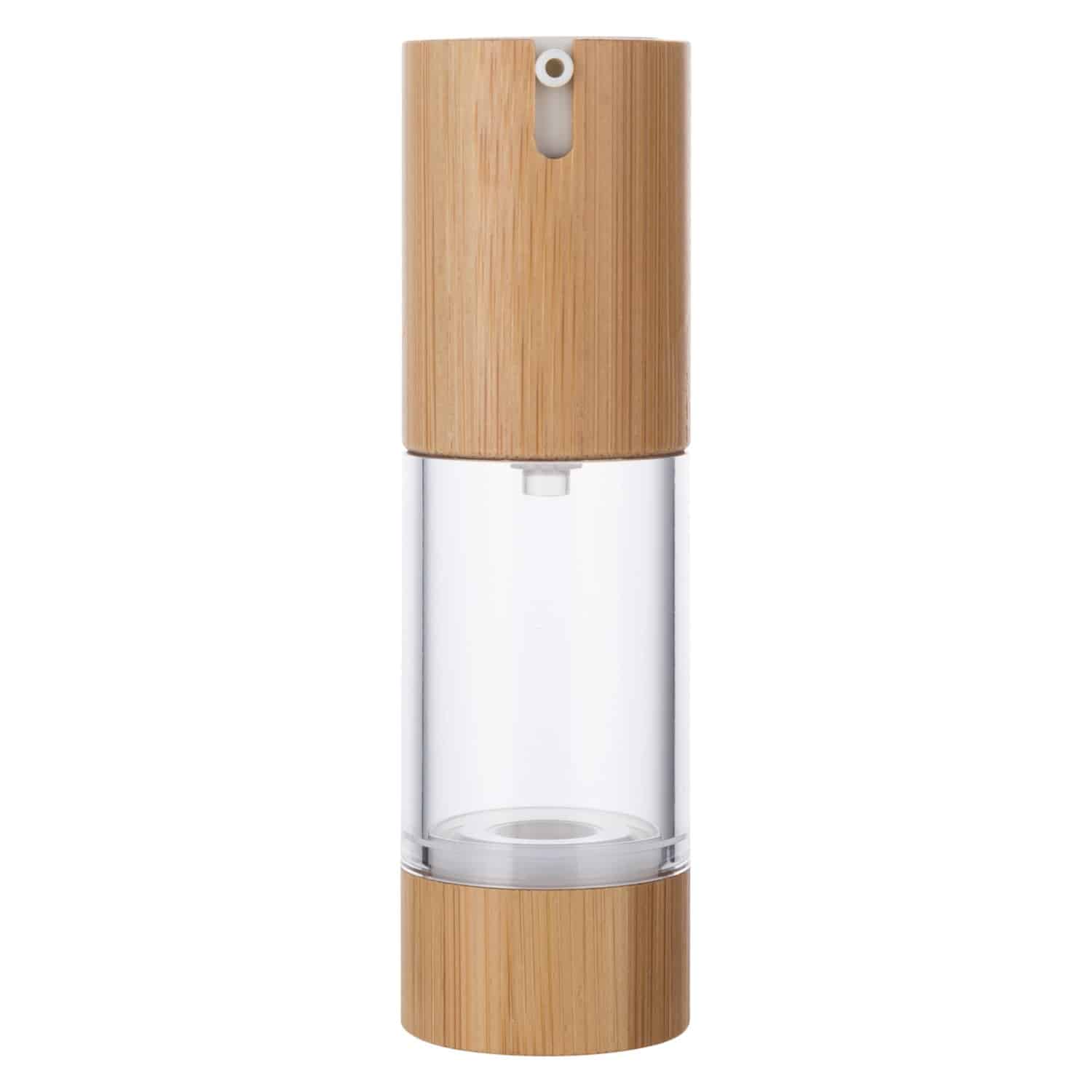
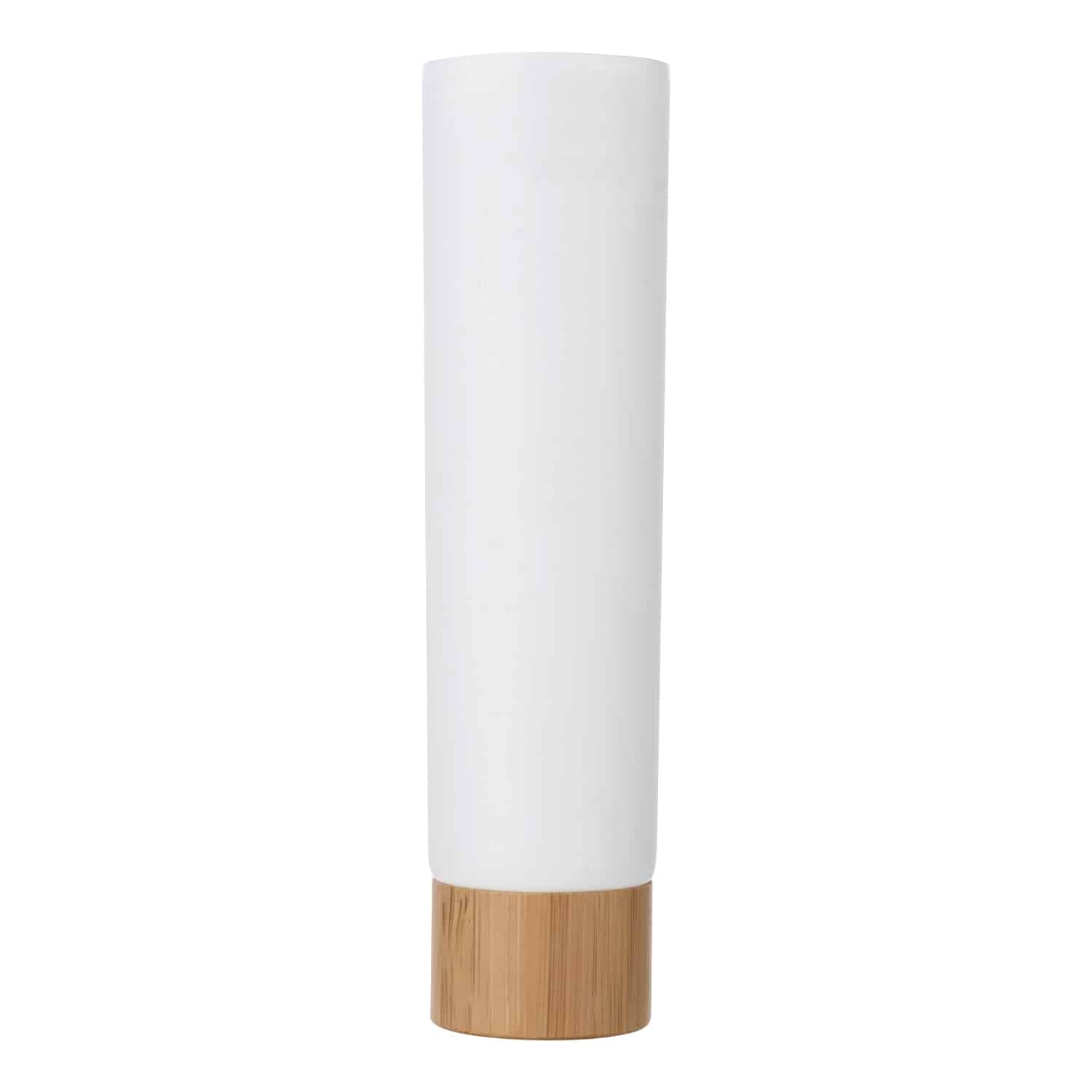
Bamboo is a rapidly renewable material that can replace conventional materials in selected packaging components. It works well for bamboo caps, covers, sleeves, and outer packaging.
Because bamboo is not suitable for every product-contact application, brands should consider using it as part of a hybrid packaging design. Proper coating, durability, and moisture resistance are important for bathroom environments.
Bio-Based Packaging Materials
Bio-based packaging uses renewable feedstocks such as plant-based polymers or bio-based compounds instead of relying entirely on fossil resources. Options such as PLA, PBS, PBAT, and other bio-based materials can be considered for specific packaging applications.
These materials can help reduce dependence on fossil-based plastics, but brands should distinguish bio-based from biodegradable or compostable. Their actual environmental benefit depends on material composition and available disposal systems.
Mono-Material Packaging Solutions
Mono-material packaging uses one primary material across the bottle and compatible components. For example, an HDPE bottle paired with an HDPE closure can simplify sorting and recycling compared with mixed-material construction.
This approach also reduces the need for separating different materials after use. For body wash bottles, mono-material HDPE or PET designs can provide a practical balance between durability, appearance, and recyclability.
Refillable Body Wash Packaging Systems
Refillable packaging extends the life of the primary container. Instead of replacing the entire bottle each time, consumers keep a durable outer container and purchase lightweight refills.
A well-designed refill system can reduce packaging consumption over multiple product cycles. Brands can combine refillable bottles, concentrated formulas, and lightweight refill pouches to create a lower-waste body wash solution while encouraging repeat purchases.
How to Choose Sustainable Body Wash Packaging Materials
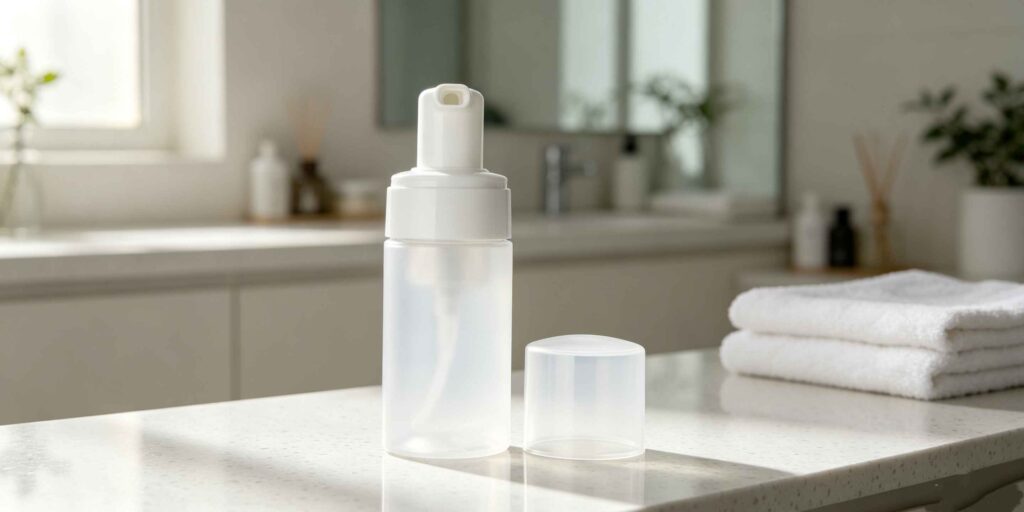
Choosing the right sustainable body wash packaging requires more than selecting an eco-friendly material. Brands need to balance formula compatibility, shower durability, recyclability, and the package’s full life cycle.
Formula Compatibility & Product Safety
The packaging must protect the body wash without reacting with the formula. PET and HDPE are widely used because they offer good chemical resistance, durability, and cost efficiency. PCR versions can provide similar performance when properly processed and tested.
Glass and aluminum offer strong barrier properties but may require additional protection, such as coatings or liners. Bio-based plastics are another option, but their suitability depends on the specific formulation.
Before production, brands should conduct compatibility testing for pH, oils, fragrances, surfactants, and preservatives. This helps prevent discoloration, leakage, cracking, or changes in product quality.
Durability for Shower Use
Body wash packaging faces constant moisture, humidity, temperature changes, and accidental drops. The container should remain stable when wet and maintain its closure performance throughout daily use.
HDPE, PET, and PCR plastics are practical choices for shower bottles because they combine strength with low weight. Squeeze bottles also need sufficient flexibility without cracking after repeated use.
Labels and finishes should be selected for wet environments as well. Water-resistant materials such as BOPP and MDO generally perform better than standard paper labels in steamy bathrooms.
Recycling & End-of-Life Options
Recyclability should be considered before the packaging is manufactured. Mono-material body wash bottles, such as HDPE bottles with compatible closures, can simplify sorting and recycling by reducing material combinations.
Brands should also check the recycling infrastructure in their target markets. A material may technically be recyclable but have limited collection or processing options locally.
For better end-of-life performance, consider lightweight designs, clear material identification, recyclable components, and reduced use of adhesives or mixed-material parts. These choices make sustainable cosmetic packaging easier to process after use while supporting broader circular packaging goals.
How Technology Supports Sustainable Body Wash Packaging
Technology is a big part of making packaging better for the planet. Digital tools help brands cut down on waste. Smart materials make it easier to recycle. These new ideas work together to build a cleaner system for personal care products.
Digital Solutions for Packaging Recycling
Digital tools are making Body Wash Packaging easier to recycle and improve. QR codes on bottles can provide clear disposal instructions, including whether pumps, caps, or labels should be removed. Brands can also update the linked information without changing the packaging.
3D printing speeds up sustainable packaging development. Brands can test bottle shapes, reduce material use, and refine designs before investing in production molds. This helps shorten development time and reduce prototyping waste.
Wash-off inks and recyclable labels can further improve packaging recovery by reducing contamination during recycling. Meanwhile, closed-loop systems allow brands to collect used containers, track returned materials, and reuse them in new packaging.
Together, these solutions connect better design, clearer disposal guidance, and material recovery to support a more circular sustainable packaging system.
How Personal Care Brands Can Switch to Sustainable Packaging
Moving to sustainable packaging requires more than replacing one material with another. Personal care brands should first understand their current packaging, define measurable goals, and then work with a supplier that can turn those goals into practical products.
Step 1: Audit Your Current Packaging
Review every packaging component, including bottles, jars, pumps, caps, labels, and cartons. Record the material, weight, recycled content, recyclability, and current disposal route for each component.
Pay particular attention to mixed materials. Metal springs in pumps, strong adhesives, and multi-layer structures can make Body Wash Packaging harder to recycle. At the same time, compare the cost, performance, and production requirements of potential sustainable alternatives.
This audit gives brands a clear starting point and highlights which SKUs should be redesigned first.
Step 2: Set Clear Sustainability Goals
Turn the audit results into measurable targets. Instead of simply aiming to “use greener packaging,” brands can set goals such as:
- Increase PCR content to a specific percentage.
- Reduce packaging weight or virgin plastic use.
- Introduce recyclable or mono-material packaging.
- Launch refillable systems for high-volume products.
- Reduce packaging components across key SKUs.
Goals should include a timeline and measurable indicators so teams can track progress. Brands can also align packaging targets with broader sustainability frameworks such as UN SDG 12: Responsible Consumption and Production.
Step 3: Partner with the Right Packaging Supplier
The right supplier can help turn sustainability targets into scalable packaging solutions. Look for experience with PCR plastic, rPET, bio-based materials, mono-material structures, and refillable packaging, as well as strong quality control and customization capabilities.
GIDEA provides sustainable cosmetic packaging with in-house R&D, 7-day rapid prototyping, flexible MOQs, and custom mold development. Brands can test standard designs first or develop fully customized packaging for long-term product lines.
A strong supplier partnership helps balance sustainability with product safety, durability, appearance, cost, and production efficiency, making the transition easier to scale.
How a Packaging Supplier Supports Sustainable Body Wash Packaging
A reliable packaging supplier can make the transition to sustainable Body Wash Packaging easier. Instead of changing materials without testing, brands can work with manufacturers to select packaging that balances product protection, durability, recyclability, and production needs.
GIDEA supports body wash brands with sustainable options such as PCR plastic, ocean-bound plastic (OBP), bio-based materials, and mono-material packaging. PCR and OBP give existing plastic materials a second life, while bio-based options help reduce reliance on fossil-based resources. Mono-material bottles and closures can also simplify recycling at the end of the product’s life.
Refillable packaging offers another way to reduce single-use waste. A durable outer bottle can be used repeatedly while refills use less material. This model works especially well for frequently used products such as body wash, shampoo, and hand wash.
Material selection should always consider formula compatibility and shower-use durability. GIDEA can support brands with design development, material selection, rapid prototyping, and customized packaging solutions. This helps brands test sustainable designs before moving into larger production.
The shift to sustainable packaging is driven by environmental concerns, changing consumer expectations, and stricter regulations. For body wash brands, the transition does not have to happen all at once. Starting with PCR bottles, mono-material structures, or refillable systems can provide a practical first step toward more sustainable Body Wash Packaging.
Sustainable Body Wash Packaging FAQs
What Is Sustainable Packaging for Body Wash?
Sustainable Body Wash Packaging uses materials and designs that reduce environmental impact while protecting the formula. Common approaches include PCR plastic, ocean-bound plastic (OBP), bio-based materials, mono-material structures, and refillable packaging. The right solution depends on the product formula, market requirements, and end-of-life options.
What Materials Are Best for Sustainable Body Wash Packaging?
There is no single best material for every body wash product. PCR plastic is useful for reducing virgin plastic use, while OBP gives collected plastic waste a new application. Bio-based materials can reduce dependence on fossil resources. Mono-material PP, PE, or PET packaging can also simplify recycling when compatible with local recycling systems.
Is PCR Plastic Suitable for Body Wash Packaging?
Yes. PCR plastic can be used for body wash bottles when the material meets the required quality and safety standards. PCR content can be incorporated into PET, HDPE, or PP packaging, depending on the design and formulation. Brands should conduct compatibility, durability, and appearance testing before mass production.
What Body Wash Packaging Is Easiest to Recycle?
Mono-material packaging is generally easier to sort and recycle because it minimizes incompatible materials. For example, a bottle and closure made from compatible plastic can simplify separation at the end of use. Labels, pumps, coatings, and other components should also be considered because they can affect the overall recyclability of the package.
How Does Gidea Help Brands With Body Wash Packaging?
GIDEA provides customized Body Wash Packaging solutions using PCR plastic, OBP, bio-based materials, mono-material designs, and refillable systems. Its R&D team supports material selection, structural design, prototyping, and production. With flexible customization and sustainable material options, GIDEA helps brands develop packaging that balances appearance, performance, and sustainability.