The market for eco-friendly packaging is expected to reach $51.61 billion by 2030. Beauty brands play a big part in plastic waste around the world. Is your company ready for shoppers who want eco-friendly products? This article looks at the trends shaping Sustainable cosmetic Packaging and the chances for brands to try new ideas. We will explore new materials, design strategies, and market benefits. Brands that change early get an advantage over others. The move to greener packaging is not a choice anymore. It is a must for business. Knowing these changes helps you make smart choices for your product lines. Let’s look at what matters most in this changing world.
Key Takeaways
- People will pay extra for eco-friendly packaging, so brands can earn more money directly from it.
- First, check what materials you use and where waste happens. Then, set clear goals you can measure to make your packaging more sustainable.
- Work with forward-thinking suppliers to get green materials and adaptable manufacturing choices.
- Refillable packaging cuts down on waste and helps keep customers coming back, as 65% of shoppers are more likely to buy again.
Why Sustainable Beauty Packaging Matters Now
The beauty packaging market continues to expand. In 2025, it was valued at $38.63 billion, rising to $41.07 billion in 2026 at a 6.3% growth rate. By 2030, the market is projected to reach $51.61 billion, with a 5.9% CAGR. This growth reflects a broader shift toward more responsible packaging solutions.
| Year | Market Size (USD) | CAGR |
|---|---|---|
| 2025 | $38.63 billion | — |
| 2026 | $41.07 billion | 6.3% |
| 2030 | $51.61 billion | 5.9% |
Consumer demand is also accelerating the shift. Shoppers increasingly check packaging materials and brand sustainability practices before buying. 64% of consumers say they are more likely to purchase from brands using sustainable packaging.
73% of consumers are willing to pay more for sustainable packaging. — McKinsey, 2024
This creates a clear business opportunity. Sustainable packaging can support premium positioning, strengthen customer loyalty, and reduce environmental impact.
Regulations are another major driver. The EU’s Packaging and Packaging Waste Regulation (PPWR) is pushing brands toward greater recyclability and recycled content. Similar packaging EPR regulations are emerging in the U.S., making material selection and packaging design increasingly important for compliance.
Supply chains are changing too. Materials such as PCR plastic, rPET, bio-based materials, and ocean-bound plastic (OBP) require reliable sourcing and specialized manufacturing. Brands that build supplier relationships early can respond more easily as demand grows.
For beauty brands, Sustainable Beauty Packaging is moving from a competitive advantage toward a market expectation. Acting now can help reduce future compliance risks, strengthen brand positioning, and prepare for the next stage of the beauty packaging market.
6 Material Trends Reshaping Beauty Packaging
The next generation of sustainable beauty packaging is moving beyond recycled plastic. Brands are exploring refill systems, bio-based materials, fiber packaging, and emerging solutions made from renewable resources to meet changing consumer expectations and packaging regulations.
Post-Consumer Recycled (PCR) Beauty Packaging
PCR beauty packaging uses recycled material recovered from consumer waste and gives it a new life as packaging. It is increasingly used in bottles, jars, tubes, airless containers, and other cosmetic formats.
GIDEA offers PCR and rPET solutions with recycled content options of up to 100%, depending on the packaging format and product requirements.
Mono-Material Beauty Packaging Designs
Mono-material packaging simplifies packaging construction by using compatible materials across major components. PP, PE, and PET are common choices for bottles, tubes, jars, and other cosmetic containers.
A simpler structure can make sorting and recycling easier while reducing the need for difficult-to-separate components. Combining mono-material construction with PCR content is another practical direction for sustainable cosmetic packaging.
Refillable & Returnable Beauty Packaging Systems
Refillable beauty packaging extends the useful life of durable outer containers by replacing only the inner refill. Returnable systems take this further by allowing packaging to be collected, cleaned, and used again through a controlled supply chain.
These models are particularly suitable for skincare, fragrance, body care, and premium beauty products. Successful systems require durable packaging, compatible refills, reliable closures, and a convenient return or refill process.
Bio-Based & Biodegradable Beauty Packaging
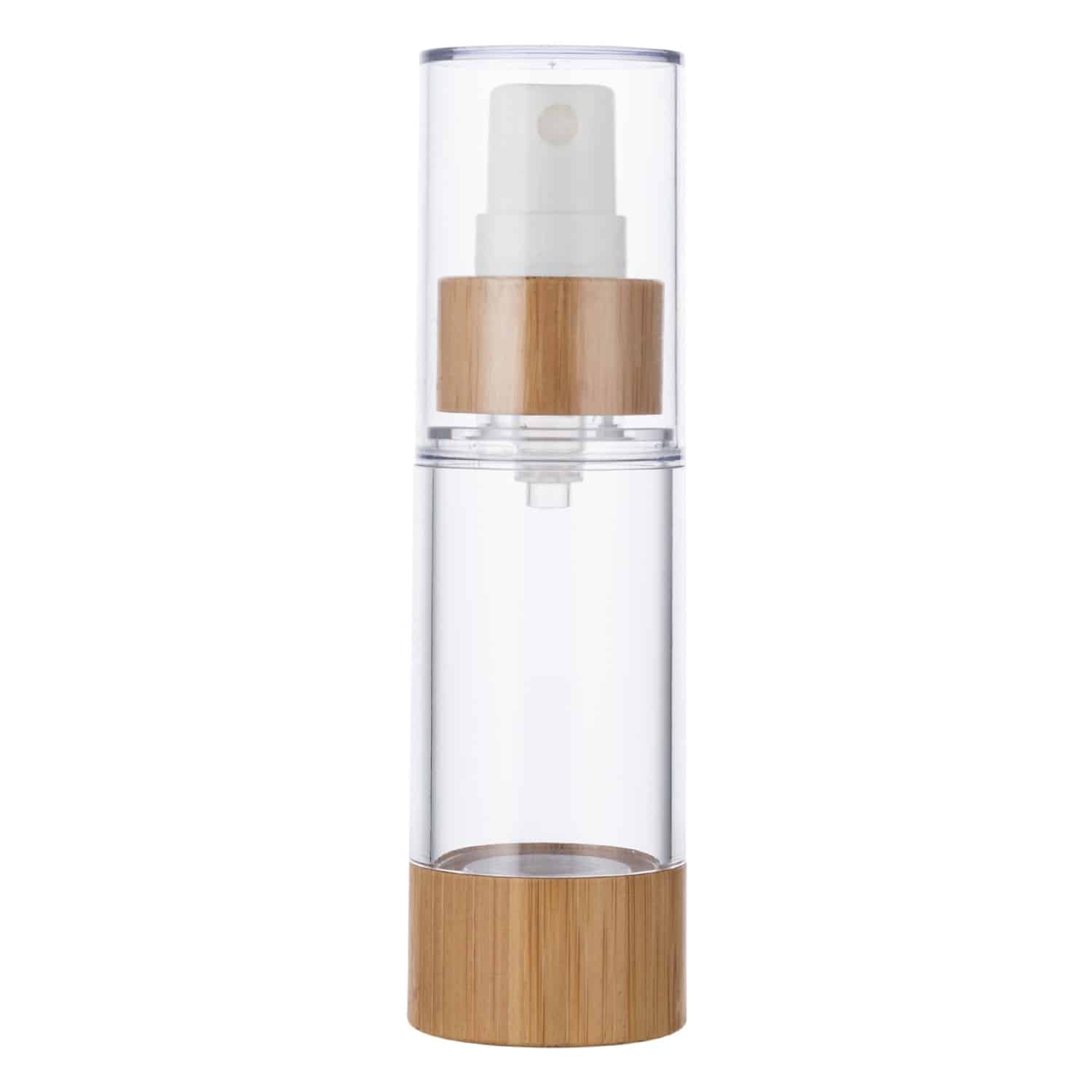
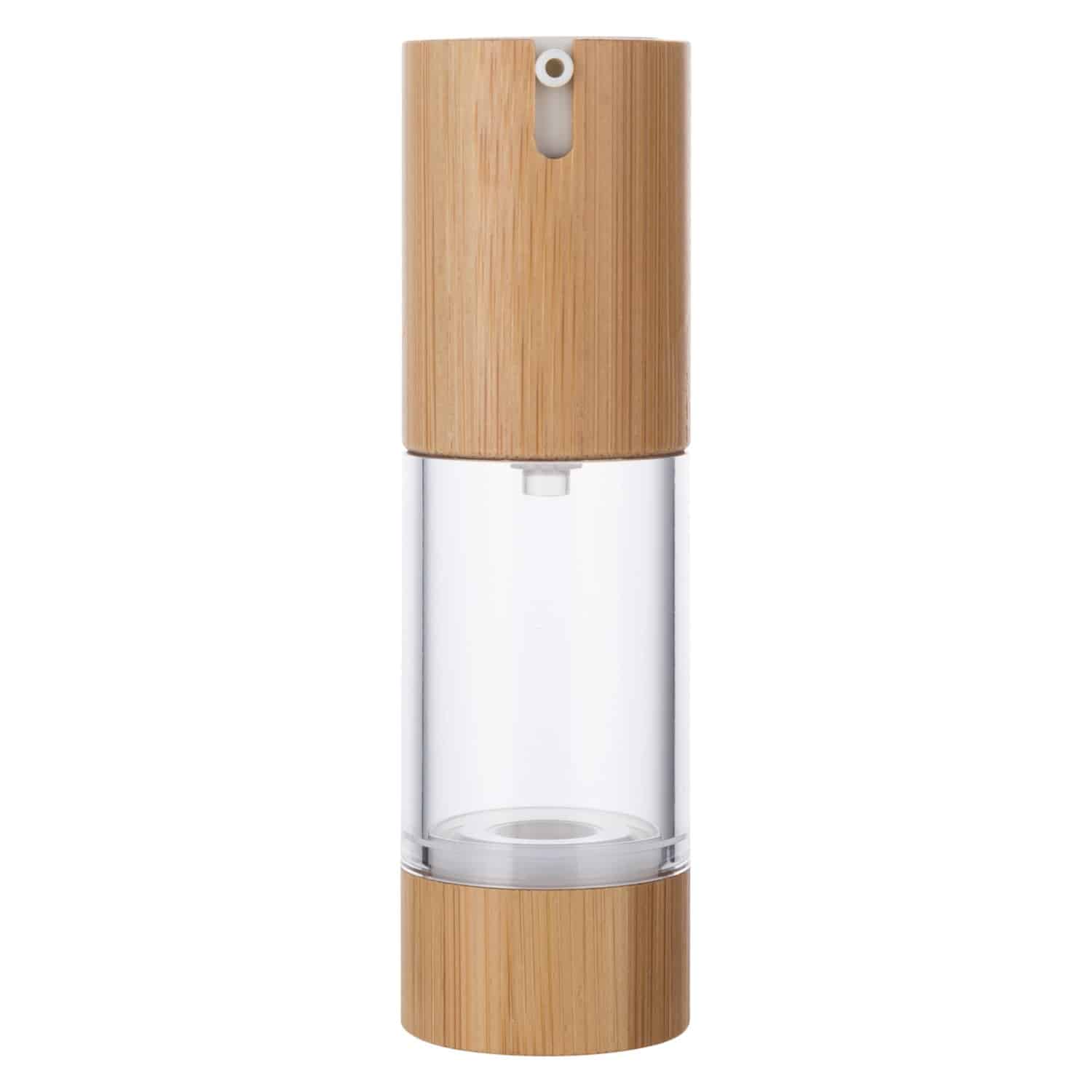
Bio-based packaging uses renewable feedstocks such as bamboo, sugarcane, corn, or other biomass instead of relying entirely on fossil-based resources. Biodegradable materials can provide another end-of-life option when they are designed and processed under suitable conditions.
GIDEA also develops bio-based material solutions, giving brands alternatives to conventional petroleum-based packaging.
Paper-Based & Pulp Molded Beauty Packaging
Paper-based beauty packaging is gaining attention for cartons, secondary packaging, inserts, and selected primary packaging applications. Molded pulp can replace some plastic components while offering a lightweight fiber-based structure.
FSC-certified paper and molded fiber can support responsible material sourcing, but brands should still evaluate coatings, barriers, moisture resistance, and local recycling infrastructure before selecting these formats.
Next-Gen Mushroom, Seaweed & Algae Packaging
Emerging materials such as mycelium, seaweed, and algae-based packaging are expanding the range of bio-based solutions available to beauty brands. Mycelium can form molded protective structures, while algae and seaweed can be developed into films, coatings, and bio-based materials.
These technologies are still developing compared with established plastics, glass, and paper formats. For commercial beauty packaging, brands should evaluate durability, shelf-life protection, manufacturing scalability, certifications, and end-of-life conditions before adoption.
Design & Innovation Trends in Beauty Packaging
Beauty packaging is evolving beyond appearance and basic functionality. Brands are combining simpler structures, digital features, and premium design with sustainability goals to create packaging that is both distinctive and responsible.
Minimalist & Naked Beauty Packaging
Minimalist beauty packaging reduces unnecessary components, layers, and decorative elements while keeping the package functional. Naked packaging takes this approach further by removing the container entirely for suitable solid or concentrated products.
This trend can reduce material use, packaging weight, and shipping volume. For liquid and sensitive formulations that still require protection, minimalist bottles, jars, and tubes offer a more practical alternative to completely package-free formats.
Digital Technology for Beauty Packaging Recycling
Digital tools can make recycling information easier to access throughout the packaging lifecycle. QR codes, digital product passports, and smart labels can provide material details, disposal instructions, and recycling guidance without adding large amounts of printed information.
For brands, these technologies also create opportunities to communicate packaging composition and sustainability information more clearly. Connecting physical cosmetic packaging with digital information can support better disposal decisions and improve transparency.
Luxury Sustainability in Beauty Packaging
Sustainable packaging does not have to sacrifice a premium appearance. Luxury beauty brands are using high-quality glass, aluminum, recycled materials, refined surface finishes, and precise decoration to combine sustainability with brand identity.
Durable outer packaging can also support refill systems and longer product lifecycles. The focus is shifting from excessive decoration toward premium materials, craftsmanship, functionality, and thoughtful design, allowing sustainable beauty packaging to remain visually distinctive.
Market Opportunities for Sustainable Beauty Packaging
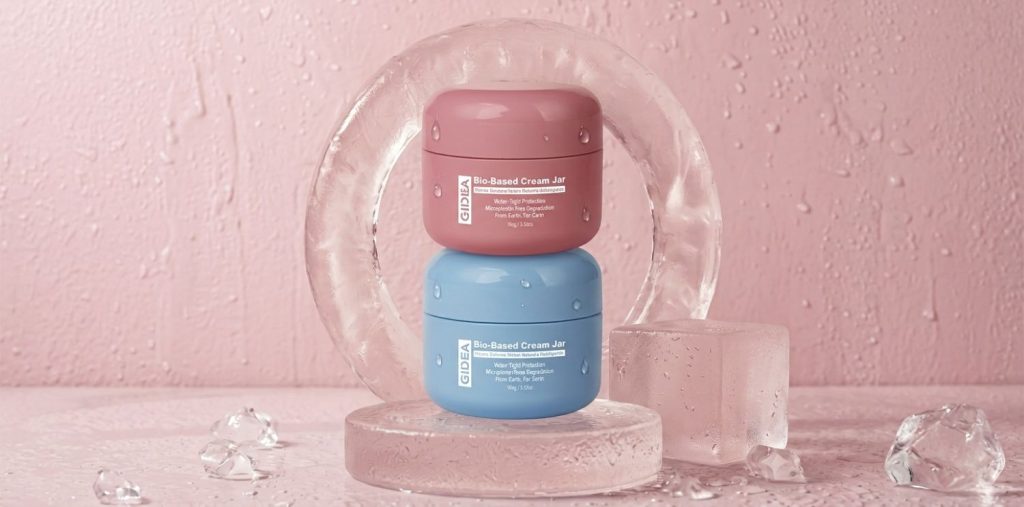
The shift toward sustainable beauty packaging creates opportunities for brands to reach sustainability-focused consumers while preparing for evolving regulations. Success depends on choosing the right materials, manufacturing partners, production model, and customization strategy.
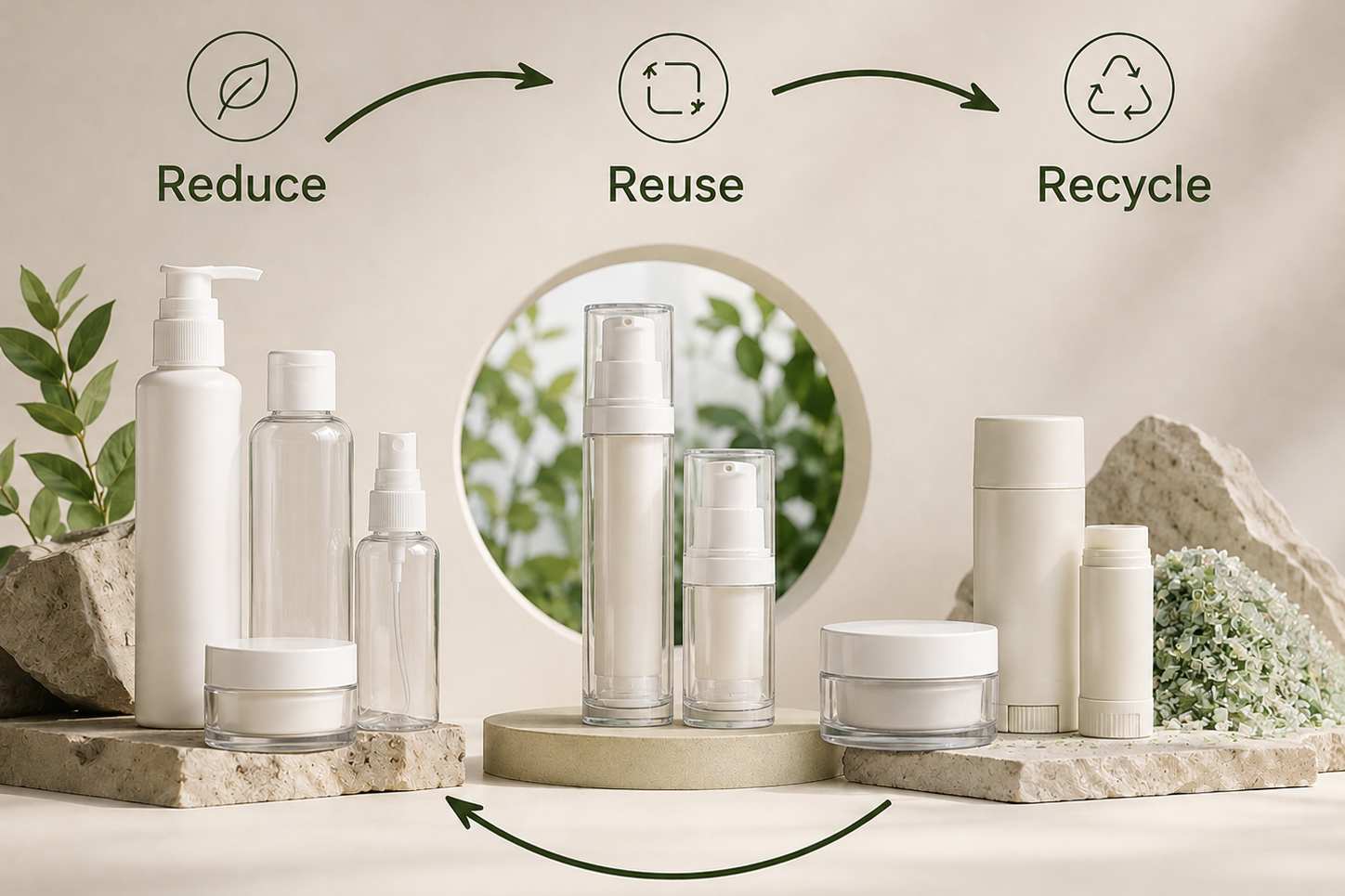
Building a circular packaging system requires cooperation across the supply chain, from material suppliers and packaging manufacturers to fillers and recyclers. GIDEA supports this approach through its 3R & 1B system—Reduce, Reuse, Recycle, and Biodegrade, offering solutions such as PCR, mono-material, refillable, and bio-based packaging.
Cost and MOQ are also important considerations. Flexible production allows brands to test sustainable materials and packaging formats without committing to large volumes, reducing inventory and upfront investment risks. GIDEA offers flexible MOQs for different project sizes.
Brands can choose between standard design customization and custom mold development. Standard options allow faster launches with customized colors, finishes, and decoration, while new molds provide greater control over shape, functionality, and brand identity.
Rapid prototyping can further shorten the development process by allowing brands to test dimensions, dispensing systems, and appearance before mass production. GIDEA provides 7-day rapid prototyping and in-house R&D support, helping brands move sustainable packaging concepts toward commercial production more efficiently.
How Beauty Brands Can Lead the Sustainable Packaging Shift
Audit Materials & Set Clear Sustainability Goals
Leading the shift starts with knowing exactly what packaging you use today. A thorough materials audit reveals where waste hides and where improvements matter most. Begin by building a complete inventory of every component across all SKUs. Record each material type, its recycled content percentage, and its weight. Then classify each component by recyclability based on actual municipal collection systems in your key markets. Flag any SKU with a packaging-to-product volume ratio above 2:1 as a priority redesign candidate.
Next, review every on-pack sustainability claim against material data and certifications. Remove any claim you cannot substantiate. Map compliance obligations by market, noting which Extended Producer Responsibility regimes apply and when reporting deadlines fall. Finally, score each opportunity using an impact-versus-ease matrix to separate quick wins from strategic redesigns.
Once the audit is complete, set goals that align with proven industry benchmarks. L’Oréal demonstrates what large brands can achieve, with 32% of their packaging now made from recycled or biobased materials. Circular packaging systems can reduce emissions by up to 85% through savings in packaging and transportation. Refillable makeup sales increased by 364% in the first half of 2022, showing strong consumer appetite for reuse models. Common goals include reducing plastic waste, lowering resource consumption, and adopting biodegradable materials like PLA that decompose naturally.
| Sustainability Goal | Supporting Evidence |
|---|---|
| Reducing plastic waste | L’Oréal uses 32% recycled or biobased materials |
| Circular packaging systems | Can reduce emissions by up to 85% |
| Biodegradable materials | Mushroom-based packaging decomposes within 45 days |
Partner with Innovation-Driven Packaging Suppliers
No brand achieves sustainability alone. The right supplier brings materials expertise, production capability, and regulatory knowledge. Consumer demand is clear: 67% of consumers tried to have a positive environmental impact through everyday actions in 2021, and 46% used sustainable packaging. Brands that partner with specialized manufacturers gain access to PCR plastics, ocean-bound materials, and mono-material designs that sorting facilities can process efficiently.
Effective collaboration requires open communication and aligned goals. Manufacturers, retailers, and recyclers must share information and coordinate activities. A strategic partner like GIDEA offers flexible minimum order quantities, rapid prototyping within seven days, and two customization paths. Standard designs allow faster launches with lower MOQs. Custom mold development gives established brands full design ownership. This flexibility lowers financial barriers while maintaining quality standards.
Implementing sustainable packaging requires collaboration with industry experts and manufacturers. Partnering with a company that provides eco-friendly materials and innovative production processes reinforces a brand’s environmental credibility and builds consumer trust.
Brands that audit honestly, set measurable goals, and choose the right manufacturing partner position themselves as leaders in Sustainable Beauty Packaging. The market rewards early adopters with customer loyalty and regulatory readiness.
Communicate Sustainability Claims Transparently
Sustainability claims should be specific, verifiable, and easy to understand. Instead of broad terms such as “green” or “eco-friendly,” explain measurable features such as “50% PCR content,” “mono-material PP,” or “refillable design.”
Brands should also provide clear disposal or recycling instructions where appropriate. Supporting claims with certifications, material data, and transparent packaging information helps avoid greenwashing concerns and builds credibility with consumers, retailers, and business partners.
With the right audit, supplier, and communication strategy, beauty brands can make sustainable cosmetic packaging a practical part of long-term product development—not just a marketing message.
How Gidea Enables Your Sustainable Beauty Packaging Vision
Switching to sustainable packaging requires the right manufacturing partner. Since 2003, GIDEA has supplied sustainable cosmetic packaging to more than 1,000 beauty brands worldwide. Its 3R & 1B approach—Reduce, Reuse, Recycle, and Biodegrade—guides brands toward more circular packaging solutions.
GIDEA offers PCR plastic, rPET, bio-based materials, and ocean-bound plastic (OBP), with up to 100% PCR content. Mono-material designs also make packaging easier to recycle, while refillable options help reduce single-use waste.
Brands can choose standard designs with customized colors and finishes or develop fully custom packaging with new molds. The in-house R&D team provides free design support and 7-day rapid prototyping, helping shorten development time. Flexible MOQs also make sustainable packaging more accessible for both emerging and established brands.
Quality remains a priority. All packaging undergoes 100% leak testing and is produced to FDA, ISO, and international standards. From material selection to final production, GIDEA helps brands develop practical, scalable Sustainable Beauty Packaging solutions.
As the beauty industry moves toward circular packaging, choosing the right supplier can help brands reduce material waste, meet changing regulations, and respond to growing demand for sustainable products.
FAQs: Sustainable Beauty Packaging
What Materials Are Most Eco-Friendly for Beauty Packaging?
There is no single material that is best for every beauty product. PCR plastic, rPET, mono-material PP or PE, glass, aluminum, bamboo, and bio-based materials can all support sustainable cosmetic packaging when matched with the right application and recycling infrastructure.
For many brands, PCR and rPET are practical choices because they reduce reliance on virgin plastic while maintaining familiar packaging formats. Mono-material designs can also improve recyclability by reducing mixed components. The best option depends on product requirements, durability, recyclability, and the end-of-life system in the target market.
Are Sustainable Beauty Packaging Solutions More Expensive?
They can have higher upfront costs, especially for PCR materials, custom molds, refill systems, or new production processes. However, cost should be evaluated beyond the unit price. Lightweight packaging, recycled content, refillable systems, and recyclable designs can reduce material use, waste, and potential regulatory costs over time.
Flexible MOQs and standard packaging designs can also help brands test Sustainable Beauty Packaging without making a large initial investment.
Do Consumers Really Care About Sustainable Beauty Packaging?
Yes, but sustainability is not the only purchasing factor. A 2025 McKinsey survey found that 51% of consumers globally consider packaging’s environmental impact very or extremely important, while recyclability ranked as the most important sustainability characteristic.
Other research also shows strong demand: 54% of U.S. consumers surveyed by Shorr said they had deliberately chosen products with sustainable packaging in the previous six months. For beauty brands, this means sustainable packaging can strengthen brand positioning when it also delivers quality, convenience, attractive design, and clear sustainability information.