Plastic-free cosmetic bottles are made from glass, aluminum, bamboo, bioplastics, and plant fibers. Bioplastics come from sugarcane and corn. Plant fibers turn farm waste into packaging. Each material offers its own eco-friendly and performance benefits. Glass feels heavy and premium. Aluminum is lightweight and can be recycled forever. Bamboo grows quickly and breaks down naturally. Bioplastics help reduce the need for fossil fuels. Plant fibers turn farm waste into packaging. This guide helps people and companies who care about the environment. It explains how these materials work, where they are best used, and what to look for when picking one. The goal is to give clear, useful information. Readers will learn enough to make smart choices about packaging.
Key Takeaways
- Plastic-free cosmetic bottles are made from glass, aluminum, bamboo, bioplastics, and plant fibers.
- Glass and aluminum can be recycled over and over and keep products safe.
- Bamboo grows fast and breaks down on its own.
- Bioplastics and plant fibers cut down the use of fossil fuels and turn waste into packaging.
- Brands can pick refillable and waterless systems to reduce plastic waste.
Understanding Plastic-Free Cosmetic Bottles for Beauty Brands
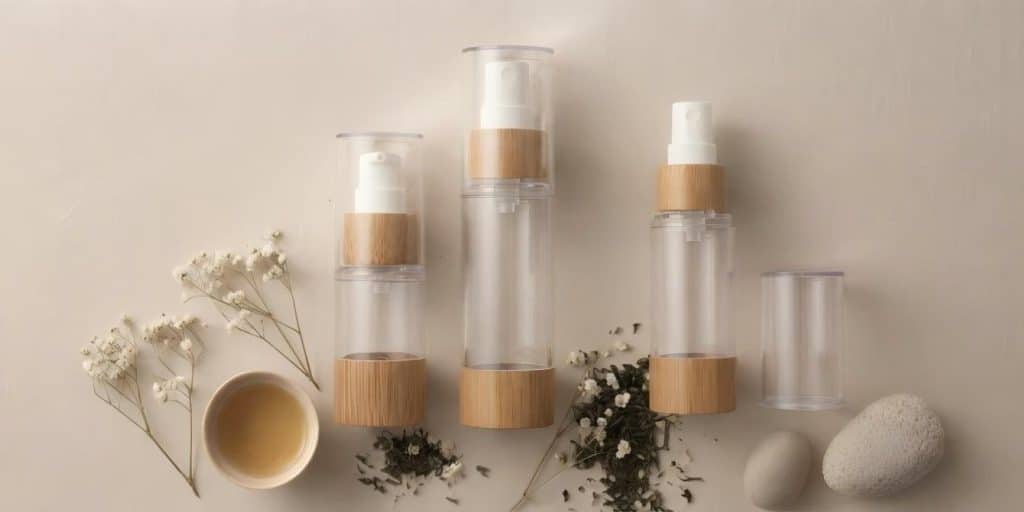
Why Brands Are Exploring Alternatives to Traditional Plastic Bottles
Beauty brands face more and more pressure to cut down on plastic waste. The worldwide personal care industry is worth $500 billion every year and depends a lot on plastic. The beauty and personal care packaging industry brings in almost $25 billion in global sales, mostly from plastic packaging. Plastic packaging on U.S. products has gone up over 120 times since 1960, and nearly 70 percent of it ends up in landfills. These numbers show why brands look for other choices for cosmetic bottles.
| Scope | Annual Plastic Packaging Units |
|---|---|
| Global personal care and beauty industry | More than 120 billion units of packaging per year |
| U.S. beauty and personal care products (2018) | Almost 7.9 billion units of rigid plastic |
Glass, aluminum, and bamboo are the most common plastic-free choices. Each material has a long history in packaging. Glass gives a high-end feel and works well for creams, serums, and oils. Aluminum creates a light barrier for products that need shelter from light and air. Bamboo gives a natural look and fits solid or powder formats.
Aluminum and glass can be recycled forever. A glass bottle can be melted and reshaped without losing quality. Aluminum works the same way. Recycling rates for both materials stay higher than for most plastics. Bamboo grows fast and breaks down on its own. A bamboo stalk reaches harvest size in a few years, while hardwood trees take decades. This quick growth makes bamboo a renewable resource.
- Since 2018, the U.S. beauty industry has made 7.9 billion rigid plastic packaging units per year.
Brands explore these alternatives for a few reasons. Consumer demand for eco-friendly products keeps going up. Retailers ask for sustainable packaging to meet their own goals. Rules in some regions now limit single-use plastic. These factors push brands to test glass, aluminum, bamboo, and cardboard. Each material gives a different mix of cost, durability, and appearance. A brand must match the material to the product and the market. This process takes time and testing. The result is a packaging system that cuts plastic waste and meets customer expectations.
Sustainable Materials Used in Plastic-Free Cosmetic Bottles
PCR Packaging Materials for More Sustainable Beauty Bottles
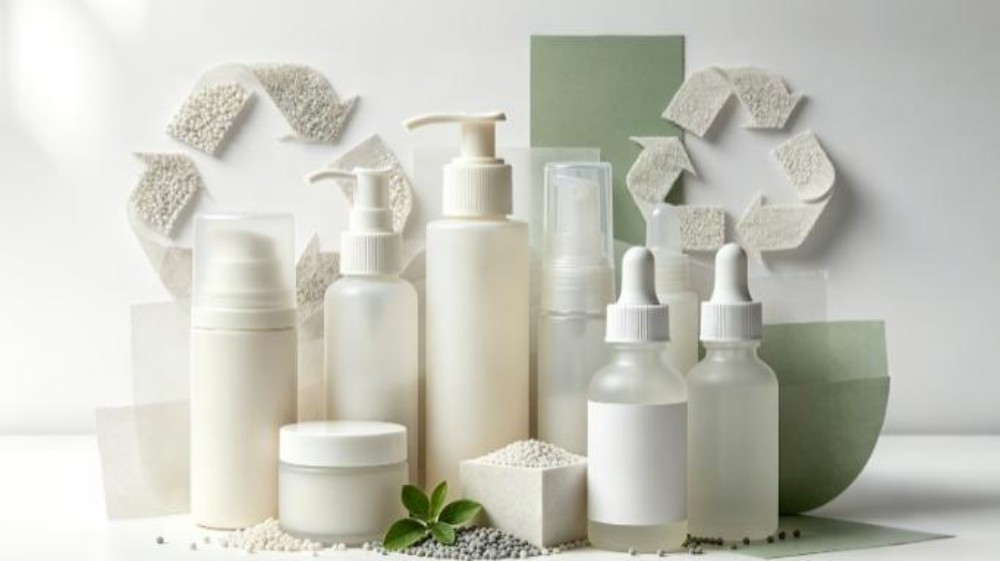
Post-consumer recycled (PCR) material gives used plastic a second life. PCR packaging takes plastic items that people already used, cleans them, and turns them into new resin. This keeps plastic out of landfills and lowers the need for new plastic. Brands can pick from a few common PCR levels for cosmetic bottles. The usual percentages are 25%, 50%, 75%, and 100%. Each level changes how the final package looks. More PCR content may change the bottle’s color or clarity. A brand that wants a very clear bottle might choose a lower percentage. A brand that cares most about recycled content might pick 100%. The right choice depends on the product and the brand’s sustainability goals. PCR works well for many bottle types, like lotion bottles, shampoo bottles, and cream jars. This material supports a circular economy by keeping plastic in use longer.
OBP Packaging Solutions Using Recovered Ocean Bound Plastic
Ocean Bound Plastic (OBP) is plastic waste collected near coastlines before it reaches the ocean. This material comes from communities that do not have proper waste management systems. Collecting OBP helps stop plastic from flowing into marine environments. OBP packaging uses this recovered plastic as a raw material. The process supports local collection efforts and gives value to waste that would otherwise pollute waterways. Brands that use OBP packaging show a direct commitment to ocean health. This material works for cosmetic bottles, jars, and caps. OBP can be mixed with PCR to raise the total recycled content. The result is a package that tackles both landfill waste and ocean pollution.
Bamboo Packaging Options for Natural Beauty Brands
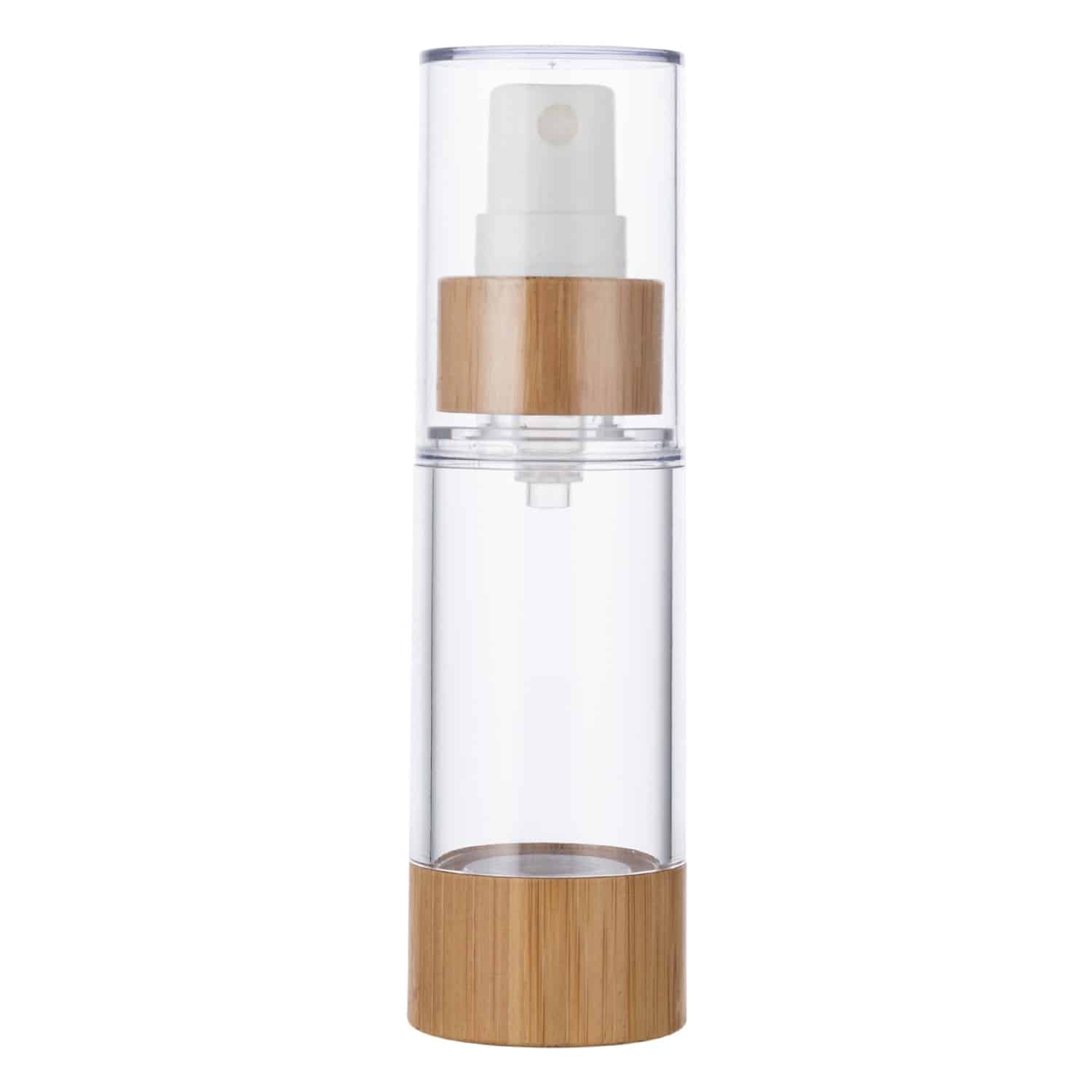
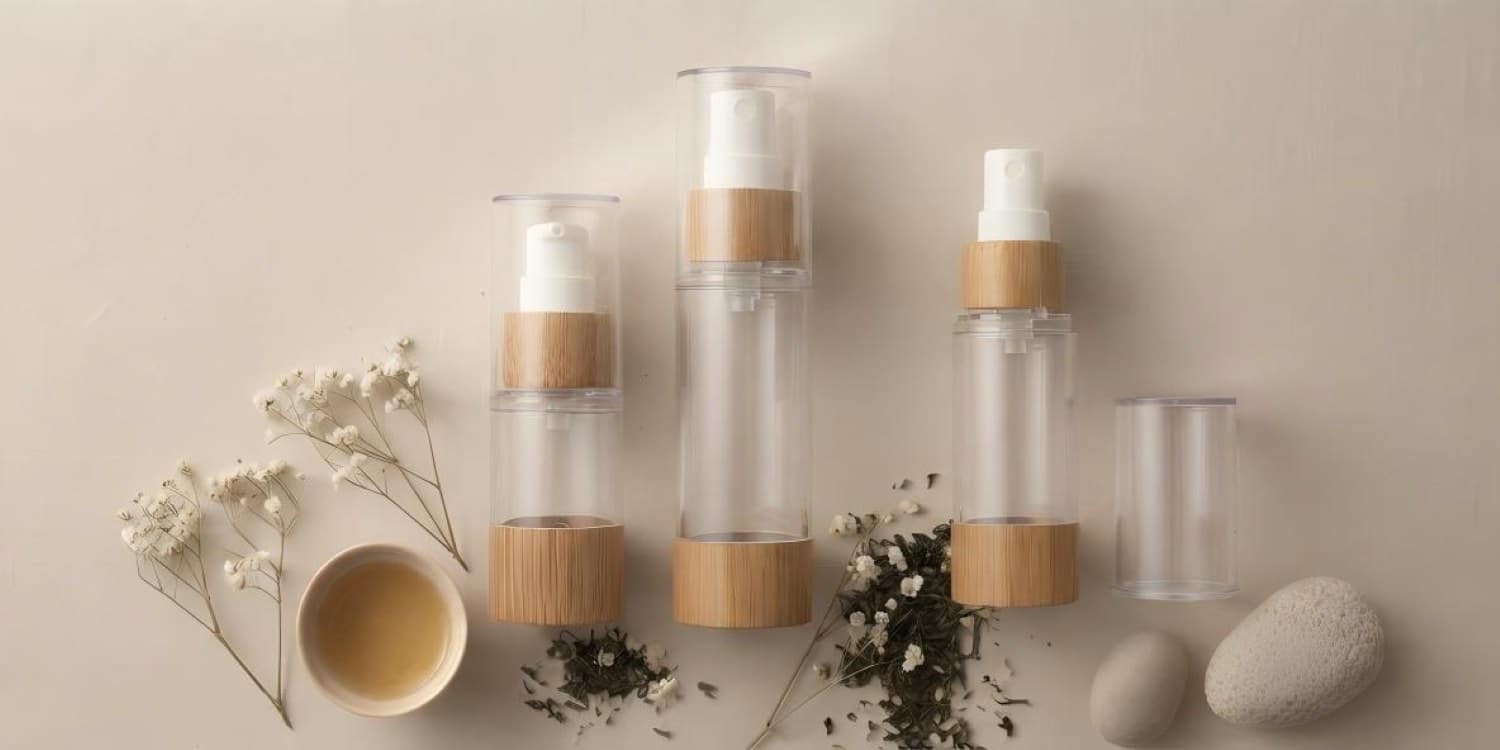
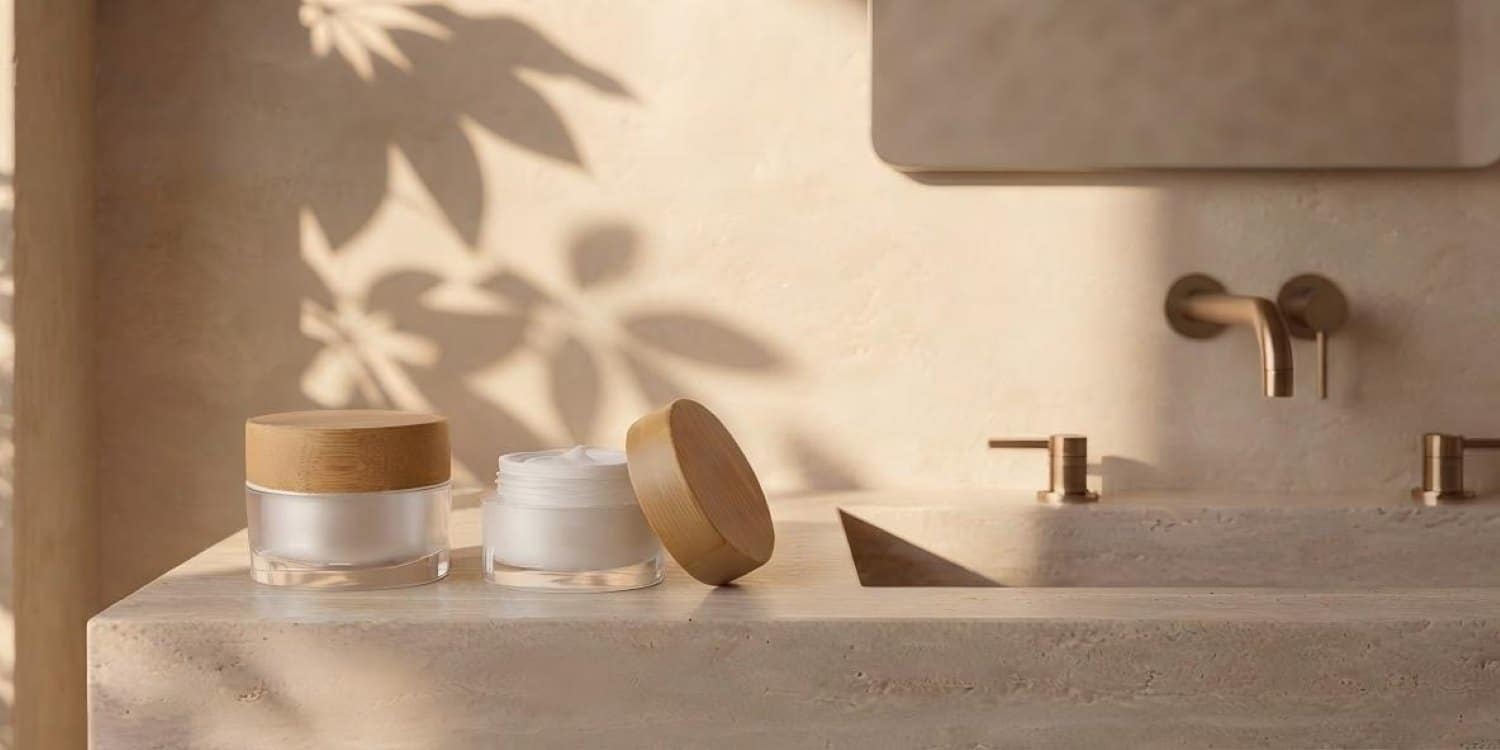
Bamboo is a renewable material that can bring a natural appearance to cosmetic packaging. Its distinctive texture makes it suitable for skincare, wellness, and natural beauty brands.
Bamboo can be used in packaging components and exterior elements to create a different look from conventional plastic packaging. Material combinations can be selected according to product protection and design requirements.
For brands targeting a nature-focused positioning, bamboo packaging can connect the visual identity of the package with renewable material sourcing.
Bio-Based Materials for Plant-Derived Cosmetic Packaging
Bio-based materials are produced partly or entirely from renewable biological resources such as plants. They can help reduce dependence on fossil-based feedstocks.
Bio-based plastics such as bio-PE, bio-PET, and bio-PP are not necessarily biodegradable. Brands should therefore distinguish between the material’s renewable origin and its end-of-life properties.
The right bio-based material depends on packaging performance, product compatibility, appearance, and the brand’s sustainability objectives.
Mono-Material Packaging for Easier Recycling Solutions
Mono-material packaging uses one primary material across the main packaging structure. This can simplify sorting and recycling compared with packages made from multiple difficult-to-separate materials.
For cosmetic bottles, compatible bottle, closure, and component designs can help improve recyclability. Labels, coatings, and other secondary elements should also be considered during packaging development.
Mono-material packaging is therefore less about replacing plastic with another material and more about creating a simpler structure that supports easier recycling and material recovery.
How Different Materials Perform in Cosmetic Packaging Applications
Material Durability and Protection for Beauty Products
The material you pick affects how well a package holds up in everyday use. Glass gives a high-end feel and resists chemicals well. But it can break when dropped. That matters for bathroom and travel use. Aluminum does not shatter and handles drops with less risk. A side-by-side look at the two materials shows clear differences.
Aluminum also blocks light and air, which keeps sensitive formulas safe. Bamboo works best for solid or powder products. It does not work for liquid formulas unless there is a liner. Every material has trade-offs between protection and durability.
Compatibility with Skincare and Personal Care Formulas
Formulas differ in pH, oil content, and active ingredients. Glass resists most chemicals and does not react with acids or oils. Aluminum needs an inner coating for acidic formulas. Without a liner, metal can react with certain ingredients. Bioplastics and plant fibers may soak up moisture or oils over time. Brands must test each formula with the material they choose. Compatibility testing stops leaks, color changes, and formula breakdown. A package that matches well protects both the product and the consumer.
Balancing Sustainability and Premium Packaging Appearance
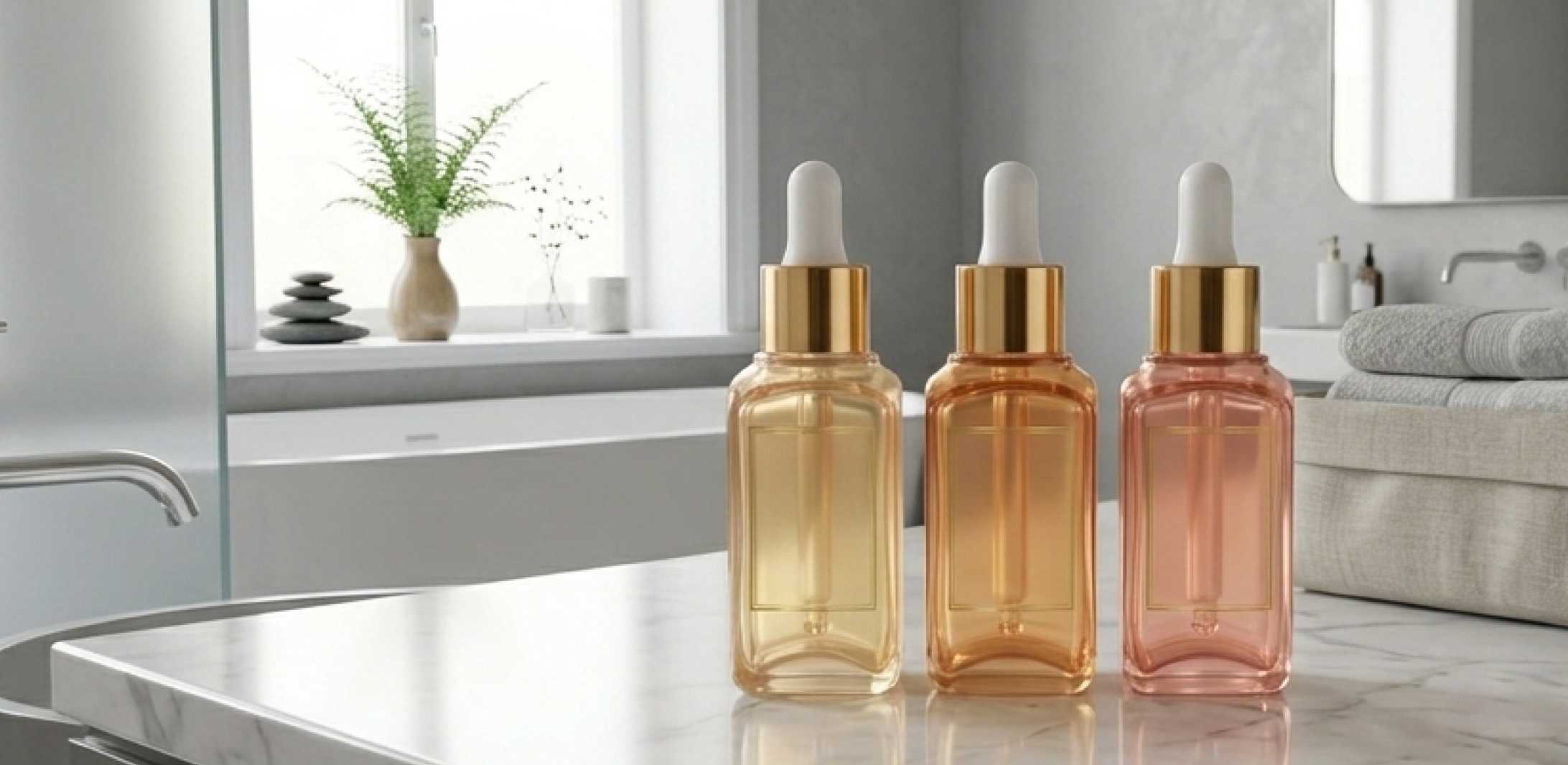
Sustainable packaging does not have to compromise visual appeal. PCR can provide a distinctive recycled appearance, while bamboo can create a natural and tactile look. Glass can support a premium presentation for brands that prioritize a high-end aesthetic.
Finishes, colors, printing, shapes, and surface treatments can further customize sustainable cosmetic packaging. Brands can therefore select sustainable materials while maintaining a consistent visual identity.
GIDEA offers customizable bottles, jars, airless packaging, and other cosmetic formats, allowing beauty brands to balance sustainability, functionality, and premium packaging design.
Choosing the Right Plastic-Free Cosmetic Packaging Material
Consider Product Requirements and Packaging Performance
Start with the product itself. Formula type, moisture sensitivity, shelf life, filling process, weight, and handling conditions can all affect packaging requirements.
The material should provide suitable protection during filling, transportation, storage, and daily use. Brands should also evaluate compatibility, durability, dispensing performance, and required finishes before selecting a packaging structure.
Testing and prototyping can help validate the final design before mass production. This reduces the risk of leakage, breakage, poor usability, or packaging performance issues.
Evaluate Sustainability Goals and Material Availability
Material selection should match the brand’s specific sustainability goals. Some brands may prioritize recycled content, while others may focus on renewable resources, recyclability, refillability, or reduced material use.
Availability is equally important for commercial production. Brands should evaluate material sourcing, production capacity, MOQ, lead times, manufacturing processes, and quality consistency before committing to a packaging material.
Working with a manufacturer with in-house R&D and production capabilities can simplify material evaluation and packaging development. GIDEA offers sustainable material options and supports custom cosmetic packaging development.
Match Packaging Materials with Brand Positioning
Packaging should reflect the brand’s visual identity as well as its sustainability message. Bamboo can support a natural and wellness-focused image, while glass can create a premium appearance. Recycled and mono-material options can communicate a more modern sustainability positioning.
Color, texture, shape, printing, and finishing also influence how consumers perceive the package. The material should therefore support both the product experience and the brand’s market positioning.
A well-matched packaging solution combines sustainability, functionality, and visual identity without compromising the requirements of the beauty product.
Future Trends in Plastic-Free Beauty Packaging
Growing Demand for Sustainable Cosmetic Packaging Materials
Shoppers keep asking for greener choices. This demand makes brands rethink every part of the package, including cosmetic bottles. Worries about durability, cost, and formula protection still hold some companies back. But these worries have answers. Glass and aluminum protect formulas well. Bamboo works for solid formats. Testing solves most compatibility questions before launch.
Cost is still the biggest problem. Smaller production runs raise the cost per unit. Bio-based feedstocks can be expensive and compete with other uses. Research and development adds to the price. Low market demand keeps prices high, but more adoption could bring them down.
Innovation in Bio-Based and Circular Packaging Solutions
Recycling rates for regular plastic stay uneven. Much of it gets downcycled into lower-value products instead of coming back as new packaging. That gap makes a stronger case for plastic-free options. Glass and aluminum recycle at higher rates and keep their quality through repeated cycles.
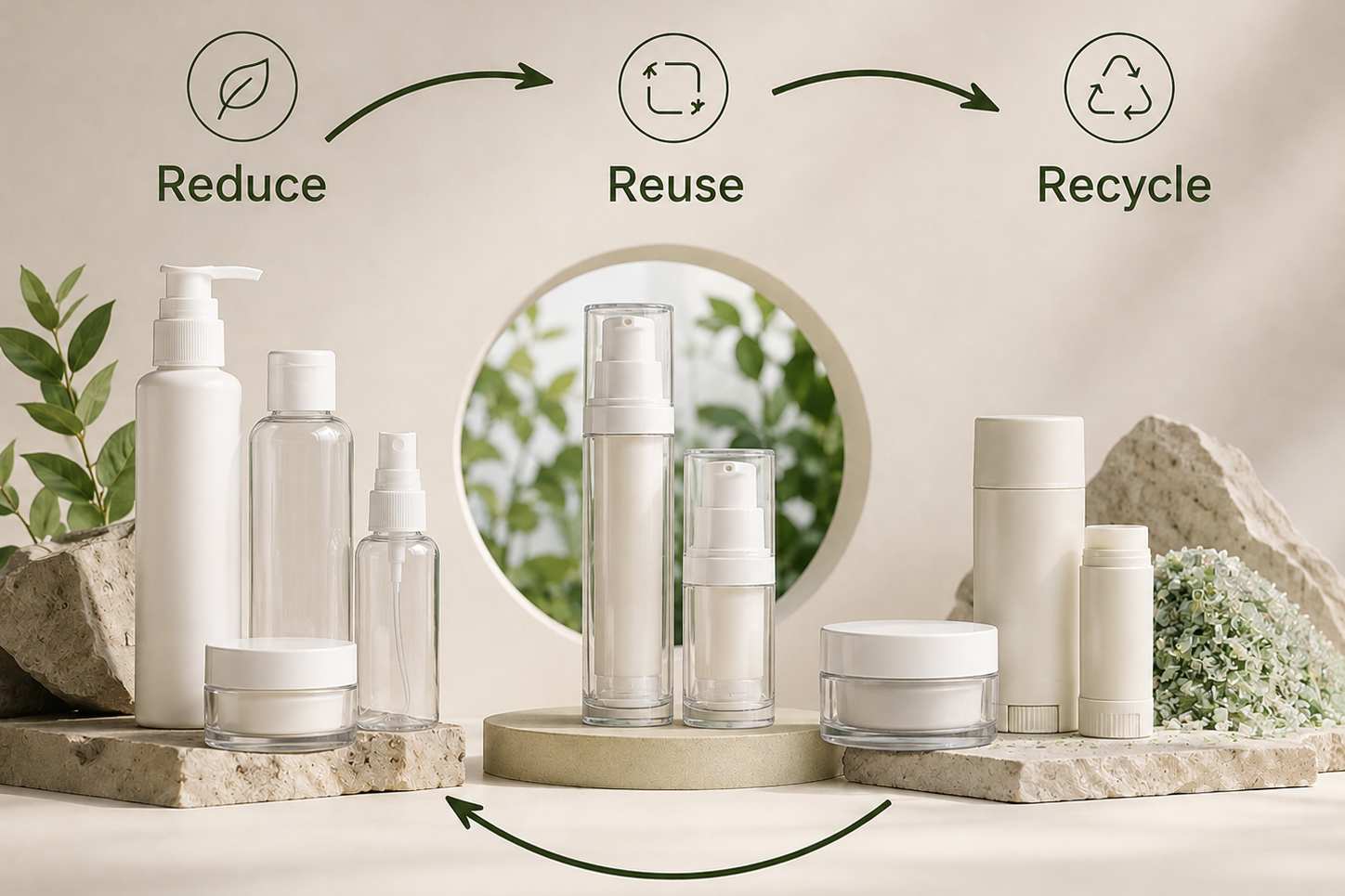
Plastic-free packaging works for both brands and consumers. Refillable systems cut single-use waste. Waterless formats reduce shipping weight. Bio-based and compostable materials keep getting better. Brands that adopt these solutions now put themselves ahead of regulation and consumer expectations. The shift is practical, not just a dream.
Why Choose Our Sustainable Cosmetic Packaging Manufacturing
Experienced Manufacturer for Eco-Friendly Beauty Packaging
GIDEA has provided cosmetic packaging solutions to beauty brands since 2003. Its experience covers sustainable materials, packaging development, and manufacturing for skincare, makeup, personal care, and other beauty applications.
In-house R&D and manufacturing capabilities help connect packaging development with production requirements. GIDEA also holds certifications including ISO 9001, ISO 14001 supporting quality, environmental management, and responsible manufacturing practices.
Flexible Customization for Global Cosmetic Brands
GIDEA provides custom cosmetic packaging for different product formats, capacities, structures, and branding requirements. Brands can develop bottles, jars, airless packaging, sticks, and refillable solutions according to their product needs.
Customization can cover materials, colors, finishes, printing, components, and packaging structures. Sustainable options include PCR, OBP, bamboo, bio-based, and mono-material solutions, giving brands flexibility when developing different product lines.
Quality Control Throughout Packaging Production
Consistent quality is essential for cosmetic packaging performance. GIDEA integrates quality control into packaging development and production to help identify issues before products reach customers.
Quality checks can cover material consistency, dimensions, appearance, component fit, and packaging performance. This production-focused approach helps reduce defects, maintain consistency across larger orders, and support reliable delivery for global cosmetic brands.
FAQs About Plastic-Free Cosmetic Bottles
Are Plastic-Free Cosmetic Bottles Completely Plastic Free?
Not necessarily. The term “plastic-free” can refer to packaging designed without conventional plastic, but some sustainable packaging may still contain plastic components or liners. Brands should check the complete packaging structure and material composition with the manufacturer.
What Is the Most Sustainable Material for Cosmetic Bottles?
There is no single material that is the most sustainable for every cosmetic product. The right choice depends on formula compatibility, durability, recyclability, renewable content, production requirements, and end-of-life options.
Are PCR Cosmetic Bottles Better Than Traditional Plastic Bottles?
PCR cosmetic bottles use recycled post-consumer plastic instead of relying entirely on virgin plastic. They can help reduce demand for new plastic and keep existing materials in circulation while providing practical packaging performance.
What Materials Can Replace Plastic in Beauty Packaging?
Common alternatives include glass, aluminum, bamboo, and some bio-based or fiber-based materials. The appropriate material depends on the product format, formula, protection requirements, appearance, and sustainability goals.
Can Plastic-Free Cosmetic Packaging Be Customized for Brands?
Yes. Cosmetic packaging can be customized in materials, shapes, sizes, colors, finishes, components, and branding. GIDEA provides custom sustainable packaging solutions for bottles, jars, airless packaging, sticks, and other beauty applications.