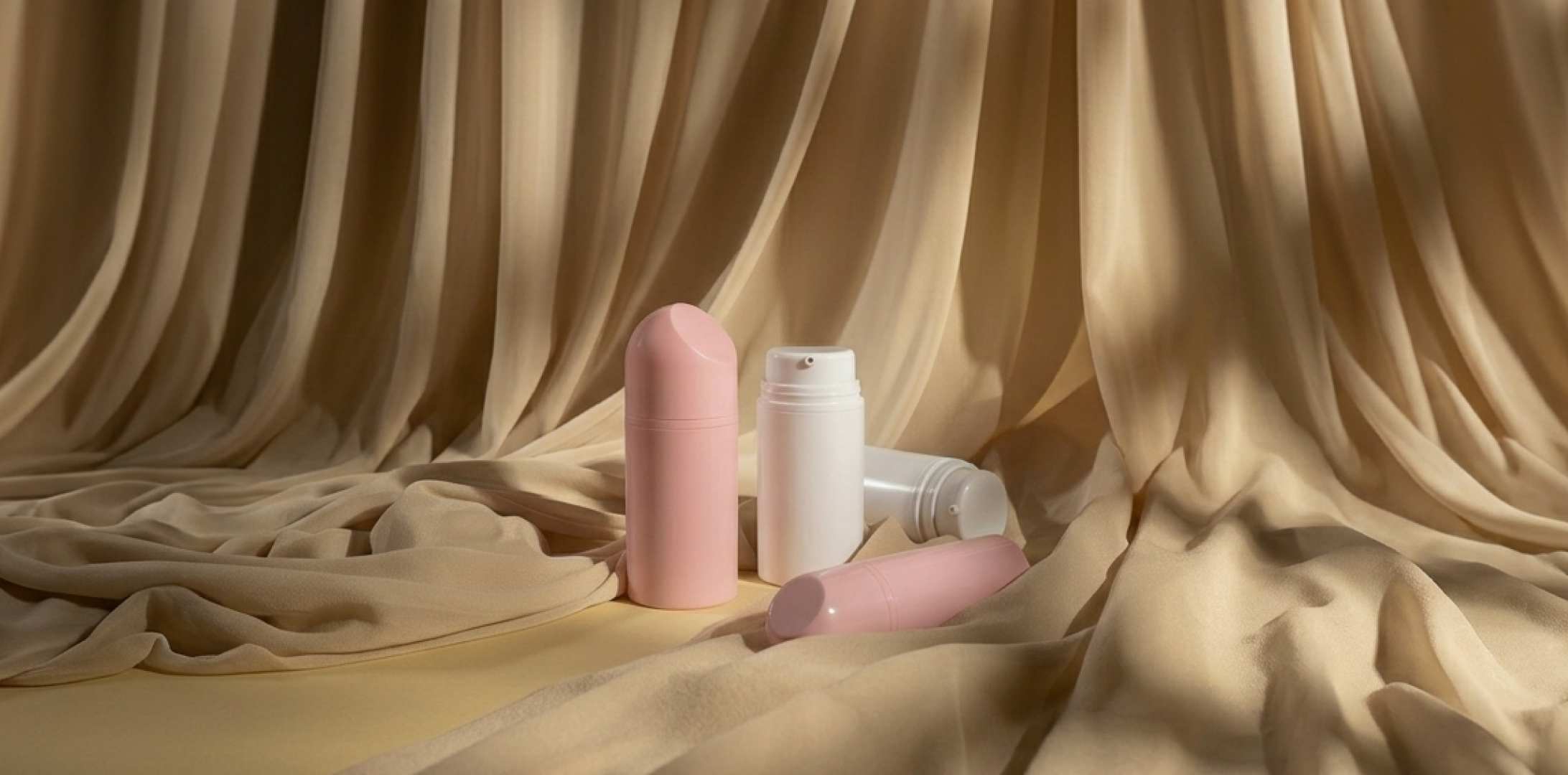
Post-Consumer Recycled Content (PCR) comes from everyday trash. People use household goods and throw them away. Specialized plants collect these items. They clean and process the trash into materials. Companies use these materials to make new PCR packaging. This differs from post-industrial waste. That material comes from factory scrap instead.
Brands now face new government rules. They must meet corporate goals too. Shoppers everywhere want greener choices. The global PCR plastic market grew fast. Using recycled inputs cuts resource use. It helps businesses grow strong over time. It protects brand value for the future.
Key Takeaways
- PCR materials come from everyday trash. They help companies make eco-friendly packaging.
- Using recycled plastic lowers factory carbon emissions. It also cuts reliance on fossil fuels.
- Strict safety rules keep PCR packaging safe. Advanced cleaning processes also help a lot. This makes it great for cosmetics.
- New chemical recycling tech helps plants fix plastic. It works many times. The plastic stays strong.
What Is Post-Consumer Recycled Content (PCR) Material?
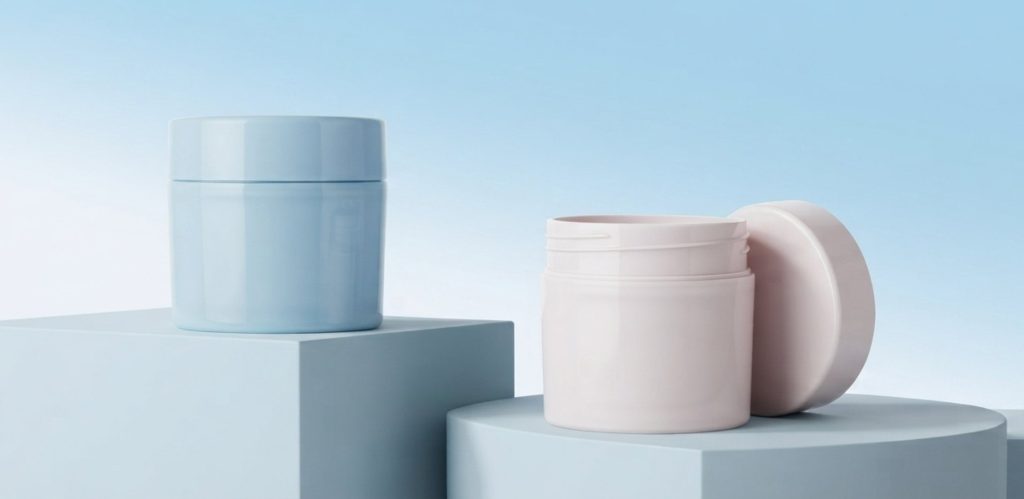
Post-consumer recycled items come from daily trash. People throw these goods away every day. Families and offices create this waste constantly. City systems keep these items out of landfills. Special plants turn trash into raw materials. This process lowers harm to our planet. Factories use these goods to make green packaging.
Understanding PCR Materials and Their Recycling Sources
City trash provides most of these raw materials. Workers gather trash from houses and stores. Local programs collect these items very quickly. Plants get this waste in three main ways:
- Single-stream: All home recyclables go into one cart.
- Dual-stream: Paper and hard containers stay separate.
- Multi-stream / Source-separated: People separate items before trucks take them.
Sorting plants group waste into clear classes. Fast machines and workers separate each item. Strict rules keep these recycled materials clean. Processing plants turn old waste into new goods:
| Material Class | Specific MSW Items | End Markets / Applications |
|---|---|---|
| Fiber | OCC, mixed paper, sorted office paper, newsprint | Containerboard, tissue, molded fiber |
| Plastics | PET (bottles/thermoforms), HDPE (natural/colored), PP (rigids), film/LDPE | Packaging, textiles, automotive, consumer durables |
| Metals | Aluminum (used beverage cans/UBCs), steel (food cans, ferrous) | Smelters and mills |
| Glass | Flint, amber, and green cullet | Bottles, fiberglass, abrasives, aggregate substitutes |
| Specialty Materials | Electronics, textiles | Specialized re-processing streams |
Each waste type follows its own step. Old paper breaks down into new sheets. Metal scraps melt inside huge hot ovens. Workers sort glass colors before making new jars. E-waste goes to special plants for safety.
Plastic makes up a huge part of waste. Trucks collect plastic bottles from home bins. Sorting centers group plastics by type and color. Workers split clear bottles from thick jugs. Smart machines remove dirt and bad plastic pieces. Sharp blades chop plastic into tiny flakes. Hot water washes away glue and dirt. Big machines melt flakes into small pellets. Companies mold pellets into brand-new plastic bottles. Using recycled resin cuts down on fossil fuels. Packaging makers need clean resin for green goals.
How Is PCR Content Made for Sustainable Packaging?

Collection and Sorting of Post-Consumer Plastic Waste
Recycling facilities collect plastic waste from homes and businesses. Workers transport these materials to recovery centers for immediate processing.
Advanced optical sorters separate mixed plastics by polymer type and color. Facilities use near-infrared (NIR) and ultraviolet-visible (UV-Vis) sensors during post-consumer bale processing. These machines separate thermoplastics like PET, PE, and PP. They achieve sorting purity levels between 85% and 95% before reprocessing.
Cleaning and Processing Recycled Plastic Materials
Sorted plastic items undergo shredding into small flakes. High-friction washers remove labels, adhesives, and surface dirt from these flakes.
Decontamination turns recycled flakes into food-grade material through strict steps:
- Solid-State Polycondensation (SSP): Clean flakes undergo prolonged heating for several hours at temperatures between 200°C and 220°C in a vacuum or under inert gas. This stage extracts volatile impurities from the polymer matrix while rebuilding the plastic’s intrinsic viscosity.
- Thermal Extrusion & Melt Filtration: The treated flakes transfer to a heated barrel with a rotating screw. The machine melts and homogenizes the plastic. Liquid plastic flows through fine mesh screens between 80 and 120 microns to capture micro-contaminants before passing through a die to form pellets.
Manufacturing New Products With PCR Resin Materials
Converters purchase high-quality recycled pellets to manufacture sustainable packaging items. Processing plants blend these recycled pellets with virgin polymers or process them as pure resins.
Extrusion blow molding machines produce durable bottles and jars, including cosmetic bottles. Injection molding equipment shapes precise caps, closures, and cosmetic containers. Manufacturers adjust temperatures and processing speeds to maintain material strength. Final testing verifies that new packages satisfy functional standards for safety and durability.
Why Does Post-Consumer Recycled Content Matter?
Supporting Circular Economy Through Material Recycling
Post-consumer recycled plastics change old waste into raw inputs. This replaces old linear models. Items move through supply chains over and over. Plants turn home waste into clean resins. They do not need raw petrochemical sources.
Adding PCR resins builds stronger systems. This closes loops in the packaging sector. These key factors drive circular adoption:
- Transition from Linear Model: It turns trash into useful raw inputs. It keeps goods inside active production cycles.
- Reduced Virgin Resource Dependence: It cuts reliance on raw fossil fuels. It saves petroleum and natural gas.
- Market Incentive & Infrastructure Investment: Demand for secondary plastics raises rapidly. This brings critical cash to sorting plants.
- Policy and Closed-Loop Programs: It meets strict regulatory content rules. It allows brand take-back programs.
Reducing Plastic Waste and Environmental Pollution
Old plastic containers pollute local towns. City systems push trash into landfills. Using PCR content keeps packaging inside active streams. City trucks collect used goods. They send items directly to recyclers.
High recycling rates protect nature from trash. Makers grab old containers. They reshape them into new jars. This process keeps synthetic debris away from oceans.
Lowering Carbon Emissions Compared With Virgin Materials
Making sustainable packaging from resin saves heat energy. Making raw plastic requires heavy oil refining. Recycled resins skip hard fuel refining steps completely.
Lower energy needs cut factory greenhouse gas. The EPA says PCR content cuts gas. Emissions drop up to 30%. Brand leaders cut carbon footprints using certified PCR materials.
Benefits of Using PCR Content in Packaging Applications
Conserves Natural Resources Through Recycling Systems
Switching to old plastic helps nature. It cuts oil use. It saves factory power. Raw plastic needs crude oil. Refining it uses lots of energy. Reusing old plastic skips these steps. Using PCR protects limited resources.
Helps Brands Achieve Sustainable Packaging Goals
Packaging teams use clear data goals. PCR materials help hit targets:
- Percentage of Recycled Content: Tracking actual PCR amounts. This measures progress against goals.
- Supply Chain Traceability: Using blockchain tracking. This proves PCR content sources.
- Data-Driven Target Tracking: Checking waste drops. This tracks total carbon footprints.
Meets Growing Consumer Demand for Eco Products
Shoppers check brand values first. PCR packaging shows real planet care. Recycled cosmetic jars build strong loyalty. People buy circular packages. Simple labels speed up smart choices.
Supports Environmental Regulations and Compliance
Global rules ban bad plastics. Enforceable deadlines set strict laws. EU PPWR Article 7 sets targets. Rules start on January 1, 2030. All materials must come from post-consumer recycled waste.
EPR rules change brand costs. Plastic taxes vary by country. The EU orders eco-modulated fees. High recycled content lowers costs. Bad packaging pays big penalties. EPR fees change by recycled amounts.
| Packaging Category | 2030 Minimum PCR Target | 2040 Minimum PCR Target |
|---|---|---|
| Contact-Sensitive PET Packaging (excl. single-use bottles) | 30% | 50% |
| Contact-Sensitive Non-PET Packaging | 10% | 25% |
| Single-Use Plastic Beverage Bottles | 30% | 65% |
| All Other Plastic Packaging | 35% | 65% |
Strict targets push early fixes. Updating packaging ensures total compliance. Early shifts prevent heavy fines. Brands stay inside major stores.
Challenges of Implementing PCR Packaging Materials
Limited Availability of High-Quality PCR Materials
Recycling systems struggle. They need clean plastic. Trash bins have dirty materials. Bales become very dirty. Sorting centers lack good gear. They miss food-grade plastics easily.
Recyclers need clear resins. Many buyers want high-purity stock. Supply stays low today. Bad systems slow growth. Green streams grow slowly.
Material Color Variation and Performance Differences
Old plastic resins turn grey. Mixed waste adds yellow tints. Workers use color machines. They add dark dyes. Dyes help match colors.
Reheating plastic ruins overall strength. Polymer flows change fast. Workers tweak molding tools. This stops sudden cracks. Package bodies stay strong.
Higher Costs Compared With Virgin Plastic Materials
Cleaning dirty plastic takes labor. Advanced sorting gear uses power. Machines need high costs.
New plastic prices track oil. Processing recycled resin costs more. Clean recycled plastic stays costly. Firms balance high costs. They keep green goals.
Quality Control and Supply Chain Management
Factories use strong rules. They get smooth supply. Plants test flow rates. Teams track material paths. GRS systems audit real sources.
Brands use strict rules. These steps save quality:
| Protocol Strategy | Implementation Method | Impact on Batch Consistency |
|---|---|---|
| Stream Sorting | Use clean PCR streams directly | Removes dirty items quickly |
| Supplier Relationship | Work with direct suppliers | Makes supply sources clear |
| Incoming Verification | Test every incoming lot | Catches bad plastic early |
Common Applications of Post-Consumer Recycled Content
PCR Cosmetic Containers and Beauty Packaging Solutions
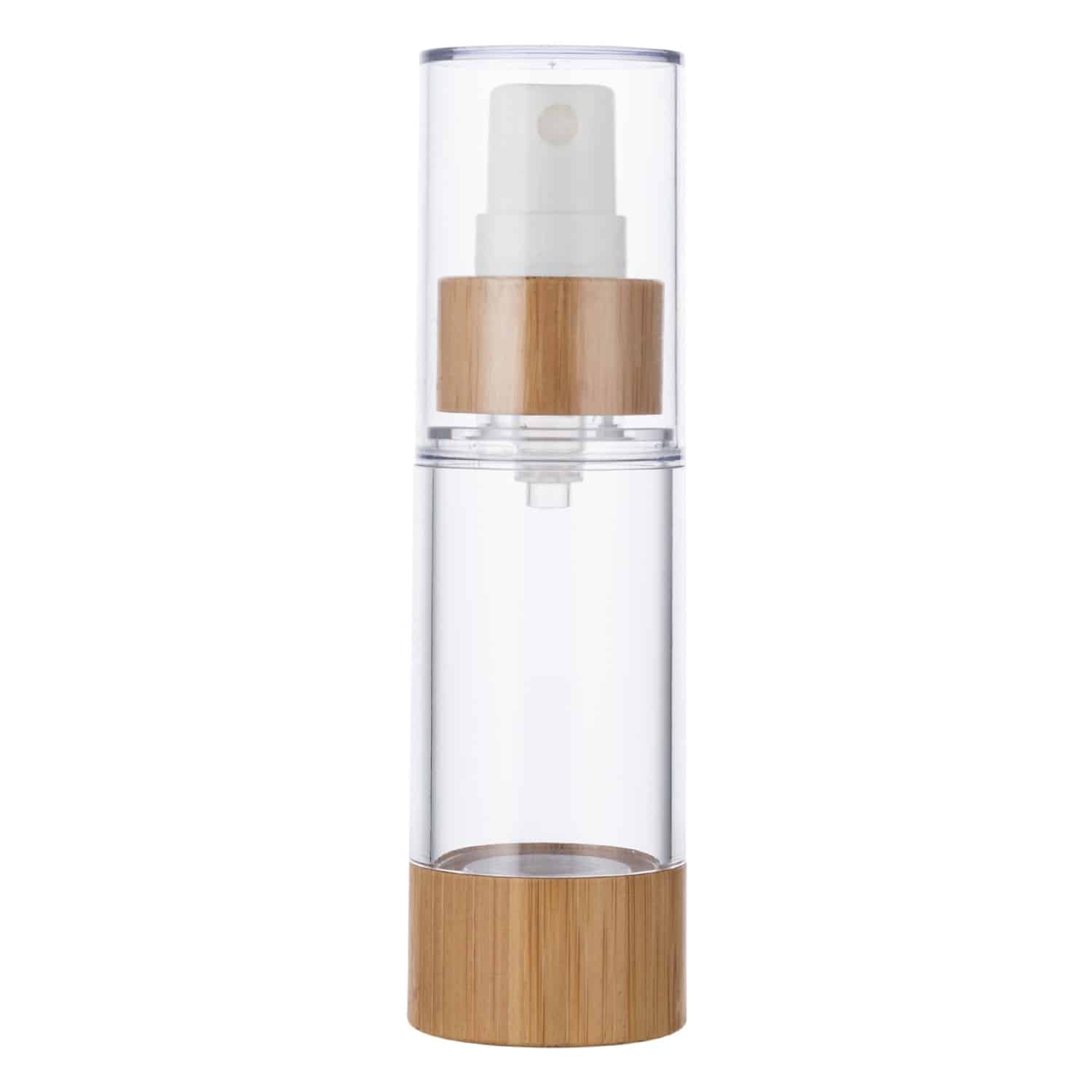
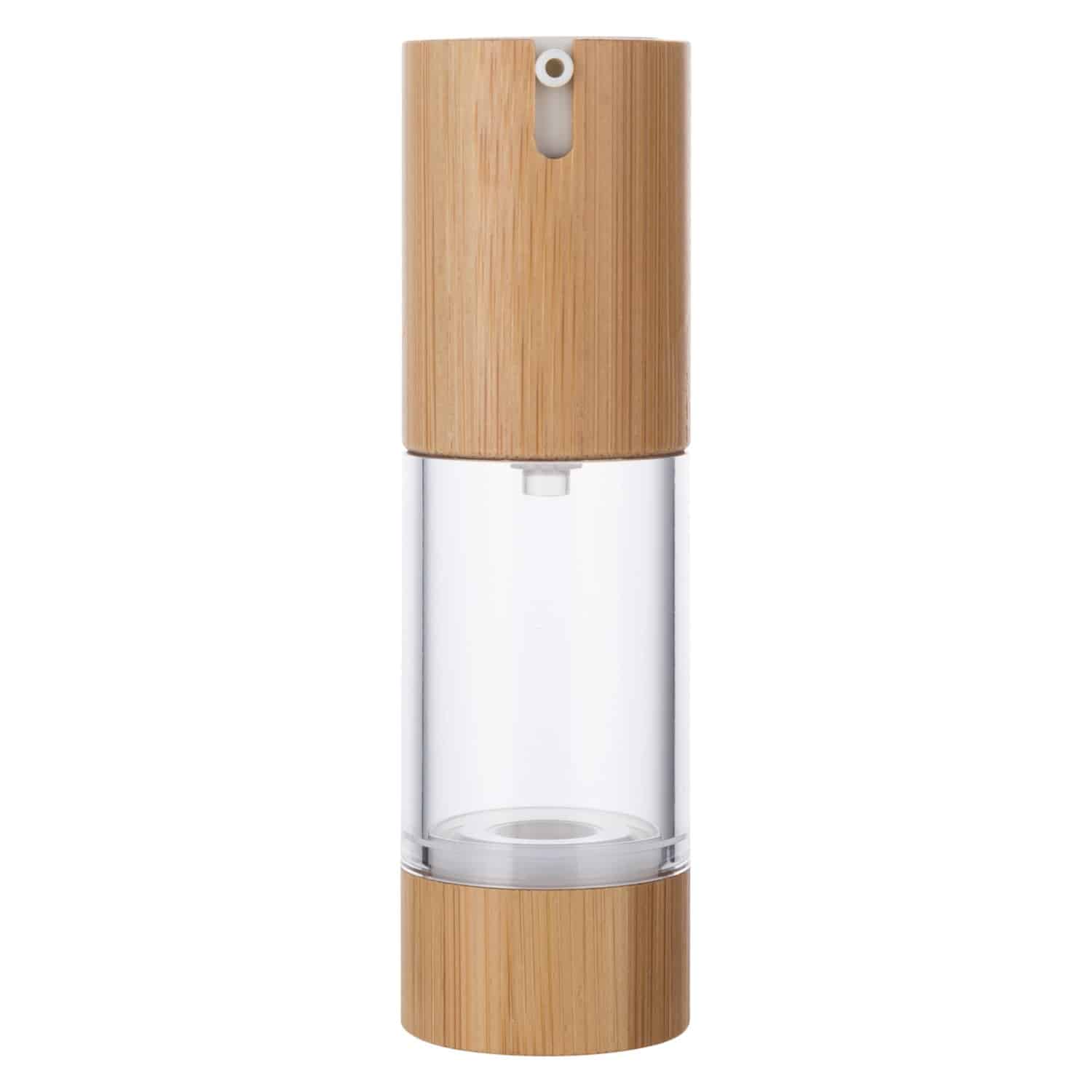
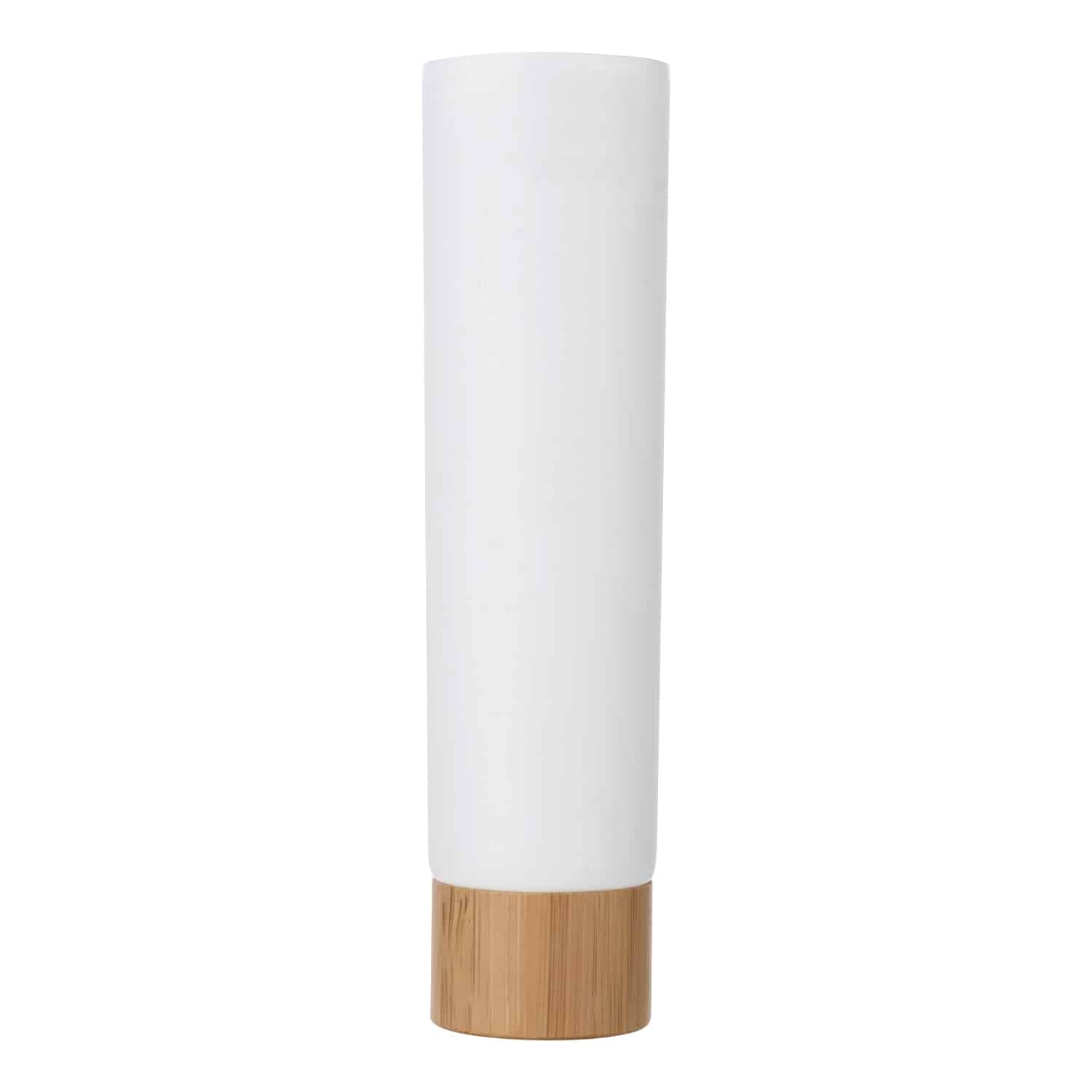
Beauty brands change their items. They choose green packaging. Firms use recycled plastic resins. They make clean lotion bottles. They craft neat cream jars. They form smooth stick tubes. GIDEA leads eco-friendly beauty packaging. Their teams make special jars. They use pure post-consumer recycled resin. They use clean rPET materials. They process ocean plastic waste. They carve sustainable bamboo pieces.
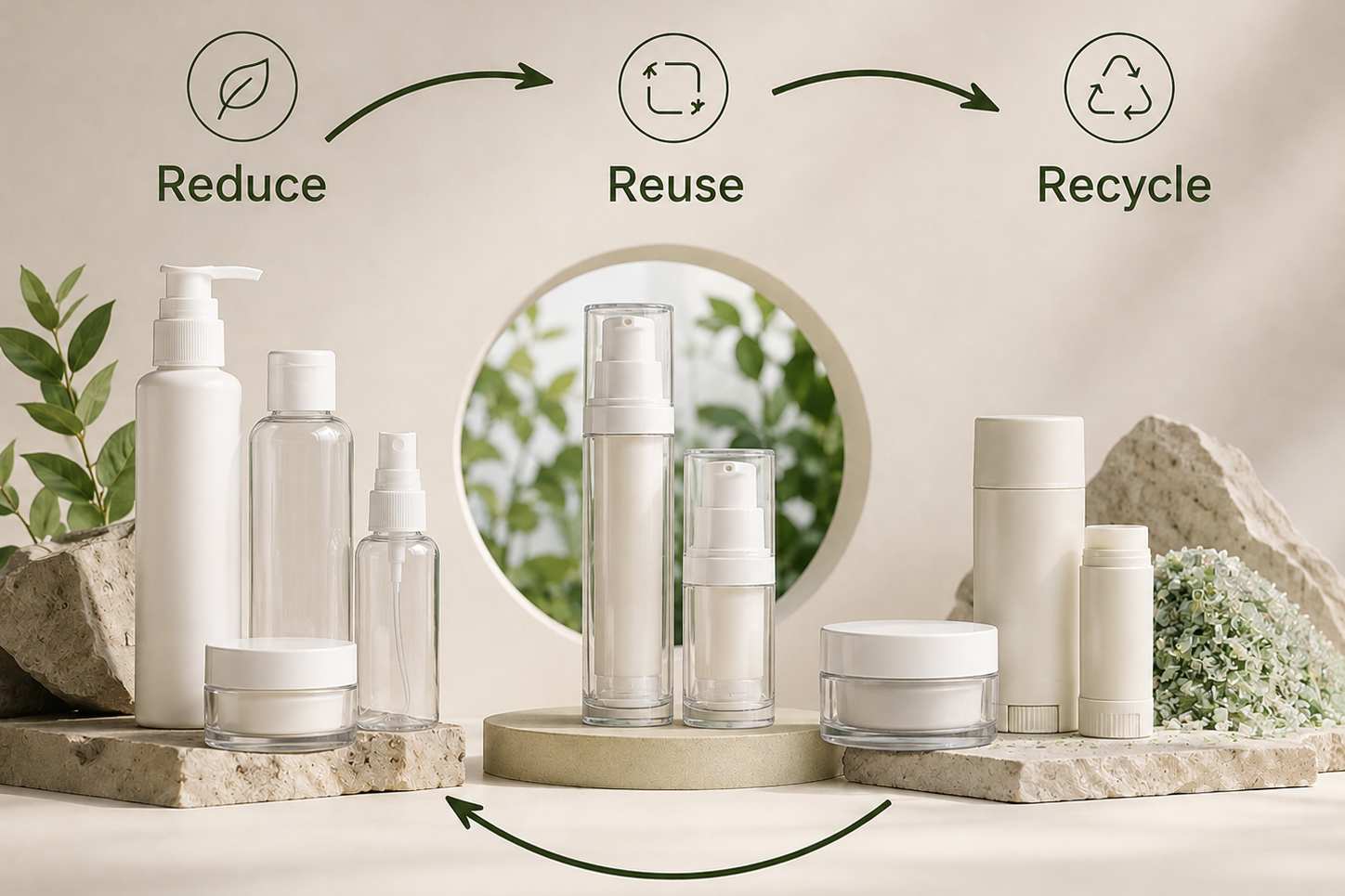
Factories follow 3R and 1B rules. They reduce and reuse materials. They recycle and decompose waste. Facilities follow FDA safety rules. They obey ISO quality codes. Skincare items stay very safe. Teams offer fast design help. They create prototypes within 7 days. They build custom molds fast. Workers test jars for leaks. This keeps liquid formulas safe.
PCR Personal Care and Household Product Packaging
Soaps need strong packaging. Cleaning chemicals require durable jars. These steps protect liquids. Daily soaps use tough caps. Shampoos need strong pump lids. Cleansers use durable plastic tops. Makers craft items from recycled resins. This cuts raw oil reliance. Single-plastic designs help sorting plants. Machines split them very quickly.
Refillable bottles save raw inputs. Light packages cut factory waste. Engineers keep bottle walls tough. They drop total container weight. Factory tests check product strength. Bottles pass hard drop checks. Jars resist high pressure tests. Brands hit green corporate targets. Packages work well every day.
Quality and Safety Considerations for PCR Packaging
Food Contact and Cosmetic Packaging Safety Standards
Government officers check old plastics. This keeps shoppers safe. Strict rules guide food packaging. Beauty buyers use food safety codes. They want pure products. Soft controls stop harmful chemical mixing.
American rules differ from European laws. Each region uses unique safety rules. The table below lists these rules:
| Regulatory Agency | Governed Product Scope | Applicable Guidelines & Standards | Key Safety Requisites |
|---|---|---|---|
| FDA (United States) | Food Contact Packaging | Guidance on Chemistry Considerations; Informal advice & No Objection Letters (NOLs) | Case-by-case process evaluation; safety focuses on specific substances and potential contaminants |
| EFSA / EU Commission | Food Contact Packaging | Regulation (EC) 282/2008, Regulation (EU) 10/2011, and EFSA Administrative Guidance | Mandatory evaluation of the entire recycling process; strict adherence to overall and specific migration limits |
Europe checks the whole recycling line. US officials test bad chemicals individually. Both legal systems stop bad chemicals.
Material Certification and Supplier Requirements
Factories must prove plastic origins. Papers track PCR amounts. Outer groups check factory waste sources.
Certificates help leaders check raw goods. Buyers check files before purchasing resin. Good sellers track every batch history. These tests stop fake eco claims.
Testing PCR Packaging Performance and Durability
Techs test plastic before making products. Lab gear squeezes packaging top walls. Drop tests show container strength. Testing drops weak jars quickly.
Teams check caps under shifting air. Workers run leak checks on pumps. These steps keep air from formulas.
Future Trends of Post-Consumer Recycled Content
Increasing Demand for Sustainable Packaging Materials
Global packaging markets show a strong shift. They move toward reusable, circular materials. Big consumer brands upgrade product lines. They use recycled resins now. Corporate promises require more recycled waste. Companies put it in standard containers. This change helps firms hit targets. It builds strong brand loyalty too.
New government laws speed up demand. Rules push makers of consumer goods. They must replace old oil plastics. They need certified recycled options instead. Buying teams seek stable supply contracts. They want clean post-consumer resin. This constant demand drives major investments. It improves the whole recycling system.
Innovations in PCR Recycling Technology Development
Old sorting methods face clear limits. They struggle during continuous daily operation. Repeated heat melts ruin polymer chains. They create visual defects in containers. Advanced chemical recycling offers great solutions. It turns complex waste into blocks. These smart processes fix tough waste. They create high-grade plastic resins easily.
Chemical methods offer huge improvements. They beat old mechanical systems easily:
| Metric | Mechanical Recycling | Chemical Recycling (Advanced) |
|---|---|---|
| Feedstock Flexibility | Restricted; unsuitable for contaminated or mixed polymers. | Can process complex, mixed, or contaminated plastic streams, boosting availability. |
| Material Purity | Degrades over time; retains impurities and loses quality. | Breaks down feedstocks to yield virgin-quality resin free from physical degradation. |
| Recyclability Lifecycle | Limited repeat cycles due to structural weakening. | Infinite or highly repeatable recycling cycles without quality loss. |
Chemical processes remove bad additives completely. They strip old contaminants from waste. This deep cleaning makes resin safe. It works for sensitive food packaging. Turning old trash into pure resin helps. It greatly grows total market supply. This meets modern green demands well.
Frequently Asked Questions About PCR Content
What Percentage of Packaging Can Use PCR Content?
Makers craft green boxes using mixed resins. Normal jars use 30% recycled inputs. Other plants combine 50% old resin instead. Modern equipment makes pure recycled bottles today. Facilities mold 100% PCR jars quickly.
Designers pick ratios using strict strength needs. High-PCR items work well for lotions. Soaps use these strong jars too. Companies raise PCR levels to follow rules.
Is PCR Plastic Safe for Cosmetic Packaging Applications?
Certified PCR plastic stays safe for cosmetics. Good sellers clean gathered trash carefully. Multi-stage washers strip dirty spots away. Deep heat gear purifies old resin fully. The FDA checks these steps for safety.
Plants use hard controls for beauty items. Facilities obey strict ISO safety standards. Workers run leak tests on every bottle. These checks stop bad leaks completely.
Can PCR Materials Be Recycled Multiple Times?
Old recycling weakens tiny plastic chains. Heating plastic repeatedly lowers total strength. Makers add new plastic to old pellets. This keeps container walls strong and durable.
New chemical systems fix weak plastic chains. Chemical steps break waste into small pieces. Plants build pure resins from old blocks. Plastics undergo repeated cycles without quality loss.
Our PCR Packaging Solutions for Sustainable Brands
Custom PCR Packaging Manufacturing Services
GIDEA makes green packaging for global brands. Our team designs custom molds for packaging. Specialists use cool 3D concepts for fast work. We make quick physical samples in seven days. Buyers test these real samples very fast. Mass production starts soon after this step.
Our factory checks product quality at every step. Workers test every container for bad leaks. Liquid makeup stays very safe inside jars. Large warehouses help us make many jars. Small companies can buy low amounts easily. Global brands launch new packages with low risk.
Sustainable Packaging Solutions for Beauty Brands
Modern beauty brands need safe packaging today. Our designs focus on the 3R and 1B rules. We reduce waste and reuse parts often. Factories recycle old plastics and break down trash. We sell lotion bottles, skincare jars, and caps. Products use 100% recycled plastic and bamboo.
Packaging sellers must protect sensitive makeup formulas. Our facilities follow strict FDA and ISO codes. We design single-plastic jars for easy home recycling. Brands sell refillable bottles to cut waste. Light containers lower carbon footprints for all brands.
Adding PCR content brings a huge strategic edge. Shoppers now want sustainable packaging choices quickly. Strict laws push brands to circular packaging fast. Clean suppliers fix color shifts and weak strength. Teaming up with expert partners guards market power.
Buyers must act now to get clean resins. Join certified makers like GIDEA today. Switching old jars to PCR content cuts harm. Contact packaging experts today to start your shift.