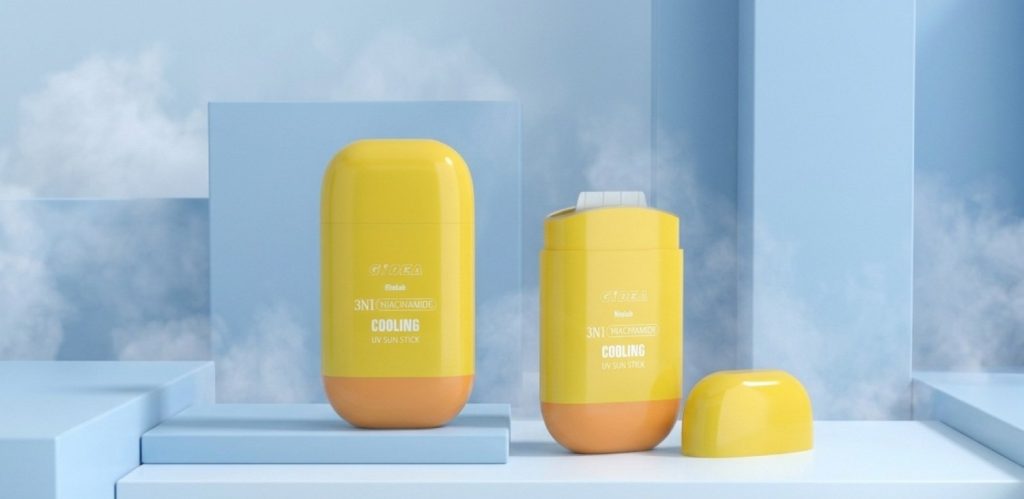
When comparing PCR vs Virgin Plastic for deodorant stick containers, neither option is best for every product line. Deodorant stick packaging needs exact shaping to work well during daily use. The inner twist-up parts, caps, and threaded screws must keep their precise shape to move smoothly without getting stuck. Because of this, packaging designers must balance eco-friendly goals with exact mechanical needs. Post-consumer recycled plastic is great for cutting carbon emissions and keeping trash out of landfills. On the other hand, standard virgin plastic offers clear visuals, low material costs, and very reliable factory output. Choosing the right plastic requires a smart review of brand eco-goals, design limits, and costs.
Key Takeaways
- Deodorant stick containers require precise plastic shapes to twist easily without breaking during everyday use.
- PCR plastic reduces carbon pollution and prevents plastic trash from ending up in local dumps.
- New plastic is cheaper to make, provides bright colors, and allows for clear outer caps.
- Hybrid plastic mixes join recycled material with tough new plastic to ensure dependable results.
Understanding Deodorant Stick Container Packaging Materials
Deodorant stick containers rely on specific raw materials to protect formulas and deliver reliable daily function. Packaging designers evaluate materials based on physical durability, raw material cost, and overall container weight. Plastic remains the dominant choice across the global personal care market due to its durability and lightweight nature.
| Packaging Material | Market Share (Global, 2026) | Key Supporting Notes |
|---|---|---|
| Plastic | 43.18% | Expected to hold the biggest share because it costs less, lasts long, and weighs very little. Big companies use it for sticks. |
| Metal | Significant share (projected) | Valued for durability and easier recycling process compared to plastic. |
| Others (e.g., Glass) | N/A | Mentioned as part of the market segmentation but no specific share provided for stick containers. |
Plastic containers withstand accidental drops and shocks far better than paper or glass packaging. Because of these functional benefits and lower production expenses, major market leaders like Unilever PLC and The Procter & Gamble Company utilize high volumes of plastic to manufacture deodorant stick containers.
Why Material Selection Matters for Deodorant Packaging
Choosing the right material directly changes how the parts work and how they handle chemicals. Broken inner parts cause about 30% of all customer complaints for deodorant packaging. Some scented oils slowly break down weak plastics over time. Also, antiperspirant aluminum salts react with plain metal, so manufacturers must add protective coatings. Solid stick holders, usually made from polypropylene (PP), must endure moisture and heat changes to stay strong.
Inner twist-up parts need exact material combinations so the parts do not break during daily use. The spiral threads often strip when the PP screw rod and PP platform have the same toughness. Designers prevent this damage by picking parts with a 15-20% hardness difference, like matching high-density polyethylene (HDPE) parts with polypropylene (PP).
The internal mechanism must deliver smooth vertical travel of 45-60 mm across 250-400 rotations over the product lifetime while resisting back-pressure and platform retracting under load.
What Is Virgin Plastic for Deodorant Stick Containers?
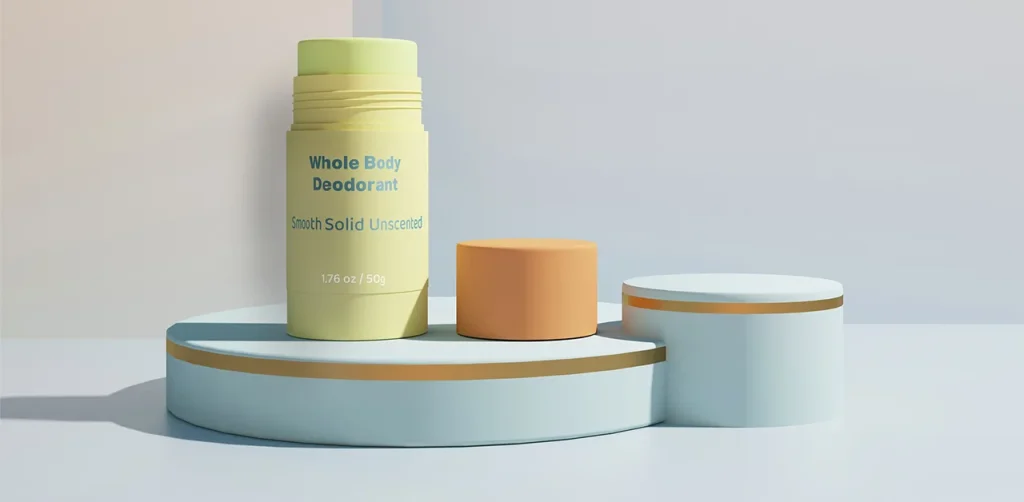
Virgin plastic comes straight from processing crude oil or natural gas. Chemical plants turn these fresh raw materials into brand-new plastic resins. Common choices include polypropylene (PP) and high-density polyethylene (HDPE). These fresh materials contain no recycled waste from older products.
Factory machines process this newly made resin with total ease. The steady material allows stable melting heat and even pressure during molding. Made packaging parts come out of molds with smooth surfaces and exact sizes.
Advantages of Virgin Plastic Deodorant Packaging
Virgin plastic offers amazing structural strength and super accurate sizes. Inside working parts depend on exact fits to work right. Moving bottom plates, center turn screws, and outer caps need precise wall thickness. Parts made from brand-new resin fit together with complete accuracy. The lower wheel turns smoothly without getting jammed at all.
Fresh plastic gives great chemical protection and full visual choices. Active salts and scent oils will not destroy strong resin chains. Plus, new resin lets workers control colors with total ease. Companies make clear caps, shiny covers, and bright custom shades effortlessly.
Limitations of Virgin Plastic Packaging Materials
Damage to nature is the biggest downside of using old-style plastic. Gathering raw oil uses up limited earth resources and creates heavy pollution. Looking at PCR vs Virgin Plastic shows this big environmental impact.
Producing one ton of PP plastic emits approximately 1.57 tons of CO2. This equates to 1.57 kg of CO2 emissions per kilogram of virgin polypropylene produced.
Handling plastic trash creates even more serious trouble for our planet. Standard stick cases usually end up dumped inside local garbage landfills. These thick plastics last in nature for hundreds of years without breaking down. Companies using only pure plastic face rising legal rules and public pushback.
What Is PCR Plastic for Deodorant Stick Containers?
Post-consumer recycled (PCR) plastic comes from recycled consumer items like water bottles, milk jugs, and commercial containers. Waste management facilities collect, sort, clean, and reprocess these discarded materials into functional plastic resin pellets. Packaging manufacturers then process these recycled pellets into brand-new PCR packaging for deodorant sticks.
Modern engineered post-consumer polypropylene (PP) provides high structural durability for personal care packaging. When sourced from qualified eco-packaging suppliers, high-grade PCR matches virgin plastic in heat, moisture, and wear resistance. This sustainable material diverts plastic waste away from municipal landfills and marine ecosystems.
Benefits of PCR Deodorant Stick Container Packaging
Using recycled resin lowers dependence on fossil fuel extraction and decreases carbon emissions during primary factory manufacturing. Cosmetics companies can implement high percentage blends of recycled content to meet aggressive sustainability targets. When reviewing PCR vs Virgin Plastic, recycled materials significantly cut environmental footprints while protecting the formula inside.
Advanced recycling methods allow engineered resins to endure chemical exposure from essential oils and active ingredients. Specialized sorting systems remove unwanted contaminants to stabilize plastic strength. Internal elevator platforms and outer protective walls remain sturdy throughout daily consumer usage.
Limitations of PCR Plastic Packaging Solutions
Cost remains a key consideration for product development teams. PCR resin typically carries a 10% to 40% price premium over virgin resin depending on market conditions and material purity grades. Sourcing clean recycled streams requires complex collection, washing, and sorting processes that increase overall material costs.
Visual tint variations can also appear across different recycled production runs due to mixed source plastics. Because material density varies slightly in recycled resins, factories conduct rigorous quality control measures. Comprehensive functional testing, including 100% leak testing and torque resistance evaluations, ensures smooth twist-up action regardless of material choice.
PCR vs Virgin Plastic: Deodorant Packaging Comparison
Environmental Impact: Waste Reduction vs Raw Materials
Comparing PCR and Virgin Plastic shows big differences in planet health. Fresh plastic needs oil drilling and pumps out more greenhouse gas. Making one kilogram of fresh polypropylene releases 1.57 kilograms of carbon pollution into our air.
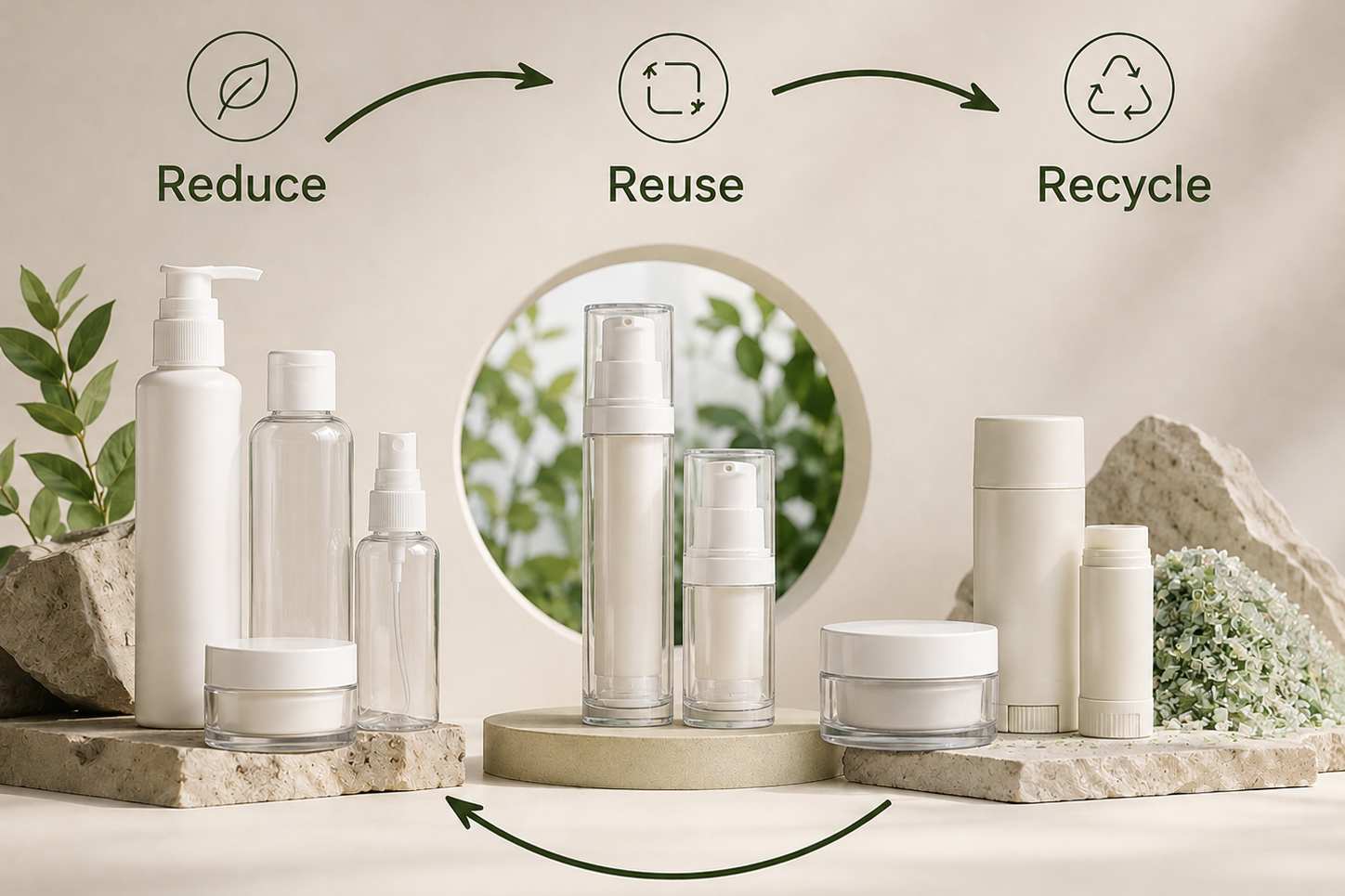
GIDEA leads green makeup packaging by following three key rules. They focus on using less, reusing parts, and recycling items. Picking recycled plastic keeps trash out of dumps and cleans up our air.
Performance & Durability: Strength and Protection
A container’s toughness determines if it can shield the product inside. Brand-new plastic has even thickness and reliable strength everywhere. Today’s high-tech PCR plastic matches fresh plastic in fighting off heat, water, and damage.
Companies mix different plastics to make super tough stick holders. Designers use all-recycled plastic or blend old and new resins together cleanly. Smart testing makes sure the bottom wheel twists smoothly every time without snapping.
Appearance & Design: Color and Decoration Options
A product’s looks help shoppers decide what to buy in store aisles. Brand-new plastic gives clear views and super smooth outer shells. Factory machines easily make see-through lids or bright light colors using new materials.
Recycled plastic might show tiny dark spots or slight shade changes between batches. Smart brand teams use these earthy looks to show off green choices. GIDEA makes custom molds to keep dimensions exact and decorations pretty for any plastic blend.
Cost Comparison: Production Cost and Long-Term Value
Basic fresh plastic costs less money when making thousands of containers at once. Recycled plastic costs 10% to 40% more because cleaning old trash takes extra work. But eco-friendly plastic grows more valuable as green laws pass and buyers demand better choices.
Teaming up with expert factory crews helps lower these higher starting costs. GIDEA speeds up work by making sample models in just seven days with low order minimums. Following strict international safety rules keeps containers clean, legal, and built right for everyday use.
Green Advantages of Recycled Deodorant Holders
Helping the Reuse Cycle with Old Plastic
Recycled plastic keeps helpful stuff right inside our factory production systems. Gathering and fixing up used garbage keeps trash far away from city dumps. This smart loop cuts down on digging up fresh oil from the ground. Deodorant stick makers can easily close this loop by swapping new plastic with strong recycled plastic.
Big personal care brands work hard to reach these green goals. Unilever promised to cut down their new plastic use by a quarter by 2025. Businesses also match hard recycled boxes with squishy refill pouches that use way less plastic. These mixed container plans save lots of stuff while still keeping solid deodorants super safe inside.
Giving Buyers the Earth-Friendly Packaging They Want
Everyday buyers closely check how green their personal care items really are. Studies tell us that 61% of shoppers care about the planet when picking items. On top of that, 82% of shoppers say they would spend extra money for green packaging styles. Choosing eco-friendly stuff turns green buyer interest straight into store sales.
Global shopping habits show people expect more planet-friendly container materials. Over in the UK, shoppers think recyclable containers are just a normal starting requirement. German buyer studies show 77% of shoppers know how to recycle beauty items, but only 40% have bought a refillable bottle. Selling smooth recycled stick packaging bridges this gap between what buyers want and what they buy.
Boosting Brand Reputation Using Planet-Friendly Ideas
Using green packaging helps beauty brands shine bright on crowded store shelves. Store data shows a 79% jump in buyer interest for items with clear refill tags. Simple eco-friendly looks make people feel the item works better, which builds real buyer trust.
Green container plans fit right in with fast business growth around the globe. The clean beauty market grows by about 11.5% every single year, shooting up by $7.65 billion by 2029. Using top-notch recycled deodorant cases lets beauty companies grab this growing market while keeping loyal shoppers forever.
When Should Brands Choose PCR Deodorant Containers?
Beauty companies ought to pick reused plastic when launching eco-friendly body care items. Using recycled resins helps businesses reach tough carbon reduction goals easily. Brands wanting to cut fossil fuel use gain huge benefits from choosing recycled polypropylene. This smart switch drops greenhouse gas pollution much more than using brand-new plastic. Moving to recycled materials also fits new products right into strict global environmental laws. This change helps companies keep their promises about protecting our earth.
Companies trying to balance green goals with good product quality often pick top-grade recycled plastic for everyday personal items.
Product creation teams need to weigh material prices against long-term green goals. Recycled plastic resins usually cost 10% to 40% more than standard fresh plastic. Still, eco-friendly buyers happily support green packaging when shopping in store aisles. Studies reveal that 61% of shoppers think about the planet before buying personal care items. On top of that, 82% of buyers say they would pay extra for planet-friendly container styles.
Best Applications for Sustainable Beauty Packaging Brands
All-natural deodorant sticks are the absolute best choice for recycled plastic packaging. Plant-based products fit together wonderfully with sustainable container materials. Solid, dark stick cases easily hide small color changes seen in recycled plastic batches. Solid deodorant bars do not need see-through outer covers or clear top lids. Because of this, solid white or bright colored cases work amazingly well using recycled polypropylene.
Custom container projects gain big advantages from using flexible plastic mixes. Beauty makers can use fully recycled plastic or blend old and new resins together. Good factories test every piece for leaks to ensure internal parts move smoothly every time. Brands selling in clean beauty stores gain a huge sales boost by using certified eco-friendly cases. Swapping to recycled stick holders changes green buyer interest into long-term customer loyalty while keeping garbage out of local landfills.
Hybrid Packaging Strategies Using PCR and Virgin Plastic
Combining post-consumer recycled resin with fresh raw material offers a practical solution for personal care brands. Hybrid packaging strategies allow manufacturers to optimize ecological goals without sacrificing container durability. Engineers can create custom resin recipes tailored specifically for complex deodorant stick components.
Balancing Performance With Environmental Responsibility
Deodorant containers need stiff outer walls and smooth inner parts to work well over time. Pure recycled resins sometimes face small processing issues during high-speed factory molding. Mixing recycled plastic with fresh polypropylene helps companies easily avoid these production bumps. This smart mix cuts down fresh plastic use while keeping all essential parts working right.
Evaluating PCR vs Virgin Plastic choices leads many product teams straight toward custom hybrid blends. Mixing these two materials helps keep the whole container strong for its entire life. Brand owners can protect delicate formulas inside and keep precise fits on internal twist screws.
| Blending Ratio | Performance & Aesthetic Claims |
|---|---|
| 30% PCR / 70% Virgin PP | Structural integrity: Keeps strong walls, stiffness, drop safety, and easy factory molding without losing performance. |
| Aesthetic quality: Makes bright colors and clear plastic shells that are hard to get with higher PCR levels. | |
| Consistency: Uses clean PCR mixed carefully with virgin PP to keep every single factory lot looking identical. |
The 30% PCR and 70% Virgin PP ratio offers a great middle ground for big factory orders. This exact mix keeps drop strength high so containers do not crack on hard floors. The smooth blend also flows easily into molds, preventing ugly sink marks or weak spots in thin walls.
Packaging designers also get much cleaner visual results by using this smart hybrid mix. High PCR levels often cause dark streaks or cloudy spots on finished plastic shells. The 70% virgin polypropylene portion hides minor color spots found in recycled plastic supplies. Factories can easily add bright color dyes or create light see-through styles. Product makers get identical container batches during every single factory run.
Frequently Asked Questions About PCR Deodorant Packaging
Is PCR Plastic Better Than Virgin Plastic Packaging?
No single option works perfectly across all product lines. Reused post-consumer plastic cuts greenhouse gas production during primary factory runs. Standard new polypropylene releases about 1.57 kg of CO2 for each kilogram made. Recycled material keeps thrown-away plastic waste out of city landfills and ocean waters.
Comparing PCR to fresh plastic means weighing planet health against business funds. New plastic material brings clear surface views and lower raw costs. Meanwhile, reused plastic costs 10% to 40% more based on cleanliness levels. Beauty lines choose materials using exact green goals and packaging shape needs.
Are PCR Deodorant Containers Durable Enough?
Specially made recycled polypropylene gives strong physical protection for daily personal items. Reliable eco-suppliers make high-grade recycled resins with stable internal bonds. These updated materials equal fresh plastic in fighting heat, blocking water, and resisting wear. External shell walls remain strong against sudden drops and hard hits.
Packaging creators run strict quality checks to double-check overall box toughness. Everyday testing routines include complete leak checks and turning force evaluations. Inside platform parts travel cleanly along middle screw lines through daily use. Getting materials from good suppliers guarantees easy twisting without breaking or snapping.
Can PCR Plastic Be Used for Cosmetic Products?
Top-quality recycled plastic safely holds many current beauty and body formulas. Careful sorting processes clean away bad chemical leftovers from collected plastic flows. Cleaned post-consumer resins match strict global safety rules from official health agencies. Solid stick items stay safe inside engineered recycled polypropylene cases.
Product safety tests protect formula quality through its whole store shelf life. Active sweating salts and strong scent oils can damage raw plastic materials. Modern recycled resins stop chemical damage caused by sensitive active ingredients. Beauty brands safely wrap solid deodorants, lip balms, and foundation sticks in high-purity recycled plastics.
Our Deodorant Stick Container Packaging Solutions
Custom PCR Deodorant Container Manufacturing Services
GIDEA has operated as a trusted sustainable cosmetic packaging manufacturer since 2003. We supply global beauty and personal care brands with high-performance deodorant stick container options built from advanced eco-friendly resins. Brand owners can choose custom post-consumer recycled plastic formulations reaching up to 100% PCR content, as well as Ocean-Bound Plastic and bio-based materials. We also provide customized color matching and surface decoration to meet distinct aesthetic goals. These high-purity material choices allow cosmetic lines to replace standard oil-based resins while preserving full package strength.
Custom mold development provides total control over the dimensions of every mechanical container component. Our technical team crafts precise propel-repel mechanisms, central screw rods, elevator platform bases, and outer protective caps. Proper material selection prevents the internal spindle threads from stripping during daily vertical travel. Every custom PCR container undergoes rigorous quality control checks at our facilities, including 100% leak testing. This strict manufacturing oversight ensures quiet, smooth twisting movement and long-term formula protection for everyday consumers.
Complete Packaging Solutions for Beauty Brands
Personal care companies need flexible supply services to launch eco-friendly stick products into global retail markets quickly. GIDEA offers complete end-to-end packaging manufacturing, featuring rapid 7-day prototyping and flexible minimum order quantities. Formulators and product developers can test physical prototype containers rapidly before placing full-scale wholesale orders. Fast turnaround times help companies reduce time-to-market and meet consumer demand. In addition, our free design support helps brand managers build lightweight structural walls that minimize overall plastic usage.
Every container system complies strictly with global safety standards, including FDA regulations and ISO quality certifications. We integrate fundamental circular economy principles—Reduce, Reuse, and Recycle—into every stick holder design, including refillable cases and recyclable mono-material structures. Our comprehensive factory services enable beauty brands to introduce durable, planet-friendly packaging directly to store shelves with absolute confidence.
Deciding between PCR and Virgin Plastic comes down to your brand targets and packaging needs. Fresh plastic gives clear visual shells and cheaper starting material prices. On the other hand, reused plastic lets body care lines lower carbon pollution and promote a circular recycling loop.
Companies building eco-friendly beauty items ought to pick fully recycled resin or high-blend options. Basic beauty collections and cases needing see-through outer caps work much better using fresh polypropylene or light recycled mixes.
Item creators can team up with skilled container specialists like GIDEA to make durable stick cases. Reach out to our crew to get complimentary design assistance, fast 7-day sample models, and tailored deodorant holders.