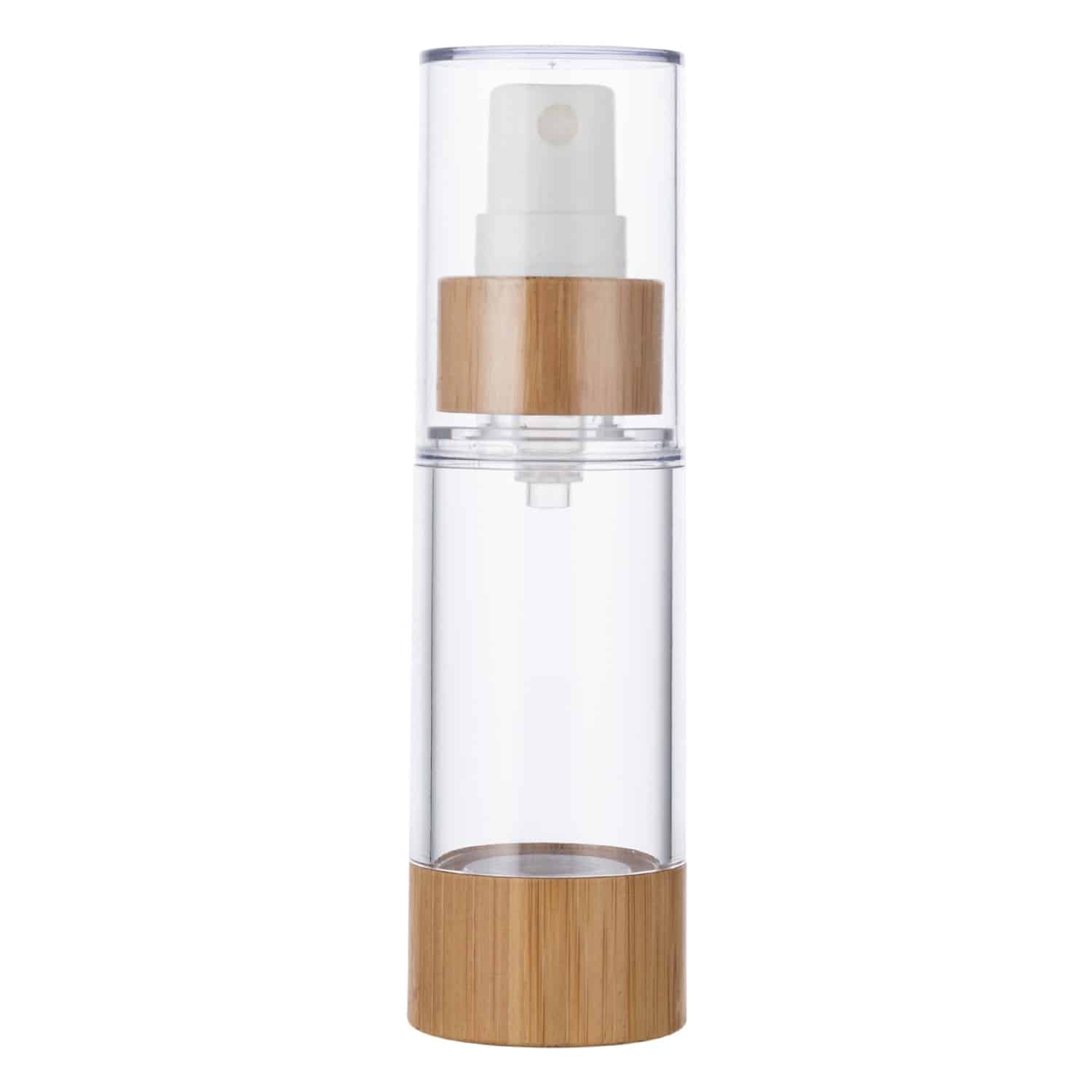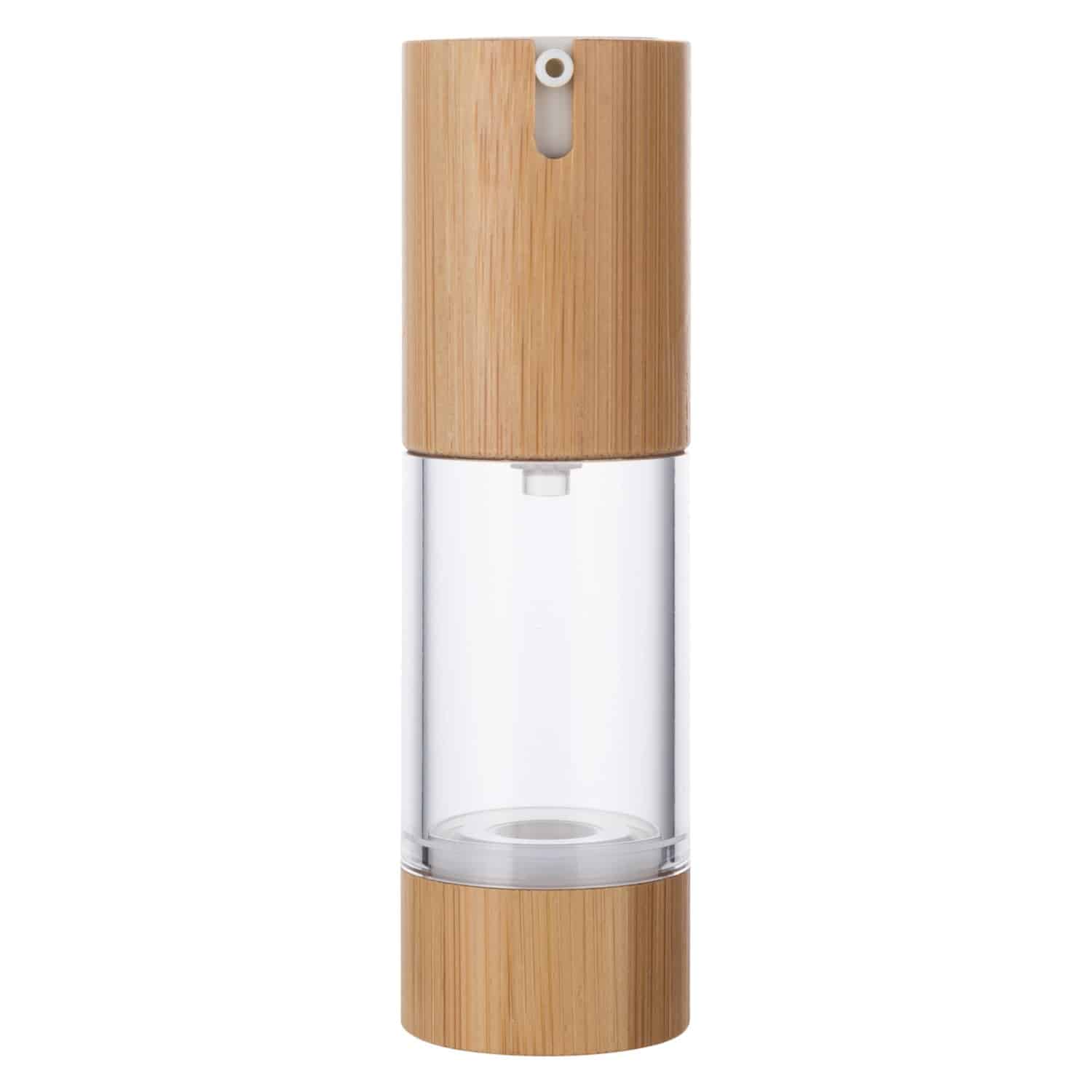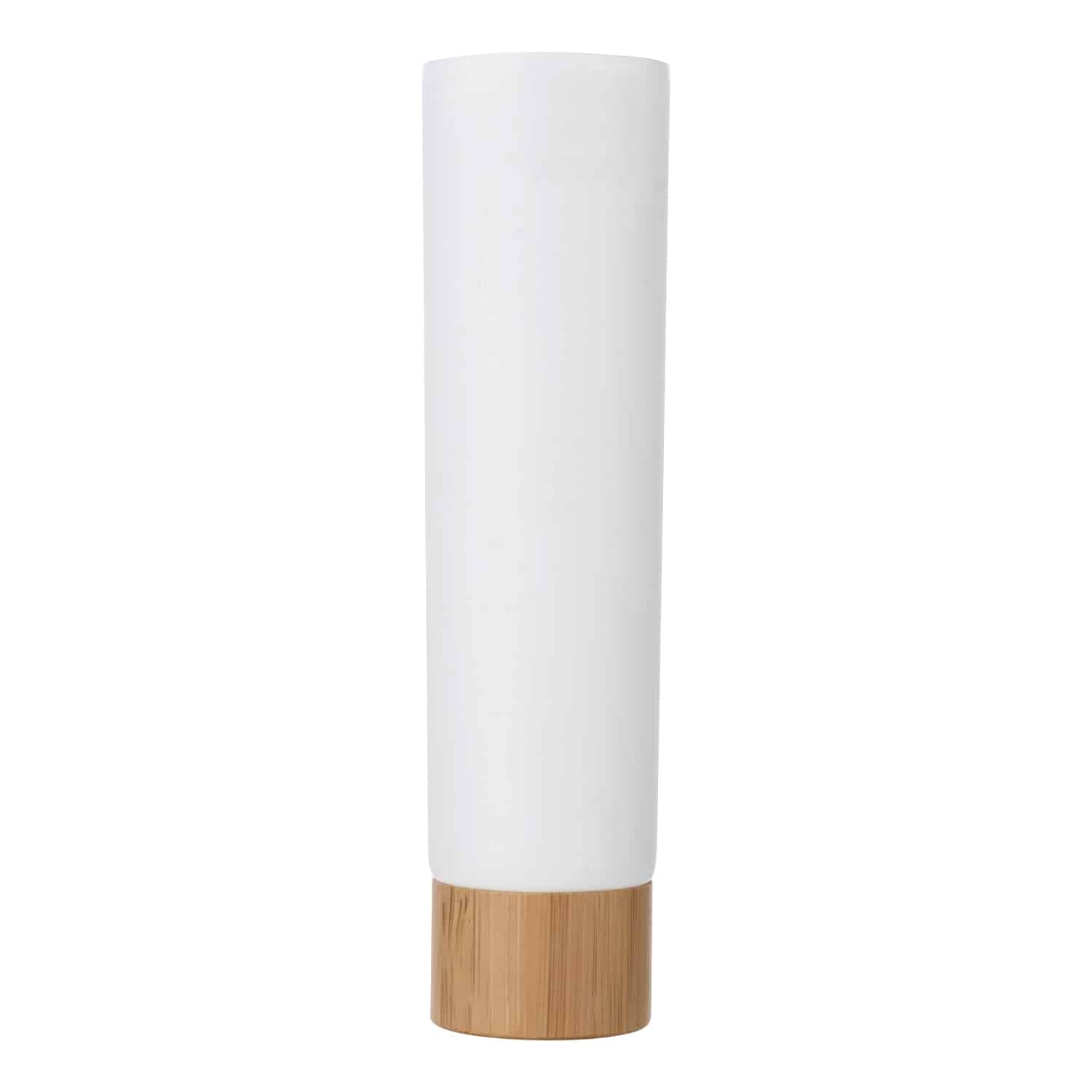
Imagine picking up a moisturizer labeled “100% PCR.” What does that mean for the product, your brand, and the planet? PCR, or Post-Consumer Recycled material, is made from recovered consumer waste such as used plastic bottles and processed into new packaging. By replacing virgin plastic with recycled material, PCR cosmetic packaging can help reduce reliance on new plastic resources.
As sustainability becomes a stronger consideration in beauty purchasing decisions, more brands are exploring PCR for bottles, jars, tubes, and other packaging formats. The key challenge is finding the right balance between sustainability, packaging performance, cost, and visual appeal.
This guide explains how PCR cosmetic packaging works, where it can be used, and what brands should consider before making the switch, with practical insights from sustainable packaging manufacturers such as GIDEA.
Key Takeaways
- PCR packaging uses recycled plastic from consumer waste to reduce the need for new plastic.
- Many shoppers want eco-friendly packaging and are willing to spend extra for it.
- New EU rules will require plastic packaging to have at least 35% recycled material by 2030.
- Companies can use 30% to 70% PCR to balance helping the environment with performance and cost.
- Pick a supplier that allows small orders and checks quality well, so your PCR packaging stays dependable.
Why PCR Cosmetic Packaging Is the New Industry Standard?
The beauty industry faces a waste crisis. The packaging sector produces 120 billion tons of waste annually, with 95% simply wasted. This staggering number pushes brands toward circular economy models. PCR cosmetic packaging closes the loop by giving discarded plastic a second life. Instead of extracting new resources, manufacturers reprocess existing materials. This approach reduces landfill waste and lowers carbon footprints.
Consumer demand drives this shift. Studies show 80% of consumers want refillable packaging options. Reusable systems can cut waste by up to 86%. Additionally, 82% of consumers will pay a premium for sustainable packaging. Another 71% will pay more for sustainably packaged products. These numbers tell a clear story: shoppers vote with their wallets.
Regulatory pressure accelerates adoption. The EU Packaging and Packaging Waste Regulation (PPWR) sets strict targets for cosmetic brands. Key requirements include:
- Recycled content mandate: By 2030, most plastic packaging must contain at least 35% post-consumer recycled content. By 2040, this target rises significantly.
- Empty space restriction: Grouped or e-commerce packaging cannot exceed a 50% empty-space ratio. This rule bans oversized boxes used purely for a premium feel.
- Technical documentation: Every packaging unit requires an EU Declaration of Conformity covering identification, manufacturer details, and test standards.
- Labelling harmonisation: The European Commission will adopt uniform symbols, replacing national labels like France’s Triman.
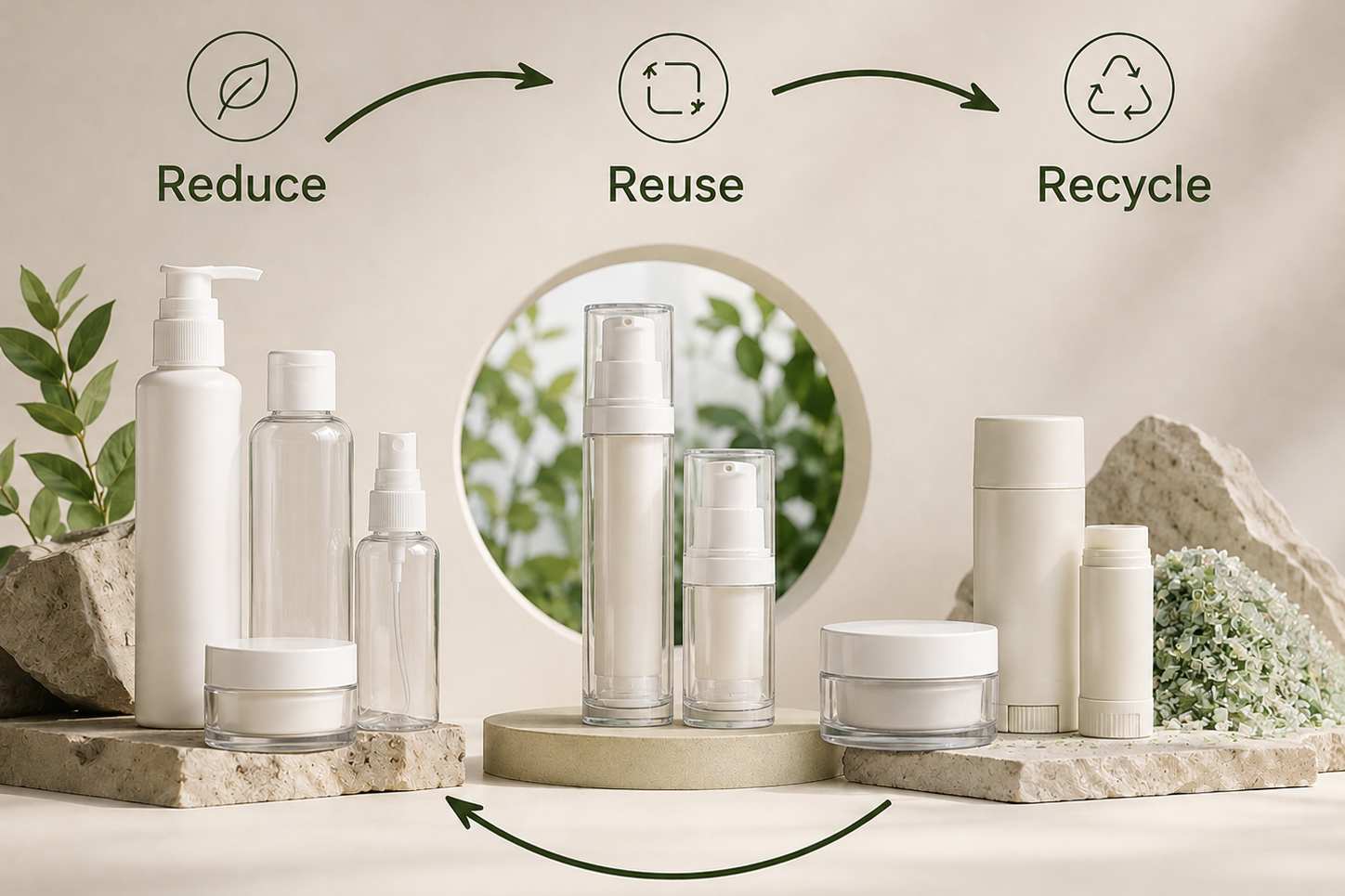
The circular economy framework guides these changes. The table below shows how each principle applies to cosmetic packaging:
| Principle | Application in Cosmetic Packaging | Supporting Data |
|---|---|---|
| Reduce | Minimal packaging designs | 95% of packaging waste is simply wasted |
| Reuse | Refillable packaging and refill stations | 80% of consumers interested; cuts waste up to 86% |
| Recycle | PCR plastic and renewable materials | 100% PCR reduces virgin material needs |
| Upcycling | Food waste into cosmetic ingredients | One brand transforms 2 tons annually |
| Closed-Loop | Reusing materials within production cycles | Patented pre-degradation creates near-plastic-free materials |
| Consumer Participation | Take-back initiatives and refill habits | 82% willing to pay premium for sustainable packaging |
PPWR also targets specific cosmetic products. Article 25 bans single-use packaging in the accommodation sector. Article 24 sets maximum empty-space ratios. Article 12 requires physical labels showing material composition. These rules make PCR cosmetic packaging not just an option, but a compliance necessity.
Brands that adopt PCR early gain a competitive edge. They meet regulations before deadlines. They build trust with eco-conscious consumers. They future-proof their supply chains. The question is no longer whether to switch. The question is how quickly your brand can adapt.
8 PCR Cosmetic Packaging Examples in 2026
PCR plastic is now used across a wider range of cosmetic packaging, from primary containers to refill systems. While PCR can have differences in color and processing compared with virgin resin, improved material technology and manufacturing controls make it suitable for many beauty applications.
PCR Skincare Bottles for Sustainable Beauty
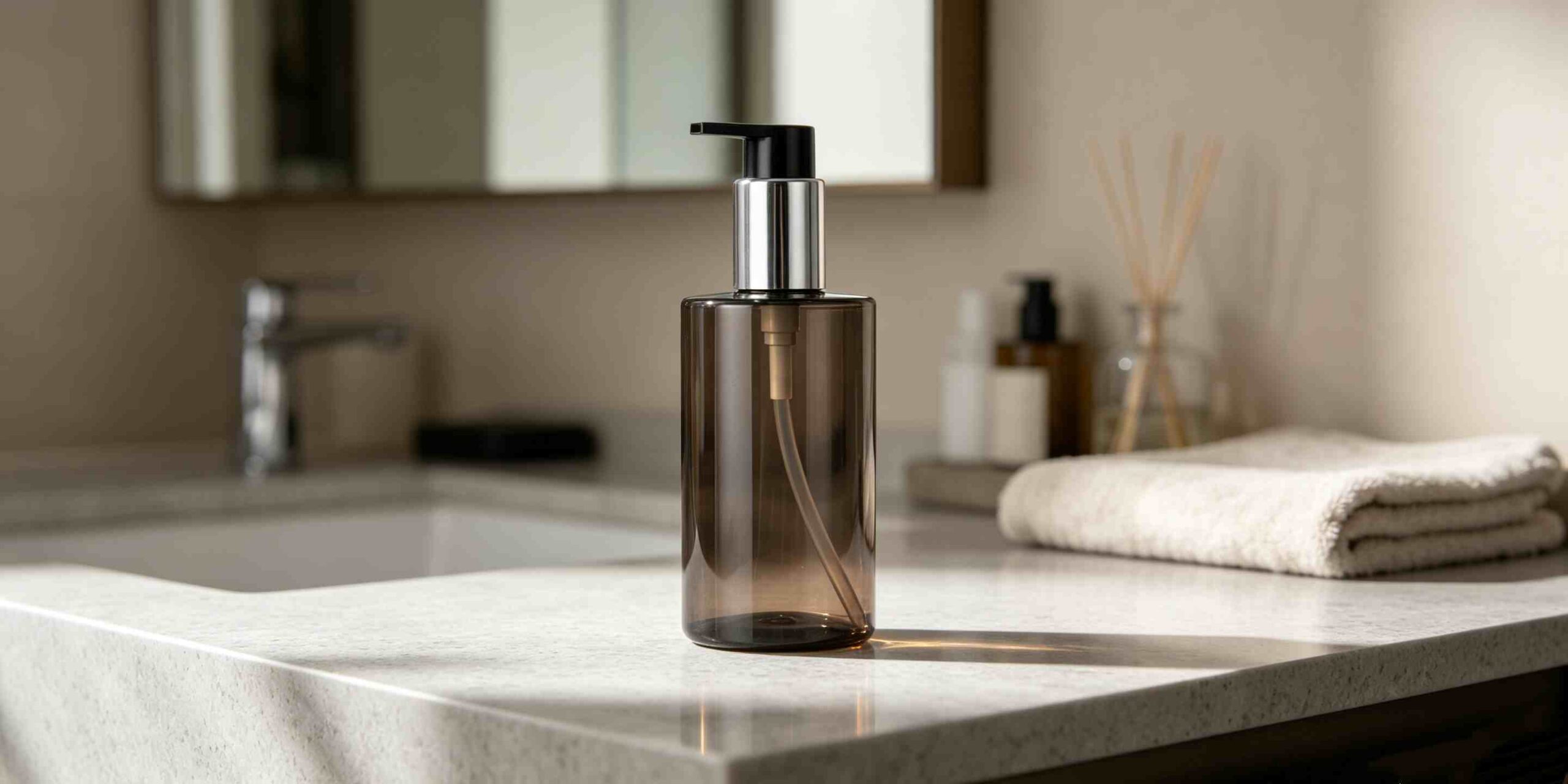
PCR skincare bottles are widely used for cleansers, toners, lotions, and other daily products. rPET and rHDPE provide practical options for brands looking to reduce virgin plastic use while maintaining durability and product protection.
GIDEA offers skincare bottles with high PCR content and customizable shapes, colors, finishes, and capacities.
PCR Cosmetic Tubes for Everyday Products
PCR cosmetic tubes are suitable for sunscreen, hand cream, body lotion, and other personal-care products. Mono-material PE structures can simplify recycling while providing the flexibility needed for squeeze packaging.
Brands can customize tube diameter, capacity, decoration, closure style, and PCR content according to product requirements.
PCR Airless Dispensers & Pumps
PCR airless packaging combines recycled material with dispensing technology that helps limit product exposure to air. It is particularly useful for skincare formulas that require controlled dispensing and protection from oxidation.
PCR can be incorporated into the bottle, outer shell, or other components depending on the design. Brands can also choose different pump formats and dispensing volumes for serums, creams, and lotions.
PCR Jars & Compact Packaging
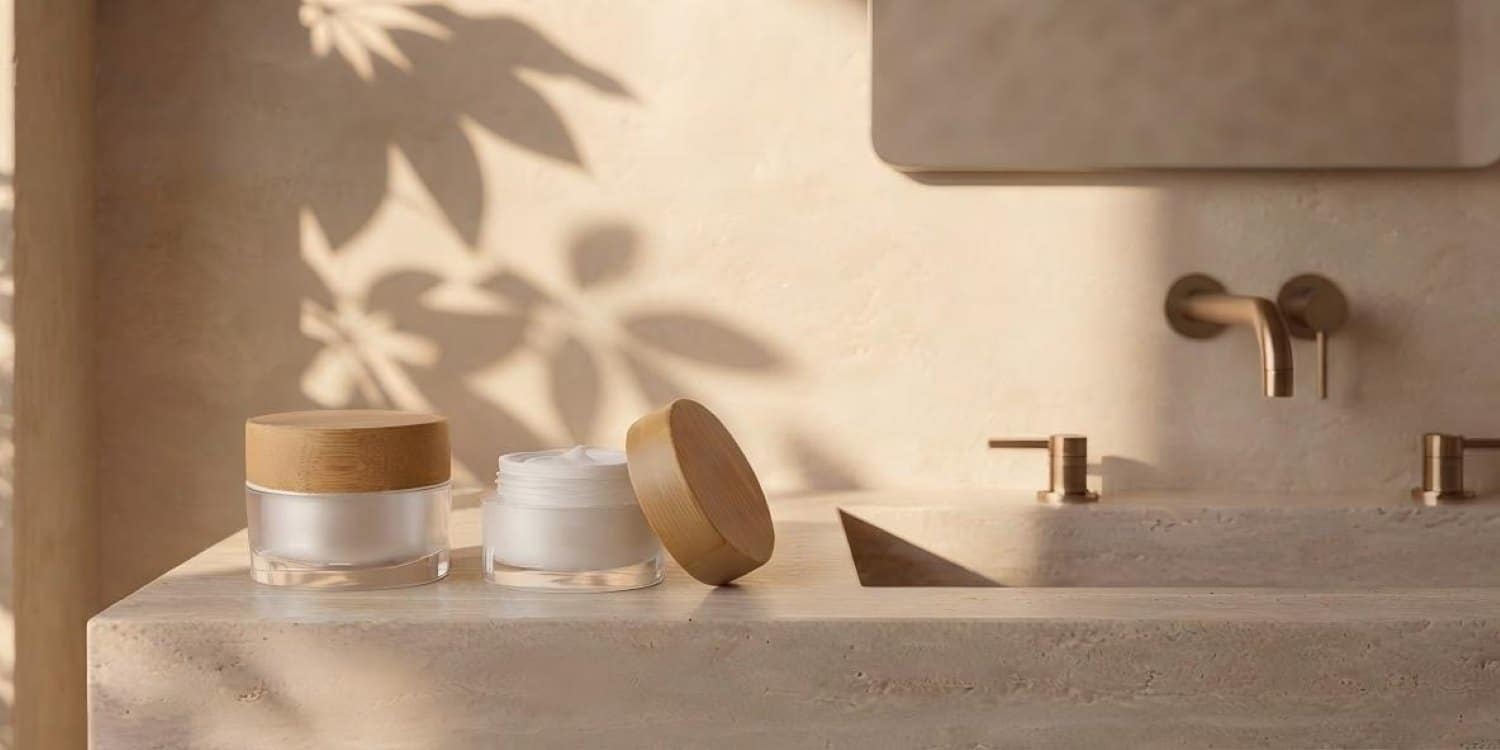
PCR cosmetic jars work well for creams, masks, balms, and other thicker formulations. Durable PCR PP or other suitable recycled plastics can be molded into jars with customized finishes and closures.
For compacts, PCR plastic can be used in cases and structural components for powders, blushes, and makeup products. Lightweight designs can further reduce material consumption.
PCR Dropper Assemblies for Skincare
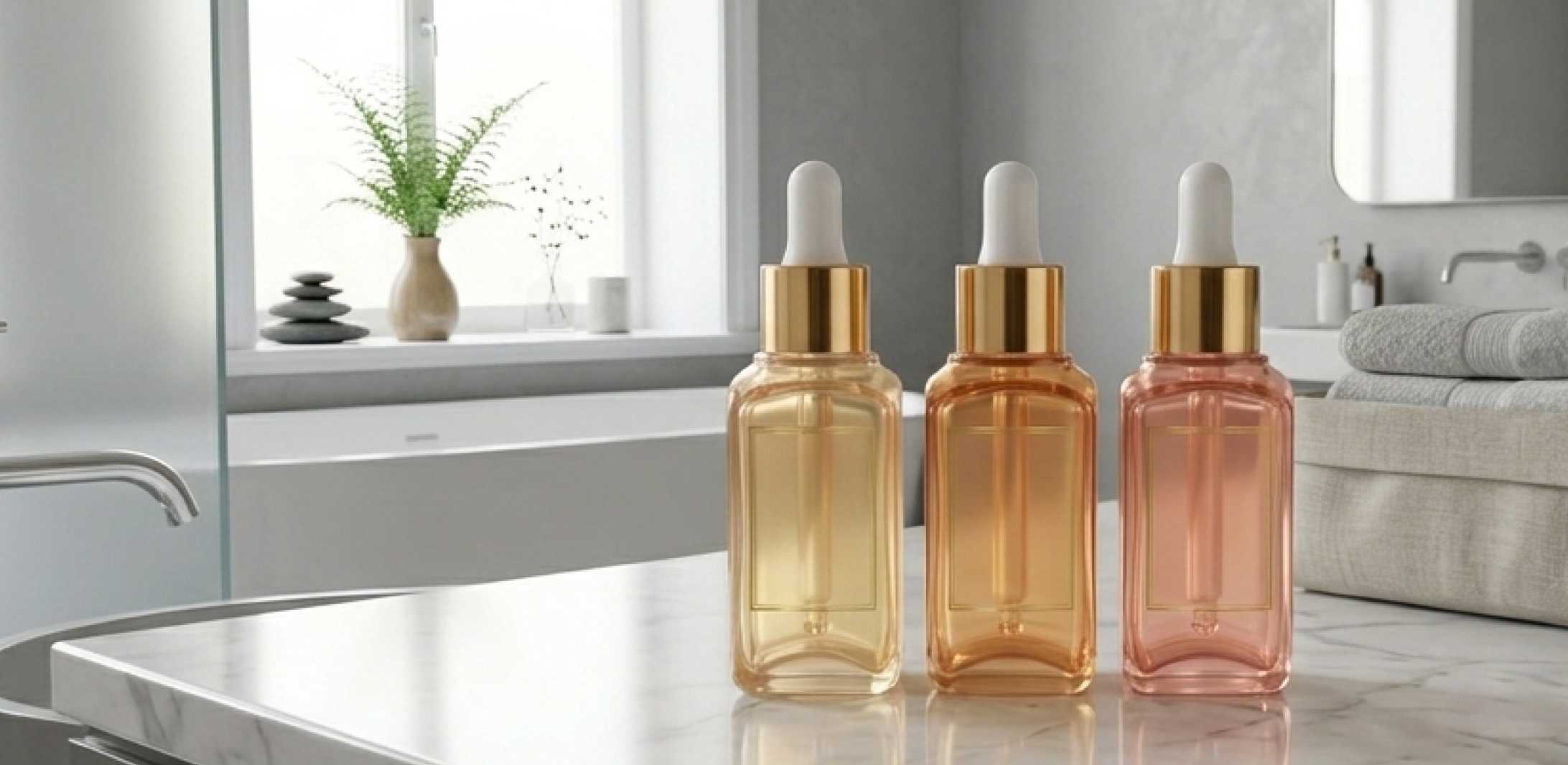
PCR dropper packaging offers a recycled-material option for serums, facial oils, and other precision-dosed products. The bottle can use PCR plastic while the dropper system is selected according to viscosity, dosage, and formula compatibility.
A well-matched dropper helps control dispensing and reduces product waste during use. Custom colors, finishes, and branding can also maintain a premium appearance.
PCR Cosmetic Stick Packaging
PCR cosmetic stick packaging is designed for products such as deodorants, lip balms, sunscreens, and solid skincare products. Recycled plastic can be used for the outer case and mechanical components while maintaining the portability expected from stick formats.
Refillable stick designs can further extend the useful life of the outer package and reduce packaging consumption over multiple purchases.
PCR Secondary Packaging Solutions
PCR is not limited to primary containers. Brands can also incorporate recycled materials into secondary packaging components where suitable, helping reduce the use of virgin plastic across the overall packaging system.
Combining PCR cosmetic containers with recyclable cartons, paperboard, or other lower-impact secondary materials can create a more consistent sustainable packaging strategy.
PCR Refillable Containers for Beauty Brands
PCR refillable containers combine recycled content with a reusable outer package. Instead of replacing the complete container after each purchase, consumers replace only the refill or inner component.
This approach can reduce packaging consumption over repeated use. GIDEA develops refillable bottles, jars, and other sustainable cosmetic packaging formats with customized structures and materials for beauty brands.
4 Key Trends Reshaping PCR Cosmetic Packaging
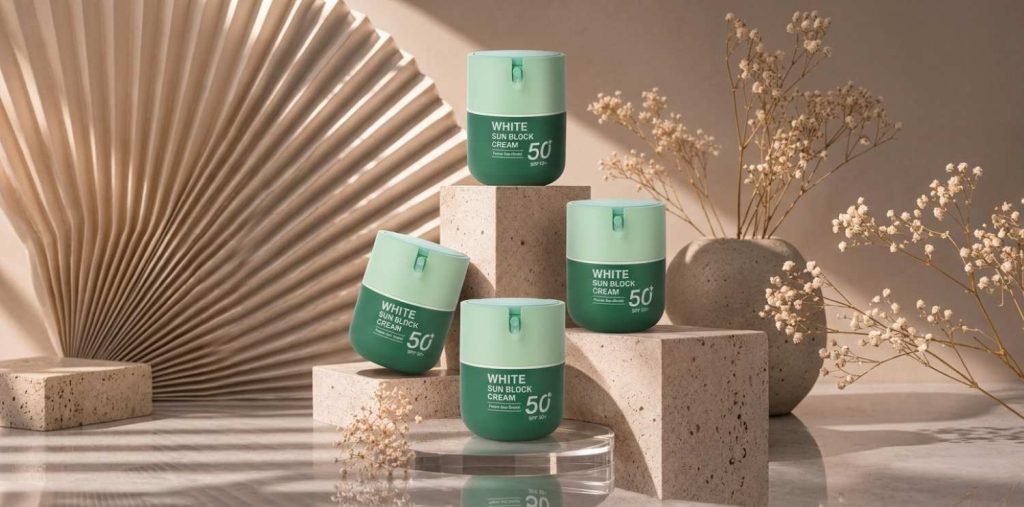
The PCR cosmetic packaging market is moving beyond simply replacing virgin plastic with recycled resin. Brands are now focusing on higher PCR content, simplified structures, refill systems, and better aesthetics to combine sustainability with performance and brand appeal.
High-Percentage PCR Integration
Beauty brands are increasingly exploring 50%, 70%, and even 100% PCR content for bottles, jars, tubes, and other cosmetic packaging. Higher PCR levels can reduce reliance on virgin plastic, but they require tighter control of resin quality, color, strength, and processing.
GIDEA offers PCR options across different packaging formats, allowing brands to select recycled content based on product requirements and desired appearance.
Mono-Material PCR Assemblies
Mono-material PCR packaging uses compatible materials across major components, such as PP bottles with PP closures. This simplifies the package structure and can make sorting and recycling easier compared with mixed-material assemblies.
Mono-material designs are particularly useful for airless bottles, jars, tubes, and other formats that traditionally contain multiple materials. GIDEA develops mono-material and PCR-PP solutions for brands seeking simpler packaging structures.
Refillable PCR Outer Shells
Refillable packaging is becoming another way to combine PCR content with longer product lifecycles. A durable PCR outer shell can be kept by the consumer while only the inner refill or cartridge is replaced.
This approach reduces the need to manufacture a complete package for every purchase. It also allows brands to use premium PCR materials for the long-lasting outer component while optimizing the refill for material efficiency.
Aesthetic Design for PCR Packaging
Earlier PCR packaging often showed visible color variation or a slightly grey appearance. Advances in resin processing, masterbatch technology, surface treatments, and finishing now give brands more control over the final look.
PCR cosmetic packaging can feature matte, glossy, translucent, opaque, or custom-colored finishes depending on the resin and application. GIDEA supports customized colors, finishes, shapes, and decoration options to help brands maintain a premium visual identity while incorporating recycled materials.
PCR Benefits vs. Challenges: An Honest Comparison
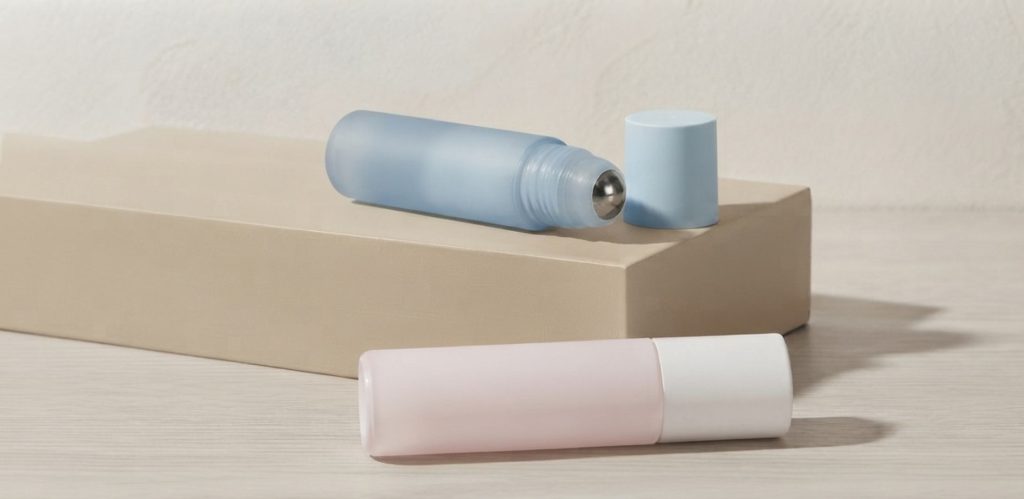
Key Benefits of PCR Cosmetic Packaging
PCR packaging brings clear environmental wins. From 2022 to 2025, carbon emissions dropped by 35%. That is like taking 10,408 cars off the road for a full year. Each year, over 350,000 pounds of plastic waste stays out of landfills. That waste could make more than 25 million closures. In 2024, co-generation saved 1,300,425 pounds of CO₂. By 2025, that number rose to 1,837,382 pounds.
| Metric | Quantified Impact |
|---|---|
| Carbon emission reduction | 35% reduction (2022–2025), equal to removing 10,408 vehicles for one year |
| Annual landfill diversion | 350,000+ lbs of plastic waste, enough for 25 million closures |
| Co-generation savings (2024) | 1,300,425 lbs of CO₂ saved |
| Co-generation savings (2025) | 1,837,382 lbs of CO₂ saved |
Using more recycled content helps the planet and cuts carbon output. Adding PCR material also meets new sustainability rules that are spreading across the globe.
Brands get more than just eco-credit. PCR packaging attracts buyers who care about the environment. It builds loyalty because it matches what customers value. It also sets a brand apart and can justify higher prices. Rising demand for green packaging pushes new ideas forward. Brands that mix sustainability with a premium look stand out from the crowd.
Common Challenges & Practical Solutions
Supply chain issues hit mid-sized brands hardest. Factories that mass-produce often demand huge minimum orders. That makes refillable designs and custom molds out of reach. A client-focused OEM supplier can offer flexible MOQs. Custom mold options and eco-friendly packaging development help close this gap.
Color problems remain a visible hurdle. PCR resin often has gray or yellow tones. Black specks can show up in finished parts. Several fixes work well:
- Dark and amber injection molding: Uses darker shades to hide grayness and specks at no extra cost.
- Opaque color coating: Full-coverage spray masks the PCR base color for clean, solid looks.
- Heavy frosting finish: Adds a matte feel that turns small flaws into natural texture.
Do not chase 100% PCR for every part. For premium skincare, try a ‘Double-Wall’ design: the outer jar uses 50%-100% PCR, while the inner container uses 100% virgin material where it touches the formula. This keeps the product safe and meets EU PPWR rules.
Mixing 30% to 50% PCR with virgin material balances rules, cost, and looks. This method cuts color variation while keeping a high-end feel.
New ideas tackle deeper material issues. Bio-based PCR blends combine recycled plastic with plant-based Bio-PET and Bio-PP. These mixes use less fossil-based plastic while still cutting waste. The field is moving toward high-performance bio-hybrid materials.
Digital tracking improves recycling results. QR codes on packaging give recycling steps right to consumers. This lowers confusion and supports proper disposal.
| Mechanism | How it enhances PCR recycling |
|---|---|
| Supply chain tracking | QR codes verify recycled content origins and improve material recovery |
| Consumer guidance | QR codes deliver disposal instructions, promoting correct sorting |
| Stakeholder collaboration | Digital traceability shares verifiable data among producers, regulators, and recyclers |
These fixes make PCR cosmetic packaging workable for brands of all sizes. The secret is picking the right partner and the right material plan.
How GIDEA Helps You Source PCR Packaging?
Choosing a PCR cosmetic packaging supplier requires more than comparing prices. GIDEA has served global beauty brands since 2003.
Brands can choose from two sourcing options: standard packaging with customized colors and finishes for faster launches, or fully custom molds developed with GIDEA’s in-house R&D team. Both options support bottles, jars, airless packaging, and stick formats with PCR content options of up to 100%.
Quality control includes 100% leak testing and manufacturing aligned with FDA and ISO requirements. GIDEA also supports sustainable packaging development with mono-material and refillable designs, flexible MOQs, and material documentation for global markets.
For brands moving to PCR packaging, starting with a sample or pilot order can help validate the design before scaling production. GIDEA provides the manufacturing capabilities and customization options needed to move from concept to commercial production.
FAQs About PCR Cosmetic Packaging
What Is PCR Cosmetic Packaging?
PCR cosmetic packaging is made partly or entirely from post-consumer recycled plastic recovered from used products. It allows beauty brands to reduce their use of virgin plastic while maintaining practical packaging performance.
What Are Common PCR Cosmetic Packaging Examples?
Common examples include PCR skincare bottles, cosmetic tubes, jars, airless dispensers, pumps, dropper bottles, and stick packaging. PCR can also be incorporated into refillable containers and selected secondary packaging components.
How Much PCR Content Can Cosmetic Packaging Use?
The PCR content of cosmetic packaging can range from small percentages to up to 100%, depending on the material, structure, product requirements, and desired appearance. Higher PCR content may require additional testing to ensure strength, color consistency, and processing performance.
How Does Gidea Support PCR Packaging Projects?
GIDEA offers PCR cosmetic packaging with options including bottles, jars, airless systems, and sticks, with PCR content of up to 100%. Its in-house R&D, custom mold development, flexible MOQs, and quality control support projects from initial design to mass production.