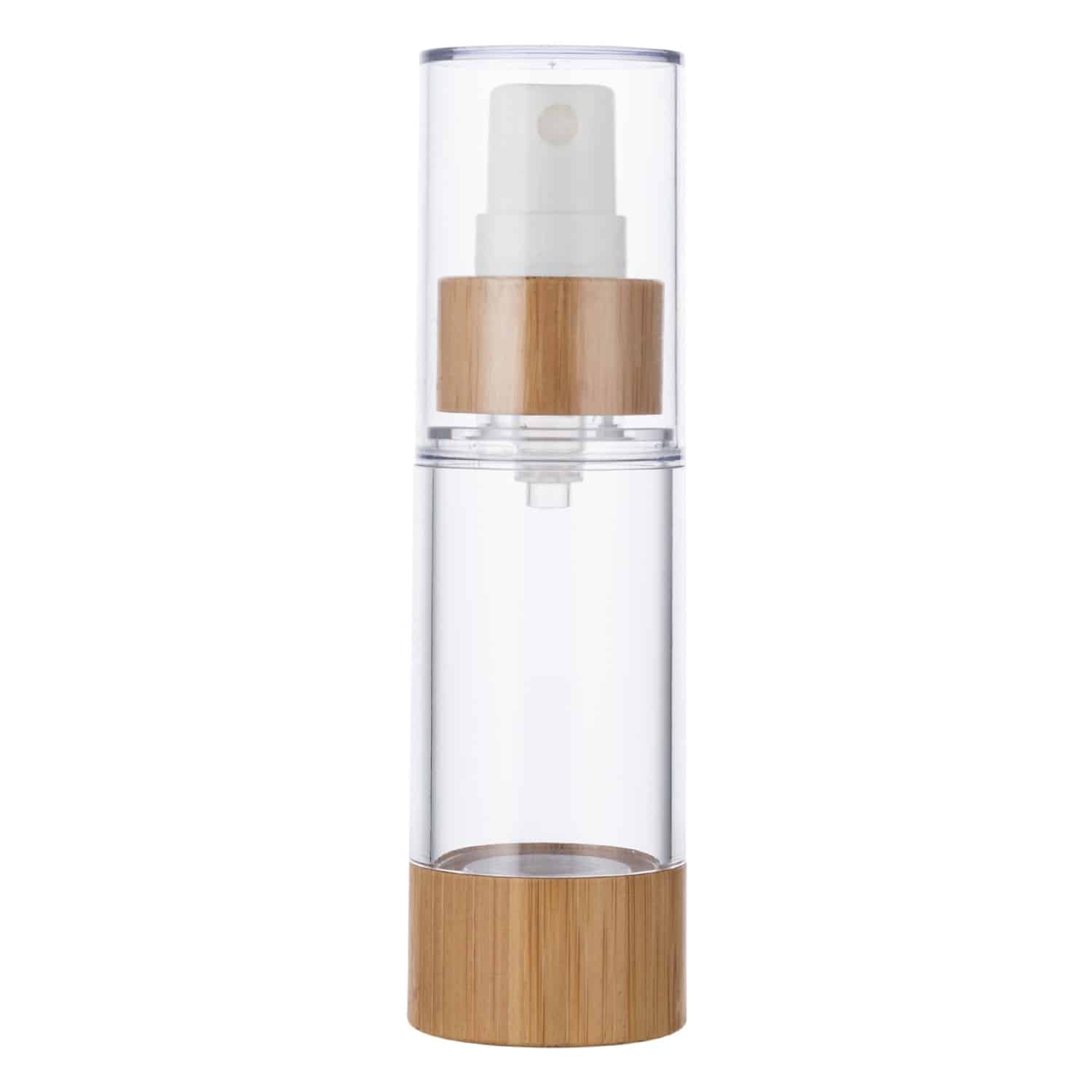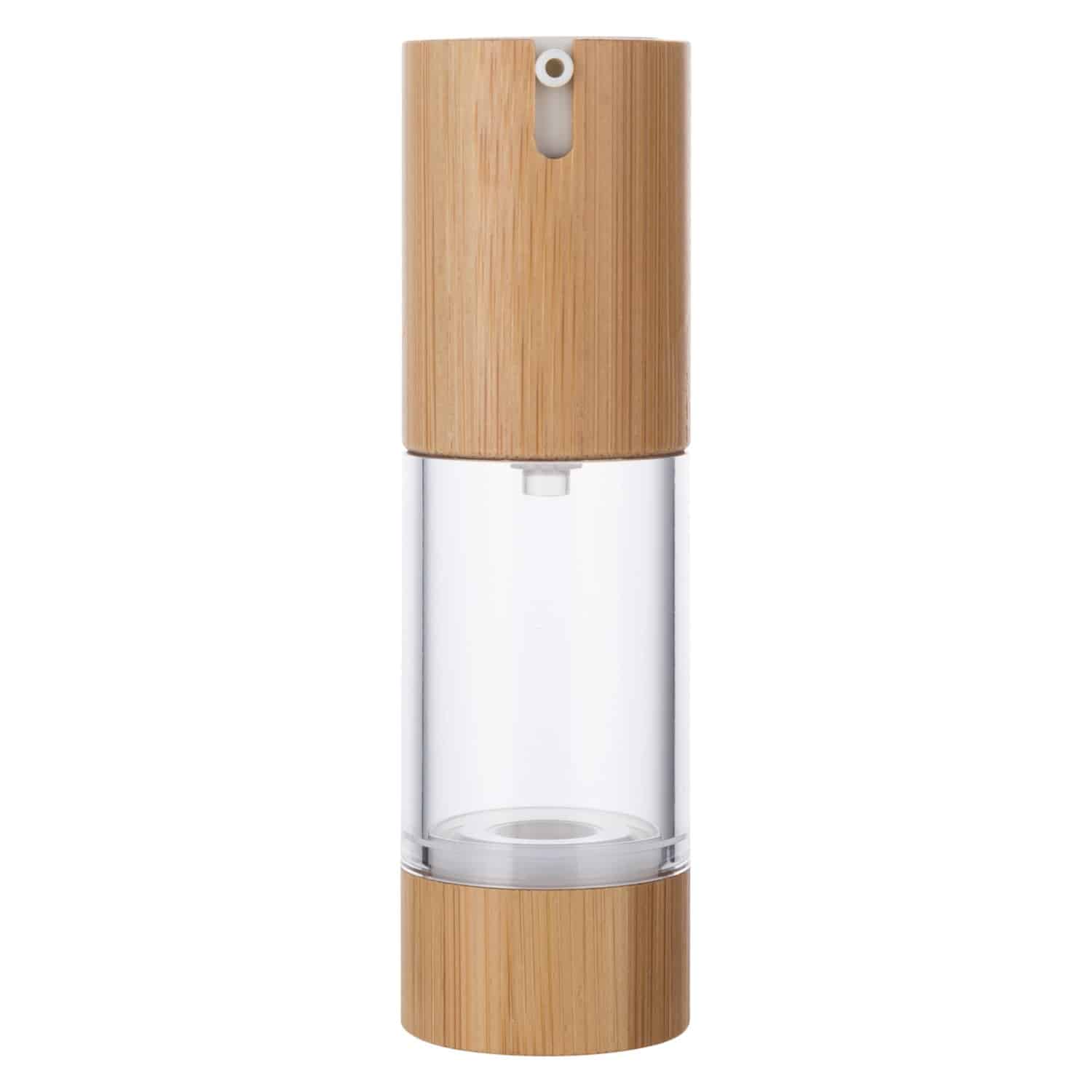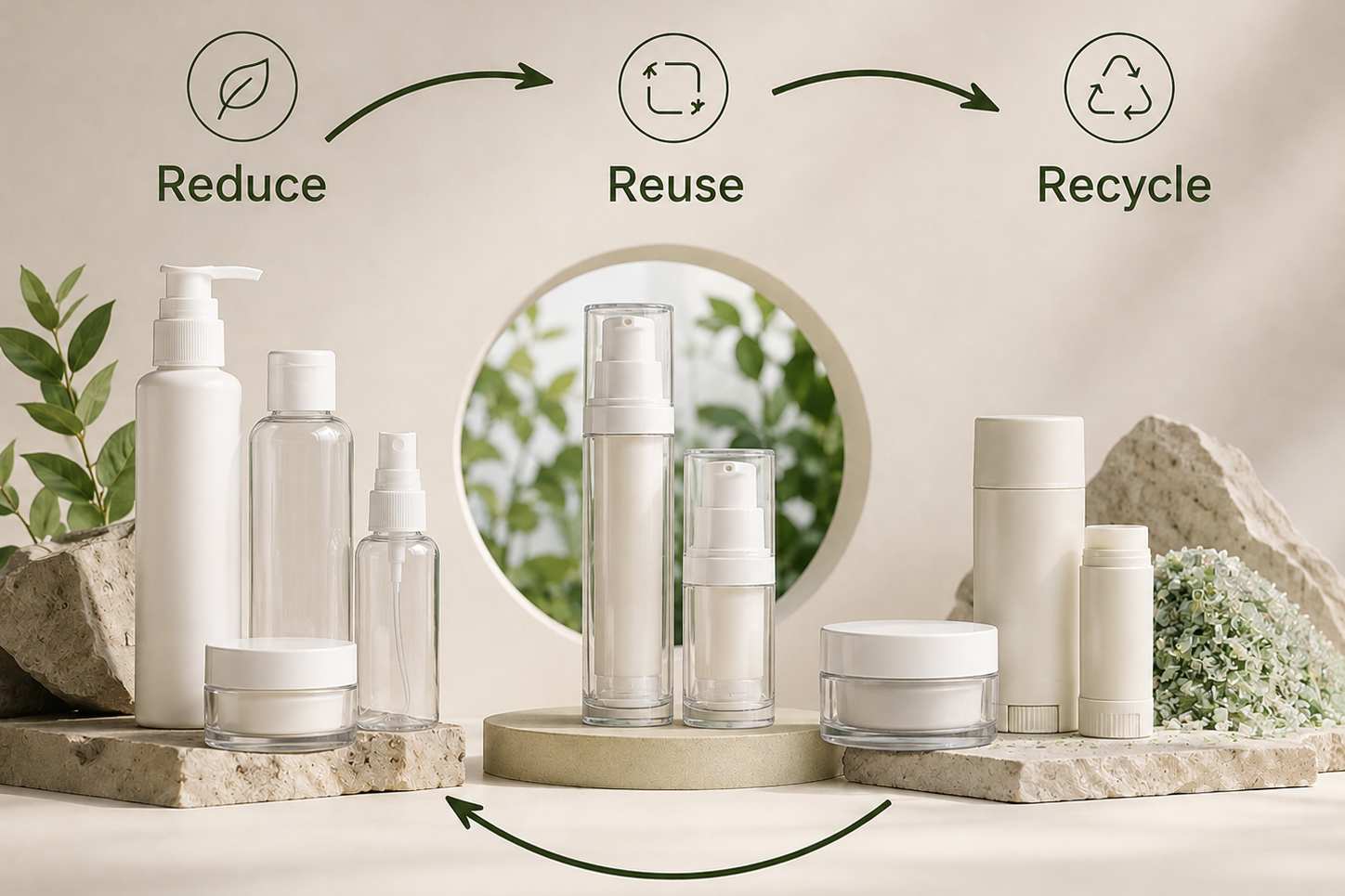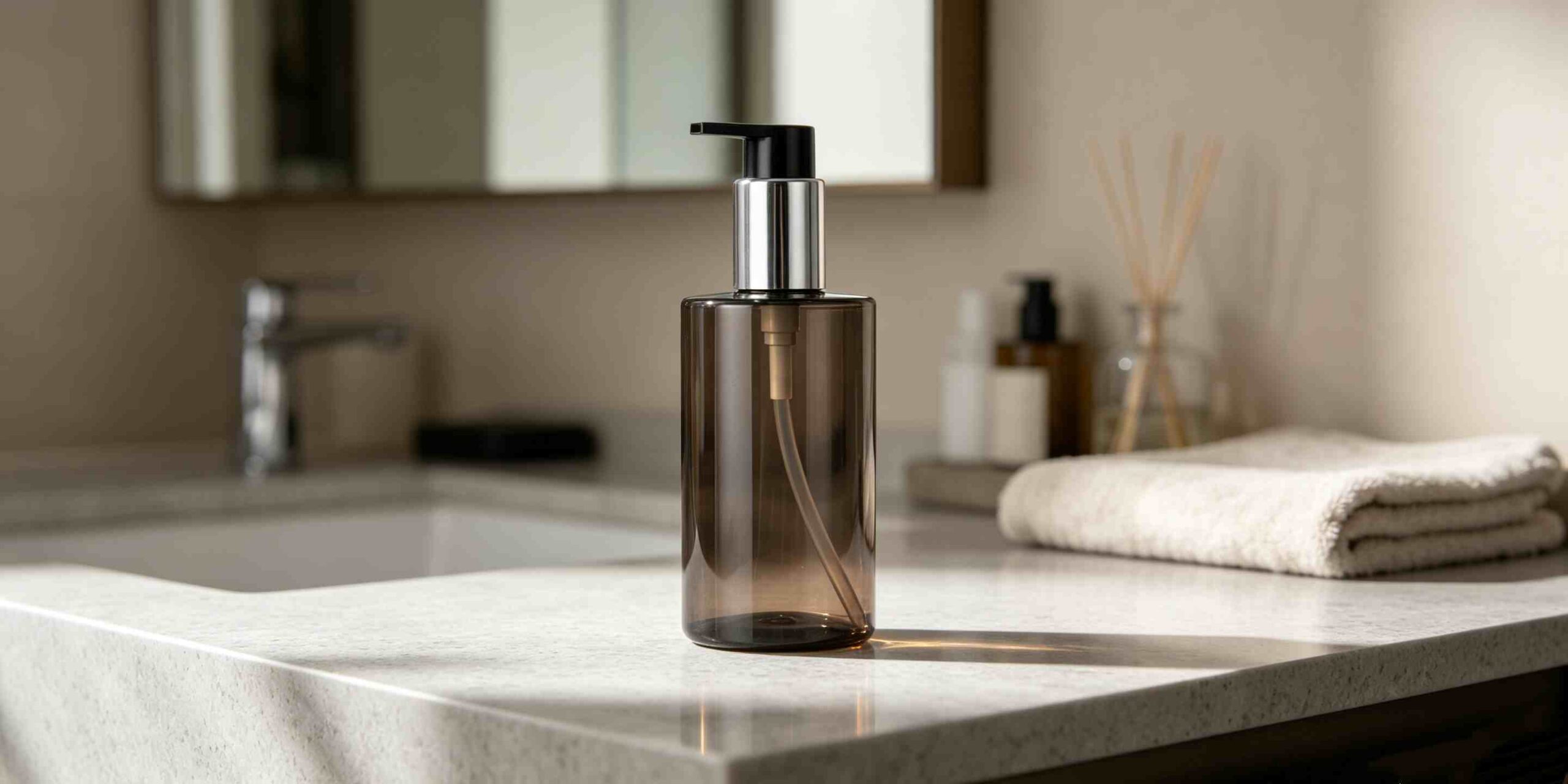
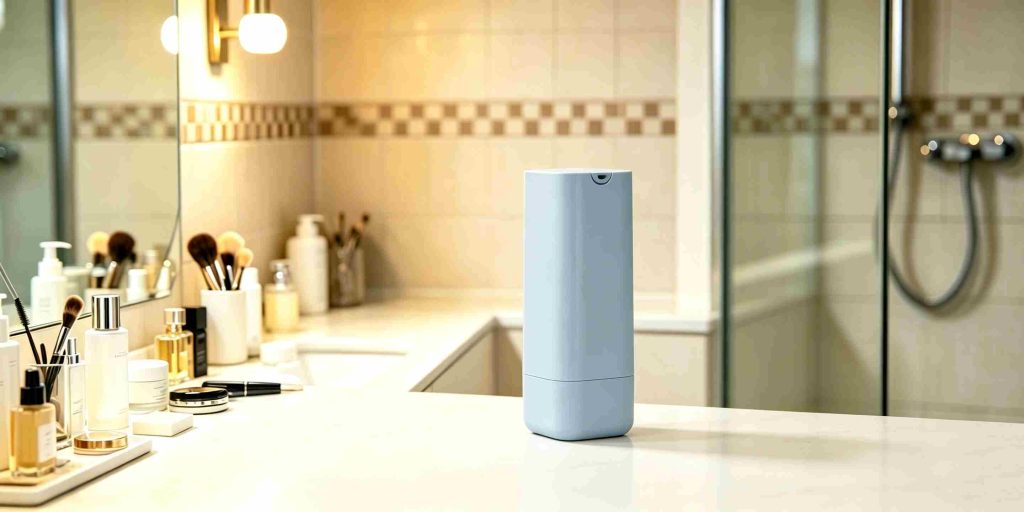
Good refill habits keep your Soap Dispensers working well. Right soap mixtures and warm water flushing help too. Common problems often stop daily hand washing. These include clogged nozzles and leaking pumps. Sensor failures and wrong soap viscosity cause issues. Clogs happen when thick soap dries inside. Dries occur inside the pump mechanism. Easy daily care solves these problems quickly. It stops messy spills too. Caring for dispensers helps them last longer. It cuts down on plastic waste. Refillable packaging systems offer clean solutions. They are reliable and eco-friendly. Use them in every home and business.
Key Takeaways
- Leave one inch of space at the top during refills to prevent messy overflows.
- Flush pump parts with warm water monthly to clear dry soap and prevent clogs.
- Dilute thick soap with water to protect internal pump springs and sensors from damage.
- Wash and dry reusable soap tanks completely before refills to stop germ growth.
Understanding Different Types of Soap Dispensers
Every sink needs good tools. Right tools help keep things clean. They ensure smooth daily use.
Manual Soap Dispensers for Daily Hand Washing
Manual tools use physical force. Users push a top button. Users press a pump handle. These tools work very well. They fit busy public rooms.
Refill steps depend on soap:
- Liquid Soap Formulation: Fill liquid soap into tanks. Leave one inch of space. This stops messy top overflows. Overflows happen during pump placement.
- Foaming Soap Formulation: Foaming pumps need thin soap. Mix soap with warm water. Use three or four parts. Pure soap clogs mesh screens. Tilt the bottle to mix. Do this before each use.
Manual tools have basic parts. The table shows two kinds:
| Dispenser Type | Structural Composition | Maintenance & Longevity Factors |
|---|---|---|
| Manual Soap Dispensers | Basic, time-tested mechanical components | Very tough for long use. Rare technical problems happen. |
| Automatic Soap Dispensers | Electronic systems and optical sensors | Needs care over time. Breaks faster in wet spots. |
Automatic Soap Dispensers With Sensor Technology
Touchless units use special light. Sensors detect hands very fast. They start a small motor. Touchless tools stop germ spread.
Good care keeps sensors working. Lens grime hurts reading speed. Dirty lenses cause more errors. Errors rise twenty-nine percent. Grime adds short time delays.
The table shows key metrics:
| Metric Category | Operational Benchmark | Technical Standard / Evaluation Context |
|---|---|---|
| Failure & Reliability Rates | Cross-user reliability: ≥ 99.1% (Failure rate < 0.9%) | Tested on skin tones. Tested with gloves and light. |
| Failure & Reliability Rates | False-negative rate increase: +29% | Caused by dirty lenses. Adds a short delay. |
| Battery Efficiency | Service Endurance: ≥ 18 months | Based on daily use. Uses real battery power. |
| Battery Efficiency | Standby Current Draw: ≤ 0.8 mA | Saves energy while idle. Uses smart sensor light. |
| Battery Efficiency | Power Degradation: 12–18% added draw | Happens when wake times drop. Latency goes past limit. |
Wall-Mounted and Commercial Soap Dispenser Systems
Big buildings need tough units. Wall systems handle heavy use. Many setups go under sinks. Long tubes run below counters. Tubes reach big soap jugs. This setup cuts fill times.
Follow simple steps for care:
- Routine Maintenance & Cleaning:
- Flush valves with hot water. This step stops bad clogs.
- Pump warm water through units. Avoid strong chemicals inside.
- Take off wall units. Do this for deep cleaning.
- Avoid rough pads on surfaces. Rough pads cause physical scratches.
- Sensor & Automatic Care:
- Wipe sensor glass very clean. Clean glass senses hands well.
- Keep hands within range. Use two to three inches.
- Check tiny light power alerts. Change weak batteries fast.
- Change unit spot for light. Bright lights hurt light sensors.
- Pump & Flow Troubleshooting:
- Check for bad inner springs. Replace broken parts soon.
- Clear dry soap from spouts. Prime pumps before new use.
Refillable Soap Dispensers for Sustainable Packaging
Reusable tools save extra money. They cut bad plastic waste. Strong PCR plastic jugs work well. Green containers replace old bottles. Reusable designs aid circular systems.
The table highlights key gains:
| Benefit Category | Impact & Metric | Application to Refillable Packaging |
|---|---|---|
| Emissions & Weight | Cuts carbon emissions by 69% and provides a 60% lighter container | Reduces heavy shipping costs. Lowers overall carbon footprint. |
| Energy & Resource Efficiency | Saves up to 12,000 BTUs per pound of recycled PET; reduces reliance on non-renewable petroleum | Saves manufacturing power for plastics. |
| Waste Minimization | Decreases plastic volume in landfills and aquatic ecosystems | Diverts waste to circular systems. |
| Performance & Quality | Matches virgin plastic in strength, barrier properties, and gas/light blockage | Protects inner liquid soap well. Meets all safety standards. |
| Consumer Convenience | Provides sustainable packaging with zero effort required from the end user | Improves green company reputation. Keeps simple daily usage. |
Refilling Soap Dispensers Neatly and Safely
Clean work stops counter leaks. Good steps save your pumps.
Gathering Supplies for Soap Dispensers Refilling
Get your tools right now. Funnels keep drops off tables. Cloths wipe up wet spots fast.
Care for your container walls:
- Stainless Steel: Wipe metal using mild soap. Avoid bleach to stop rust.
- Glass: Spray glass using diluted vinegar. Vinegar cleans foggy water spots.
- PCR Plastics: Wash plastic with mild soap. Skip pads to stop scratches.
- Sustainable Bamboo: Wipe wood with damp rags. Dry quickly to shield seals.
Opening Units and Removing Old Soap Inside
Remove pumps gently every time. Soft touch protects inside seals. Hard tugs ruin inner valves.
Follow these top clean rules:
CDC Hygiene Guideline: Unmount bulk wall units before filling. Wash tanks well before adding soap. This stops dangerous germ growth.
Monthly cleanings remove hard soap. Clear dry spots like this:
- Soak Components: Dip clogged parts in warm water. Wait ten minutes for soap.
- Deep Clean the Pump: Soak stuck pumps in warm water. Pump underwater to clean inside.
- Remove Soap Film: Fill bottles with vinegar and water. Wait one hour then rinse.
- Flush the Reservoir: Dump out all old water. Flush pump parts two times.
💡 Temperature Warning: Never pour boiling hot water. Extreme heat warps thin plastic.
Pouring Fresh Soap Formulations Leaving Space
Pour liquid soap through funnels. Fast pours create unwanted foam.
Leave one inch on top. Pump stems take up space. Full tanks push liquid out. Leaking soap ruins bath counters.
Priming Pump Parts After Fresh Refills
Screw the pump lid tight. Push down on top hard. This pulls soap up fast.
First presses push out air. Soap flows on third presses. Steady streams mean it works.
Stopping Bubbles and Overflows While Refilling
Air pockets block liquid flow inside. Learn how air creates problems:
- Airlock Formation: Air pockets block dip tubes. Trapped air stops thick soap.
- Dispensing Inconsistencies: Pockets make output amounts uneven. Spouts spit and delay liquid.
- Priming and Idle Failure: Air cuts off pump suction. Units fail until air clears.
Pour liquid down inside walls. Keep bottles on flat tables. Proper steps keep Soap Dispensers working.
How to Clean and Maintain Soap Dispensers Properly
Good care keeps units working well. Clean parts last much longer.
Regular Rinsing to Prevent Soap Residue Buildup
Old soap dries inside spouts. This film blocks fluid flow. Rinse outer spouts every week. Use warm water at 100°F. Warm water dissolves hard soap fast. Soft water keeps seals safe.
Deep Cleaning Methods for Better Hygiene Performance
Deep cleaning stops bad germs. Germs hide inside inner tanks. Clean units every month now.
Follow these simple steps:
- Dump out all old soap.
- Fill tanks with soapy water.
- Pump water ten times through.
- Rinse units with clean water.
- Dry parts before fresh fills.
Cleaning Pumps and Tubes to Prevent Blockages
Inner tubes catch thick soap. Heavy buildup hurts inner springs. Springs break faster from stress.
💡 Maintenance Tip: Flush pump parts with vinegar. Mix equal parts warm water. Do this every three months. Vinegar dissolves hard buildup fast.
Maintaining Exterior Surfaces and Dispenser Appearance
Outer materials need special care. Good steps keep units pretty.
| Material | Recommended Cleaner | Action to Avoid |
|---|---|---|
| Stainless Steel | Soft cloth with mild soap | Skip bleach and rough pads |
| Clear Glass | Glass spray or mild vinegar | Skip drops and harsh chemicals |
| PCR Plastics | Wet rag with warm water | Skip strong chemicals like acetone |
Simple care keeps Soap Dispensers clean. Smooth tools help every user.
Factors Affecting Soap Dispenser Performance
Good care helps your Soap Dispensers. Using correct soap thickness helps pumps. Tough bottle parts also matter. Smart mechanical designs stop problems. These basics keep units working.
Choosing Compatible Soap Formulas for Dispensers
Thick soap moves very slow. Heavy gels hurt inner valves. Foaming units need thin soap. Thin liquids make rich foam.
Water mixes keep pumps safe:
- Standard Recommended Ratio: Mix one part soap. Add four parts water.
- Alternative Ratio: Mix one part soap. Add three parts water.
- Castile Soap Ratio: Fill one-fourth with soap. Add three-fourths water.
Selecting Durable Materials for Long-Term Usage
Busy sinks need tough materials. Stainless steel stops hard dents. PCR packaging helps keep moisture out while supporting durable bottle designs. Glass bottles look very clean. Strong parts stop big cracks. Clean tanks keep soap safe.
Understanding Pump Quality and Dispensing Efficiency
Inner pump parts stop leaks. Good parts give exact soap amounts. Each press gives tiny drops.
| Component / Feature | Mechanical Mechanism | Operational Function |
|---|---|---|
| Outer Gasket | Inner cap seal layer | Stops messy liquid soap leaks. |
| Actuator, Piston, Spring & Ball | Inner fluid pressure engine | Pushes soap up out fast. |
| Calibrated Chambers | Controlled liquid flow paths | Measures precise liquid soap drops. |
| Multiple O-Rings | Air tight liquid seals | Stops drying inside the pump. |
Strong Soap Dispensers use great parts. Good seals stop dripping. Smooth tools last much longer.
Common Mistakes When Refilling Soap Dispensers
Refill errors break your Soap Dispensers. Simple mistakes ruin inner parts fast. Avoid four bad habits now. Keep units clean and working.
Using Incorrect Soap Concentration and Viscosity
Thick gels ruin foaming Soap Dispensers. Heavy liquids fail to foam. Thick soap destroys hardware fast.
| Hardware Component | Issue Caused by High-Viscosity Soap |
|---|---|
| Aerator Mesh | Thick soap clogs fine mesh screens. |
| Sensor Motors | Heavy soap burns out motors fast. |
| Manual Pump Springs | Strong pressure breaks inner springs. |
Overfilling Bottles and Causing Pump Problems
Top refills cause strong inner pressure. Stems push liquid up fast. Liquid enters small air valves. Soap dries inside pump chambers. Dry soap blocks smooth pushes. Leave one inch of space.
Ignoring Regular Cleaning and Maintenance Schedules
Adding soap over old liquid spreads germs. Tests show dirty tanks grow germs fast. Germs form biofilms inside tanks.
⚠️ CDC Hygiene Alert: Never top off Soap Dispensers. Refilling old soap spreads bad germs. Wash and dry tanks completely first.
Using Harsh Chemicals on Dispenser Surfaces
Strong cleaners ruin outer coatings fast. Bleach strips shiny stainless steel. Harsh chemicals destroy rubber seals. Broken seals leak soap onto tables. Use mild soap and water instead.
Frequently Asked Questions About Soap Dispensers
How often should soap dispensers be refilled?
Refill needs depend on key daily usage factors:
- User Traffic & Volume: Daily user numbers change soap usage fast.
- Dispenser Usage Patterns: Work hours and pump settings alter total output.
- Operational Constraints: Cleaning staff schedules set routine maintenance times.
- Physical & Planning Factors: Tank storage size sets refill cycles.
Busy public spaces need larger soap tanks. Home units need refills every few weeks.
Can all soap dispensers be reused and refilled?
Some dispensers do not take generic liquid soap. Open bulk units allow easy pouring from jugs. Locked cartridge units only take special refills. These sealed parts use special nozzle shapes. Regular soap bottles do not fit sealed slots.
How do you clean a clogged soap dispenser pump?
Dry soap blocks pump channels over time. You can clear stuck soap using simple steps:
- Unscrew the pump top by turning it left.
- Unbend a metal paperclip. Slide it into the spout.
- Poke the spout hole gently to break crusts.
- Push a small pipe cleaner into the bottom.
- Twist the cleaner to clear the tiny ball.
- Rinse the pump with hot running water.
Are refillable soap dispensers better for businesses?
💡 Cost & Sustainability Alert: Refillable bulk units save money and cut plastic waste.
Businesses gain flexibility with open refillable tools. Work crews buy liquid soap in big jugs. This steps cuts trash and helps green goals.
Our Soap Dispenser Packaging Solutions
Good bottles help your station work well. Tough tanks protect liquid formulas. They keep pumps working right.
Custom Soap Dispenser Manufacturing Services
Gidea supplies clean packaging tools. We offer custom manufacturing options. We serve personal care brands globally. Automated lines inspect each batch carefully. Engineers do full leak tests. Tests stop bad liquid leaks. They keep pump output precise. Brands get fast seven-day samples. Low order minimums aid growing companies.
Sustainable Packaging Options for Personal Care Brands
Green bottles protect our clean earth. They cut down bad carbon footprints. Brands pick strong materials for reuse. Recycled HDPE plastic holds liquid soap. It works for body lotions too.
| Material Category | Material Options | Key Eco-Friendly Features |
|---|---|---|
| Recycled Plastics | Recycled PET & PCR Plastics | Uses less fresh plastic. Keeps strong bottle walls clear. |
| Glass Solutions | Glass Containers | Recycles fully and endless times. Works for outer refill setups. |
| Bio-Based Options | Biodegradable Resins | Breaks down fast in nature. Uses light building designs. |
💡 Sustainability Advantage: Single-material parts make recycling super easy. Light bottles cut shipping weights. Lower weights reduce total transit emissions.
Contact Us for Customized Dispenser Solutions
Upgrade your main product line today. Get certified green packaging systems now. Our design staff helps your ideas. We aid initial art and production. We build custom pump colors fast. Contact us for free samples now. Ask for cheap wholesale quotes today.
Good daily habits keep hand washing stations working:
- Handle Gently: Protect inner springs from hard stress. Protect pump valves too.
- Flush Warm Water: Clean inner tubes every month. Use warm water. This stops clogs.
- Sanitize Completely: Wash tanks fully before refills. Follow CDC rules.
- Mix Correctly: Mix one part soap. Add four parts water. This keeps liquid flowing.
Good care keeps Soap Dispensers working longer. Leak-tested refillable packaging helps too. It cuts plastic waste by 69 percent. Take charge of your sinks today. Build clean and green hygiene stations now!