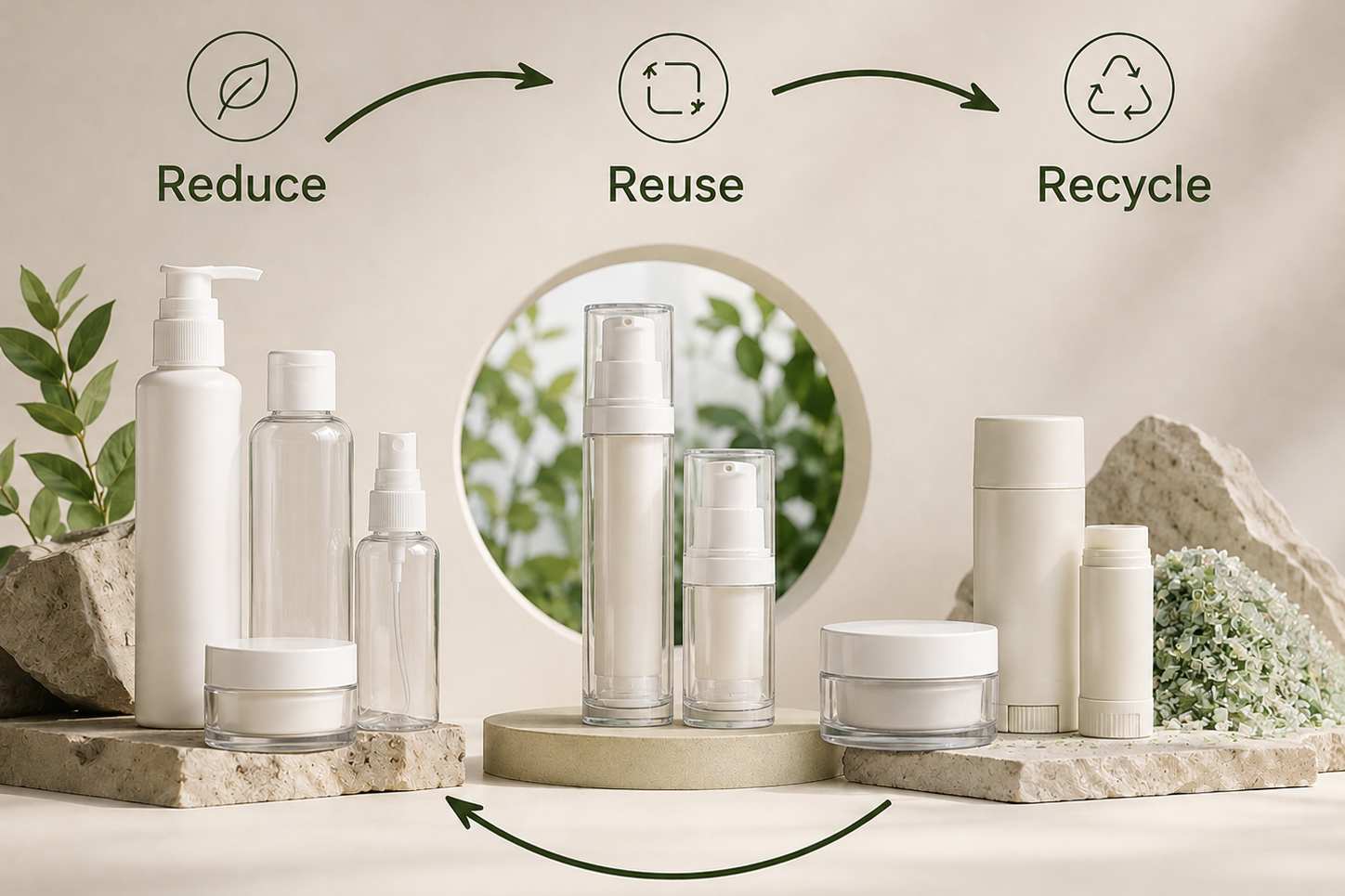
Your bathroom cabinet may be filled with empty bottles, jars, and tubes. Each one once served a purpose, but now you may wonder what to do with all that packaging. You are not alone—billions of cosmetic packages are discarded worldwide every year. The good news is that taking action is simpler than it seems: recycle, refill, and reuse. Each step can help reduce packaging waste and support more sustainable cosmetic packaging practices. As the beauty industry moves toward circular solutions, brands are designing packaging with reuse and recycling in mind. You can be part of this change by starting small: recycle one bottle properly, refill one container, or reuse one jar. Every choice can contribute to a more sustainable beauty packaging system.
Key Takeaways
- Recycle beauty packaging the right way by washing out containers and sorting the different materials.
- Refillable packaging cuts down on trash and helps you save cash.
- Use empty containers again for trips, keeping things tidy, or sorting items.
- Buy from brands that use eco-friendly packaging.
- Small actions, like recycling a bottle, can make a big difference.
Why Recycling and Reusing Beauty Packaging Matters Today
Recycling rules vary by city, so always check local guidelines before disposing of beauty packaging. While the beauty industry produces billions of packages each year, much of this waste is discarded after a single use and only a portion of plastic is recycled. Recycling, refilling, and reusing cosmetic packaging can help reduce waste and support a more circular beauty industry.
Reducing Cosmetic Packaging Waste Through Circular Solutions
Using sustainable materials like bioplastics or sugarcane reduces greenhouse gas emissions by 45%. Reusable and refillable packaging cuts waste by 86%. YSL’s refillable perfume cartridges reduce packaging weight by 52%. Lush’s ‘Bring It Back’ program recovered 42.9 tonnes of plastic in 2024. That represents about 1 million items, a 29% increase year over year. Signatory brands of the Ellen MacArthur Foundation’s Global Commitment tripled their average post-consumer recycled (PCR) content to 14% since 2018. This effort prevented 3.2 million tonnes of virgin plastic and 3.4 million tonnes of CO2e in 2023 alone. Switching to 100% recycled plastic resin cuts environmental impact by 42–60%.
| Circular Beauty Practice | Measured Impact |
|---|---|
| Using sustainable materials (e.g., bioplastics, sugarcane) | 45% reduction in greenhouse gas emissions |
| Reusable/refillable packaging | 86% reduction in waste |
Supporting Sustainable Beauty Brands with Better Choices
Every purchase can support the shift toward sustainable beauty packaging. Look for brands using PCR plastics, recyclable or compostable materials, renewable resources such as bamboo, and refillable packaging systems. These choices can reduce reliance on virgin materials and encourage more circular packaging practices.
As major beauty companies set packaging sustainability targets, demand for recycled, refillable, and lower-impact packaging continues to grow. Choosing products with PCR cosmetic packaging or refillable containers is a simple way to support brands investing in more sustainable solutions.
How to Properly Recycle Beauty Product Packaging
Recycling beauty packaging takes more work than just tossing a bottle into a bin. You need to know local rules, clean the containers, and separate materials. Companies like GIDEA make packaging that is easy to recycle. But your actions decide if it works. Doing these steps right means your empty containers can become new things instead of trash.
Clean and Prepare Empty Cosmetic Containers Before Recycling
Dirty items ruin recycling batches. One dirty jar can send a whole load to the landfill. Cleaning well stops this waste.
- Empty out any extra product from the container. Leftover chemicals can harm the recycling process.
- Rinse the packaging with water. Make sure all liquid is gone.
- Place the rinsed container in the right recycling bin. Sort it by material like plastic, glass, or cardboard.
- Leave labels attached for mono-material packaging. Machines at recycling centers remove them on their own.
These steps take less than two minutes per container. This effort keeps whole recycling streams clean.
Separate Packaging Materials for Better Recycling Results
Beauty products have many parts. Pumps, caps, applicators, and mirrors often use different materials than the main container. You need to separate these parts before recycling.
Key Directive: Items like mirrors, pumps, and mascara wands are common in skincare products. These items are not recyclable. So remove them before recycling your skincare items. This helps the rest of the products get recycled.
Check your local recycling rules first. Not all beauty packaging can go in the curbside bin. Look for recycling symbols on each part. If you are not sure, take out non-recyclable parts and throw them away separately.
For hard-to-recycle items, there are special programs. TerraCycle offers free beauty recycling programs paid for by brands like Garnier and amika. You make an account, collect accepted packaging, fill a strong box, and print a free shipping label. You can drop it off at FedEx or UPS. TerraCycle does the rest.
Understand Which Beauty Packaging Can Be Recycled
Not all beauty packaging is recyclable through standard household or commercial recycling systems. Recyclability depends on the material, packaging structure, local collection infrastructure, and whether different components can be effectively separated.
Common materials such as PET, PP, and glass may be accepted by established recycling systems in many markets, while complex multi-material packaging can be more difficult to process. Mono-material cosmetic packaging can simplify recycling by reducing the need to separate incompatible materials.
Before disposing of cosmetic containers, check the recycling symbol and your local recycling guidelines rather than relying on the material alone. For beauty brands and packaging professionals, selecting recyclable cosmetic packaging at the design stage can make end-of-life processing more practical and support a more circular packaging strategy.
How to Refill Your Beauty Product Packaging Correctly
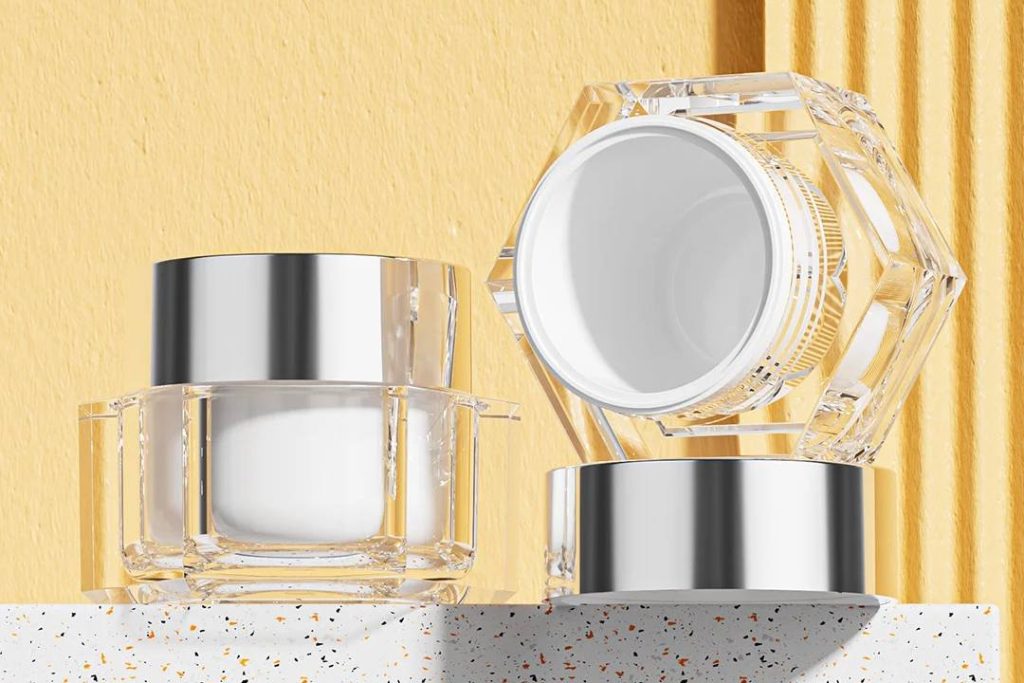
Refilling your beauty products saves money and cuts waste. Many brands now make packaging that can be used again and again. This change makes us see empty containers in a new way. Instead of tossing them, you fill them up again. The whole process takes just minutes. The good effects for the environment last for years.
Choose Refillable Cosmetic Containers for Long-Term Use
Choose refillable cosmetic containers designed for repeated use, such as durable compacts, bottles, and jars with replaceable refills. Larger product sizes and concentrated or waterless formulas can also reduce packaging use per application. A well-designed refill system helps brands reduce waste while giving consumers a practical alternative to single-use packaging.
Clean Packaging Properly Before Refilling Products
Clean refillable cosmetic packaging before adding a new product to remove residue and reduce the risk of contamination. Rinse or wash the container according to the manufacturer’s instructions, then allow it to dry completely before refilling. Avoid harsh chemicals or high temperatures unless the packaging is designed to withstand them.
Maintain Pumps, Jars and Bottles for Refill Systems
Regularly check refillable cosmetic packaging for cracks, leaks, blocked pumps, or damaged closures. Keep dispensing components clean and avoid forcing mechanisms that are designed for specific refill procedures. Proper maintenance helps bottles, jars, and pumps remain functional through repeated refill cycles.
How to Reuse Empty Beauty Product Packaging Creatively
Reusing empty beauty packaging keeps materials in use longer. This cuts the need for new containers. It also saves money. Before you recycle, look at each empty container with fresh eyes. Many items have a second life waiting. Sustainable packaging from brands like GIDEA is built to last. That durability makes reuse practical and easy.
Extend Packaging Lifespan Through Responsible Reuse
Empty cosmetic jars and pump bottles can be reused for travel, storage, or household products after proper cleaning. Wash and dry containers thoroughly before each new use, and only reuse packaging that remains in good condition without cracks or damage. Choosing durable, reusable, and mono-material cosmetic packaging can extend packaging life, reduce waste, and support easier recycling at the end of its use.
Recycling Methods for Different Beauty Packaging Materials
To recycle beauty packaging, you need to know what each material needs. Plastic, glass, and new bio-based materials have different paths. Knowing these differences helps you sort right and support better packaging design.
Recycling Plastic Cosmetic Containers and PCR Packaging
Plastic containers are very common in beauty. Many now use post-consumer recycled (PCR) resin. PCR plastic comes from items used before. It works like new plastic but has a smaller carbon footprint. Look at the bottom of each container for a resin code. Numbers 1 (PET) and 2 (HDPE) recycle in many places. Numbers 3 to 7 often need special care.
Mono-material packaging makes recycling easier. When a bottle, cap, and label are all the same plastic, the whole thing can be processed together. Companies like GIDEA design this way. Their sustainable Cosmetic Packaging uses mono-material builds. This removes the need to take parts apart by hand. It also helps recycling rates go up.
New materials give us more choices. Algae-based bioplastics break down in industrial compost facilities. They turn into organic matter on their own. This process is a good alternative to regular plastic waste management.
Mushroom packaging (mycelium) breaks down fully within weeks after being thrown away. It does not need special recycling systems.
Recycling Bottles Jars and Cosmetic Containers
Glass bottles and jars recycle well. Clear and frosted glass both work in most programs. But acceptance changes a lot by location. Some towns pick up glass at the curb. Others need you to drop it off at special centers.
Do a quick online search of your town or city’s curbside recycling rules. Accepted materials are very different from one place to another.
Before recycling glass, take off pumps and droppers. These parts are made of different materials. Metal springs and plastic parts can ruin glass recycling. Rinse each jar well. Dry it fully before putting it in the bin.
Some glass containers have decorative coatings or frosted finishes. These treatments can change if they can be recycled. If you are not sure, check with your local facility. They can give you correct and current info.
Support brands that invest in circular solutions. Research their sustainability claims before you buy. Look for clear recycling instructions on the package. Choose products from companies that use mono-material designs or PCR content. These choices help the industry move toward lower-carbon packaging systems.
Handling Pumps Caps and Mixed Material Components
Pumps, caps, droppers, liners, applicators, and other small components often contain different materials from the main cosmetic container. These parts should not automatically be placed in the same recycling stream as the bottle or jar; instead, check whether the local program accepts them together or requires separate collection.
Complex mixed-material cosmetic packaging can be more difficult to recycle when plastic, metal, elastomers, glass, or other materials are permanently combined. For packaging professionals, reducing unnecessary material combinations and designing components that can be easily separated can improve recyclability.
For refillable and sustainable packaging systems, component compatibility is equally important. Pumps and closures need to remain functional during product use while also being considered as part of the package’s end-of-life strategy.
How Brands Can Support Sustainable Packaging Practices
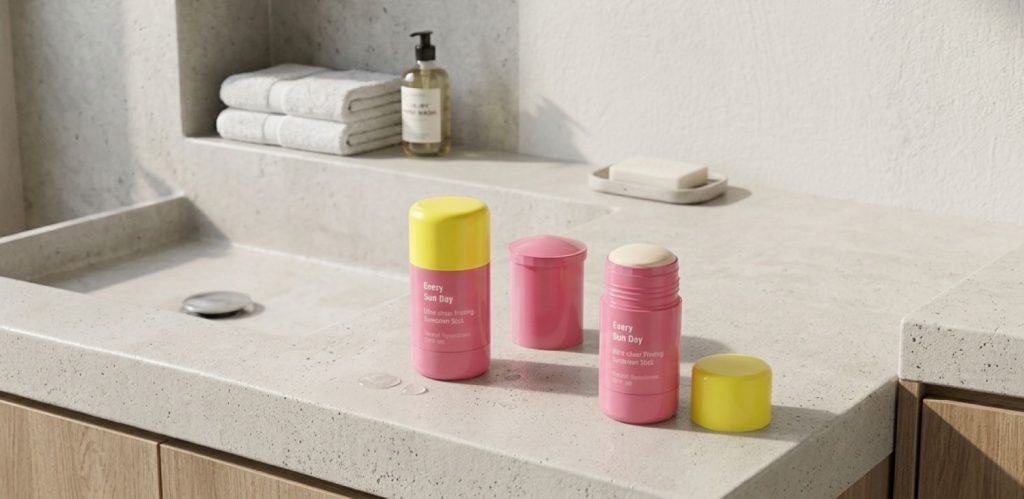
Packaging sustainability starts long before a product reaches the shelf. Beauty brands need to consider how packaging is designed, what materials are selected, and what happens after the product is used. A complete sustainable packaging strategy can reduce material waste while making recycling, reuse, and responsible disposal easier.
Designing Packaging for Recycling and Refill Systems
Packaging design plays an important role in determining whether a beauty container can be recycled, reused, or refilled after its first use. Brands can prioritize mono-material packaging, reduce unnecessary components, and develop durable outer containers with compatible refill formats to support circular packaging systems.
Refillable designs can keep the primary container in use for longer, while lightweight refill components can reduce the amount of material needed for each replacement. Packaging professionals should also consider closure compatibility, product protection, leak resistance, and ease of disassembly during the design stage.
Working with an experienced cosmetic packaging manufacturer can help brands evaluate these requirements before production. GIDEA provides sustainable packaging solutions including mono-material, refillable, lightweight, and recyclable-by-design options, with R&D and prototyping support for customized projects.
Choosing Sustainable Materials for Beauty Packaging
Choosing the right material requires more than selecting the option with the strongest environmental claim. Brands should evaluate recyclability, recycled content, durability, product compatibility, manufacturing requirements, and end-of-life infrastructure for the target market.
For example, PCR plastic and rPET can help increase recycled content, while bio-based materials and OBP can provide additional approaches to reducing reliance on conventional virgin plastic. The most suitable sustainable cosmetic packaging materials depend on the product formula, packaging format, performance requirements, and intended recycling system.
Brands should also work closely with packaging suppliers to verify material specifications and available recycled content before placing an order. GIDEA offers sustainable packaging options including PCR plastic, PET, bio-based materials, and ocean-bound plastic (OBP) for different beauty packaging applications.
Guiding Consumers on Proper Packaging Disposal
Even well-designed recyclable beauty packaging may not achieve its sustainability potential if consumers do not know how to dispose of it correctly. Brands can add clear recycling instructions to packaging, explain which components should be separated, and direct customers to local recycling or take-back programs.
Simple instructions such as “empty, rinse, separate, and recycle where accepted” can make disposal easier without adding unnecessary information. QR codes can also link to detailed disposal guidance, helping brands provide market-specific instructions when recycling rules differ between countries or regions.
Clear communication should match the actual packaging structure and local recycling infrastructure. By combining sustainable packaging design with practical disposal education, beauty brands can help close the gap between recyclable packaging and successful end-of-life recovery.
Frequently Asked Questions About Beauty Packaging Recycling
Can All Beauty Product Packaging Be Recycled?
Not all beauty product packaging can be recycled because recyclability depends on the material, packaging structure, components, and local recycling infrastructure. Mono-material cosmetic packaging made from widely accepted materials such as PET or PP is generally easier to sort and process. For beauty brands, designing recyclable cosmetic packaging from the beginning can improve its end-of-life potential.
How Should Cosmetic Packaging Be Cleaned Before Recycling?
Before cosmetic packaging recycling, containers should be emptied thoroughly and rinsed when appropriate to remove residual creams, lotions, or other beauty products. Pumps, caps, liners, and other components should be separated when required by local recycling guidelines. Clear disposal instructions can also help consumers correctly handle recyclable beauty packaging.
Are Refillable Beauty Containers Better for Sustainability?
Refillable beauty containers can reduce packaging waste by allowing the primary container to be reused instead of replaced after every purchase. Their sustainability benefits depend on factors such as the number of reuse cycles, refill format, materials, transportation, and consumer participation. A well-designed refillable cosmetic packaging system can complement recycling as part of a circular packaging strategy.
What Cosmetic Packaging Materials Are Easiest to Recycle?
PET and PP are commonly used cosmetic packaging materials and can be suitable for recycling when the packaging structure supports established recycling systems. Mono-material cosmetic packaging, PCR plastic, and rPET can also support more recyclable and circular packaging solutions. Material selection should balance recyclability with product compatibility, performance, appearance, and local recycling infrastructure.
Our Sustainable Refillable Beauty Packaging Solutions
GIDEA provides sustainable refillable beauty packaging for skincare, makeup, haircare, and personal care brands. Our solutions combine refillable designs, recyclable structures, and eco-friendly materials to support more circular packaging systems.
Custom Refillable Bottles Jars and Cosmetic Containers
We offer custom refillable bottles, jars, and cosmetic containers in different sizes, shapes, colors, finishes, and dispensing formats. Options include refillable bottles, airless jars, and replaceable inner cartridges for different beauty products. Custom molds and decoration help brands maintain a consistent product identity.
Sustainable Packaging Design and Manufacturing Services
GIDEA supports cosmetic packaging design and manufacturing from concept and prototyping to mass production. Our R&D team provides design support, while flexible MOQs and quality control help brands develop reliable refillable packaging efficiently. We also offer mono-material and recyclable-by-design options.
Eco-Friendly Material Solutions for Beauty Brands
Our eco-friendly cosmetic packaging materials include PCR plastic, rPET, bio-based materials, and ocean-bound plastic (OBP). Depending on the application, brands can choose materials with high recycled content while balancing durability, product compatibility, appearance, and recyclability.