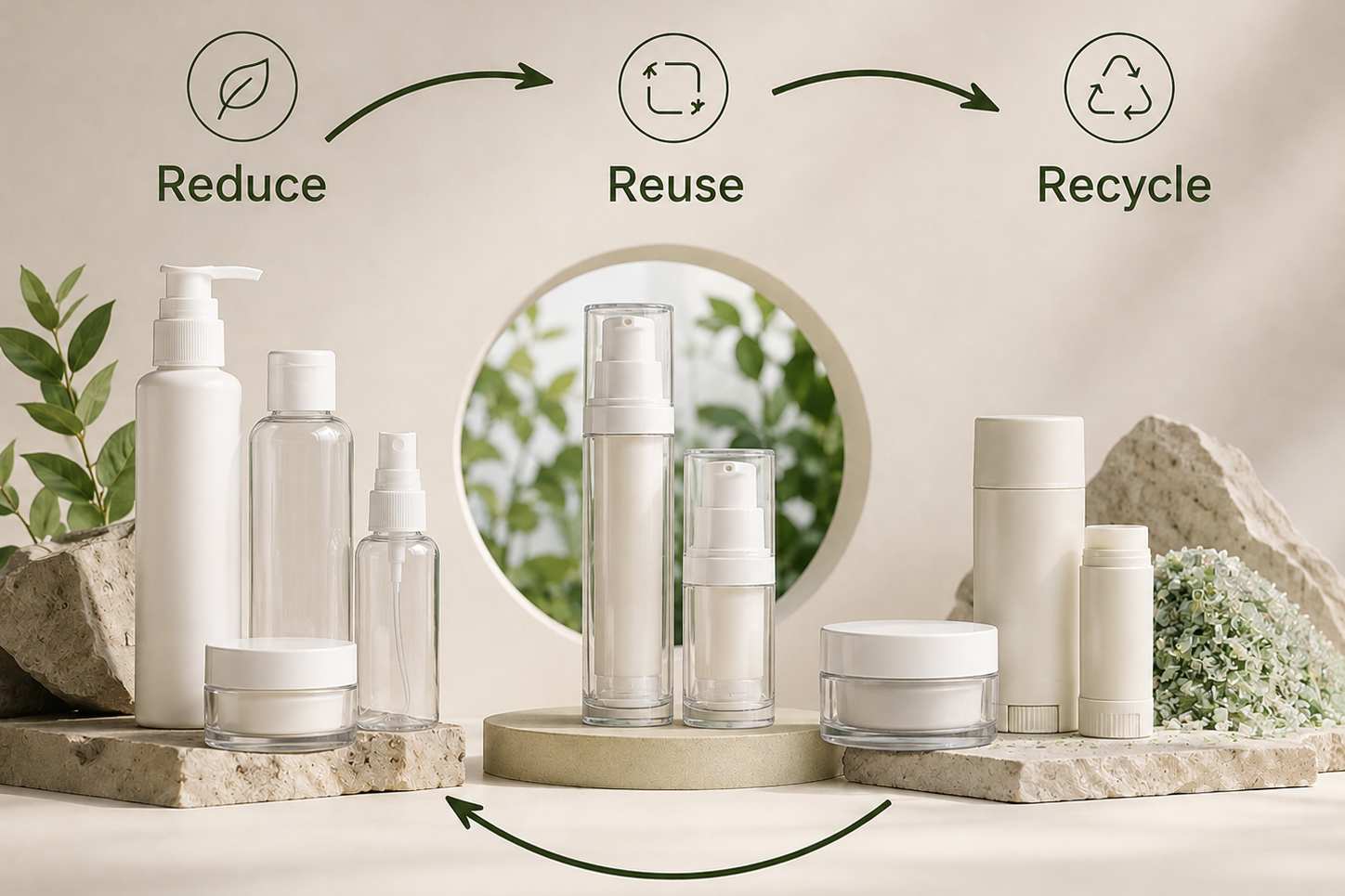
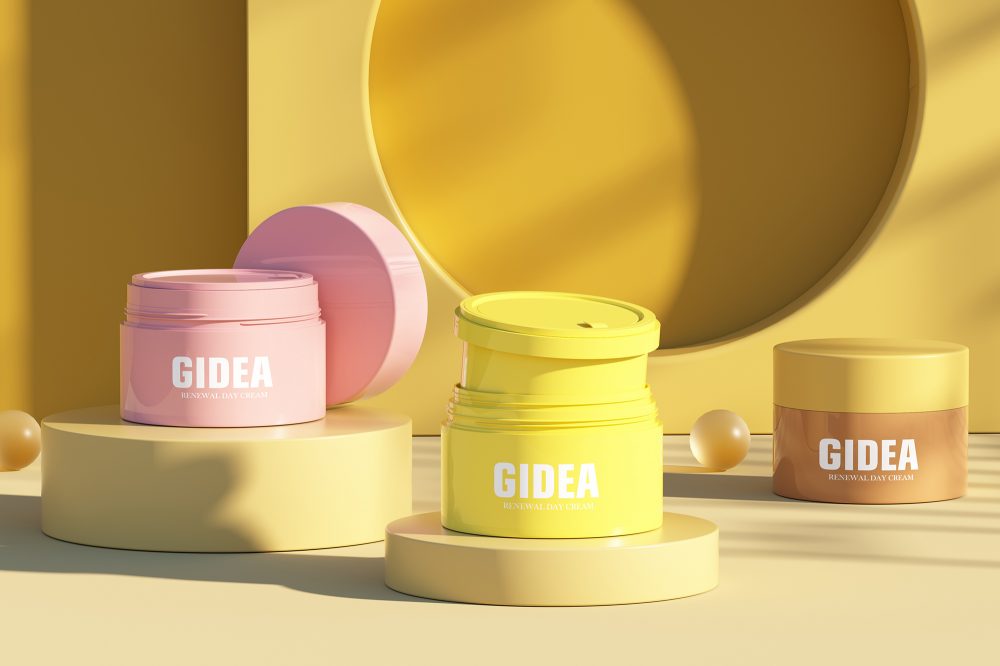
Keeping PCR packaging and other reusable beauty containers clean requires three simple steps: take them apart completely, wash them with warm soapy water, and sanitize them using 70% isopropyl alcohol. Good cleaning stops mold growth, harmful bacteria, and product breakdown in your refillable bottles. Leftover product will quickly ruin fresh makeup or lotion. You need to clean and sanitize every single part before you refill it.
Strong eco-friendly materials allow you to reuse containers safely if you care for them correctly. Tough glass jars can handle being washed over and over again. Newer PCR plastics and mono-materials also stay strong during normal cleaning routines. Keeping your containers clean protects your skin and helps your eco-friendly packaging last for a long time.
Key Takeaways
- Separate all the parts of the container fully before you begin cleaning them.
- Put the parts in warm, soapy water to soften any thick leftover cream.
- Disinfect plastic pieces using 70 percent isopropyl alcohol to destroy harmful bacteria.
- Let all bottle parts dry completely in the air before filling them with new beauty products.
- Cleaning your containers often keeps germs from growing and keeps your skin safe and healthy.
Why Cleaning Refillable Cosmetic Packaging Is Essential
Maintaining Product Safety and Packaging Hygiene Standards
Unwashed beauty bottles quickly gather harmful germs over time. Old lotions feed these tiny organisms inside dirty containers. Germs grow very fast in dark, damp pump stems. Forgotten leftover product creates a unsafe space for your daily skincare. Sanitizing your reusable bottles shields your skin from sudden rashes, bad redness, and painful infections.
Lab tests show the actual health danger of ignoring container hygiene:
- Two out of 14 tested items passed safe dirty limits, with germs tied to poor cleaning discovered inside reusable pump dispensers.
- Some items used weak preservative plans, like high pH levels with preservatives needing low pH to work, making them open to germ growth.
- Germ risks happen at many steps from factory making to store refilling, mostly in reusable bottles without strong washing habits.
Proper washing removes hidden mold before you pour in new formulas. Dirty nozzles can ruin brand-new product batches right away. Clean bottles keep the protective ingredients safe inside your favorite creams and serums. Strong cleaning habits keep your daily beauty items safe, fresh, and working well.
Extending the Lifespan of Reusable Cosmetic Containers
Regular care protects your money spent on reusable cosmetic bottle systems. Dried creams often block narrow inner pump tubes and straw parts. Hardened oils jam delicate spray tops over long time periods. Cleaning off sticky crust keeps moving parts working well without snapping. Clean pump pieces feel much less rubbing during daily pushing use.
Good washing also stops permanent stains and bad leftover smells inside your bottles. Strong beauty oils destroy plastic inner walls if you leave them alone for months. Careful sanitizing stops packaging materials from breaking down early under normal use. Smart container care keeps clear surfaces looking great and stays strong. You get years of reliable use from your sturdy refillable cosmetic bottles.
Step-by-Step Guide to Clean Refillable Cosmetic Packaging
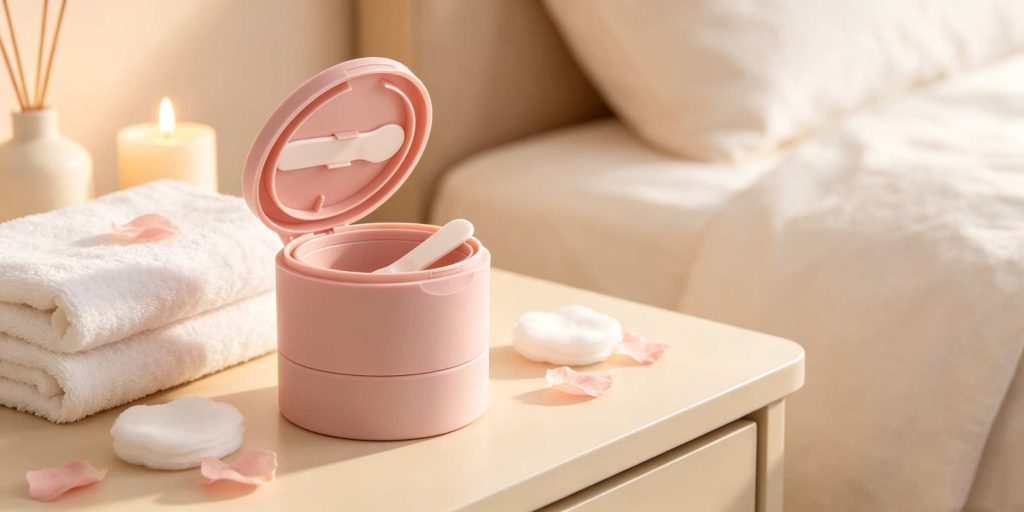
1. Disassemble Pumps, Caps, and Packaging Components
Separate the pump, cap, container, and other removable parts. This exposes areas where product residue may collect and makes each component easier to clean.
2. Remove Product Residue Before Washing
Empty the remaining formula and wipe away visible cream, oil, or dried product buildup. Pay extra attention to the pump opening, threads, and other areas where residue may collect.
3. Wash Containers with Warm Water and Gentle Soap
After removing the bulk of the residue, wash compatible packaging components with warm water and gentle soap. Rinse thoroughly to remove remaining product and cleaning solution.
4. Sanitize Packaging According to Material Type
Choose a sanitizing method based on the container, pump, and material specifications. Avoid excessive heat or incompatible chemicals that may damage seals, finishes, or other packaging components.
5. Allow Components to Fully Dry Before Reassembly
Place the cleaned components in a clean, dry area and allow them to dry completely. Reassemble only after all moisture has evaporated to help prevent contamination or formula dilution during refilling.
Cleaning Methods for Different Refillable Cosmetic Packaging Types
Cleaning Refillable Cosmetic Bottles and Pump Systems
Different packaging designs require specific washing approaches to stop thick lotion buildup. Mechanical pump systems need extra attention because small interior tubes easily hold onto old product formulas. Flushing clean warm water through the dip tube clears out lingering oils before deep washing. Careful rinsing prevents dried residues from clogging narrow liquid pathways inside the dispenser head.
Different industry sources offer recommendations regarding how often users should clean their packaging components:
| Source | Recommendation | Frequency |
|---|---|---|
| The Bottle Depot | Deep clean sprayer/pump parts to prevent clogs | Weekly or biweekly |
| Joie Designs | Deep clean refillable bottles at the end of each product cycle | Every refill (when product is finished) |
Following these regular cleaning schedules protects delicate inner valves from permanent mechanical failure. Users can clean and sanitize bottle internal channels with mild soapy solutions to maintain continuous fluid movement. Drying each part completely stops moisture from remaining inside the container base.
Sanitizing Cosmetic Jars and Cream Container Packaging
Wide-mouth cosmetic jars expose larger internal surface areas to open air during daily use. Facial creams often collect airborne dust particles and transfer bacteria from fingertips directly into open containers. Scraping out all remaining product remnants with a soft silicone spatula prepares the interior surfaces for complete washing. Rinsing the jar rim removes sticky residue that prevents caps from sealing correctly.
Modern light technology offers effective sanitization methods for cream containers without relying solely on hot water rinses:
- UV-C technology is implemented to sterilize primary packaging equipment and final products, directly addressing the sanitization of cosmetic cream jars.
- A study referenced in the article confirms that UV-C light effectively reduces microbial load on surfaces, including containers.
- The document explicitly mentions cosmetic jars contaminated with molds and states that proper UV-C exposure ensures products remain safe and uncontaminated.
Direct light rays destroy unwanted micro-organisms on smooth jar walls quickly without leaving behind chemical moisture. Sanitized container surfaces keep fresh beauty formulas pure and safe against early spoilage. Proper jar maintenance routines maintain strong hygiene standards and extend the usable life of high-quality reusable packaging systems.
Cleaning Stick Packaging and Reusable Applicators
Stick packaging and reusable applicators have different contact surfaces that require careful cleaning. Remove remaining product from the stick cavity and applicator head before washing compatible parts with a mild cleaning solution. Pay attention to grooves, edges, and dispensing areas where formula residue can collect.
Rinse thoroughly and allow each component to dry completely before reassembly. For reusable applicators, follow the material and product requirements to avoid damaging the surface or affecting future product performance. GIDEA offers stick packaging and applicator packaging as part of its cosmetic packaging portfolio, with customizable structures for different beauty applications.
How to Sanitize Different Cosmetic Packaging Materials
Sanitizing Plastic Packaging Without Material Damage
Different packaging options need specific liquid methods to remove stubborn surface germs completely. Spraying container parts with 70% rubbing alcohol offers a fast, reliable way to clean normal plastic surfaces. A mild 5% bleach mix also works well to sanitize water-safe plastic parts. You should avoid harsh chemical cleaners to protect your plastic items during normal washing routines. Bad chemical choices can bend thin walls, ruin small threads, or permanently cloud clear bottle finishes.
After using liquid sanitizers, every container piece needs enough time to dry in a clean space. You must let inner chambers, pump stems, and liquid droppers air-dry fully before adding fresh lotion. Leftover liquid drops inside closed tubes help bad germs and mold grow fast after you put the bottle back together. Fresh makeup spoils quickly when hidden wet spots stay trapped inside dark, unventilated bottle spaces.
Maintaining PCR and Sustainable Packaging Materials
Recycled plastics and eco-friendly materials need gentle care during deep cleaning steps. Heavy glass jars easily handle sitting in boiling water for five minutes for high-level germ removal without breaking. Recycled plastic pieces need gentle alcohol sprays or cool rinses instead of being exposed to high heat. Too much heat causes soft recycled plastics to bend, stretch, and lose their shape. Careful cleaning keeps green containers fully safe and ready for repeated long-term beauty use.
Regular care stretches the overall lifespan of modern reusable beauty packaging systems. You should clean and sanitize packaging pieces thoroughly between every single product refill. Complete surface drying stops sensitive green materials from trapping bad room germs inside small pump valves and caps. Smart, simple bottle care protects your personal skin health while supporting zero-waste beauty habits everywhere.
Best Tools and Solutions for Refillable Cosmetic Packaging Cleaning
Using Brushes and Tools for Hard-to-Reach Areas
Standard kitchen sponges cannot reach the narrow bottoms of reusable cosmetic packaging. Specialized mini brushes scrub hidden corners inside long bottle necks efficiently. Selecting the right brush design protects sensitive container walls during routine hygiene practices. Proper tool selection prevents accidental scratches on clear inner plastic surfaces.
Cleaning narrow containers requires tools built with specific features:
- Design tailored specifically for small containers such as cosmetic bottles
- Ultra-soft silicone bristles that are hypoallergenic and lint-free to avoid scratching surface walls
- Detachable design featuring a brush head and handle for compact storage and easy cleaning
- Ergonomic TPR grip that remains non-slip even with wet hands
- Compact size measuring 20 cm assembled and 12 cm disassembled
- Antibacterial coating and quick-drying material to resist mold growth
Small tools remove stubborn product buildup from inside tiny packaging parts. The ultra-soft bristles scrub away thick creams without leaving deep scratches on internal walls. These specialized items ensure complete removal of old residues from tight areas and narrow openings. Clean internal surfaces keep fresh skincare products safe during every daily beauty routine.
Choosing Safe Cleaning Products for Cosmetic Containers
Selecting mild cleaning agents protects reusable cosmetic containers from early physical damage. Gentle dish soaps remove thick oil layers easily from interior walls. Neutral liquid detergents break down old lotion residue without harming clear container surfaces. You can clean and sanitize reusable packaging safely by using these non-abrasive soap solutions regularly. Strong industrial solvents will cloud clear plastics, dissolve protective surface coatings, and weaken internal rubber seals over time.
Rinsing every piece thoroughly with clear warm water removes leftover soap films completely. Lingering soap residues can mix with fresh cosmetic formulas and cause unexpected skin irritation. Mild natural soaps rinse away quickly without leaving heavy artificial scents behind inside closed chambers. Clean packaging components dry much faster when free of sticky chemical films. Smart soap choices protect container materials, maintain long-term product purity, and ensure safe daily application for consumers.
Frequently Asked Questions About Refillable Cosmetic Packaging
How Often Should Refillable Cosmetic Packaging Be Cleaned?
Clean refillable cosmetic packaging after each refill cycle to remove product residue and maintain packaging hygiene. Always follow the cleaning requirements of the specific material and product.
Can PCR Cosmetic Packaging Be Sanitized and Reused?
Yes, suitable PCR cosmetic packaging can be cleaned and reused when designed for refill applications. However, the cleaning method should match the PCR material and packaging structure.
What Is the Best Way to Clean Pump Cosmetic Containers?
Empty the container, rinse the bottle and pump with a suitable cleaning solution, and let all components dry completely before refilling. Avoid methods that could damage the pump or seals.
How Long Can Refillable Cosmetic Packaging Be Reused?
Reuse life depends on the material, pump system, cleaning process, and usage frequency. Inspect containers regularly and replace them when cracks, deformation, or damaged components appear.
Our Refillable Cosmetic Packaging Solutions
Custom Refillable Bottles and Containers for Beauty Brands
GIDEA leads as a top packaging maker and supplier for global beauty brands. We create custom refillable systems that build a clean, low-carbon future. These reusable options help companies shrink their pollution footprint and keep shoppers coming back for more. Complete lifecycle studies prove that reusables beat old single-use containers in saving our planet. Eye-catching reusable designs also give brands a great story for their environmental reports.
Moving to circular products brings quick money savings and green wins for cosmetic makers. Switching to refill systems lets beauty brands slash overall carbon emissions by 85% by using fewer raw materials and lighter shipping. Current shopping data also shows that customers really want eco-friendly containers today:
48% of customers may not reorder due to un-eco-friendly packaging, and 52% are more likely to reorder if packaging is sustainable.
Sustainable Materials for Reusable Cosmetic Packaging
Specialized packaging choices from GIDEA use tough materials built for constant washing. We craft containers using strong PCR plastics, clear PET, plant resins, and easy-to-recycle mono-materials. These smart choices help skincare lines keep their bottles totally clean without weakening the container walls over time.
Swapping out new plastics for recycled PCR cuts factory energy needs and greenhouse gases big time:
| Plastic Type | Energy Reduction | Emission Reduction |
|---|---|---|
| PET | 79% | 67% |
| HDPE | 88% | 71% |
| PP | 88% | 71% |
Real data helps beauty brands improve their container builds and selling plans each year. Skincare teams track success by counting refill sales, customer loyalty, and total packaging waste saved. Sharing these clear green results builds real trust and helps shoppers join circular refill programs happily.
Packaging Design and Manufacturing Support Services
GIDEA supports projects from packaging design and mold development through prototyping, testing, and mass production. Engineering and manufacturing teams help brands move from approved concepts to consistent production, with quality control and packaging specifications managed throughout the process.