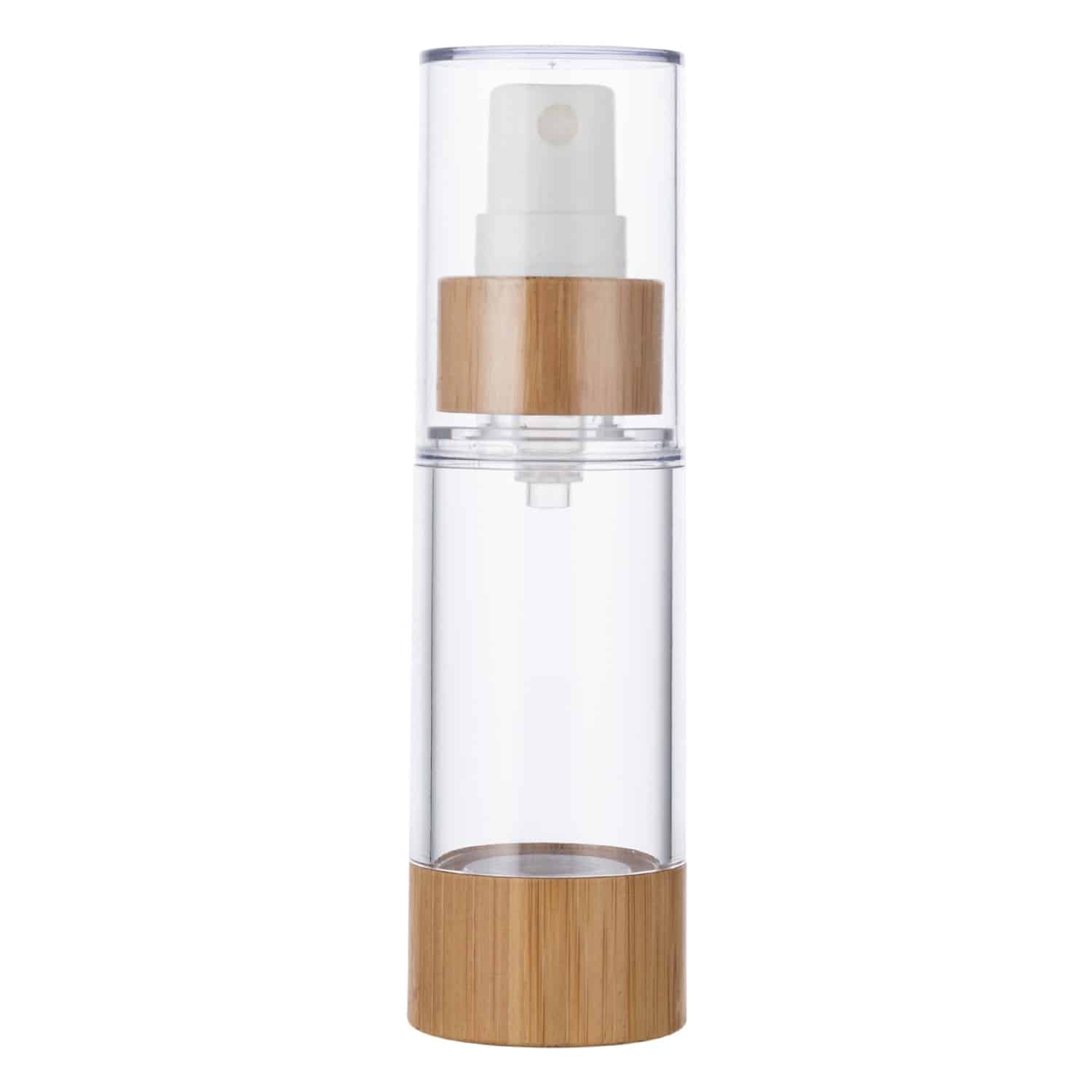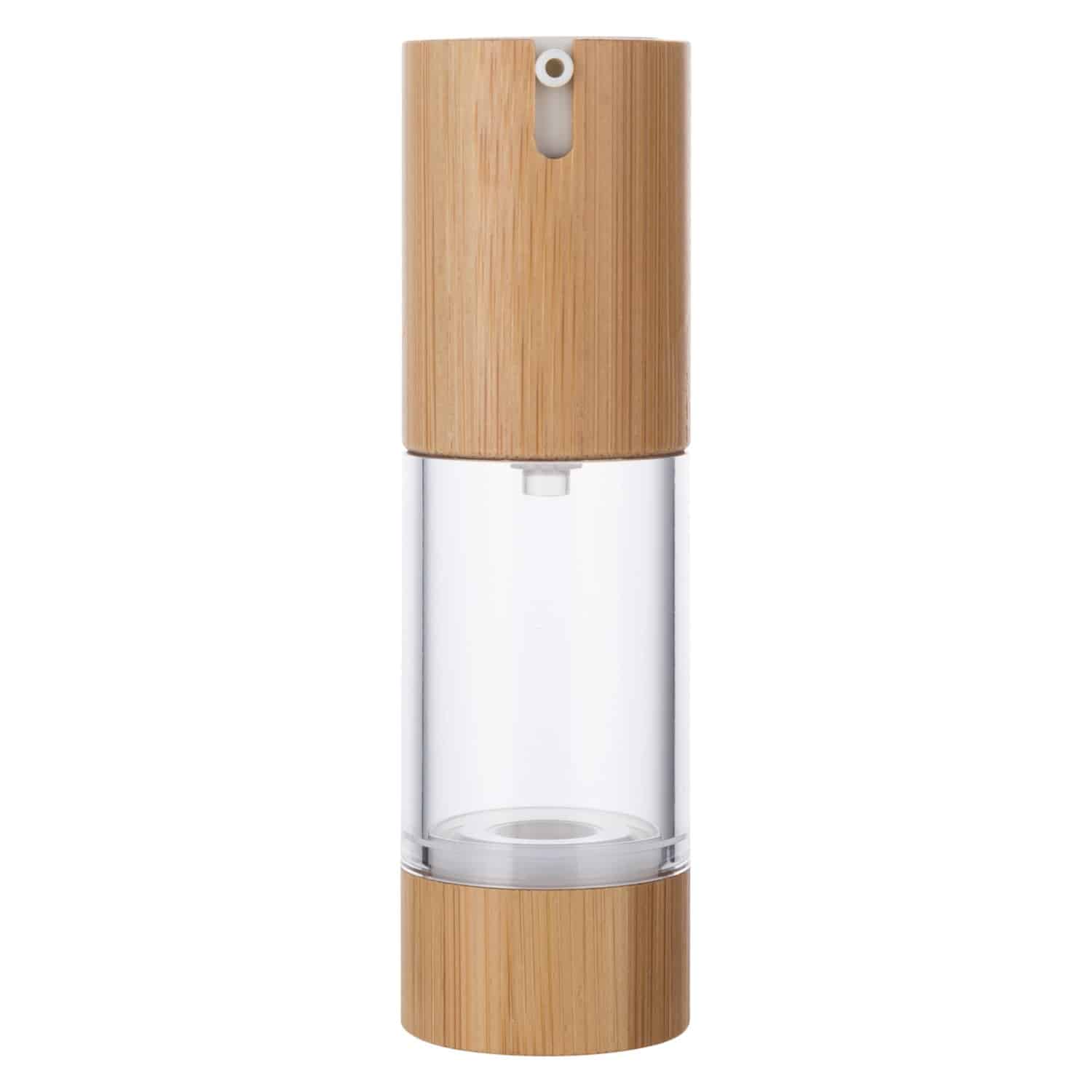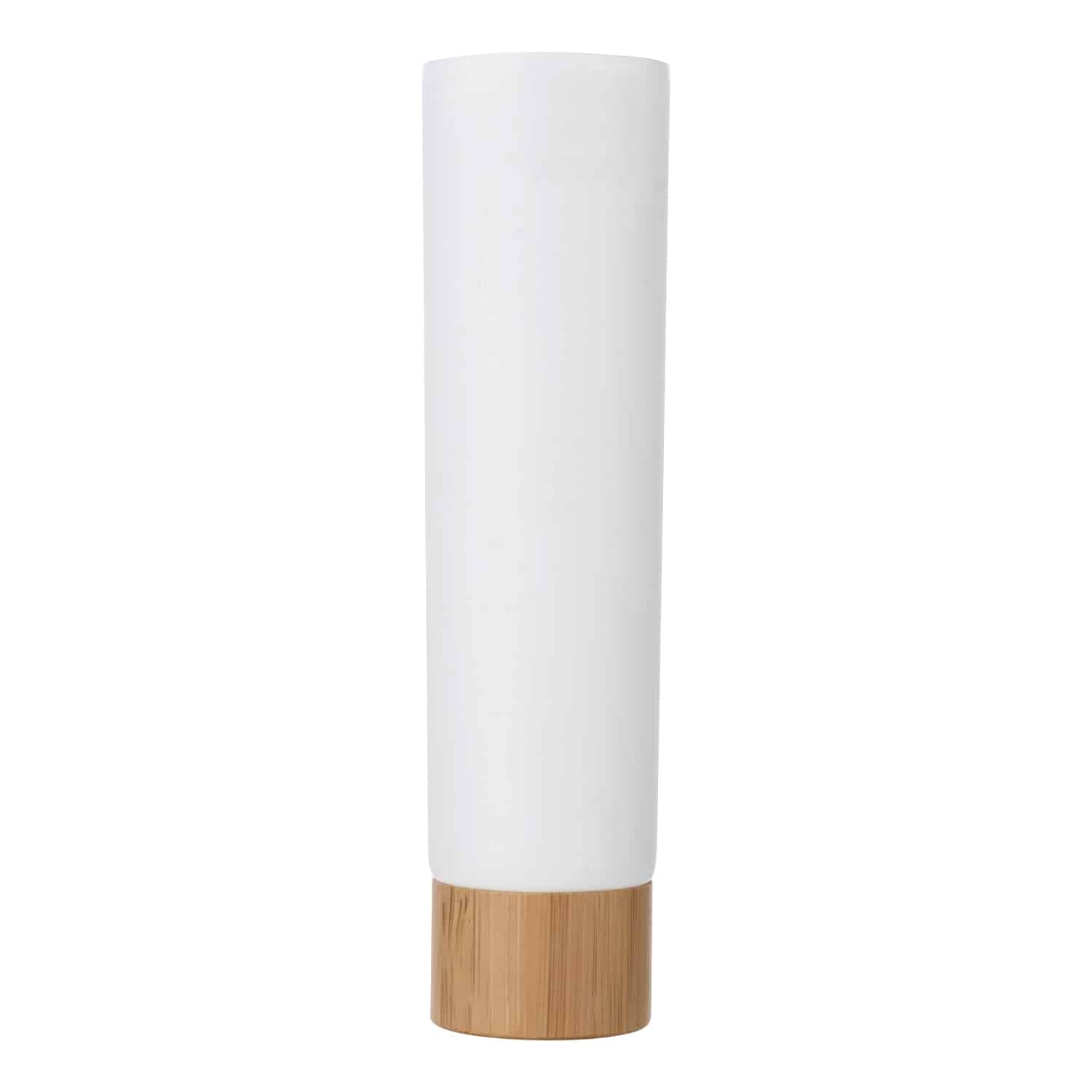
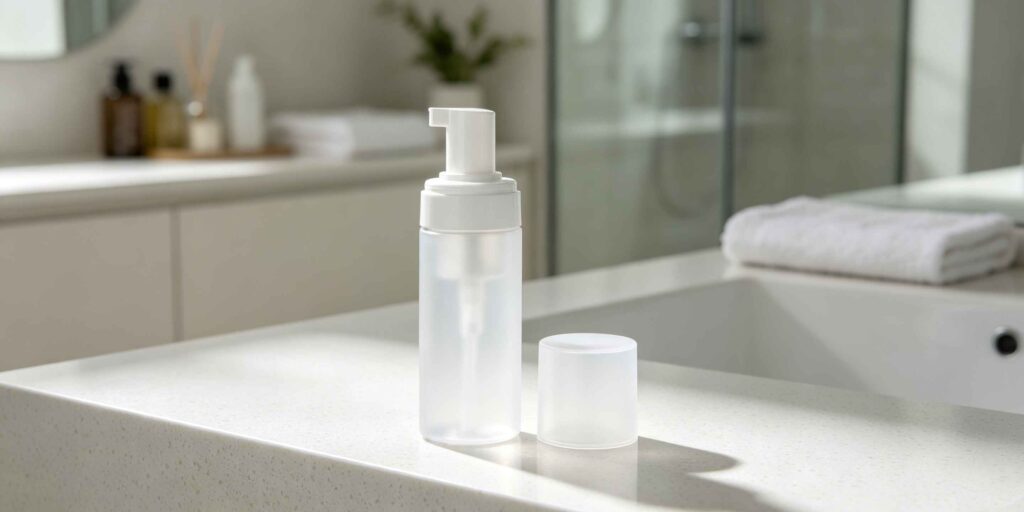
Pouring thick beauty products into small travel containers usually makes a mess and wastes lotion. You can Fill Lotion Bottles cleanly by using three simple methods: the funnel and heat trick, the piping bag method, and hand-operated filling tools or pumps. These clever tricks help you push thick liquids into tiny bottle necks or eco-friendly post-consumer recycled (PCR) squeeze tubes.
| Lotion Type | Viscosity Range (cP) |
|---|---|
| Moisturizer (lotion) | 5,000 – 15,000 |
| Sunscreen (lotion) | 5,000 – 30,000 |
Thick creams need the right pouring tools because of these high thickness levels. Picking the best filling method keeps your bottle openings clean, speeds up your work, and stops you from wasting lotion while packing.
Key Takeaways
- Warm lotions flow easily through funnels and small spouts, which makes hand filling clean for small groups of containers.
- Using a piping bag fills squeeze tubes from the bottom, which stops air bubbles and keeps the bottle neck clean.
- Automatic piston machines fill hundreds of lotion bottles each minute with high speed and exact liquid accuracy.
Preparing Lotion Bottles Before Filling Process
Cleaning and Inspecting Bottles Before Lotion Filling
Clean containers form the foundation of safe cosmetic packaging. Always wash your bottles completely before you start filling them. Dust, dirt, and small bits ruin fresh liquid products very fast. Carefully check every bottle for cracks, sharp edges, or blocked top openings. Broken bottles leak easily and spoil the neat look of your finished products.
Your choice of bottle material also affects product safety and quality. Warm-safe glass or bottles made with PCR packaging materials stay strong during warm filling steps. Light heat thins out thick cream, helping it flow easily through small funnels and tight spots. Slightly heating your product lowers fluid thickness without melting sturdy glass or PCR plastic bottles. Always make sure your containers can handle warm temperatures before pouring liquids inside.
Choosing Suitable Filling Methods Based on Lotion Types
Picking the right filling method depends mostly on your product’s thickness. Fluid thickness controls how easily lotion moves through tubes, nozzles, and funnels. Thin body milks pour quickly, while heavy body butter needs more pushing power to move. Matching your tools to liquid thickness stops big spills, crushed bottles, and wasted lotion during daily work.
| Viscosity Level | Recommended Machine Types | Key Considerations |
|---|---|---|
| Light (low viscosity) | Linear machines, high‑speed rotary with anti‑foam measures | Easy flow, but risk of foaming at high speeds |
| Medium | Linear or rotary machines with precise dosing | Requires controlled pumping to avoid over‑ or under‑fill |
| Thick (high viscosity) | Automatic piston machines, rotary machines | Piston pumps handle dense creams without dripping or breakage |
Piston pumps move heavy creams safely through cosmetic pump bottles without making messes or breaking containers. At the same time, watery liquids work best on linear systems built with anti-foam features. Dosing pumps handle middle-thickness lotions to stop over-filling mistakes entirely. Matching your gear to product thickness creates high filling accuracy and keeps bottle tops clean every time.
Method 1: Filling Lotion Bottles with Funnel and Cup
Small cosmetic containers need careful handling during production. The funnel and cup technique provides a simple low-cost solution for hand-filling personal care products. This classic transfer process works exceptionally well when you Fill Lotion Bottles with narrow necks. Small brands often choose this approach for travel-sized containers and eco-friendly post-consumer recycled (PCR) squeeze tubes.
Steps for Using Measuring Cup and Funnel Filling Method
Proper preparation guarantees a clean transfer without air bubbles or liquid overflow. You need a heat-safe measuring cup with a narrow pouring spout, a clean funnel, and your target containers.
- Warm your product in a warm bath to make the lotion runnier.
- Put the small stem of the funnel into the tube opening.
- Slowly pour warm cream from the cup spout right through the funnel center.
- Gently tap your container on the table to shake out trapped air.
This manual method keeps the container neck clean and prevents messy spills around the cap threads. Eco-friendly squeeze tubes feature flexible plastic walls that squeeze easily, but their narrow openings make direct pouring difficult. A funnel guides the thick product past the narrow rim straight to the bottom of the tube. Tap the container often during the process. Tapping releases trapped air and pushes the thick cream downward.
Additionally, heat-safe glass or PCR plastic containers withstand warm liquid temperatures without warping. Using a spouted cup gives you total control over the pouring speed. You can stop the flow instantly if the funnel fills up too quickly. This simple workflow minimizes wasted product, protects your packaging, and maintains high standards for small production batches.
Method 2: Filling Lotion Bottles with Piping Bags
Piping bags offer a flexible way to move thick products into squeeze tubes and narrow travel bottles. Bakers use piping bags for thick frosting. You can use the same technique to Fill Lotion Bottles when funnels get clogged by dense creams.
How to Fill Thick Lotions Using Piping Bag Technique
First, scoop your lotion into a durable plastic or silicone piping bag. Push the cream down toward the pointed tip to remove big air pockets. Next, snip the bag tip with clean scissors. You must cut the tip opening to match the exact size of your container neck. This step lets the thick liquid flow directly into narrow openings without smearing cream onto the outer bottle threads.
This technique works exceptionally well for eco-friendly squeeze tubes and small travel containers. Squeeze tubes have soft walls and tight top openings. Placing the nozzle deep into the tube allows you to fill from the bottom upward. This bottom-up fill prevents trapped air bubbles and reduces product waste during hand assembly.
As your small business grows, manual piping bags may become too slow for high order volumes. You can upgrade your process using semi-automatic tools. Lever-action piston fillers and gallon jug pumps streamline bulk production for small operations. A simple hand-lever piston pump dispenses an exact dose of heavy cream with a single press. These benchtop tools speed up your workflow while maintaining neat bottle necks.
Scalable filling processes also require reliable packaging. Selecting high-quality containers prevents leaks and maintains a clean presentation for your customers. GIDEA provides sustainable cosmetic containers built from eco-friendly materials. Every unit undergoes a strict 100% leak test to ensure complete seal integrity. Pairing accurate filling tools with dependable containers guarantees smooth production runs for your growing beauty brand.
Method 3: Filling Lotion Bottles with Filling Machines
Growing cosmetic brands eventually outgrow hand pouring methods. High sales volumes demand faster tools to finish orders quickly. Special machines handle dense creams and thin liquids with great accuracy. Modern filling equipment delivers steady liquid amounts, protects product cleanliness, and lowers labor costs during long work shifts.
Using Filling Machines for Large Scale Lotion Production
Small workshops usually begin production with simple tabletop tools. Manual tabletop fillers offer easy operation without tricky electrical setups. Small business owners balance basic equipment costs against total daily output.
- Manual fillers cost only a few hundred dollars, making them a cheap choice for small teams with low output goals.
- Manual fillers are budget-friendly and quick to set up, but they offer slower filling speeds and uneven product levels.
- Manual units cost less than automatic machines, but they require more physical labor and produce fewer finished items overall.
Commercial plants need automatic rotary or straight-line filling equipment for bigger production runs. These industrial machines use air-powered pistons to pull thick cream from top tanks straight into containers. Digital touch screens let workers set exact liquid amounts for every fill cycle. Special lowering nozzles go deep inside bottle necks to stop air pockets and messy liquid splashes.
The filling speed is approximately 30-70 bottles per minute, depending on the material and bottle size.
Industrial gear maximizes daily work output for large-scale beauty operations. Reliable measuring pumps save money by cutting down on liquid waste across thousands of packaging units. Automated lines also protect product quality by limiting physical contact during packaging. Using these smart mechanical systems lets growing beauty companies Fill Lotion Bottles with high accuracy and reliable speed.
Comparing Three Lotion Bottle Filling Methods
Picking the best filling style protects your liquid quality. You can Fill Lotion Bottles fast by matching your work steps to your daily output goals.
Choosing the Right Method Based on Production Needs
Small beauty companies must check simple tool details before buying any gear. Liquid thickness controls how much push you need to move thick creams into bottles. Container match also matters when you fill classic glass jars or soft squeeze tubes. You should also check filling exactness so your product amounts stay steady.
New brands often pick semi-automatic filling machines for smaller jobs. These benchtop units add easy automation while keeping everyday steps simple for your team.
- Semi-automatic tools cost between $3,000 and $7,000, which keeps them cheap for small shops.
- These machines fill 50–100 bottles every hour to keep flexible filling lines moving.
- Small machine shapes save extra workspace inside smaller production rooms.
- Different spout sizes adjust quickly to fit various bottle top openings.
- Strong 316L stainless steel parts keep lotion clean during every fill step.
Comparing Speed Accuracy and Filling Efficiency
Every packing trick gives clear results for different output needs. Simple funnels and piping bags work fine for small homemade beauty batches. However, large factory machines deliver unmatched filling speed for big cosmetic plants.
| Method | Speed | Best Application |
|---|---|---|
| Hand Filling (Funnel / Piping Bag) | Low batch output | Sample batches and small travel squeeze tubes |
| Linear Multi-Head Filler | 200–300 bottles per minute | Large-scale linear packaging lines |
| Rotary Filler | >300–400 bottles per minute | High-speed industrial factory production |
Automatic gear cuts down product waste by measuring every liquid fill correctly. Deep nozzles reach low into bottle openings to stop air bubbles during fast fills. Built-in wash setups save extra time during cleanup and product switches. Picking good tools helps beauty brands Fill Lotion Bottles cleanly while maintaining high quality in every container.
Tips for Preventing Lotion Filling Problems
Avoiding Spills and Product Waste During Filling
Smart planning helps beauty brands move liquids into containers without making sticky messes. Worker tiredness and changing speeds during hand pouring make liquid levels uneven. These simple mistakes waste extra ingredients, cost real money, and leave bottles half empty. You can Fill Lotion Bottles with great accuracy by managing your pour speed and keeping temperatures steady. Heating delicate ingredients too much ruins their smooth texture and reduces their helpful strength over time.
Dense creams also block dirty equipment when machines run without daily care. Blocked tips drop liquid onto outer bottle sides, sticky labels, and moving factory belts. Furthermore, fast pouring traps big air bubbles and creates foam inside containers. Trapped air ruins smooth cream textures, weakens cap seals, and causes annoying container leaks. Installing special anti-foam nozzles and using smooth pump pressure fixes bad filling accuracy across long work shifts.
Maintaining Clean Bottle Necks After Filling Process
Leftover cream around container tops causes major quality problems for beauty makers. Spilled lotion clings to screw lines, stopping caps from sealing correctly. This sticky cream buildup causes bad shipping leaks and ruins pretty outer product labels. Neat container rims shield the freshness, safety, and clean look of your finished skin items.
Easy tool tweaks keep bottle openings spotless during the whole packing process. Filling tubes must drop far down inside container tops to fill bottles from the bottom up. Filling from the bottom stops lotion from splashing onto outer bottle rims and moving belt lines. Correct belt line setup also stops bottle tips, messy spills, and slow work delays. Washing tip ends often clears away dry lotion buildup before random drops fall onto clean bottle tops.
Frequently Asked Questions About Lotion Bottle Filling
What Is the Best Way to Fill Lotion Bottles?
The best method depends on the lotion viscosity, bottle design, filling volume, and production quantity. For consistent results, the filling process should match the product formula and container opening while minimizing air pockets and product waste.
Can Thick Lotion Be Filled Without a Machine?
Yes, small batches of thick lotion can be filled manually with suitable dispensing tools. However, thicker formulas require controlled pressure and accurate dosing, so automated equipment is generally more practical for consistent production.
Which Filling Method Works Best for Large Production?
Automated filling systems are usually preferred for large production because they provide faster throughput and more consistent filling volumes. The equipment should be selected according to the lotion’s viscosity, container size, and required output.
How Do Manufacturers Fill Cosmetic Lotion Bottles?
Manufacturers typically prepare the lotion, feed it into a filling system, dose the required amount into each bottle, and then complete capping and quality checks. GIDEA supports cosmetic packaging manufacturing with stable production lines and quality control for consistent packaging supply.
Our Lotion Bottle Packaging Solutions for Brands
Custom Lotion Bottles Designed for Cosmetic Products
Picking a great packaging partner changes how your items look. GIDEA is a top maker and wholesale seller of custom lotion bottles for modern beauty brands. Studies reveal that container designs affect 60 to 70 percent of buyer choices. Thin bottle necks suggest high-end luxury, but wide bottles show daily usefulness. Unique custom shapes give your brand a clear edge that rival makeup lines cannot match easily.
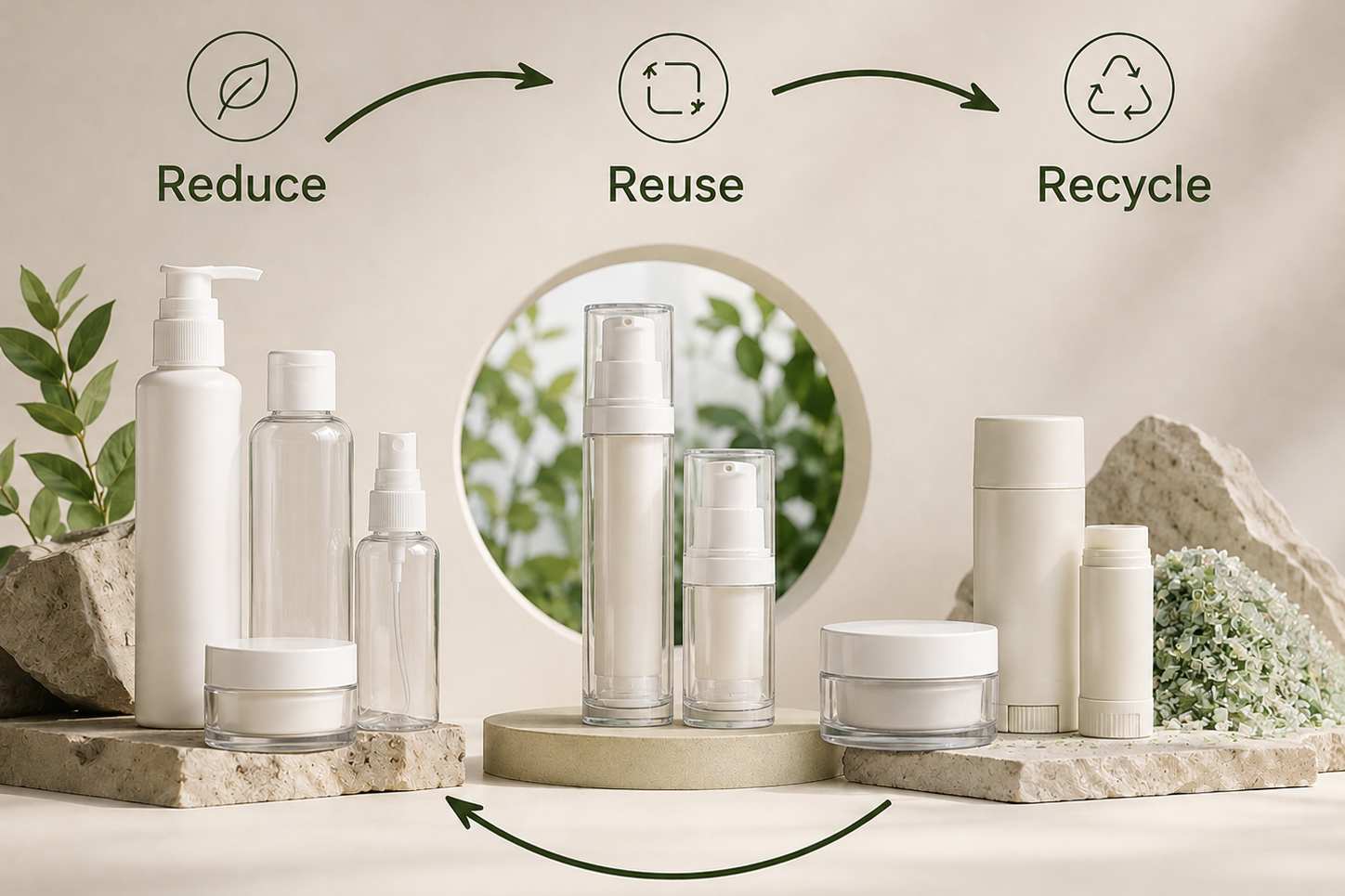
Post-consumer recycled (PCR) plastics offer big green benefits for today’s cosmetic jars. Using PCR plastic cuts down on trash going into local landfills. It also stops the need to dig up extra fossil fuels from the earth.
Compared with older materials, PCR soft packaging cuts fossil fuel use by 65 percent. It drops carbon emissions by 76 percent and lowers water use by 78 percent. It also creates up to 87 percent less landfill trash.
Packaging Support from Design to Manufacturing
GIDEA makes creating products easy, from early design ideas to final factory runs. In-house design teams create quick 7-day test samples. This helps you test bottle performance before starting full factory production. This complete support speeds up global sales, lowers business risks, and keeps your brand looking consistent in world beauty markets.
Centralized systems also simplify compliance management. Rather than chasing documents from multiple suppliers, brands access harmonized technical files, declarations, and test reports from a single partner.
Eco-friendly choices match what modern shoppers want today. About 61 percent of American buyers view green packaging as a key reason to shop. Meanwhile, 50 percent rate green habits as a top five value choice. Earth-friendly options save money by cutting material waste and avoiding heavy plastic taxes. Every custom bottle passes a strict 100 percent leak test to guarantee great results during fast lotion filling.
Selecting the best technique to Fill Lotion Bottles depends on product thickness, container neck size, and overall production volume. Funnels and piping bags help small beauty brands handle dense creams and narrow squeeze tubes cleanly. Industrial piston machines deliver high speed and precise liquid dosing for large commercial packaging batches.
Clean filling practices protect lotion quality, optimize product shelf life, and stop wasteful spills. Keeping bottle necks completely clear prevents liquid leaks and maintains reliable cap seals. Combining smart transfer methods with sustainable packaging like post-consumer recycled PCR squeeze tubes reduces material waste and improves daily operational efficiency for modern cosmetic brands.