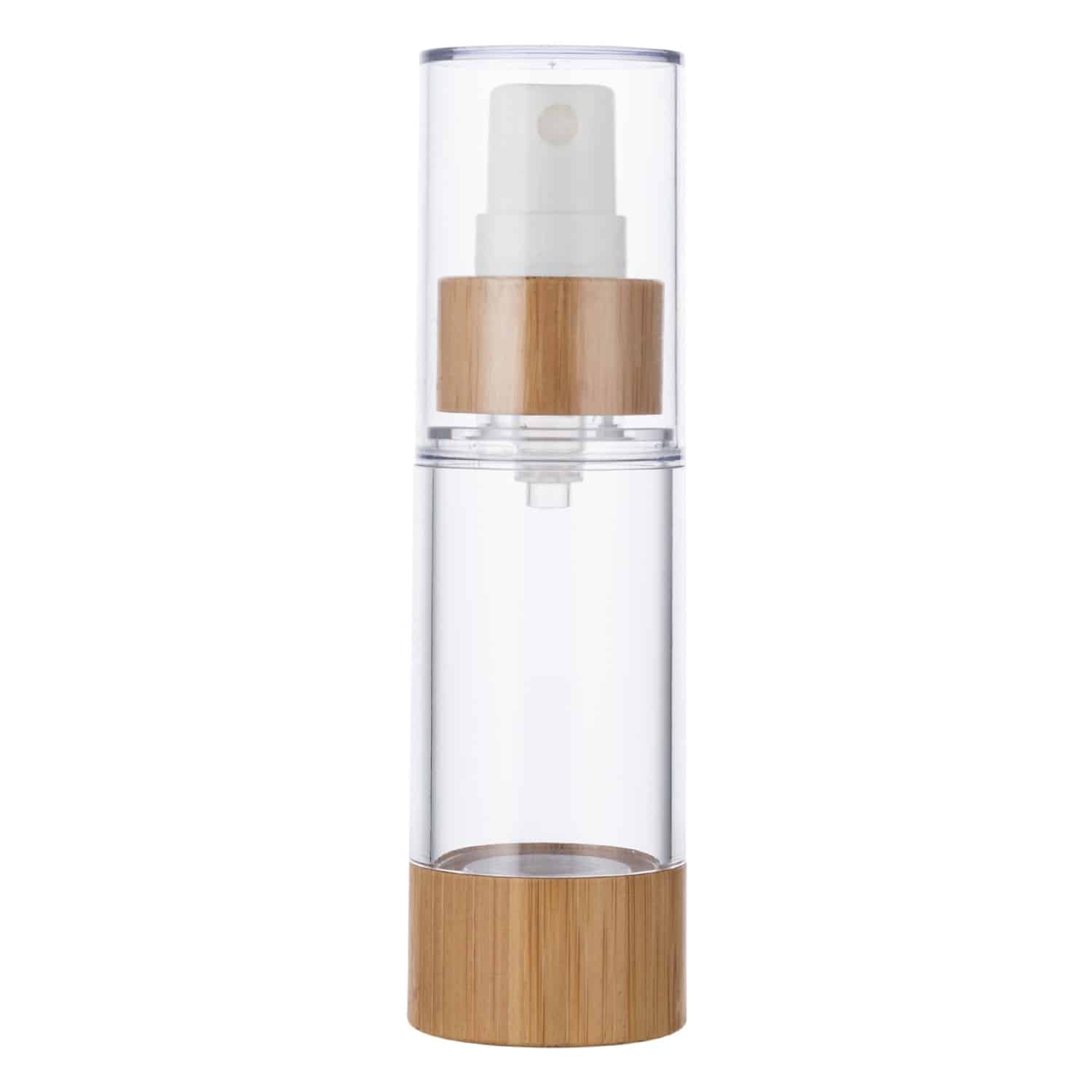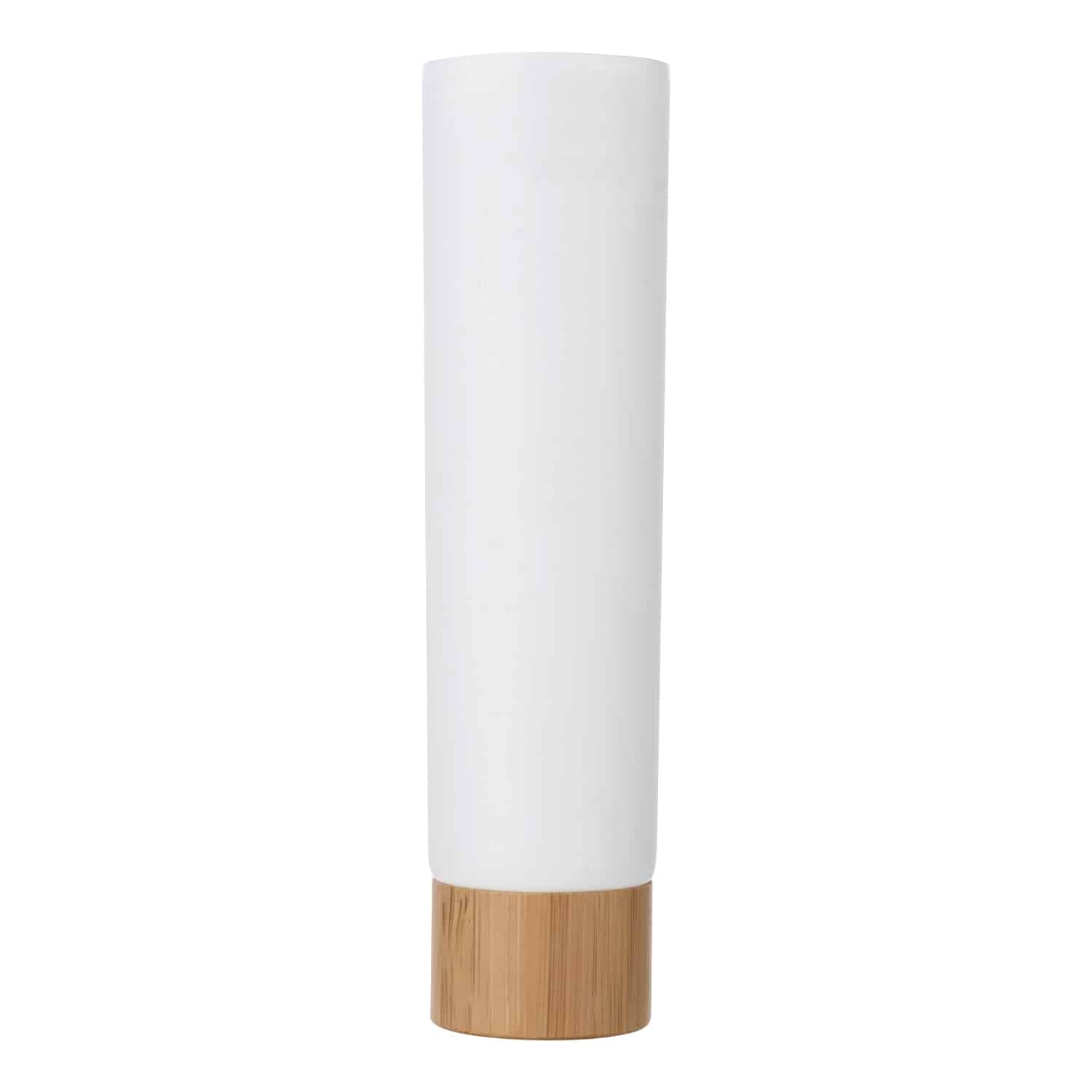
Mono-Material Packaging uses just one plastic type. It may use 100% polyethylene or polypropylene. This design removes sorting problems in recycling centers. So, it really helps global recycling goals. Today, packaging engineers face tough technical barriers. Brand managers also face regional processing gaps. Still, using single-polymer options is very key. It helps meet Extended Producer Responsibility rules. It also brings high-value circularity to markets.
| Metric Category | Data Details |
|---|---|
| 2024 CPG Transition | 68% transitioned |
| 2024 Market Volume | 21 million metric tons |
This smart change helps brands build good systems. These compliant systems bring long-term recycling success.
Key Takeaways
- Single-material packaging uses one plastic type. This makes local recycling very fast. It is also quite simple.
- Single-material packaging cuts carbon outputs. It also helps companies follow green laws worldwide.
- Engineers build strong one-plastic bottles. They also make pumps. These items guard products. They do not need extra layers.
- Pure plastic packaging helps closed systems. It keeps good materials out of landfills.
What Is Mono-Material Packaging and Why Does It Matter?
Traditional packaging often combines multiple plastics, foils, and adhesives to improve barrier performance, but these mixed materials are difficult to separate during recycling. Mono-material packaging solves this issue by using a single plastic type, such as polyethylene or polypropylene, for key components like cosmetic bottles, caps, pumps, and labels. This simplified structure allows recycling facilities to identify and process materials more efficiently, creating cleaner recycled plastic for new packaging applications.
As global recycling regulations become stricter, brands are increasingly adopting mono-material solutions to reduce waste and improve sustainability performance. Single-polymer designs also provide more consistent melting behavior during recycling and manufacturing, helping maintain material quality. For cosmetics, food, and consumer goods industries, mono-material packaging offers a practical way to create recyclable containers while supporting circular economy goals and reducing environmental impact.
Key Benefits of Mono-Material Packaging Solutions
Simplifies Recycling Through Single Material Structures
Single-polymer designs remove extra sorting steps. Plants process matching plastics fast and well.
This simple setup helps make new packages. Facilities recycle bottles and films without dirt.
Reduces Environmental Impact and Material Waste
Using one plastic type cuts total waste. Top leaders like GIDEA build smart items. They make all-polyolefin pumps and mono-material cosmetic containers. They also create stick packages and pouches.
A 2024 European Commission study shows lower carbon:
- Moving from mixed layers to mono-material polypropylene (PP) lowers carbon by 16% to 20%.
Supports Circular Economy Packaging Development
Engineers mix single-polymer builds with Post-Consumer Recycled (PCR) resins. This smart mix helps global circular factories.
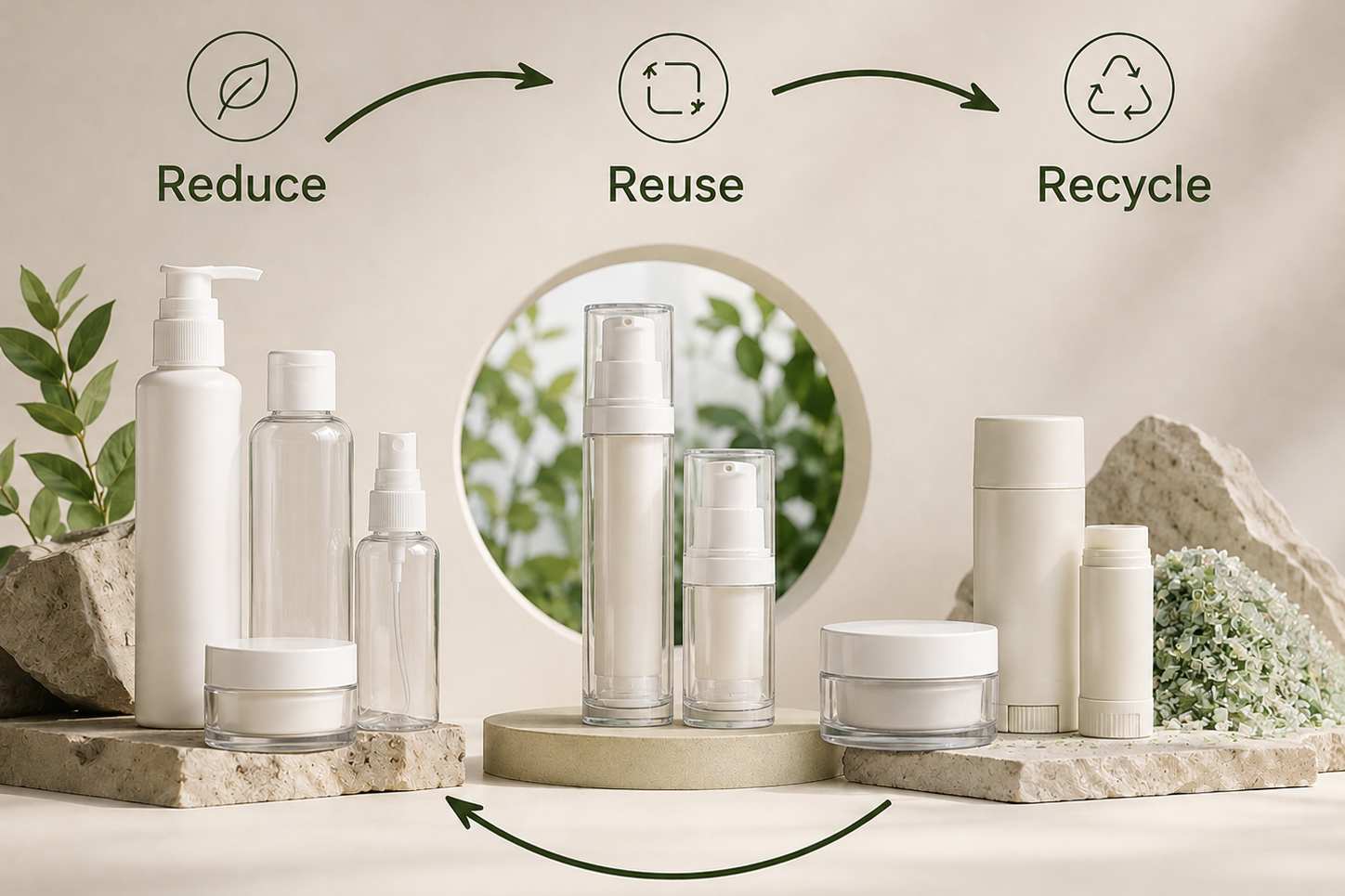
These cool designs support the 3R & 1B rule. It means Reduce, Reuse, Recycle, and Biodegrade.
Improves Brand Sustainability and Consumer Appeal
Single-plastic packaging helps beauty brands follow rules. Custom options let suppliers make modern items.
Green containers build strong trust in stores. Buyers love smart choices that save resources.
Enhances Packaging Recovery and Waste Management
Garbage systems collect pure single-polymer containers easily. Plants melt these parts into pure resin.
Big buyers get steady recycled plastic supplies. This good plastic stays out of landfills.
Common Materials Used in Mono-Material Packaging Design
Mono-PP Packaging for Beauty and Personal Care Products
Polypropylene works well for cosmetic jars and caps. It is light with low density. It fights damage from formula ingredients. It handles high heat up to 140°C.
Suppliers make mono-material pumps with it. Standard pumps use metal springs inside. All-polyolefin pumps remove metal to ease recycling.
- Lightweight Composition: Has low density. This reduces total shipping weight.
- Material Structure: Removes metal parts completely. Fits Resin Identification Code ♻️ No.5 streams.
- Consumer Preference: Research shows a clear trend. 72% of buyers want sustainable packaging.
Mono-PE Packaging for Flexible Packaging Applications
Polyethylene films replace old multi-layer foils. Pure polyethylene builds squeeze tubes and pouches. Brands like its smooth, flexible feel.
Makers combine different grades of one resin. Low-density plastic adds good flex. High-density plastic adds needed stiffness. This design keeps pouches easy to recycle.
Mono-PET Packaging for Bottles and Containers
Polyethylene Terephthalate gives clear strength to containers. Suppliers make clear mono-PET packaging bottles. The single resin protects products very well.
| Criteria | Clear Mono-PET Packaging | Alternative Multi-Material Packaging |
|---|---|---|
| Sorting Compatibility | MRF machines sort it with ease. Optical tools scan it quickly. | Mixed parts confuse optical scanners. This causes frequent bad sorting. |
| Recycling Stream Impact | One polymer keeps streams much cleaner. | It adds dirt to plastic. This lowers recycled resin quality. |
Plants process clear mono-PET jars with ease. High demand for recycled resin helps brands. They reach circular goals very quickly.
How Mono-Material Packaging Compares With Traditional Designs
Differences Between Mono and Multi Material Packaging
Engineers compare old layers with new designs. They choose mono-material packaging for green goals. This chart shows key differences:
| Parameter | Traditional Multi-Layer Laminates | Mono-Material Films |
|---|---|---|
| Structural Composition | Uses two to five mixed materials. Examples are plastic and foil. | Made with one plastic family. |
| Recyclability & End-of-Life | Hard to recycle. It goes to landfills. | Easy to recycle. Drop it off at stores. |
| Barrier Protection | Uses foil. It blocks air and wetness. | Uses coatings and special films. |
| Machinability | Works well on standard machines. | Works fine after small heat tweaks. |
| Upfront Cost | Costs less per square inch. | Costs a bit more. New fees close the gap. |
| Circular Economy Integration | It fails circular systems. | Built for full circular reuse. |
CPG brands change using simple pathways. Makers like GIDEA offer free support. Teams make samples in 7 days. Wholesale sellers make custom shapes.
Why Mixed Materials Create Recycling Challenges
Old packaging uses glued layers. They cause big sorting problems. City plant scanners miss multi-layer items. Sorting machines cannot split glued parts. So, plants send mixed waste to landfills.
Performance stays high with single plastics. Suppliers test for leaks on lines. Tests prove single plastics hold liquids well. Brands keep good style while helping Earth.
Applications of Mono-Material Packaging Across Industries
Cosmetic Containers and Beauty Packaging Solutions
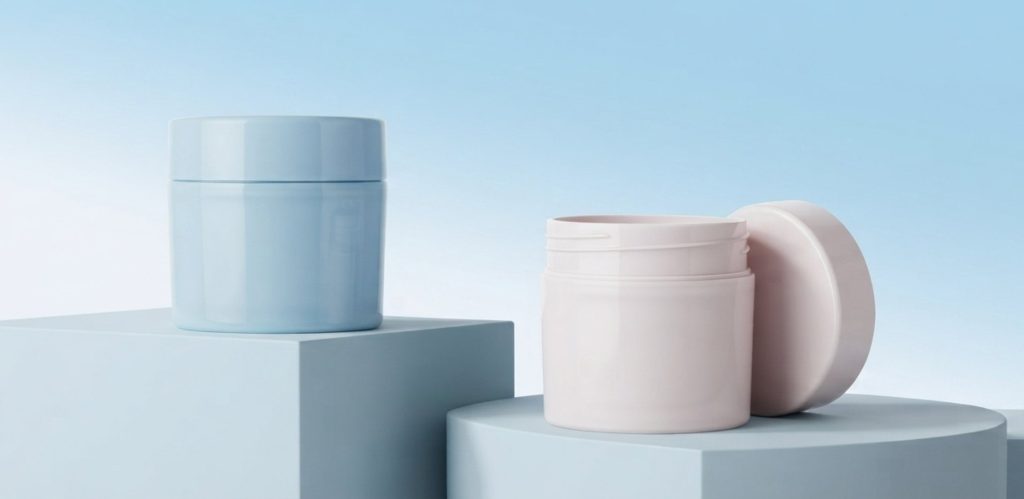
Top beauty brands pick mono-material packaging now. It meets strict global eco rules easily. Old cosmetic packs use mixed plastics. They also hide metal springs inside. New engineering replaces these mixed parts. It creates fully recyclable structures instead. Plastic makers build custom all-polypropylene systems. These systems help city plants sort waste fast.
New tech helps build pure mono-material pumps:
- Plastic Spring Part: Engineers replace metal springs. They use flexible PP plastic springs.
- All-PP Setup: Packages use pure PP plastic. All-plastic PP bottles use one material.
- Easy Recycling Steps: People skip splitting parts. Materials meet strict recycling plant rules.
Wholesale suppliers make these custom parts. They deliver good pumps without dirtying formulas. These smart designs help global care brands. They keep performance high and hit circular goals.
Personal Care and Household Product Packaging
Personal care makers update hard packages. They switch to single-plastic polyolefins quickly. Squeeze tubes mix different resin types. Home containers also mix bad resins. Engineers fix polyethylene molecules right away. This step replaces those bad mixed parts. Smart mold gates build tubes with caps. This one-material way cuts extra plant steps. It also lowers line breakdown rates.
Hoffmann Neopac created the NeoDose™ Solo tube. It is a recyclable pure PE pump. It gives exact doses for skin creams.
New custom molds cost more money early. But better factory steps lower costs later. Skipping cap steps saves valuable resources. Avoiding plastic taxes saves extra cash too. These savings help brands follow European laws.
Challenges of Switching to Mono-Material Packaging Solutions
Maintaining Performance Without Multiple Material Layers
Traditional packaging often combines multiple plastic materials to improve air and moisture barriers, but these mixed-material structures create recycling challenges. Single-polymer packaging must overcome technical limitations while still maintaining product freshness and protection. To achieve this balance, engineers adjust polymer density and develop advanced manufacturing technologies to create high-performance single-polymer barrier structures. These innovations enable manufacturers to produce safer, more sustainable containers without relying on multiple material layers.
Higher Development Costs and Production Adjustments
Producing mono-material films often requires factories to adjust existing equipment and optimize production processes. Manufacturers need to fine-tune machine settings, including heat, speed, and pressure, to prevent issues such as warping or deformation of sensitive single-polymer films. In addition, developing new molds and upgrading production systems can involve significant upfront investment. However, once machines complete early testing and achieve stable performance, production efficiency improves and costs can gradually decrease. Early-stage testing also helps brands identify potential issues, reduce delays, and ensure smoother large-scale manufacturing.
Limited Material Options for Specific Applications
Certain products contain strong chemical components or require advanced protection that basic polyolefin materials may not provide. Some liquids need packaging with enhanced heat resistance, chemical stability, or mechanical strength to maintain product safety and quality. Before full-scale production, suppliers carefully evaluate material compatibility and performance requirements. Manufacturers often create sample containers and conduct performance tests to confirm durability and reliability under real storage conditions. These testing processes help identify potential issues, prevent deformation or damage during storage.
Balancing Sustainability With Product Protection Needs
Engineers balance shelf life with recycling rules.
The table shows how teams protect products.
| Design Aspect | Engineering Strategy | Technical Mechanism |
|---|---|---|
| Preserving Shelf-Life | Integration of high-barrier core layers | Uses special cores to block air and light. |
| Ensuring Recyclability | Strict threshold maintenance for single polymer families | Keeps main plastic over 90% of weight. |
Thin extra layers keep pure plastic clean.This smart balance delivers strong, recyclable jars.
Design Considerations for Successful Mono-Material Packaging
Choosing Suitable Materials for Product Requirements
Packaging engineers carefully select single-polymer materials based on the functional requirements of each container design. For example, squeezable custom tubes require flexible substrates with high elasticity to allow repeated deformation without cracking or losing shape. Suppliers often use thin film materials with a thickness of around 2.0 to 3.0 mils, which can better adapt to complex curves and flexible structures. Squeezable bottles typically rely on low surface energy plastics, such as LDPE or HDPE, to achieve the desired flexibility and durability. Since these polymers can be challenging to bond, specialized adhesives are often developed to create strong surface adhesion and maintain packaging performance.Rigid containers demand different traits for safe shipping:
- Rigidity & Stiffness: Retains structural shape during stacking using HDPE, PP, or PET.
- Impact Strength: Resists physical damage under quick drop conditions.
- Environmental Stress Crack Resistance (ESCR): Protects against strong chemical stress using blow molding HDPE.
- Melt Strength & MFI: Low to medium MFI provides uniform wall thickness.
- Thermal Resistance: Maintains material integrity when exposed to reactive contents.
Optimizing Packaging Structure and Manufacturing Process
Mono-material packaging relies on a single type of plastic with consistent melting characteristics, which simplifies recycling but creates stricter thermal processing requirements during manufacturing. Compared with multi-layer laminates, single-polymer structures often have a narrower processing window, meaning temperature control must be more precise. Excessive heat can cause sealing issues, surface deformation, warped printing, or other production defects. To maintain quality and efficiency, packaging manufacturers adjust machinery settings and use specialized sealing equipment designed for precise temperature control. These optimized processes help create strong seals, preserve container shape, and reduce production losses during custom packaging runs.
Creating Clear Recycling Instructions for Consumers
Clear recycling labels play an important role in helping consumers properly dispose of mono-material packaging after use. Standardized systems such as the How2Recycle label provide straightforward guidance on whether products should be placed in recycling bins or taken to specific collection points. By adding clear disposal instructions directly on packaging, brands can reduce consumer confusion and improve recycling participation. Proper labeling also helps maintain cleaner single-polymer material streams at recycling facilities, supporting more effective recovery processes and helping companies achieve their sustainability goals.
Mono-Material Packaging and the Circular Economy Future
Supporting Closed Loop Recycling Systems Worldwide
One-plastic packaging changes world waste systems. Cities collect used packages easily now. Plants turn pure items into good plastic bits. Machines melt clean parts without heat harm.
A seller feeds clean plastic to factories. Brands meet green goals with standard plastic builds. Clean recycling keeps plastic quality very high. This recovery system keeps good materials moving forever.
Driving Innovation in Sustainable Packaging Development
Engineers make new plastic to replace mixed layers. Smart science makes single plastic very strong. Scientists use basic plastic layers for fast machines.
New plastic tech helps packages resist high heat:
- Metallocene and Ziegler-Natta Polyolefin Tie Layer Resins (TLR): Smart new plastics stand up to big heat.
- Polypropylene (PP)-Based Tie Layer Resins: Hard plastic stays strong during hot food filling.
- Advanced LLDPE Tie Layer Resins: New plastic handles high heat and sticks well.
These new materials help makers build hot pouches. Brands protect liquids and still recycle full packages. Strong plastic designs support long-term green goals everywhere.
Frequently Asked Questions About Mono-Material Packaging
Is Mono-Material Packaging Fully Recyclable?
Single-type plastic items recycle easily in city systems. Sorting machines send pure plastics to clean areas. Special scanners read pure plastic types right away. Plant machines turn this trash into good plastic.
Local plant tech changes overall sorting success rates. Pure single-plastic items stop dirty layer mixing completely. Tested makers build matching parts using single plastics. This process protects plastic values and aids recycling.
Is Mono-Material Better Than Multi-Layer Packaging?
Single-plastic items make trash sorting much easier. Old styles glue many plastics with metal foils. City centers cannot split glued plastic layers well. Mixed packages go straight to landfills or burners.
New single plastics match old package protection levels. Smart thin coatings cover single plastic parts well. Large buyers get strong shields and easy recycling. Special styles meet strict world laws with ease.
What Products Use Mono-Material Packaging?
Big stores choose single-plastic packages for many products. Drink and food brands order many clear pouches. Flexible snack packs make up 35% of sales. They form the biggest user group for single-plastic.
The data chart shows steady growth across top areas:
| Category / Application | Market Share / Revenue | Key Highlights & Drivers |
|---|---|---|
| Food & Beverages | 47.0% share ($2.32 billion in 2025) | Leads total sales. It grows fast to aid recycling and keep food fresh. |
| Consumer Goods | 21.0% share ($1.04 billion in 2025) | Grows from demand for light home care packages. |
| E-commerce | 14.0% share ($0.69 billion in 2025) | Grows fastest. It replaces padded mailers with single-plastic bags. |
Main sellers change items to meet these needs. New containers let brands swap old mixed packs easily. Factory methods build light items that stay strong.
Our Mono-Material Packaging Solutions for Brands
Custom Mono-Material Cosmetic Packaging Manufacturing
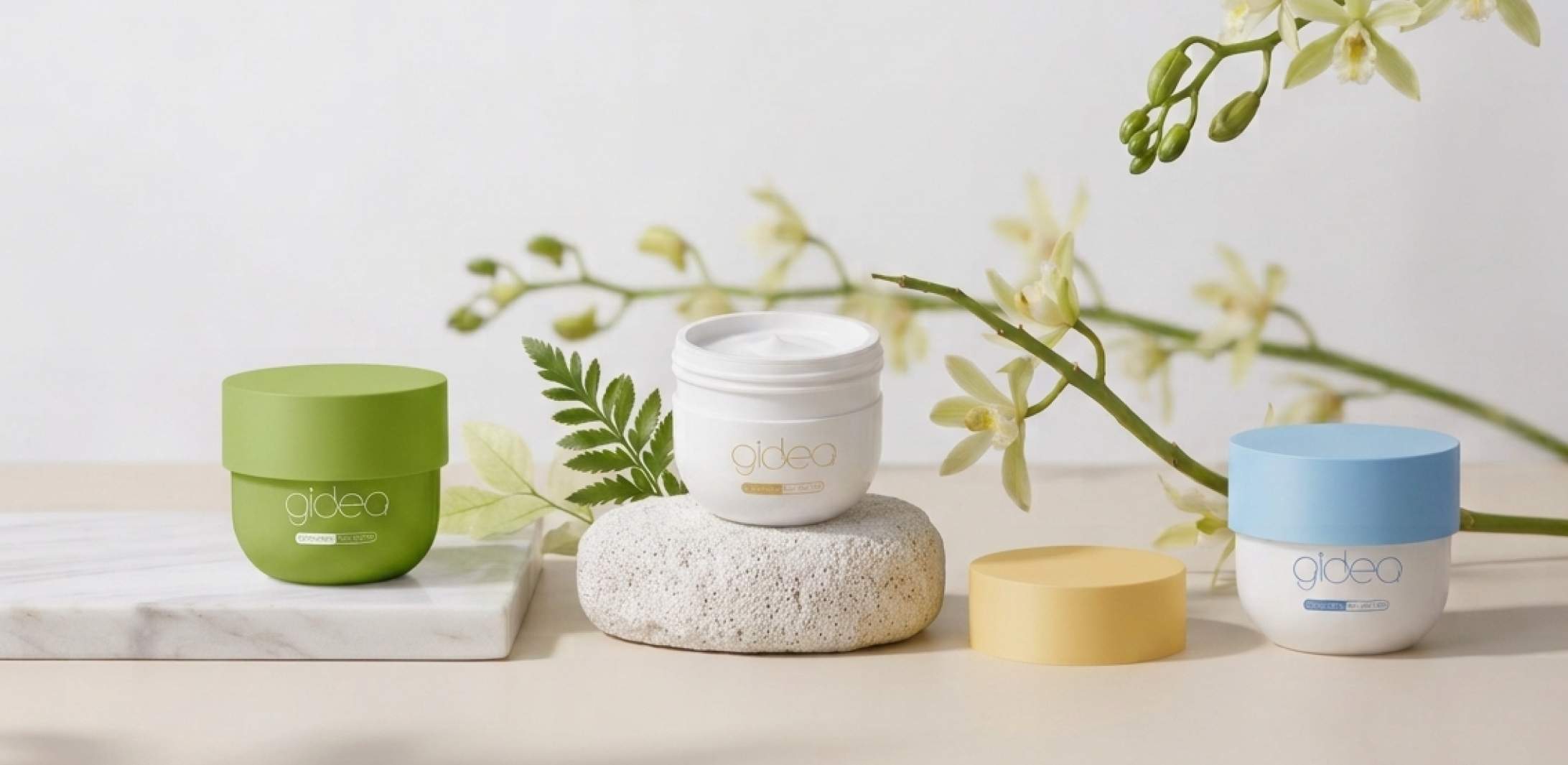
GIDEA makes custom single-plastic cosmetic packaging for world markets. Since 2003, it has built single-plastic containers. These items stop sorting problems in city recycling plants. Brand managers get free design support. They also get fast 7-day samples. Lines run 100% leak tests. These tests check seal strength on all runs. All plants follow ISO and FDA rules.
GIDEA helps wholesale buyers switch materials easily. Engineers build custom molds for specialized beauty formulas. They also make full 3D models. They match caps, pumps, and jars. All parts use identical plastic types. This smart step stops plastic dirt during hot melts. Brands get recyclable containers that still look great.
Sustainable Packaging Solutions for Beauty Brands
GIDEA uses its 3R & 1B rule. This stands for Reduce, Reuse, Recycle, and Biodegrade. This setup helps make circular packaging for care lines. The green maker uses high-grade recycled plastic. Some items use up to 100% recycled plastic. Items use recycled PET and ocean plastic. They also use bio-materials and bamboo. These choices help brands follow strict global rules.
Green beauty packages need to protect formulas safely. GIDEA sells refillable sets and light jars. It makes stick packs and single-plastic cosmetic items. These items fit closed-loop recycling systems. Flexible order sizes help new and old brands. GIDEA brings over 20 years of experience. It helps brands cut carbon and keep style.
Mono-material packaging helps our planet a lot. Single-plastic designs turn old trash into new items. Initial machine updates cost extra money early on. Long-term gains soon replace these high factory costs. Top makers help companies pay fewer waste fees. Brands save money while recycling most of their trash.
Company leaders must check their mixed plastic packs today. Using one pure plastic makes beauty containers easy to recycle. Good suppliers make safe, single-material packs to follow global rules. Act now to build a cleaner future world.