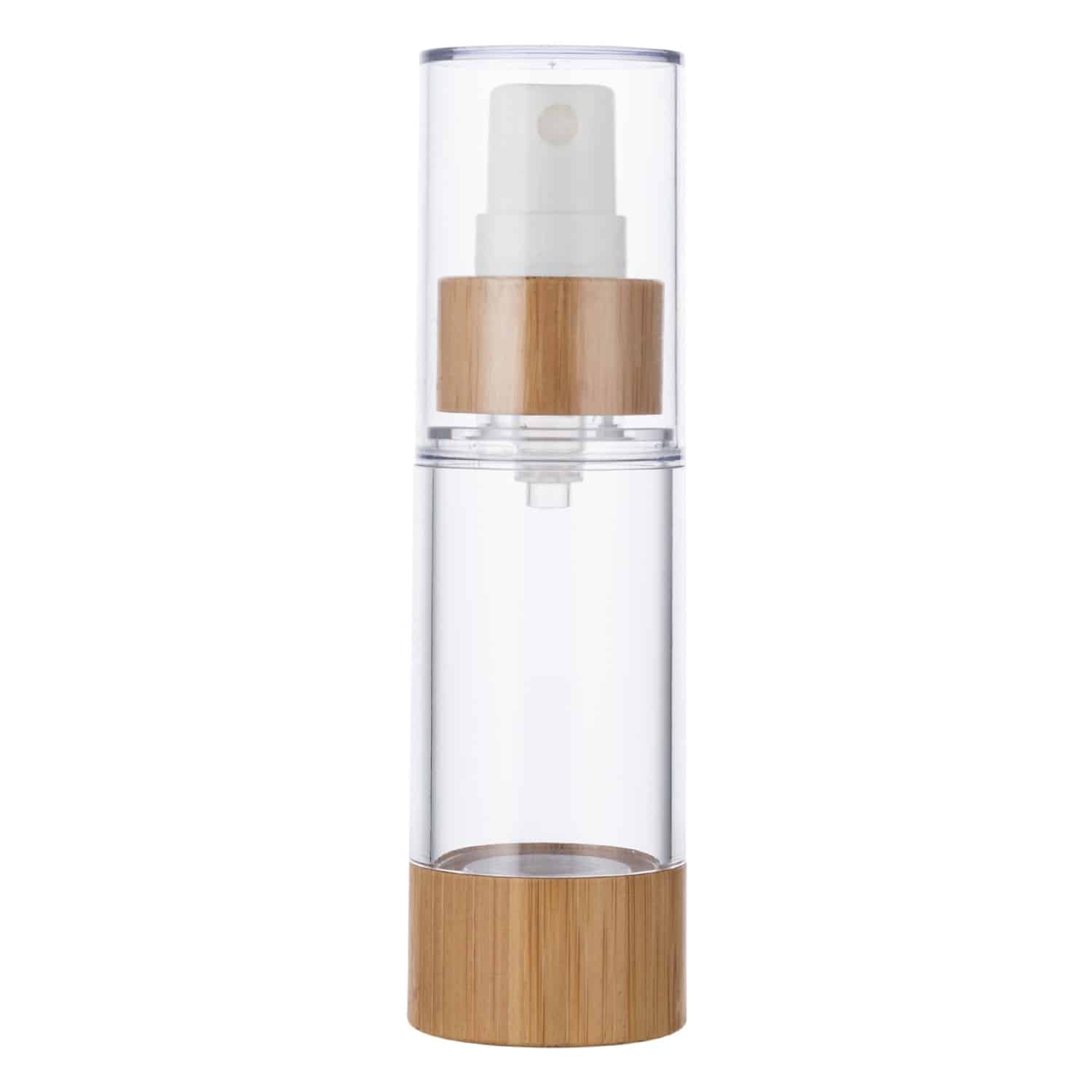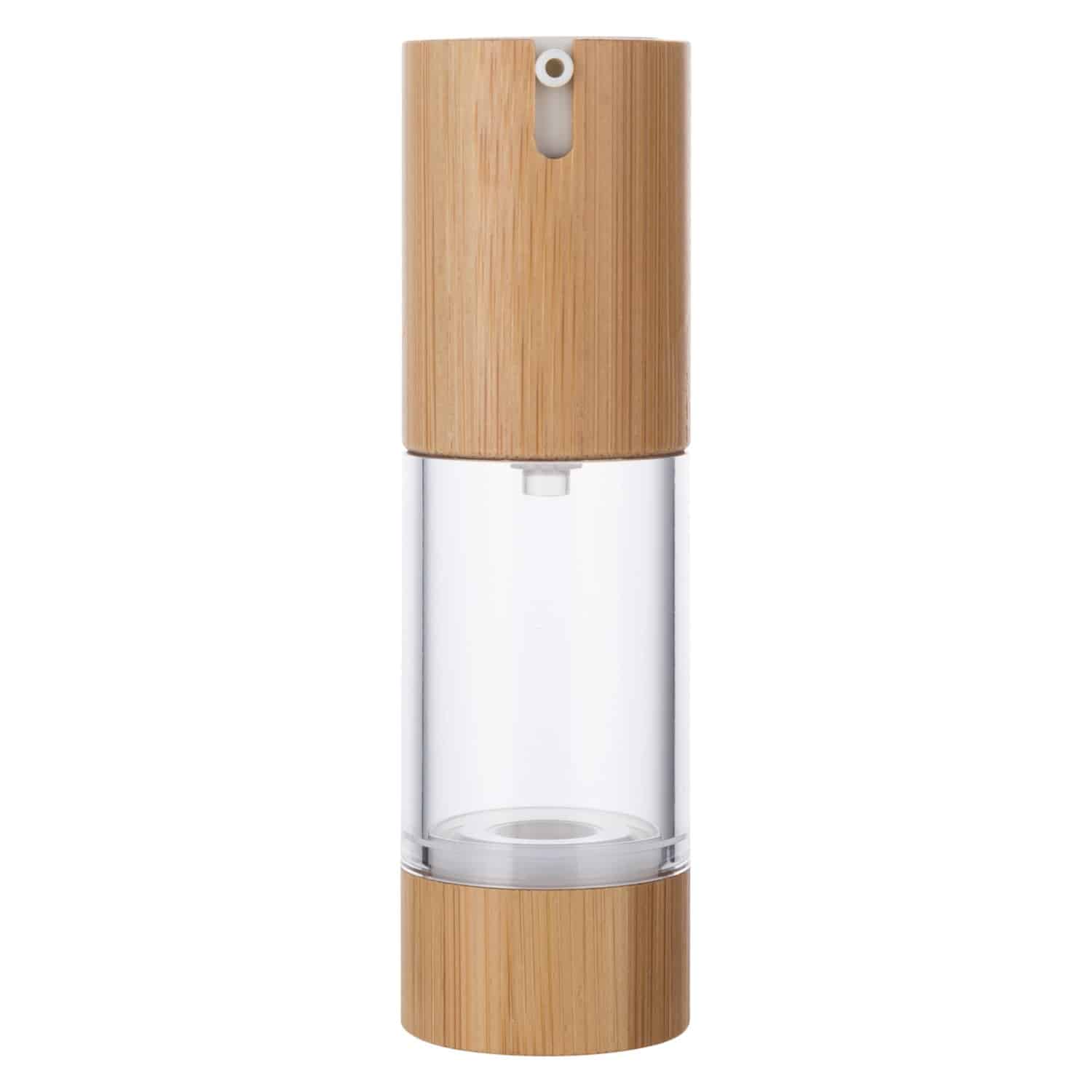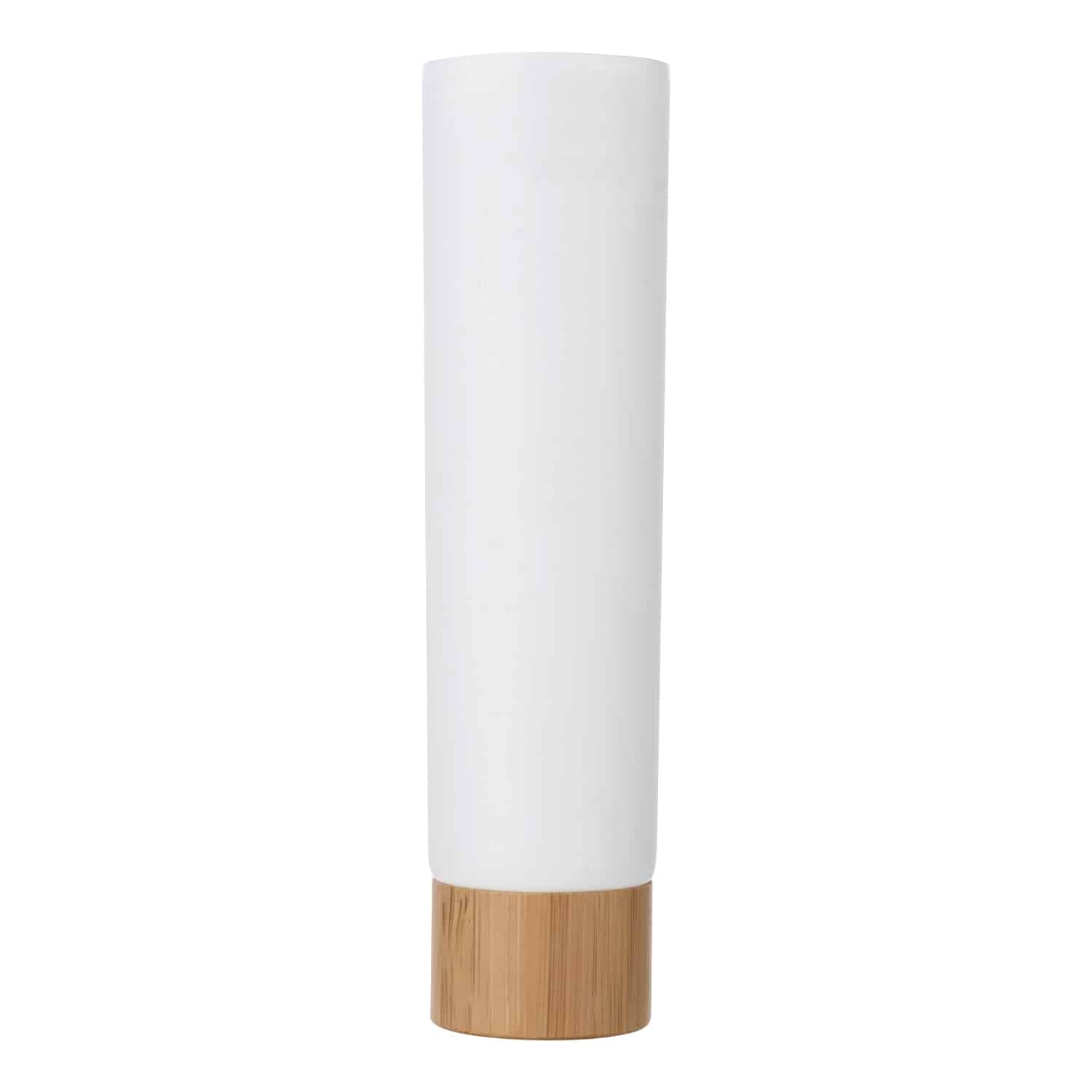
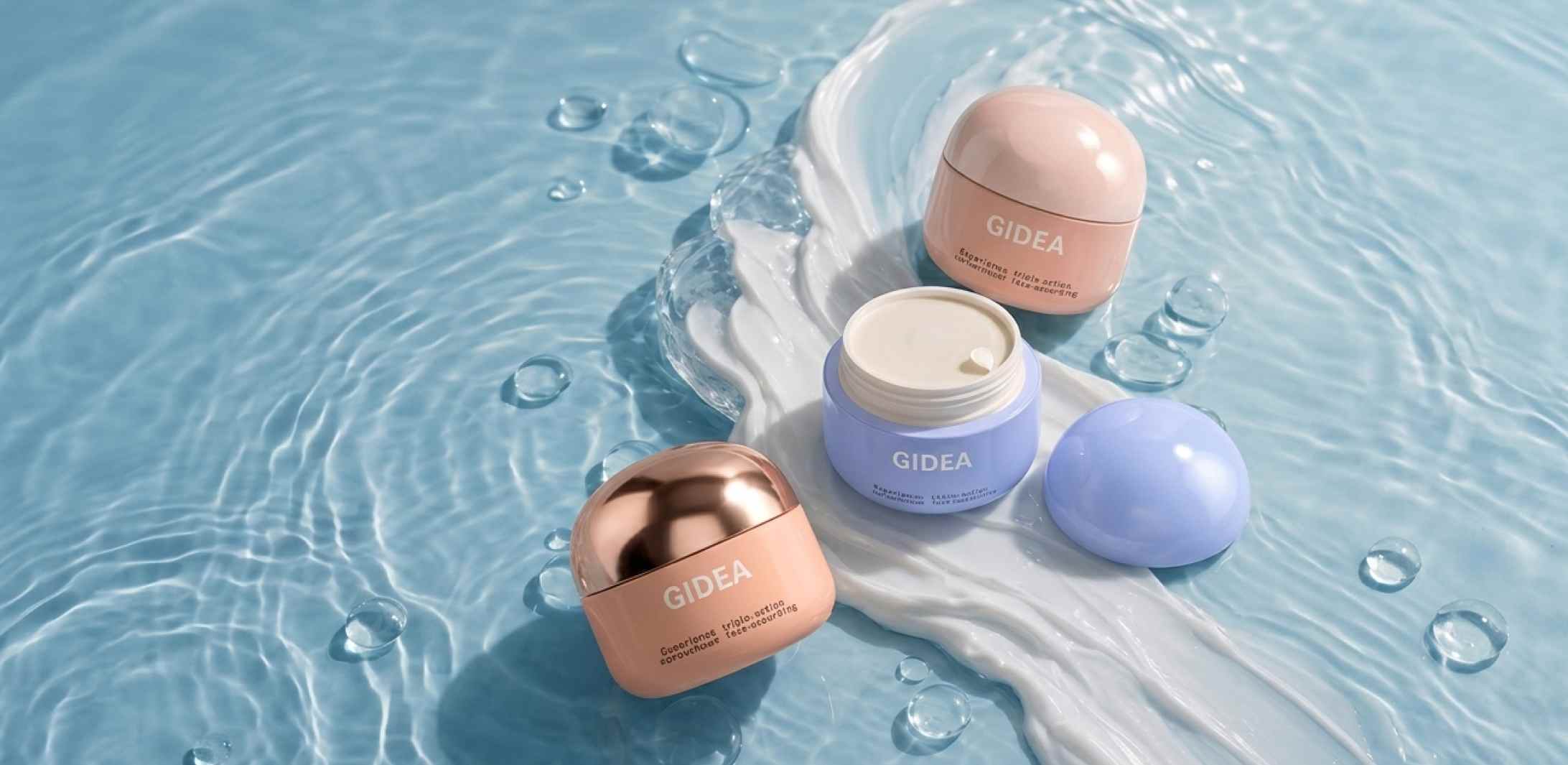
Since 2003, GIDEA has understood that primary packaging does much more than just hold a product. A high-quality Cosmetic Container protects delicate formula integrity while extending shelf life and building a premium brand presence on store shelves.
New beauty brands often make costly mistakes by selecting incompatible materials that ruin formulas or unreliable closures that annoy customers. Choosing the right Cosmetic Container requires smart planning, thorough formula compatibility testing, and comparing advanced material options. By partnering with GIDEA, brands gain access to sustainable solutions—including up to 100% PCR plastics, ocean-bound plastics, bio-based materials, and refillable mono-material structures. Combined with rapid 7-day prototyping and 100% leak-tested quality control, GIDEA ensures your customized Cosmetic Container delivers exceptional performance and market success.
Key Takeaways
- Match your box to formula thickness.
- This protects your product quality well.
- Airless tubs block light and air.
- They keep natural formulas fresh longer.
- Pick tough items like HDPE or PP.
- Green picks like PCR plastics cut waste.
- Refillable jars win over eco shoppers.
- Test container fits and seals early.
- This avoids costly factory mistakes.
Understanding Your Cosmetic Product Packaging Needs
Pick the best packaging for your items. Know your formula well first. Each skincare product acts differently.
Match Container Selection With Product Formula Types
Active ingredients need safe homes to stay fresh. Light and air destroy delicate items easily.
- Ingredient Sensitivity: Active compounds like Vitamin C break down fast in light.
- Packaging Requirement: Use opaque containers to keep these ingredients stable.
Consider Product Texture Viscosity and Application Methods
Viscosity means how thick a liquid is. Choose the right bottle for easy use.
| Cosmetic Product Type | Standard Viscosity Range (cP) |
|---|---|
| Serums | 500 – 5,000 |
| Lotions | 10,000 – 50,000 |
| Creams | 50,000 – 200,000 |
- Lotions (10,000–50,000 cP): Put these in pump bottles. They will not leak out.
- Creams (50,000–200,000 cP): Put thick creams in jars. Scoop them out by hand.
Tip: Fluid products need tight seals. Thick pastes need wide openings.
Evaluate Protection Requirements for Cosmetic Formulas
Barrier technologies protect cosmetics from harmful air and light. Good packaging extends product shelf life.
| Barrier Mechanism | Packaging Material / Technology | Action on Natural Formulations |
|---|---|---|
| UV Degradation Prevention | Amber & Pigmented Glass | Dark glass blocks bad light rays. It protects light-sensitive Vitamin C. |
| UV Degradation Prevention | Multi-Layer Laminates & Opaque Plastics | Thick plastic uses foil layers. It keeps all light out completely. |
| Oxidation Prevention | Airless Pump Systems | Airless pumps use sealed tanks. They keep air away from sensitive ingredients. |
Choosing Different Types of Cosmetic Containers
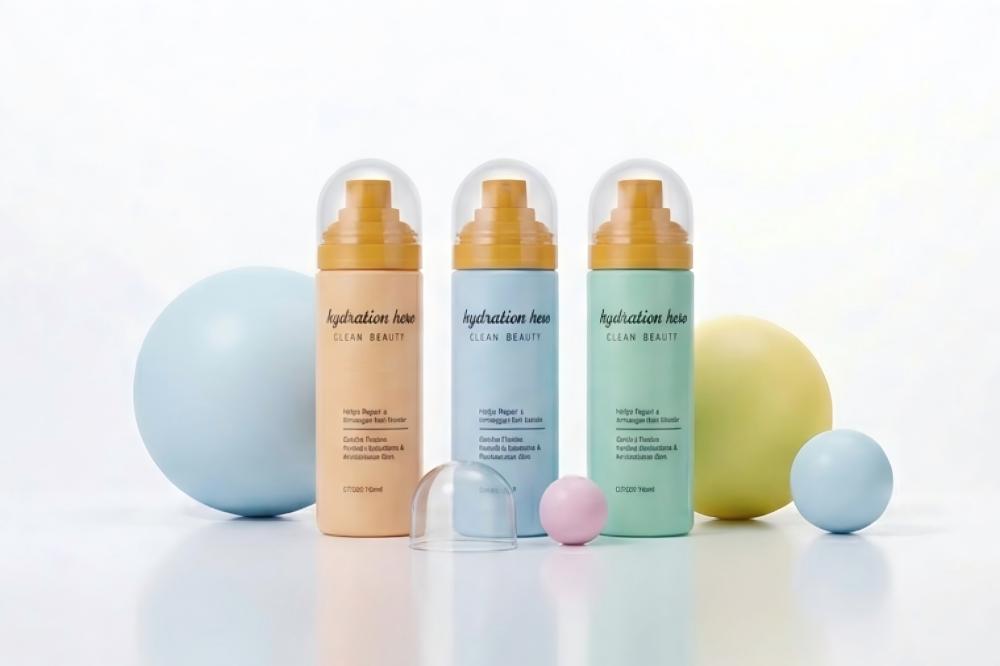
Pick the right packaging for your items. Match formulas with smart container designs. Every beauty formula acts differently outside. Good containers protect product formula integrity well. They also give customers a great experience.
Cosmetic Jars for Creams Balms and Thick Products
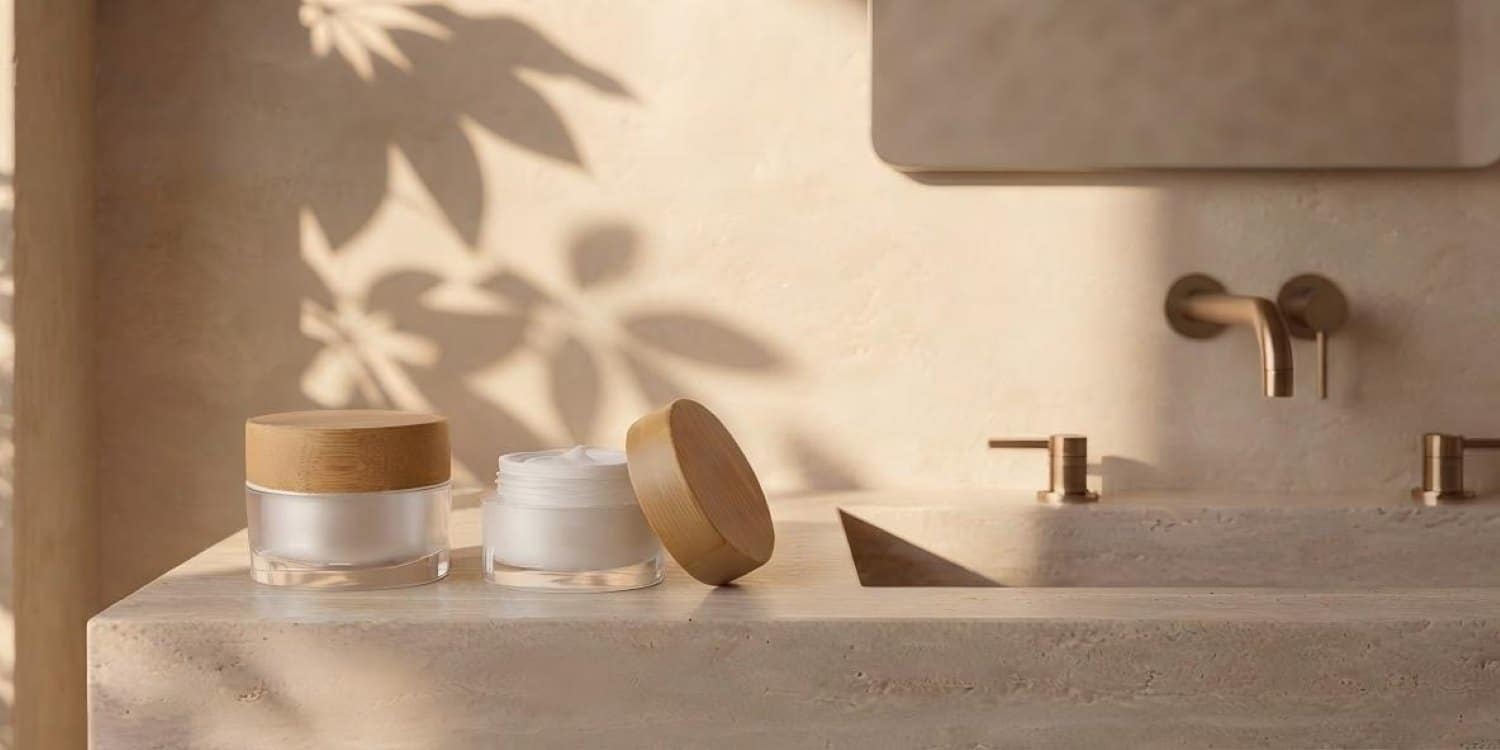
Cosmetic jars have very wide openings. Users can easily scoop out thick formulas. Brands use glass or heavy plastic jars. These fit rich creams and cleansing balms. They also fit body butters and clay masks.
- High Accessibility: Wide mouths help remove all product easily. No product gets left inside the jar.
- Visual Appeal: Clear glass jars show off bright colors. They display rich product textures very well.
- Closure Compatibility: Tight screw caps keep bad dust out. Internal discs protect formulas from harmful moisture.
Note: Open jars face lots of fresh air. Unclean fingers touch the formula very often. Makers must add good preservatives to it. They can also provide clean cosmetic spatulas.
Cosmetic Bottles for Liquids Serums and Lotions
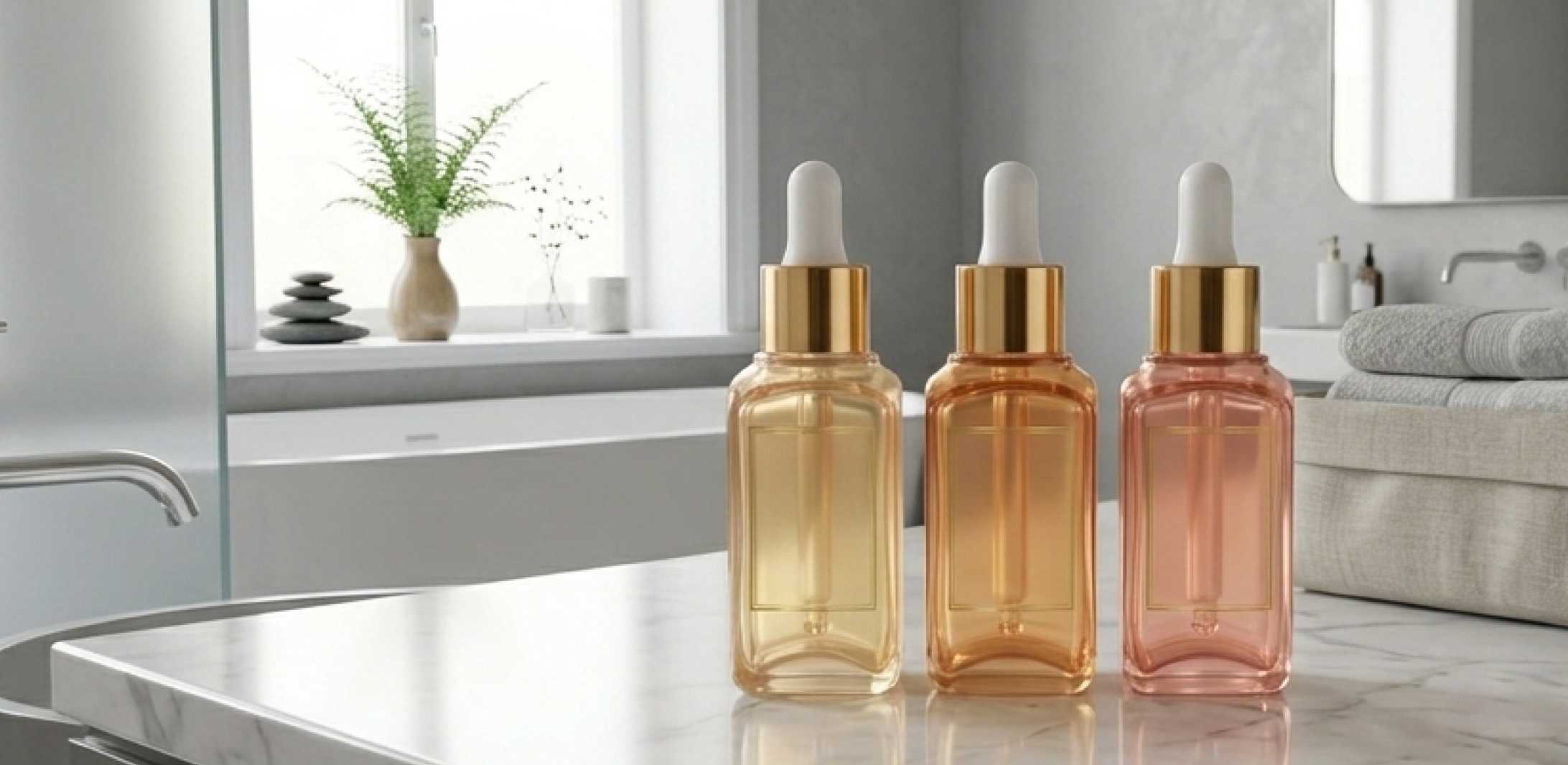
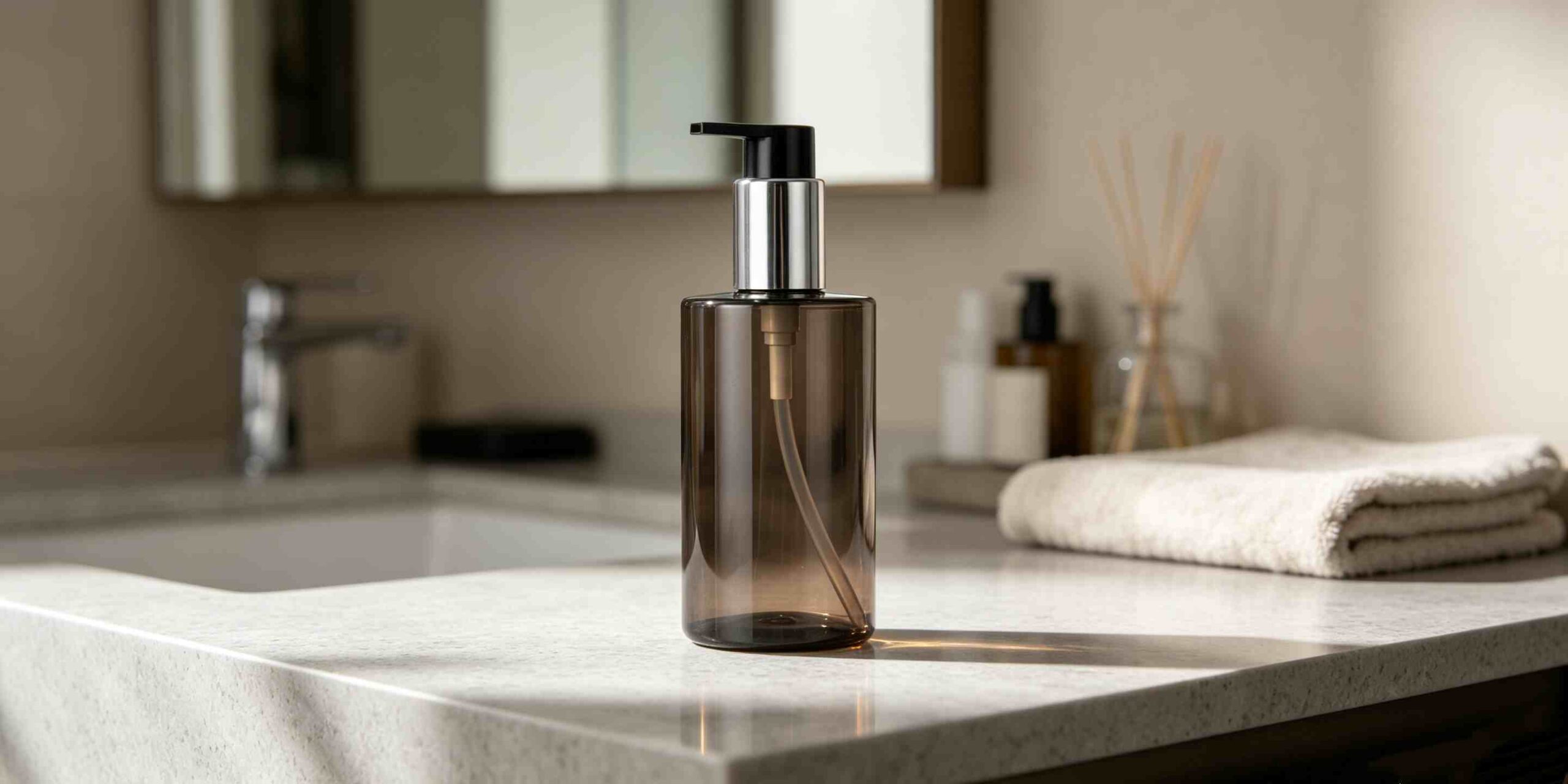
Liquid items need very precise dispensing tools, and Cosmetic Bottles are designed to provide accurate packaging solutions for different formulas. Fluid lotions and facial oils need them too. PET plastic and glass bottles work well for holding low and medium viscosity products. Choose between droppers and pump tools wisely based on viscosity and target brand image.
| Feature / Dimension | Dropper | Lotion Pump |
|---|---|---|
| Formula Protection | Air contact stays very low. Skin never touches the dropper. Opening bottles lets some air in. | Pumps draw air inside each time. Formulas oxidize slowly over time. Nozzles can get dirty easily. |
| Application & Usability | Droppers give exact drop amounts. They treat small spots slowly. Users might spill liquids accidentally. | Pressing pumps covers large areas fast. Simple press actions feel very easy. Heavy presses waste extra liquid. |
| Cost Profile | Basic plastic droppers cost very little. Glass versions cost more than pumps. | Simple parts lower total making costs. Pumps offer the lowest product price. |
| Brand Perception | Styles feel clean and natural. They give a nice clinical vibe. | Simple designs feel very familiar. They suit daily mass-market items well. |
| Ideal Suitability | Great for strong Vitamin C serums. Good for spot treatments too. | Perfect for daily body lotions. Fits light serums and soaps well. |
Cosmetic Tubes for Convenient Skincare Applications
Flexible tubes offer light portable designs. They hold gels and hand creams safely. Makers use soft LDPE and HDPE plastics. Strong aluminum works very well too. Aluminum squeeze tubes give special protection advantages:
- Superior Barrier Protection: Metal blocks light and air completely. It protects formulas better than plastic materials.
- Enhanced Formula Stability: Strong walls extend product shelf life well. They keep sensitive formulas very safe.
- Protection for Active Ingredients: Shields volatile active compounds from damage. Keeps reactive ingredients working well inside.
- Eco-Friendliness: Aluminum offers great recycling choices today. It creates sustainable choices for new brands.
- Increased Durability: Robust walls resist severe outer damage. They protect items during long shipping journeys.
Airless Containers for Sensitive Cosmetic Formulas
Airless systems isolate formulas from bad air. They use strong vacuum pressure inside. Systems do not need standard dip tubes. Pushing pumps moves internal discs upward. This action pushes delicate formulas straight up.
- Vacuum Dispensing Mechanism: Rising pistons push formulas up easily. No outside air gets pulled inside.
- Oxidation Prevention: Blocks bad air from touching formulas. Prevents harmful oxidation from starting inside.
- Formula Stability: Keeps active compounds fresh and strong. Preserves natural ingredient power over time.
- Reaction Risk Reduction: Metal-free paths prevent bad chemical reactions. Keeps organic ingredients pure and safe.
- Tubeless Operation: System drops old internal dip tubes. Rising discs push all product upward.
- Active Potency Maintenance: Protects delicate ingredients without many preservatives. Keeps air away from light formulas.
- Extended Shelf-Life: Slows down oxidation rates very well. Keeps formulas fresh until fully used.
Stick Packaging for Solid Serums and Spot Treatments
Solid formulas need direct and mess-free application methods. Stick Packaging provides a convenient solution for solid cosmetic products, allowing propel-repel sticks to hold solid serums nicely. They also host sunscreens and lip balms easily while offering easy application and portability.
- Direct Application: Users rub solid sticks onto skin directly. Hands stay completely clean during use.
- Travel-Friendly Design: Solid sticks will never leak inside bags. They bypass liquid rules at airports.
- Controlled Dosing: Simple twist bases raise formulas easily. Users control product amounts every day.
Closures and Caps for Complete Packaging Solutions
Caps act as final product barriers. Ideal caps prevent bad outer leaks completely. They hold safe internal pressure well too. Caps match overall container designs nicely.
- Screw Caps: Threaded caps seal basic liquid bottles. They fit wide jars very tightly.
- Flip-Top Caps: Hinged caps open fast with one hand. They suit flexible squeeze tubes well.
- Spray Pumps: Fine sprayers turn thin liquids into mist. They suit light setting sprays well.
- Treatment Pumps: Calibrated nozzles deliver exact product amounts. They work well for face serums.
Selecting the Right Material for Cosmetic Containers
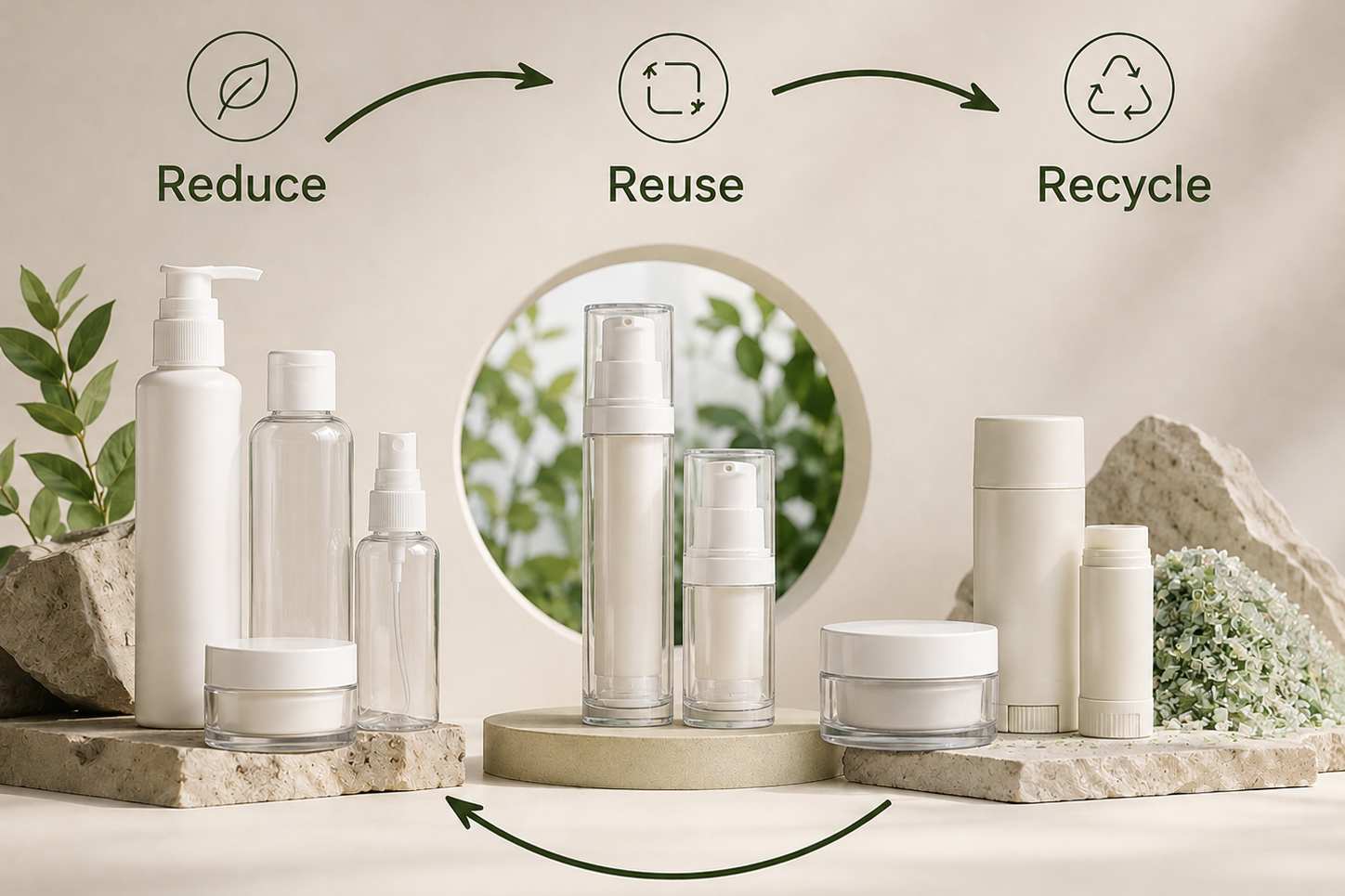
Beauty brands must choose raw materials carefully today. The right selection protects active compounds well. It supports long-term eco goals too. Sustainable packaging rules follow the 3R & 1B strategy. The four steps are Reduce, Reuse, Recycle, and Biodegrade. Brands reduce carbon footprints easily this way. Products stay totally safe inside these containers.
Plastic Containers With Flexible Design Options
Plastic stays popular in beauty packaging today. It is light and very flexible. Different plastic types offer unique safety levels. Formulators match formulas with right plastic types. This stops bottle swelling and formula damage.
| Plastic Type | Chemical Resistance Profile | Suitable Formula Types |
|---|---|---|
| PET | Resists basic chemicals. Blocks moisture and air. | Standard clear items. |
| HDPE | Resists strong acids and solvents. | Hard formulas and medicine. |
| PP | Broadest resistance to acids. Highly durable. | Active compounds needing safe packaging. |
Wrong plastic choices cause bad chemical reactions. HDPE plastic handles very strong formulas well. PP plastic works best for sensitive active compounds. PET offers glass clarity with strong moisture barriers.
Eco-Friendly Materials for Modern Beauty Brands
Brands compare glass and regular plastic often. They look at sustainable choices too. Glass offers strong protection and luxury style. Yet glass adds weight and breaks easily. Renewable bamboo gives a nice natural look. PCR plastics reduce waste in landfills fast.
Ocean-Bound Plastic (OBP) is special PCR plastic. Deep ocean plastic suffers heavy sun damage. That damaged plastic fails strict clean standards. OBP uses plastic collected near ocean coastlines. OBP packaging uses this recovered material to give brands high quality at large scale. It helps brands meet strong green goals.
Industry Example: Roberts Beauty worked with Oceanworks fast. They made a full container line together. The line used OBP materials for green goals.
Makers mold standard PCR and OBP easily. They make custom bottles, jars, and compacts. Suppliers offer 10% to 100% recycled mixes. High-grade PCR and OBP pass safety tests. They meet strict FDA PNC2592, REACH, ROSH, and UL rules.
| Characteristic | PCR Plastic Performance in Cosmetic Containers |
|---|---|
| Odor | Clean and completely odorless. Matches virgin plastic. |
| Coloring | Shows a faint yellow tint. |
| Formability & Molding | Flows less during molding. Needs special machine settings. |
| Compatibility Testing | Requires strict stability tests. Keeps formulas very safe inside. |
Mono-material packaging uses one single plastic type. It uses pure PE or pure PP. These simple designs help recycling plants process items fast:
- Eliminates Material Separation: Making whole packages from one plastic stops hard taking-apart steps.
- Streamlines Facility Sorting: Recycling centers process single streams quickly without sorting mistakes.
- Minimizes Contamination: Single plastics lower bad mixing risks. Centers accept these items from curbside bins easily.
Refillable packaging lowers long-term carbon output fast. Customers keep strong outer shells for years. They only replace small inner pods. This system lowers waste and builds brand loyalty.
Key Factors Before Choosing Cosmetic Containers
Testing container performance prevents costly packaging mistakes. Smart brands check chemical safety, size, and tight seals early.
Check Chemical Compatibility With Your Formula
Formulas react with raw packaging materials over time. Unwanted interactions cause warping, color shifts, or formula breakdown. Standard compatibility tests keep products safe:
- ASTM D543 Standard Protocol: Labs use this test method for testing plastic material strength.
- Packaging Application: Tests check chemical reactions between formulas and plastic containers. This stops cracking, warping, or bad material degradation.
Consider Container Size and Filling Requirements
Match product volume with daily customer usage habits. Serum bottles hold 30ml to 50ml of liquid. Body lotions need 200ml or more volume.
Filling machines need extra space above liquid lines. Hot liquids expand air volume inside the bottle. Leave 10% empty space to stop liquid overflow.
Evaluate Sealing Performance and User Experience
A good Cosmetic Container protects formulas during shipping. Air travel pressure changes cause weak caps to leak.
Important Note: Seals block air and moisture while remaining easy to open.
Engineers test cap removal torque for safety. Proper torque maintains leak resistance without annoying users.
Customization Options for Cosmetic Container Design
Custom designs change basic vessels fast. They build strong brand power. Good suppliers help new beauty brands. They launch fresh items quickly. Top makers hold FDA and ISO seals. They offer fast 7-day sample making. Low order minimums help new startups.
Makers test every Cosmetic Container strictly:
- 100% Leak Testing: Workers check all caps. This stops bad liquid spills.
- Vacuum Testing: Air tests check seals under pressure.
- Drop Resistance: Engineers drop containers to test durability.
- Accelerated Stability Testing: Hot rooms test formula safety over time.
Custom Colors Shapes and Surface Decoration Options
Brands pick custom shapes and bright colors. Protective finishes help items stand out. Surface art must resist daily touch. It must resist liquid formulas too.
| Decoration Method | Durability Characteristics |
|---|---|
| Silk-Screen Printing | Strong ink sticks well. It resists water, oils, and rubs. |
| Hot Stamping | Metals and shiny foils last long. |
| Labeling | Cheap labels peel off fast. Water and oils rub text away. |
Branding Solutions Through Custom Packaging Design
Custom molds make unique bottle shapes. Special colors match exact brand themes. Custom pumps show high quality with every push.
Create Unique Packaging for Different Product Lines
Beauty lines use jars, bottles, and tubes. Matching designs link these different items together.
| Design Strategy | Method for Achieving Unity Across Containers | Key Supporting Elements |
|---|---|---|
| Color & Branding | Match main brand colors with minor accents. | Soft pink and white color schemes. |
| Typography & Layout | Keep fonts and text layouts uniform. | Standard text placement for titles and directions. |
| Physical & Structural Features | Use shared parts across container styles. | Matching caps, uniform jars, and same materials like PCR plastic. |
| Modular Design Systems | Mix standard parts across product lines. | Reuse base bottles while swapping fresh labels. |
| Visual Motifs | Add repeating artwork across all products. | Repeated patterns and raised logos. |
Sustainable Considerations for Cosmetic Packaging Choices
Modern beauty shoppers want green items. Safe packaging protects nature. It builds strong customer trust.
Choose Recyclable Materials for Environmental Goals
Recyclable items lower trash in landfills. New brands pick PCR plastics. They also use single resins.
- Mono-Material Structures: Pure single-plastic designs help centers sort trash fast.
- PCR Integration: Using old plastic lowers raw oil needs.
Clean items help protect our planet. Used bottles become new items again.
Reduce Packaging Waste Through Smart Container Design
Smart designs use less factory material. Light designs lower total shipping weights.
- Lowering Transport Emissions: Light bottles cut total shipping weights. Truck fuels drop fast. Freight carbon follows total weight.
- Fuel Consumption Reduction: Lower shipment weights need far less fuel. It cuts bad transport gas outputs.
- Supply Chain and Logistical Efficiency: Smart designs pack together tightly. Trucks hold more boxes per trip.
Key Takeaway: Light shapes lower shipping costs fast. They reduce carbon outputs globally.
Support Sustainable Solutions for Beauty Brands
Brands build loyalty with refillable systems. Users keep pretty outer jars long. They swap small inner pods inside.
- Refillable Systems: Buyers get small new inner pods. They reuse outer jars for years.
- Minimalist Design: Simple shapes remove extra plastic caps. They drop extra paper boxes too.
Green choices help brands pass laws. They protect earth while looking cool.
Frequently Asked Questions About Cosmetic Containers
How do I choose the right cosmetic container type
Pick your packaging by checking form and formula needs. Active compounds need airtight care.
| Formula Physical State | Recommended Container Types | Dispensing Method |
|---|---|---|
| Liquids (Toners, Serums) | Bottles | Pumps, Droppers, Sprays |
| Creams & Masks | Jars | Open access (Spatula) |
| Lotions & Gels | Tubes | Squeeze dispensing |
- Oxidation-Sensitive Actives: Use airless jars for Vitamin C or retinol.
- Thick & Dense Formulations: Pick straight jars for easy body butter scoops.
- Solid & Semi-Solid Products: Select flat jars for solid balms.
Which material is best for cosmetic packaging
Good materials depend on formula chemistry and pH values. PET and PP plastics suit daily items. Do not use acrylic for alcohol formulas. It causes bad clouding risks. Always test formula stability early.
Are airless containers suitable for skincare products
Airless containers work well for natural items. Plant extracts break down in air. Old jars let dirty fingers touch formulas. Microbes enter the product easily. Airless systems create tight vacuum seals during use. This stops bad air oxidation. It protects weak plant extracts. Formulators use fewer heavy preservatives.
Tip: Airless systems block air flow completely. Natural formulas stay fresh without extra preservatives.
What size container should cosmetic brands choose
Choose container sizes by checking daily use habits. Serum bottles hold 30ml to 50ml. Body lotions need 200ml to 500ml bottles.
Can cosmetic containers be customized for brands
A standard Cosmetic Container changes fast with colors. Use silk-screen printing, hot stamping, or labels.
Our Cosmetic Container Packaging Solutions
Gidea makes top packaging for beauty brands. Long experience makes Gidea a strong partner.
Custom Cosmetic Container Manufacturing Services
Custom packaging needs true safety and care. Brands want partners with high global rules. Gidea follows strict rules for product safety.
Gidea makes fast 7-day test samples. Smart teams build new custom molds fast. Every single Cosmetic Container gets leak testing.
Complete Packaging Solutions for Beauty Brands
Gidea supports brands from plans to final goods. Startups and top brands get small order choices.
Clients pick nice screen prints and foil stamps. PCR plastics and refillable items cut carbon footprints. Gidea helps brand owners launch beauty items easily.
Pick the right packaging for your items. Balance formula safety with material fitness today. Choose good materials for sustainable functionality now. New beauty brands must test items first. Do tests before mass production starts. Always run fast stability tests in heat. Test for thirty to ninety days total. This key step checks full container integrity. It reveals potential leakage very fast. It protects active ingredients inside well. Test physical samples early every time. Avoid costly production errors fast. Work with experienced packaging suppliers like GIDEA. Launch safe products very easily. 💡