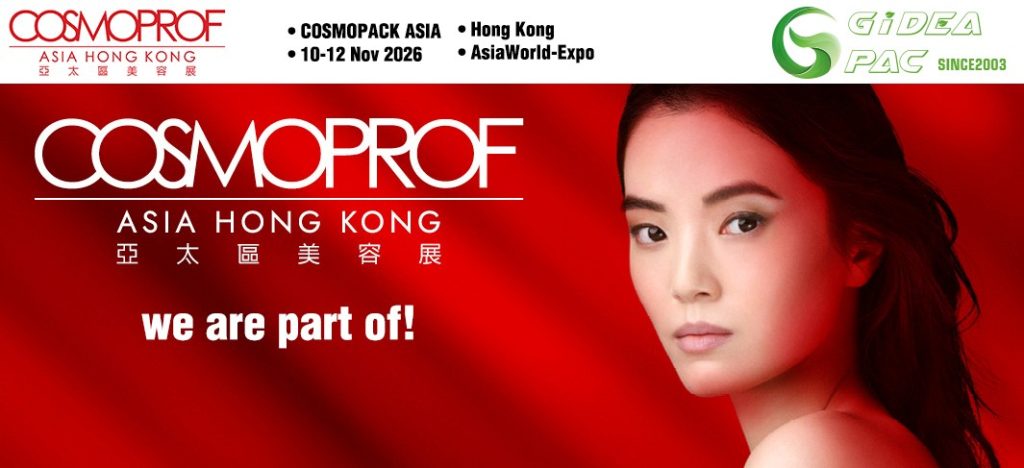
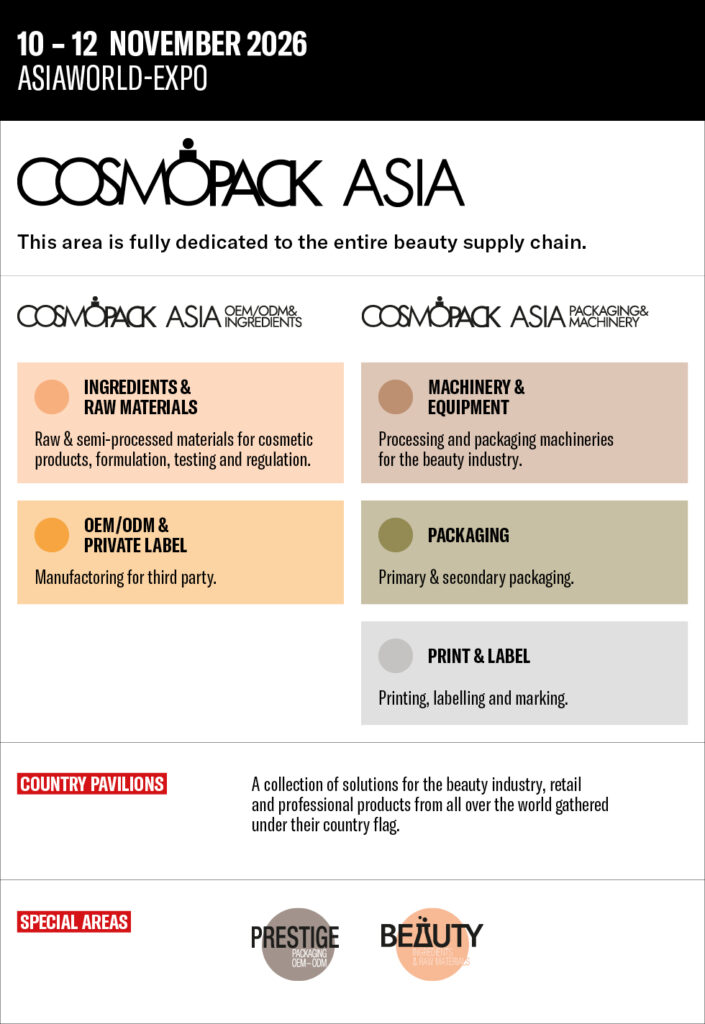
We are looking ahead to Cosmopack Asia 2026, taking place at AsiaWorld-Expo in Hong Kong from November 10–13, 2026. As a cosmetic packaging manufacturer, we see the exhibition as an important place to follow new packaging technologies, materials, and design directions across the beauty industry.
For cosmetic packaging professionals, the event brings brands, packaging suppliers, manufacturers, and industry experts together in one place. We expect to see growing interest in sustainable materials, smart packaging, personalization, and minimalist design.
The global cosmetic packaging market is projected to reach USD 38.22 billion in 2025, according to Precedence Research. For beauty brands, this makes it increasingly important to understand how packaging trends are changing and which solutions can support future product development.
In this guide, we explore what beauty brands, product developers, and packaging buyers can expect from Cosmopack Asia 2026, with a focus on the packaging trends and opportunities worth watching before the exhibition.
Why Cosmopack Asia 2026 Matters for Cosmetic Packaging Professionals
Cosmopack Asia 2026 gives us an opportunity to connect directly with beauty brands, packaging suppliers, technology providers, and other industry professionals. For GIDEA as a cosmetic packaging manufacturer, the exhibition is also a valuable place to understand new technologies and changing requirements across Asian beauty markets.
Connecting Beauty Brands with Packaging and Supply Chain Partners
We see Cosmopack Asia 2026 as an important meeting point for brands and packaging partners. Beauty companies can meet manufacturers, material suppliers, mold makers, decoration specialists, and other suppliers involved in the packaging supply chain.
For us, these conversations help turn packaging requirements into practical solutions. Brands may come with specific needs such as a new bottle or jar, a different material, a special finish, or a more efficient packaging structure. We can discuss these requirements directly and identify suitable development options.
The exhibition also makes it easier to compare suppliers in one place. Buyers can evaluate product capabilities, customization options, production experience, and communication before deciding which partners to contact after the show.
Discovering New Cosmetic Packaging Technologies and Solutions
Cosmopack Asia 2026 will also give us a closer look at new packaging technologies and manufacturing solutions. We plan to follow developments in areas such as lightweight structures, advanced molding, automation, decoration, and dispensing systems.
These technologies can improve packaging performance while helping manufacturers achieve more consistent production. Lightweight designs, for example, can reduce material consumption and shipping weight. More precise manufacturing processes can also improve dimensional consistency and reduce production defects.
We also pay attention to technologies that can support different packaging formats and development stages. From prototypes and small production runs to large-scale manufacturing, the right technology can help brands balance design, performance, cost, and production efficiency.
Exploring Emerging Trends Across the Asian Beauty Market
Asian beauty markets continue to influence global cosmetic packaging trends. At Cosmopack Asia 2026, we can observe how brands in different markets approach packaging design, functionality, convenience, and product positioning.
We expect to see continued interest in practical and visually distinctive packaging, including compact formats, refillable concepts, airless systems, and packaging designed for specific beauty routines. Regional preferences can also influence colors, shapes, dispensing methods, and product sizes.
For GIDEA, these market observations are useful beyond the exhibition itself. We can use feedback from brands and industry professionals to understand changing expectations and improve the packaging solutions we develop for global beauty markets.
Cosmetic Packaging Trends to Watch at Cosmopack Asia 2026
At Cosmopack Asia 2026, we expect cosmetic packaging trends to focus on practical sustainability, better resource efficiency, and more distinctive product experiences. For beauty brands, these developments can influence material selection, packaging formats, and product presentation. As a cosmetic packaging manufacturer, we will pay close attention to solutions that combine performance, appearance, and sustainability.
Sustainable Materials and Eco-Friendly Packaging Solutions
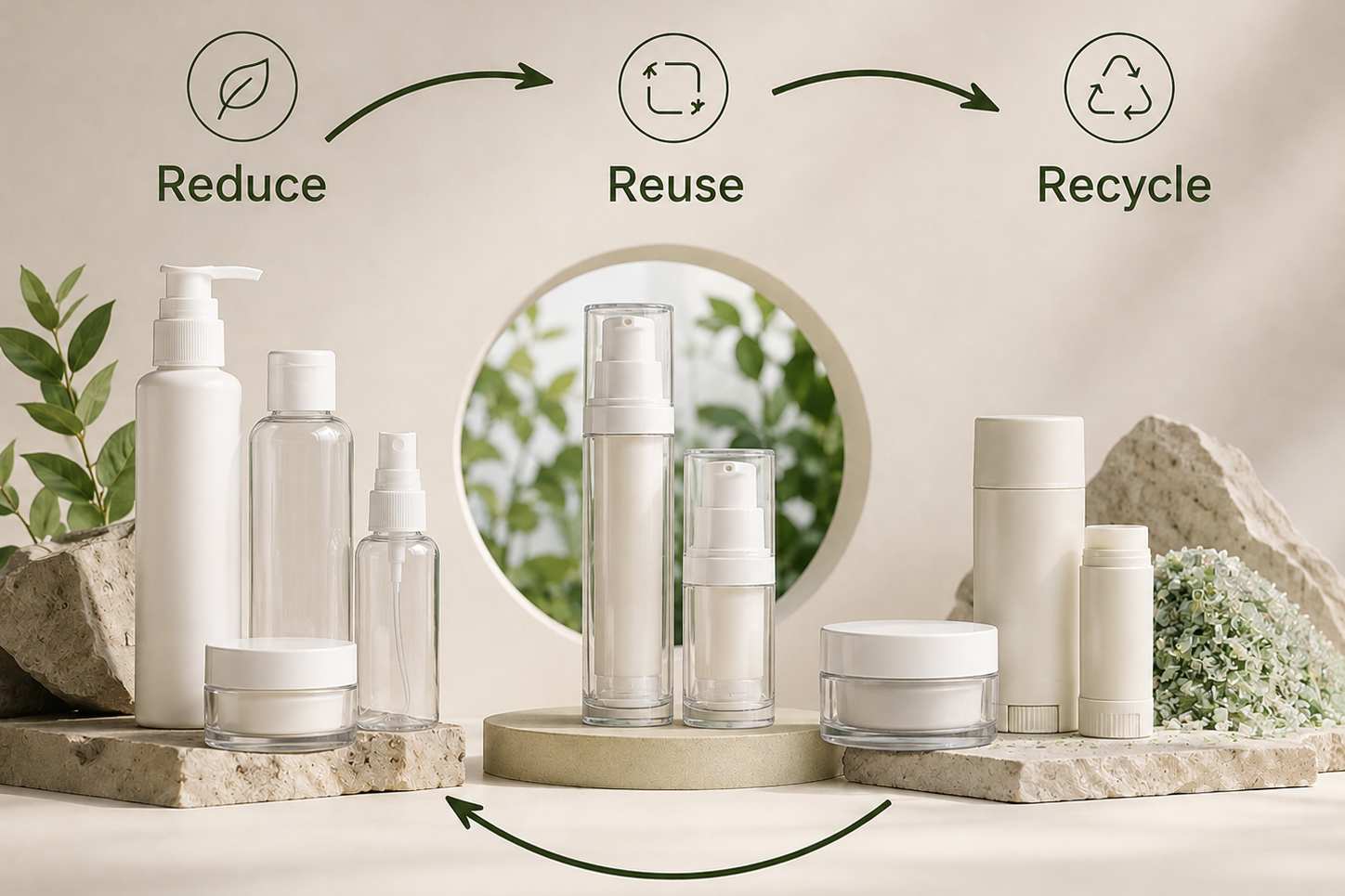
Sustainable materials continue to shape cosmetic packaging development. At Cosmopack Asia 2026, we expect to see more packaging made with recycled, renewable, and recyclable materials.
Post-consumer recycled (PCR) plastics are an important option for brands looking to reduce their use of virgin plastic. Materials such as PCR PET and PCR PP can be used for bottles, jars, and other cosmetic packaging while allowing brands to maintain familiar packaging formats.
Glass and aluminum also remain practical choices for sustainable packaging. Glass can be recycled repeatedly and works well for skincare bottles, jars, droppers, and fragrance packaging. Aluminum offers durability and recyclability, making it suitable for products such as tubes, jars, and solid cosmetics.
Bio-based materials are another area worth watching. These materials use renewable feedstocks and can provide an alternative to conventional fossil-based plastics. However, brands still need to evaluate their actual recycling or composting infrastructure before selecting a material.
For us, the key consideration is not simply whether a material is marketed as sustainable. We look at its composition, available certifications, recyclability, application, and overall packaging performance.
Refillable and Lightweight Cosmetic Packaging
Refillable packaging is changing the way beauty products are designed and used. Instead of replacing the entire package, consumers can keep the outer container and replace an inner component. This approach can reduce material consumption and encourage repeat purchases.
Refill systems can be developed for jars, bottles, and other cosmetic formats. A durable outer container combined with a replaceable inner component gives brands more opportunities to create long-term packaging systems.
Lightweight packaging is another trend we expect to see at Cosmopack Asia 2026. Reducing unnecessary material while maintaining structural strength can lower packaging weight and improve transportation efficiency. For high-volume products, even a small reduction in weight can make a meaningful difference across the supply chain.
The challenge is to balance lightweight construction with durability, sealing performance, and premium appearance. This requires careful control of wall thickness, material selection, closures, and packaging structure during development.
Innovative Packaging Designs for Skincare and Personal Care Brands
Beyond materials and packaging formats, design innovation will remain important for skincare and personal care brands. New packaging concepts can improve usability while giving products a more distinctive appearance.
We expect to see more creative dispensing systems, compact formats, airless packaging, and multifunctional designs. Airless systems can help protect formulas while providing controlled dispensing, making them suitable for many skincare applications.
Decoration will also play an important role in product differentiation. Options such as digital printing, silk screen printing, hot stamping, matte finishes, and soft-touch surfaces allow brands to create different visual identities without completely changing the packaging structure.
At Cosmopack Asia 2026, we will look for designs that combine aesthetics with practical functions such as easy dispensing, portability, product protection, and user convenience. For modern beauty brands, the most effective packaging is not simply attractive—it should also support the product experience and brand positioning.
How Beauty Brands Can Prepare for Cosmopack Asia 2026
Preparing before Cosmopack Asia 2026 can help beauty brands make better use of their time at the exhibition. Instead of visiting booths without a clear purpose, brands can research potential suppliers, organize their packaging requirements, and arrange meetings in advance.
Identify Packaging Suppliers and Solutions Before the Show
We recommend researching potential suppliers before the exhibition. Start by identifying the packaging categories that match your upcoming products, such as cosmetic bottles, jars, tubes, pumps, or sustainable packaging.
Use the official exhibitor directory to create a shortlist based on product category, country, and company capabilities. Then review each supplier’s website, product range, manufacturing experience, and available certifications.
It is also useful to separate suppliers into priority levels. Keep your most relevant manufacturers at the top of the list and prepare a few alternatives in case a meeting schedule changes. This approach makes it easier to compare potential partners during the show.
Define Product Requirements and Customization Needs
Before contacting suppliers, prepare a clear packaging brief for each project. Include the product type, packaging format, capacity, preferred material, estimated annual volume, target market, and expected launch date.
You should also define which parts need customization. This may include packaging shape, color, closure, decoration, surface finish, logo, or structural details. Having these specifications ready allows suppliers to understand your project faster and provide more relevant recommendations.
For new packaging concepts, prepare reference images, technical drawings, or samples of existing packaging. These materials can help manufacturers understand your expectations and identify suitable development approaches.
Plan Supplier Meetings and Product Discussions
Once you have shortlisted suppliers, arrange meetings before Cosmopack Asia 2026. Give each supplier a short project brief so they can prepare relevant samples, technical information, or initial ideas before the meeting.
During the discussion, focus on the questions that matter most to your project. Ask about development timelines, sampling procedures, tooling requirements, production capabilities, and communication after the exhibition.
We also recommend leaving enough time between meetings to review samples and record key information. After the show, compare suppliers based on their product fit, technical capabilities, responsiveness, and ability to support your project from development to production.
What Gidea Expects to Explore at Cosmopack Asia 2026
As a cosmetic packaging manufacturer, we plan to use Cosmopack Asia 2026 to observe new industry developments, communicate directly with beauty brands, and better understand packaging requirements across Asian markets. These insights can help us improve our solutions for global beauty brands.
Learn About Emerging Cosmetic Packaging Trends
We expect to see new directions in cosmetic packaging design, materials, and functionality at Cosmopack Asia 2026. Refillable systems, lightweight structures, recyclable materials, and smart packaging are among the areas we will pay close attention to.
We also want to see how brands combine simple visual styles with practical functions. Clean shapes, restrained decoration, and well-designed dispensing systems can create a premium appearance while keeping packaging easy to use.
Beyond finished packaging, we will look at new manufacturing technologies and material applications. These developments can give brands more options when they balance appearance, performance, sustainability, and production requirements.
Connect with Beauty Brands and Packaging Professionals
The exhibition gives us an opportunity to speak directly with beauty brands, designers, product developers, and packaging professionals. These conversations help us understand the challenges brands face when developing new packaging.
We want to learn more about their priorities, whether they are related to packaging performance, development speed, cost control, customization, or sustainability. Direct feedback is especially valuable because it shows us what brands actually need rather than what we assume they need.
We also look forward to exchanging ideas with other industry professionals. These conversations can introduce new approaches to packaging development and create opportunities for future cooperation.
Understand Changing Packaging Needs Across Asian Markets
Asian beauty markets are diverse, with different consumer preferences, product categories, price levels, and packaging expectations. We plan to observe how these differences influence cosmetic packaging requirements across the region.
Convenience, portability, product protection, and visual appeal can be important factors for different markets. Local preferences may also affect packaging sizes, formats, dispensing systems, and design details.
By listening to brands from different Asian markets, we can better understand where their requirements are changing. These insights will help GIDEA develop cosmetic packaging solutions that are more suitable for different markets while maintaining the flexibility needed by global beauty brands.
How Gidea Can Support Beauty Brands with Custom Packaging
At GIDEA, we help beauty brands turn packaging concepts into production-ready solutions. Our team supports different cosmetic packaging projects based on product requirements, brand positioning, and expected production volumes.
Custom Cosmetic Bottles and Jars for Different Product Categories
Different beauty products require different packaging structures. We help brands select suitable bottles, jars, and dispensing formats based on the product formula, application, and user experience.
For creams and masks, jars and airless packaging provide convenient access and controlled dispensing. Serums can use dropper bottles for measured application, while fragrance products often rely on glass bottles with fine-mist sprays.
The packaging structure can also be customized through different shapes, capacities, closures, and decoration methods. This gives brands more flexibility to create packaging that fits their product and visual identity.
Sustainable Packaging Materials and Solutions
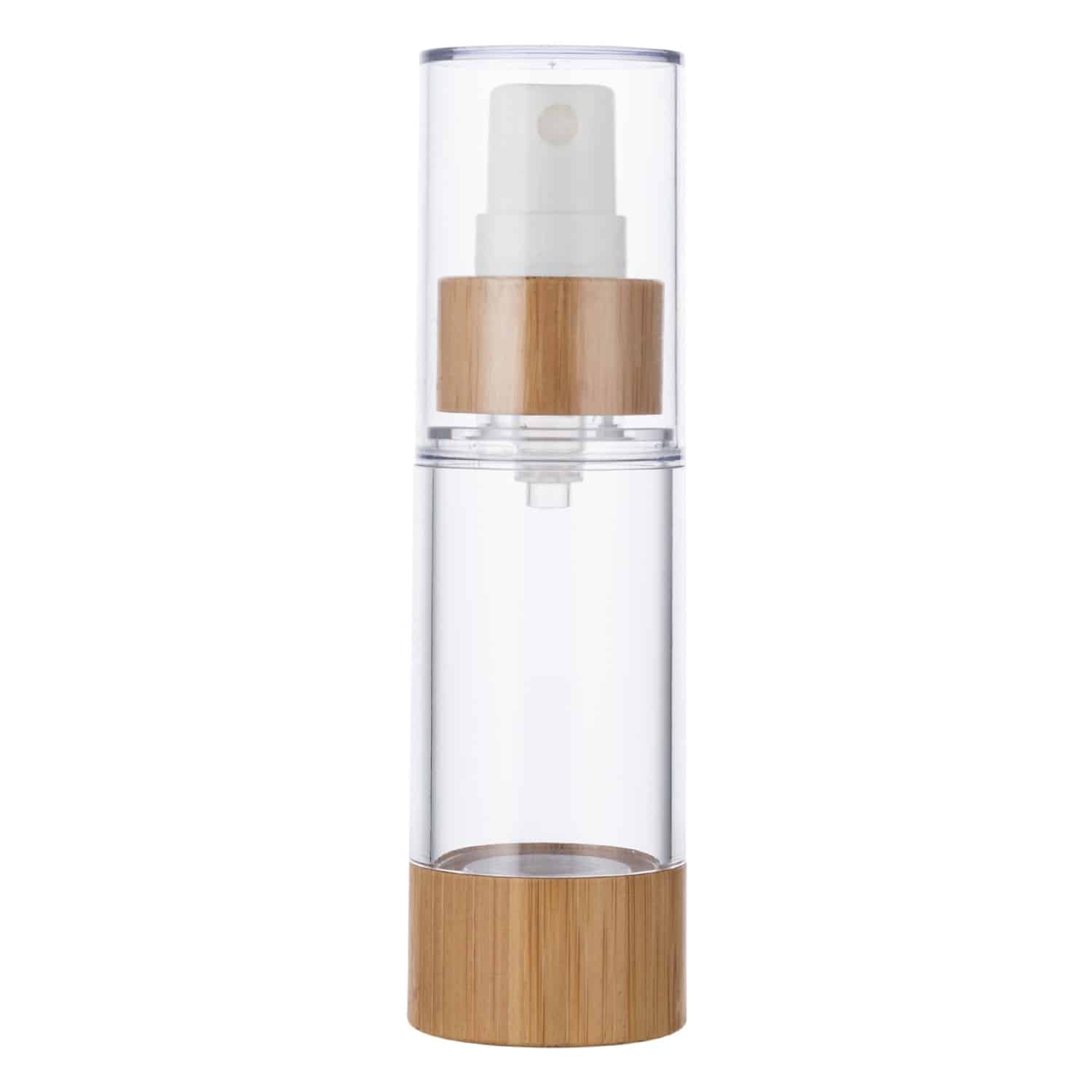
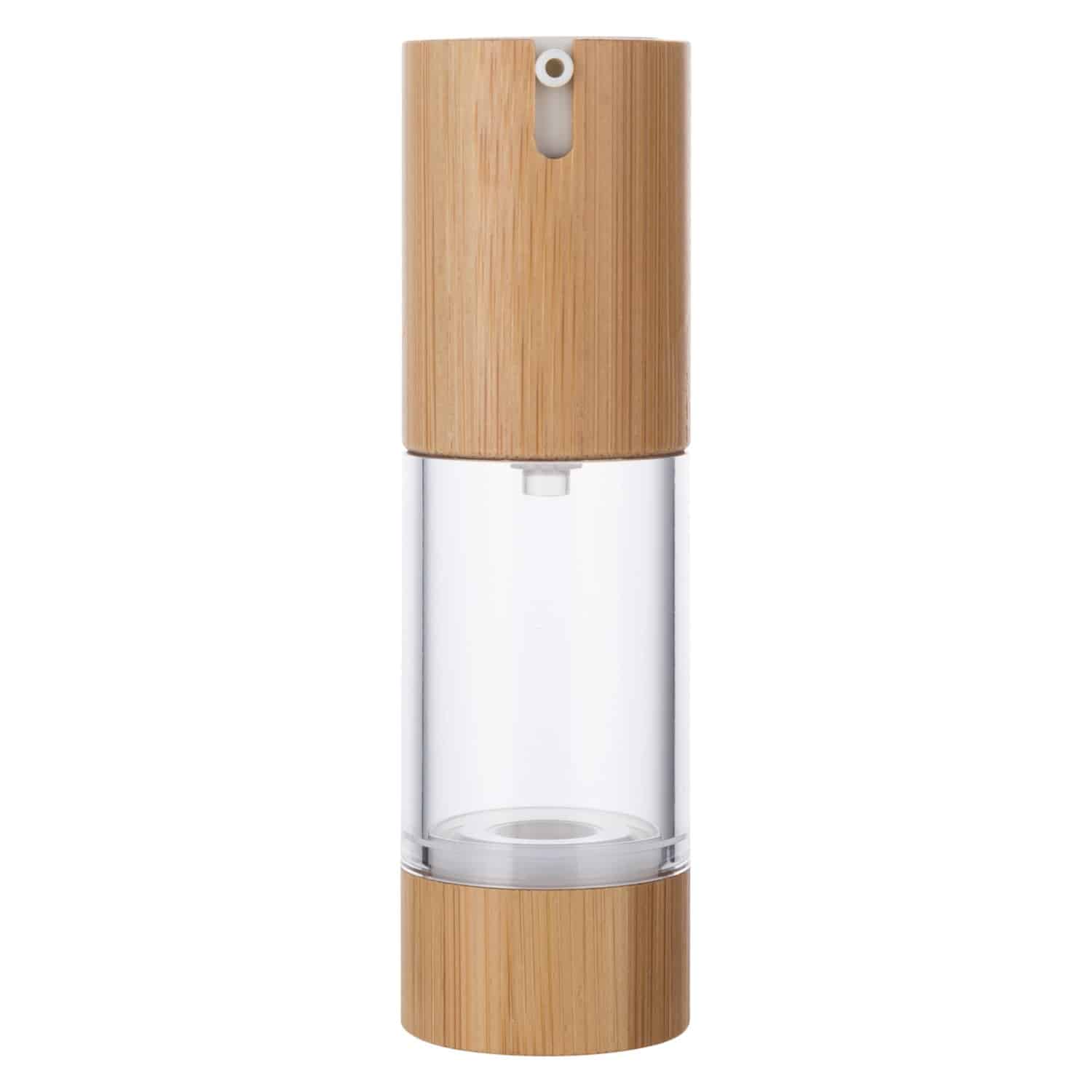
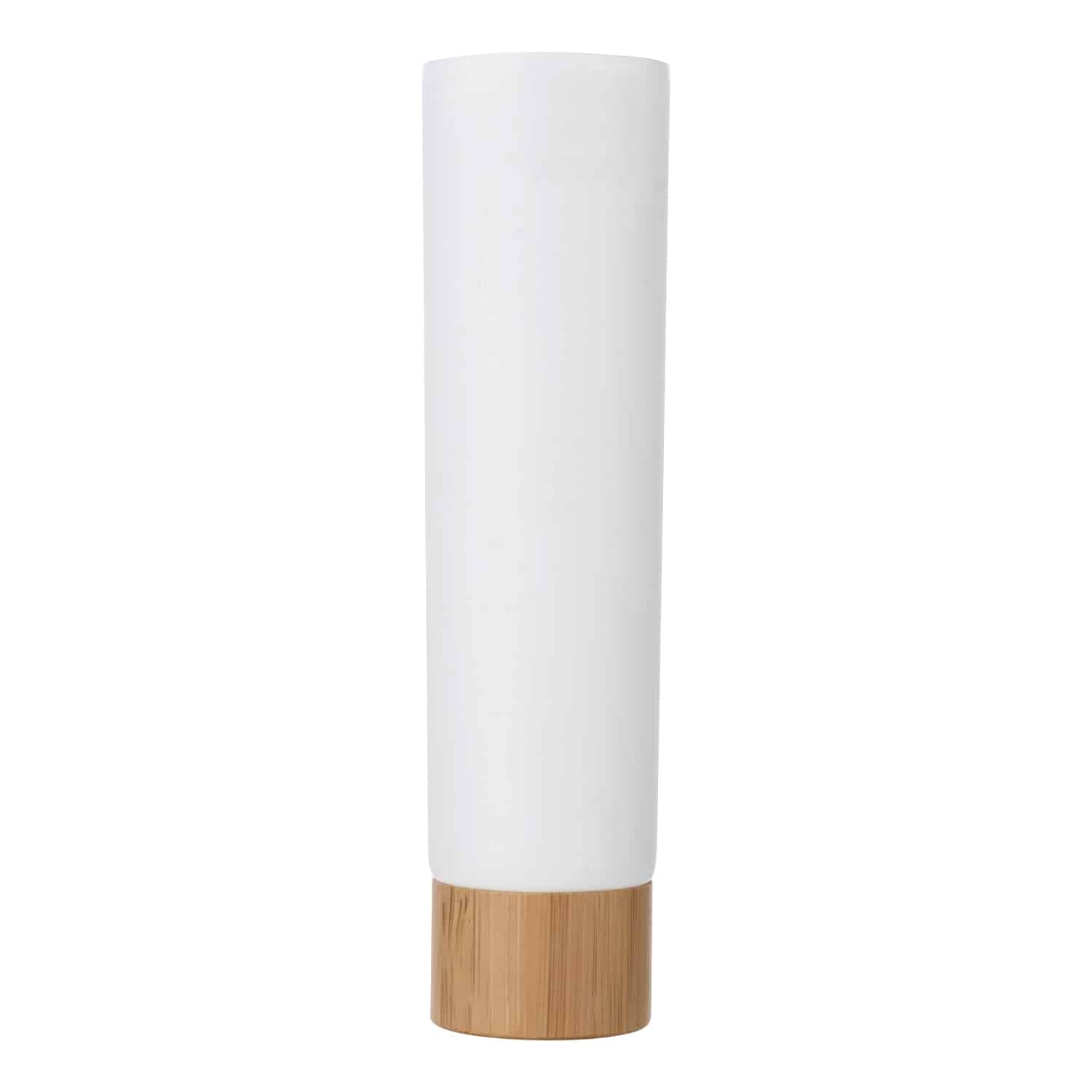
We provide sustainable packaging options for brands that want to reduce their reliance on conventional materials. Depending on the application, options can include PCR PET and PP, rPET, ocean-bound plastic (OBP), bamboo, bio-based materials, glass, aluminum, refillable packaging, and mono-material solutions.
These materials can be used across different cosmetic formats, including bottles, jars, compacts, and other packaging components. We help brands compare options based on the required appearance, performance, application, and sustainability objectives.
Rather than choosing a material based only on its environmental claim, we consider how it works within the complete packaging design. This helps brands find a practical balance between sustainability, product protection, aesthetics, and production requirements.
From Packaging Development to Mass Production
Custom packaging development involves several stages, from the initial concept to final production. We work with brands to confirm packaging specifications, develop designs, create samples, and refine the structure before moving to mass production.
For projects requiring custom tooling, our team coordinates mold development and sample approval before production begins. We also work with brands on decoration, assembly, and other production requirements to ensure the final packaging matches the approved specifications.
Once the design and samples are confirmed, production can move forward according to the agreed requirements and order volume. This development-to-production approach gives brands a clear process for turning an initial packaging concept into a finished product.
Looking Ahead to Cosmopack Asia 2026
Cosmopack Asia 2026 gives us an opportunity to look beyond the exhibition itself and prepare for the next stage of cosmetic packaging development. As a cosmetic packaging manufacturer, we focus on understanding regional demand, building suitable partnerships, and turning useful market information into practical improvements.
Preparing for new packaging opportunities in Asia
Asia remains an important market for beauty and personal care products, with brands serving different consumer preferences, price points, and product categories across the region. This creates opportunities for packaging manufacturers that can provide flexible solutions for both established companies and growing beauty brands.
At Gidea, we prepare by reviewing the packaging formats, materials, and production requirements that may be relevant to different Asian markets. We also consider factors such as product positioning, order volume, customization requirements, and local packaging expectations.
This approach helps us develop solutions that are practical for real commercial applications. Rather than offering the same packaging format to every customer, we can adjust our recommendations according to the product, target market, and production plan.
Exploring potential partnerships with beauty brands
We see Cosmopack Asia 2026 as an opportunity to build relationships with beauty brands that are planning new products or expanding existing packaging lines. Early communication allows both sides to understand project requirements before development begins.
For potential partners, we can discuss product categories, packaging formats, target quantities, customization requirements, and development schedules. These discussions help us determine whether a project is better suited to an existing packaging design or requires a new development program.
We are particularly interested in long-term cooperation rather than one-time orders. A strong partnership allows packaging decisions to evolve as a brand introduces new products, changes its packaging range, or enters additional markets. By working together throughout multiple projects, we can better understand a brand’s requirements and provide more consistent support.
Turning exhibition insights into better packaging solutions
The value of Cosmopack Asia 2026 does not end when the exhibition closes. We can use the information collected from brands, suppliers, and industry professionals to improve our own packaging development priorities.
Feedback from potential customers can highlight practical requirements that may not be obvious from market reports alone. For example, brands may identify specific needs related to packaging size, usability, decoration, customization, or production efficiency. We can use these insights when reviewing future product development projects.
We also evaluate which ideas have genuine commercial potential. Not every exhibition concept needs to become a new product. We focus on solutions that combine practical performance, manufacturability, customization, and suitable production economics.
By turning exhibition insights into concrete development work, we can continue improving our cosmetic packaging portfolio and provide more relevant solutions for global beauty brands. Cosmopack Asia 2026 is therefore not only a place to discover opportunities, but also a starting point for better packaging development and long-term cooperation.