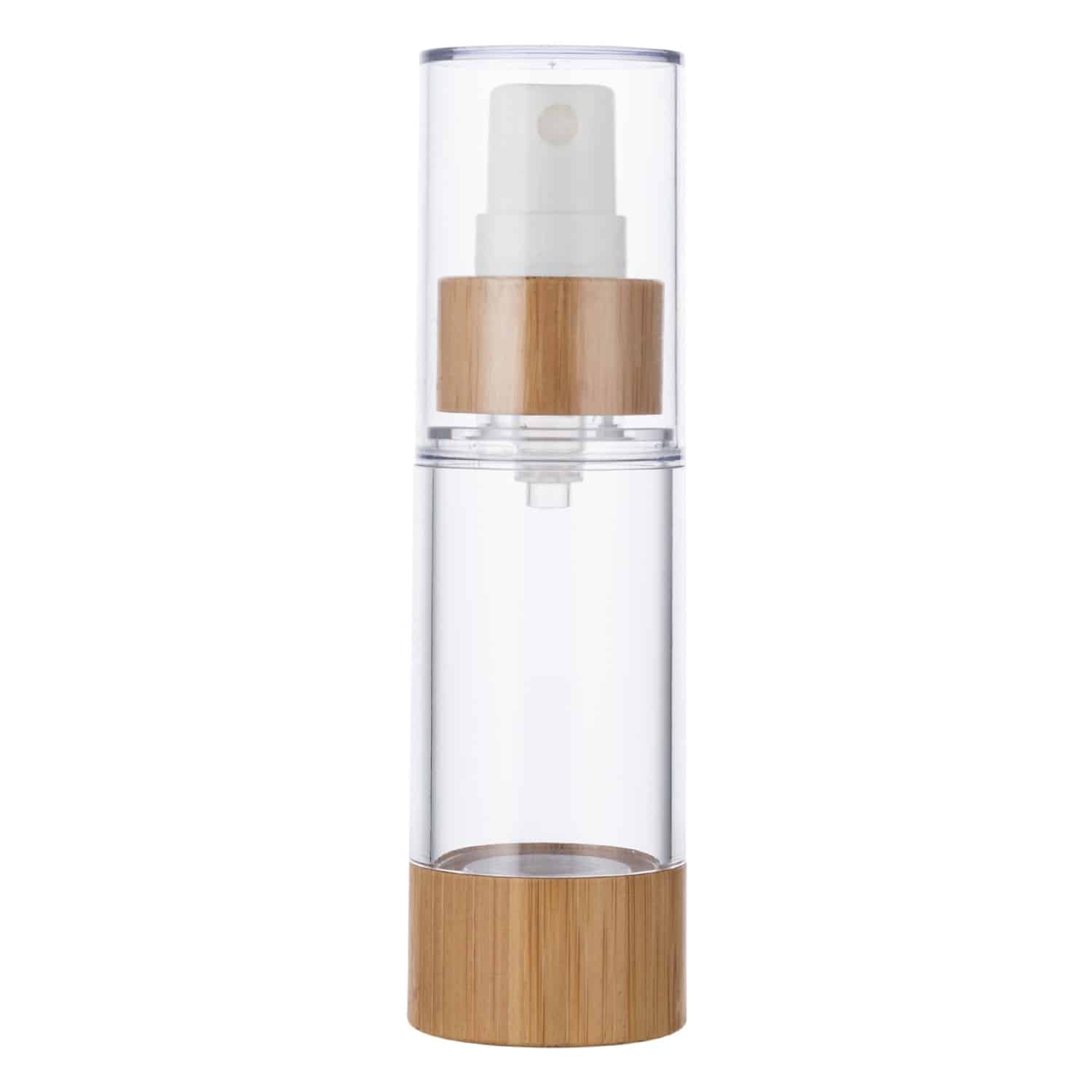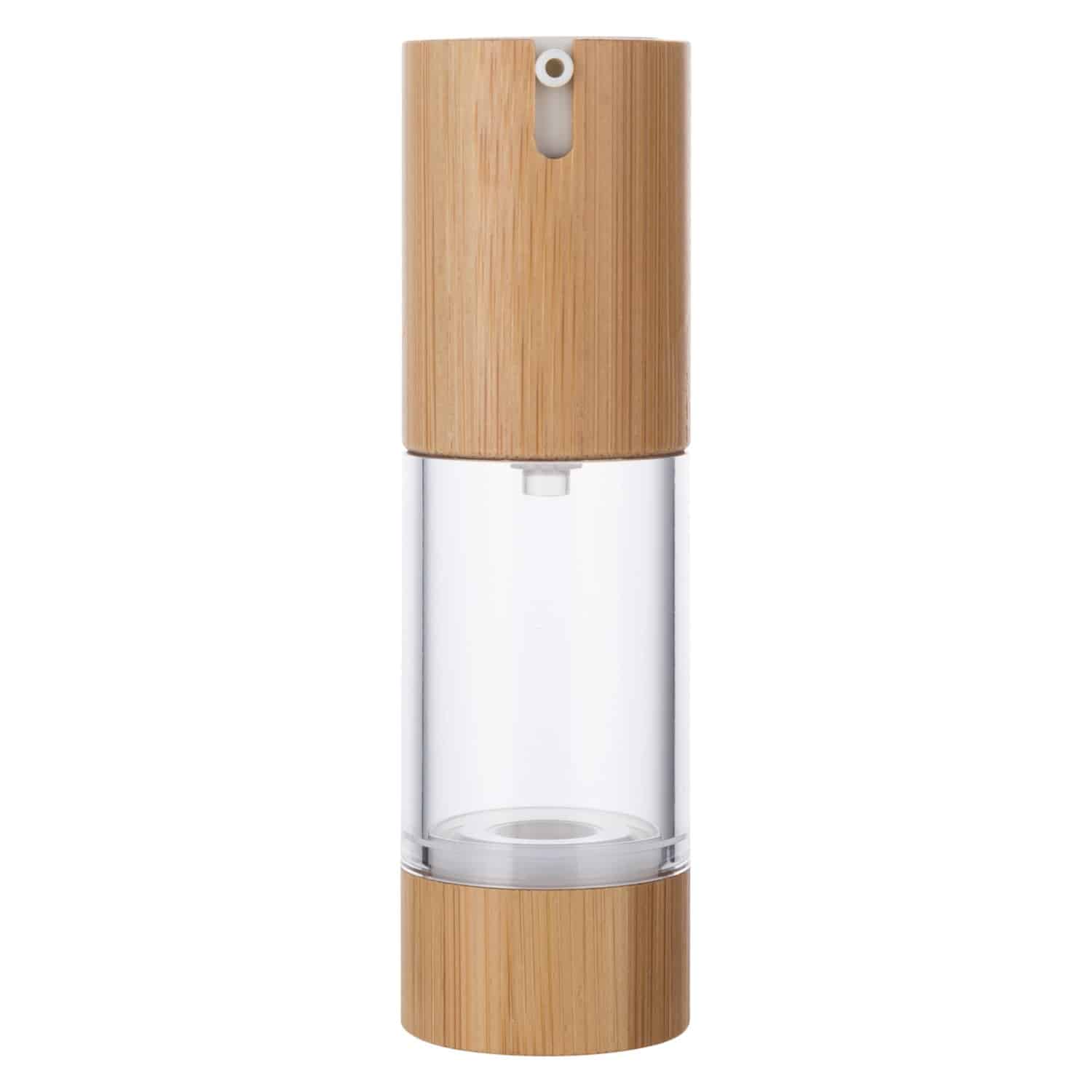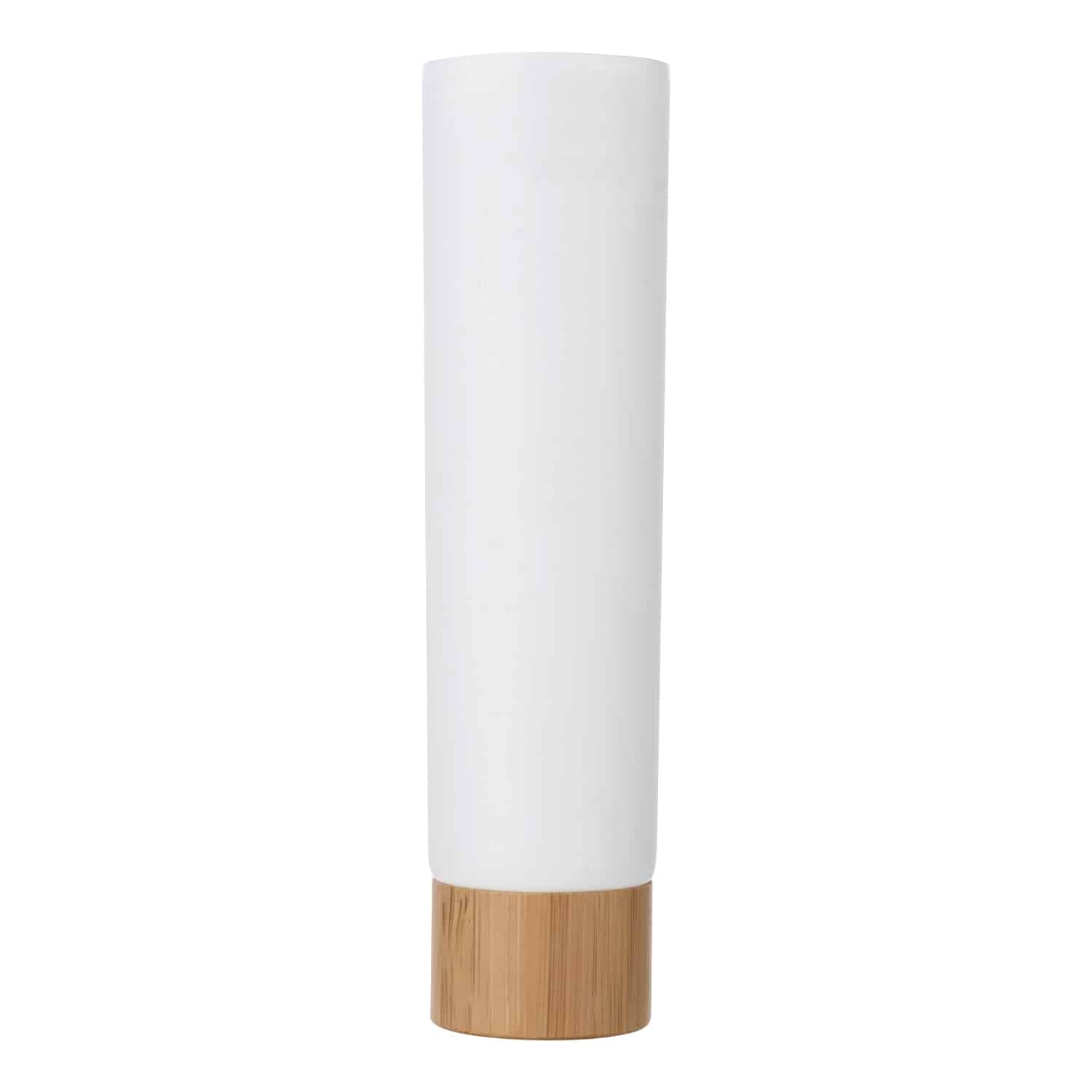
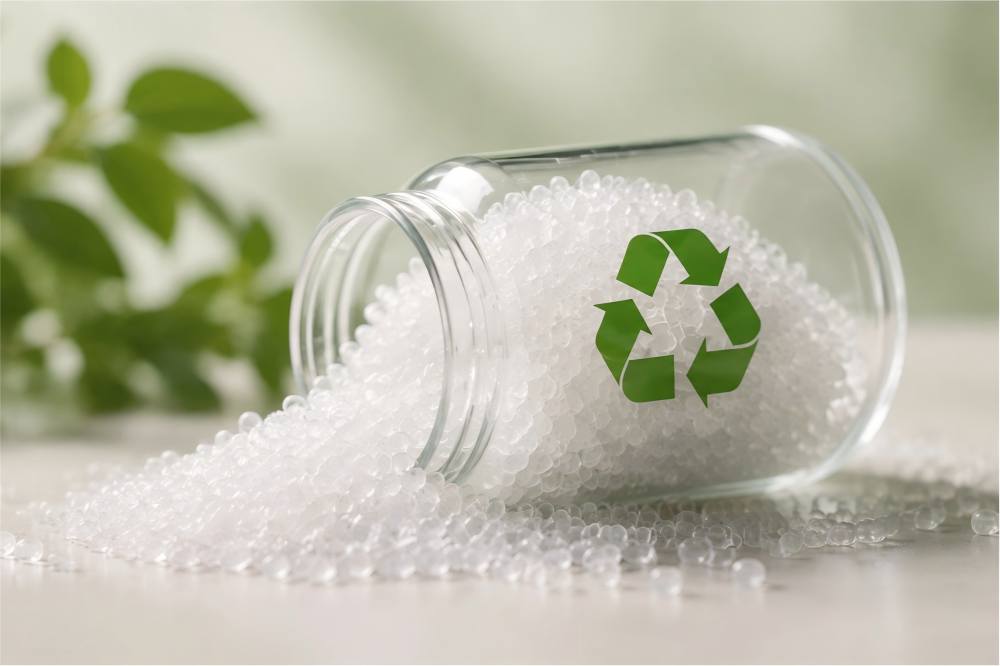
Packaging engineers carefully choose PCR Plastic Packaging levels for personal care bottles. A 30% recycled mix provides a practical starting point. Beauty brands can meet strict rules like European standards without losing package strength. This mixture keeps the container strong, clear, and easy to produce reliably. It lowers overall costs while clearly reducing carbon emissions over the product’s life.
On the other hand, 100% PCR Plastic Packaging is the best choice for total sustainability. Fully recycled materials offer the highest environmental benefits for the planet. Buying teams check material strength and product safety for every unique formula. Choosing the right recycled percentage keeps companies legal and matches their green goals.
Key Takeaways
- Using a 30% PCR plastic blend cuts packaging expenses and still satisfies tough European green rules.
- Using a 30% PCR mix keeps beauty bottles clear and sturdy for normal factory filling.
- Using 100% PCR plastic gives the biggest environmental reward by totally avoiding new fossil fuel plastics.
- Thicker containers like jars and deodorant sticks work best with 100% PCR plastic packaging.
Understanding PCR Content Levels in Plastic Packaging
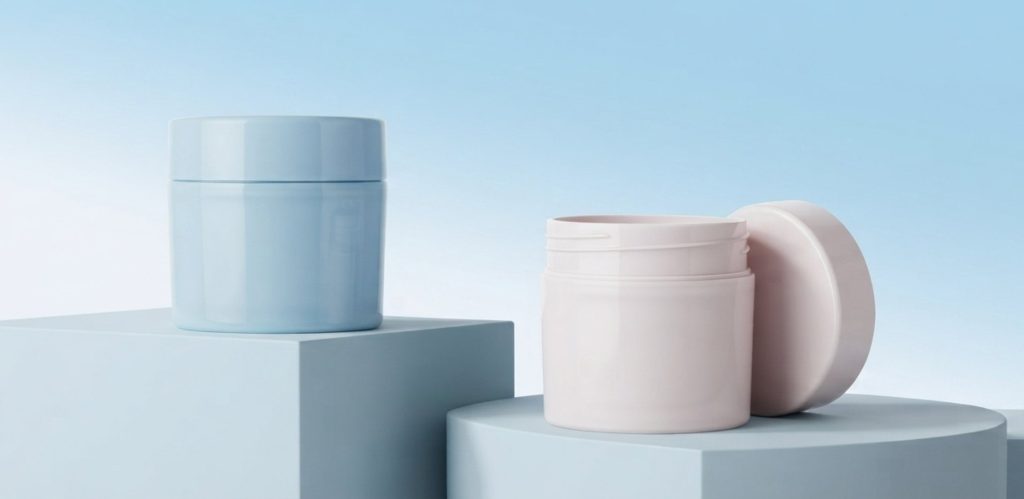
What 30% and 100% PCR Content Mean for Packaging
Post-consumer recycled content tracks the exact percentage, by weight, of reused plastic in any container. Under ISO 14021:2016 rules, post-consumer items come directly from homes, businesses, or factories acting as final consumers. The official rule fully blocks factory waste, leftover manufacturing pieces, or post-industrial scrap. Strict checking steps prevent dishonest labeling while protecting everyday buyers from false eco-friendly statements.
POSTCONSUMER RECYCLED CONTENT (PCR): Proportion, by mass, of postconsumer recycled material in a product or packaging. (ISO 14021:2016)
International laws like the European Union rules demand specific recycled amounts by the year 2030 for different container types.
| Packaging Type | Minimum PCR Content by 2030 |
|---|---|
| Contact-sensitive PET packaging | 30% |
| Contact-sensitive plastic packaging (other than PET) | 10% |
| Single-use plastic beverage bottles | 30% |
| All other plastic packaging | 35% |
Missing these legal goals will block companies from selling goods inside European countries. Official proof demands checked records, including supply chain tracking or balance papers.
Factory rules use a total yearly weight average across an entire production building. To illustrate, a factory using 35,000 kg of PET plastic with 11,000 kg of checked recycled content reaches a 31.4% yearly average. That final score easily clears the required 30% legal limit.
Using a 30% starting point in regular PCR Plastic Packaging helps companies obey official laws without replacing expensive machinery. Smart early design updates protect long-term legal status while keeping worldwide shipping running smoothly. Early planning guarantees steady supplies and guards company profits from legal fines. Upgrading to 100% PCR Plastic Packaging delivers peak environmental benefits by skipping new raw plastic entirely.
30% PCR Plastic Packaging: Benefits and Applications
Why Brands Choose 30% PCR for Balanced Performance
Beauty companies want a fair balance between green package goals and good product quality. Choosing a thirty percent recycled blend lets brands shield delicate skincare liquids while reducing eco-impact. Factory workers mix recycled material with fresh plastic to keep container walls strong. This stable combination preserves clear bottle sides and smooth outer surfaces during every factory run.
Different recycled mix levels fit specific cosmetic package types depending on clarity and strength needs. The following table highlights ideal packaging uses based on recycled material amounts:
| PCR Content | Best Applications |
|---|---|
| 30% PCR | High-clarity bottles, thin-walled jars, premium finishes |
| 50% PCR | Lotion pumps, spray pumps, airless bottles |
| 70% PCR | Jars, caps, outer shells (non-transparent) |
| 100% PCR | Eco-positioned product lines, refill systems, secondary packaging |
A thirty percent mix works very well for thin cosmetic jars and clear cosmetic bottles. Clean plastic resins keep container walls strong, solid, and flexible under physical strain. The final material stops cracking during fast factory filling steps, delivery trips, and daily home use. Packaging teams keep clear glass-like walls without adding ugly haze, dark specks, or heavy color tints. Skincare jars hold a clean, high-end look on retail store shelves. Beauty brands shield liquid creams and lotions without losing bottle strength or pretty visual style.
Cost Efficiency and Reliable Supply Chain Advantages
Selecting a thirty percent blend offers big workplace advantages for expanding personal care brands. Plants process this plastic mix easily on regular high-speed machinery without any delay. Standard plant equipment runs the material smoothly without needing major line changes or costly tool updates. Making plants avoid expensive machine pauses and maintain fast daily building speeds.
The main benefits of using this balanced material show up across factory work, cost control, and business shipping logistics:
| Strategic Factor | How 30% PCR Supports the Balance |
|---|---|
| Regulatory compliance | Meets or exceeds many current thresholds without over-engineering. |
| Operational compatibility | Requires minimal modification to existing manufacturing lines, reducing capital investment. |
| Supply chain & cost | More established supply chains and competitive pricing due to economies of scale. |
| Performance reliability | Better batch-to-batch consistency, preventing downtime in high-speed packaging. |
Steady material supply paths give buying teams full confidence during big commercial factory runs. Recycled plastic suppliers ship predictable resin amounts during every month of the year. Raw material sellers send clean plastic lots with steady melting traits during bottle shaping steps. Standard resin quality lowers bad bottle rates during daily hot plastic molding work.
Buying teams lower total unit costs by using proven supply networks and large factory orders. Smaller material expenses help skincare brands protect healthy profits on main selling items. Picking regular PCR Plastic Packaging gives affordable costs thanks to huge global factory output. Businesses meet strict green rules while keeping store prices fair for everyday buyers. Quality checkers do simple drop tests and leak checks to prove bottle strength before store shipping.
100% PCR Plastic Packaging: Benefits and Challenges
Maximum Sustainability Impact with Fully Recycled Content
Using 100% PCR Plastic Packaging stops the need for new fossil fuel plastics in beauty containers. Companies get the best eco-friendly results by keeping used trash out of dumps and oceans. Stopping new plastic creation greatly cuts down overall carbon pollution during the entire life of the bottle.
This full pledge to recycled material works best for certain personal care items. While 30% PCR is perfect for clear bottles or thin containers, 100% PCR works well in cream jars, stick tubes, and outer boxes. These thicker product shapes stay strong and keep their form when made with all-recycled plastic. Skincare lines share a fully green story with buyers by using complete recycling for these container styles.
Quality Consistency and Appearance Considerations
Switching to fully recycled plastic calls for careful focus on material quality and outer design. Batches of recycled resin show small differences in color, clearness, and outer shine. Special factory help from GIDEA helps skincare brands safely use higher amounts of recycled plastic. Their team adjusts machine settings to control plastic flow and bottle strength in every batch.
Recycled Content Level → Structural Stability → Ideal Packaging Format
30% PCR → High Clarity & Flex → Ultra-clear Bottles, Thin-walled Jars
100% PCR → Rigid & Opaque → Jars, Deodorant Sticks, Outer Shells
Smart container design prevents breaking problems in high-percentage recycled bottles. GIDEA uses complete leak checks on factory lines to make sure bottle tops seal tight under real use. They build smart single-plastic parts, airless pumps, and refill systems. These smart designs allow full 100% PCR use without dropping product quality or daily user ease. Companies guard sensitive skincare liquids from air damage and leaks while reaching big green goals.
Performance Differences Between 30% and 100% PCR
Comparing Strength Durability and Packaging Protection
Bottle strength changes when companies mix different amounts of recycled plastic into container walls. Packages made with 30% PCR keep strong internal plastic chains because raw material forms most of the mix. This steady plastic blend gives great overall strength and guards against heavy drops or bumps. Physical testing shows these tough bottles do not crack during fast factory capping, rough shipping, or normal daily home use.
Containers made with 100% PCR need special smart designs to protect stored formulas over long periods. Reused plastic resins go through many hot melting steps during past collection and cleaning cycles. These extra heating runs lower the overall strength of the raw plastic material. Design experts fix these material changes by making thicker bottle walls, adding stronger bases, and installing smart airless pumps that shield sensitive beauty products from harmful air and unexpected leaks.
Color Appearance and Surface Quality Differences
Outer clearness depends mostly on the exact amount of recycled material inside the bottle mix. A 30% PCR blend keeps high clarity and a shiny surface on personal care bottles. Finished containers look clean and clear like real glass, showing almost no foggy spots or small dark dots. Skincare companies can easily add bright custom colors, shiny foil stamps, and clear printed text onto these smooth container walls.
Using higher recycled plastic amounts creates a unique look for eco-friendly skincare lines. Bottles made from 100% PCR often show soft grey shades or tiny color shifts between different factory batches. Very small particles hidden inside the recycled plastic create a smooth matte feel instead of a polished shine. These natural visual details never harm bottle safety, overall strength, or cap seal quality. Many modern green buyers like these natural color shifts as real visual proof of true environmental action.
Cost and Supply Chain Factors for PCR Selection
Package leaders check material expenses and world supply safety before changing plastic mixes. Popular 30% blends come from large, well-built recycling systems. High recycled amounts expose personal care brands to stock shortages and changing prices in local markets.
Material Costs Between Lower and Higher PCR Levels
Finding pure used plastic needs careful collecting, sorting, and washing steps. Extra cleaning steps turn raw plastic into safe food-grade materials. This extra work raises total building costs and slows down delivery schedules.
| Supply Chain Factor | Impact on Availability | Impact on Lead Times | Relevance to PCR Levels |
|---|---|---|---|
| Collection & Regional Recycling Infrastructure | Causes fluctuation in the availability of high-quality PCR material. | Contributes to supply chain instability, affecting predictability. | Affects all levels (30%, 100%), but high-quality feedstocks for 100% PCR are most sensitive. |
| Sorting & Cleaning | Limited availability of high-quality, sorted material constrains supply. | Adds steps to the preprocessing phase, extending the overall timeline. | Critical for 100% PCR food-grade material; less stringent for 30% PCR in non-food applications. |
| Advanced Processing Requirements | Technical barriers limit the volume of material that can be upgraded to food-grade. | Requires more time for reprocessing and quality assurance. | Directly influences the lead time and cost for 100% rPET, especially for food contact. |
| Market Dynamics & Cost | Higher cost of recycled material due to supply chain complexity affects economic availability. | Procurement challenges for consistent quality can delay sourcing. | 100% PCR is more exposed to these cost and volatility pressures than 30% blends. |
Limited clean plastic reduces the total supply pool for high PCR items. Soft plastic wrappers often miss home recycling pickups. Missing these items harms sorting machines in shared bins and reduces total gathered material. Hard PET bottle recycling lines offer much better material supplies. Reusing layered soft plastics stays too costly in most local areas. Strong market demand for fresh recycled plastic drives up unit prices for 100% PCR bottles.
Availability and Production Challenges of 100% PCR
Making bottles with 100% PCR creates tough physical factory problems. Recycled plastic batches show different surface energy levels from month to month. Changing surface energy affects bottle gluing and sticky labels on fast plant lines. Internal plastic chains shorten during heating steps, causing uneven material flow.
Packaging teams use a simple step-by-step plan to inspect bottles and fix plant problems:
- Check item needs and liquid safety rules to pick good bottle designs.
- Check even wall thickness by watching heat levels, air pressure, cooling time, and shaping speeds.
- Check plastic surface stickiness and liquid flow speeds using water drops instead of dyne tests.
- Set up smart camera checkers to find outer flaws and track bottle safety across delivery lines.
Checking bottle weight helps prove material strength during hot molding steps. For example, a large 19L HDPE jug needs careful wall control, but a PET bottle weighs less than 600g.
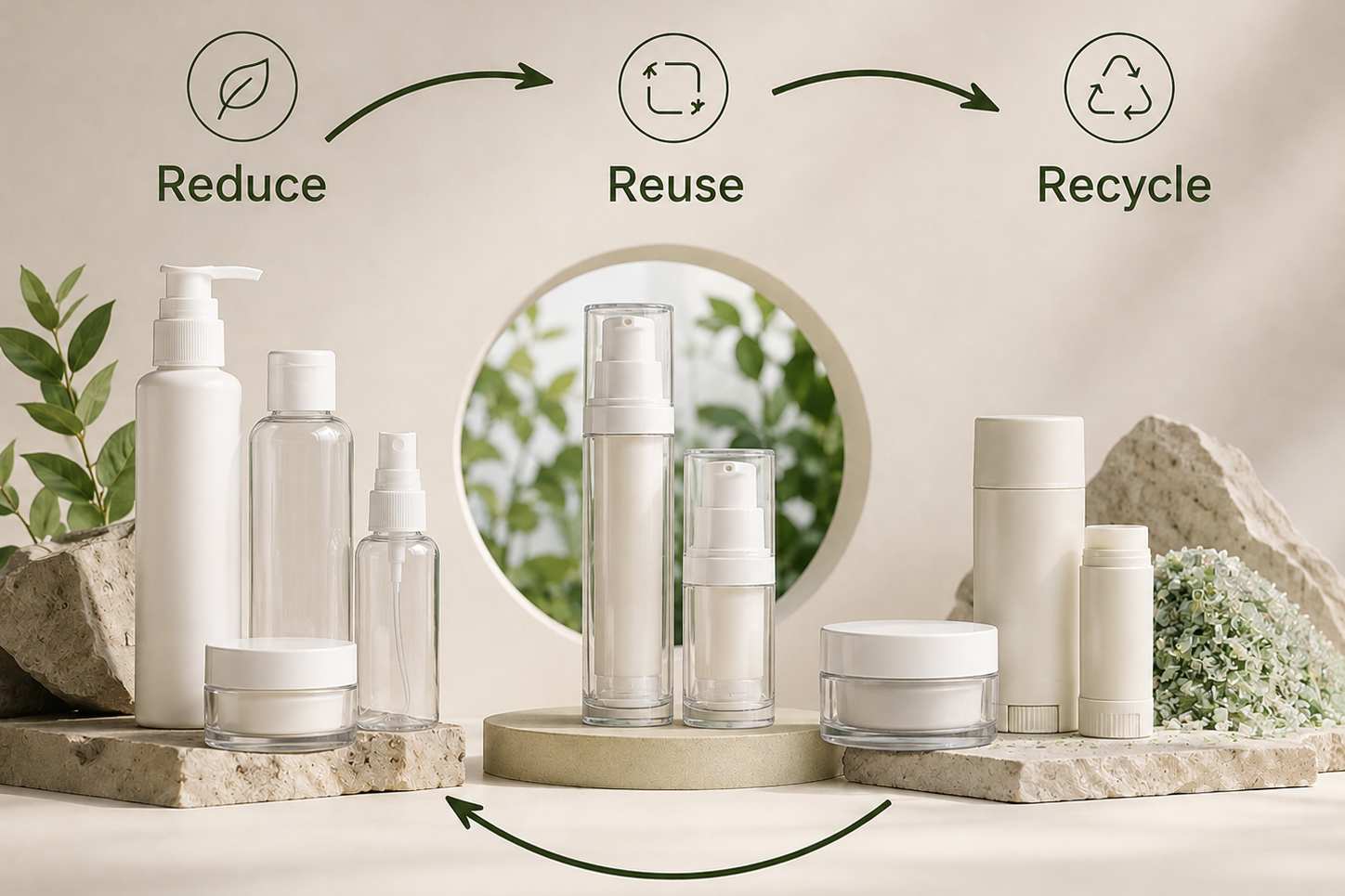
GIDEA helps beauty brands solve these building problems using its main 3R & 1B system—Reduce, Reuse, Recycle, and Biodegrade. Their smart technical teams provide quick 7-day sample making and custom mold options. This helpful factory service lets cosmetic brands test bottle designs and switch safely from 30% to 100% PCR without risking container safety.
Applications of 30% and 100% PCR Plastic Packaging
PCR Cosmetic Containers for Beauty and Skincare Brands
The world market for PCR beauty containers will grow from USD 2,040.0 million in 2026 to USD 6,743.3 million by 2036. Modern skin brands use recycled plastics to lower carbon emissions and satisfy shoppers. Bottles, jars, and airless packs are the main container choices in the field. Together, these popular container shapes hold a 39.0% market share across the personal care industry.
Choosing materials plays an important role in formula safety and container style. PCR-PET and PCR-PP control the material market with a combined 55.0% share. These special plastics give steady wall strength for daily skincare goods. However, active, oily, or alcohol-based formulas can sometimes react with recycled resins. Packaging experts run full ingredient movement tests to stop wall damage, color shifts, and liquid leaks.
PCR Bottles Jars and Sustainable Packaging Components
Picking the best recycled plastic level depends mostly on the exact package part. Small moving parts like lotion pumps, sprayers, and droppers need exact sizes to work well. A 30% recycled mix keeps these small parts strong and reliable over time. In contrast, thick cosmetic jars, hard lids, and outer covers easily support higher recycled plastic levels without losing overall strength.
Beauty companies pick specific resin types based on daily practical needs:
| Component Type | Primary Materials | Key Advantage |
|---|---|---|
| Bottles and Jars | PCR-PET, PCR-HDPE | Great formula protection and wall strength |
| Dispensing Pumps | PCR-PP | Smooth mechanical action and tight seals |
| Heavy Shells | 100% PCR Plastic Packaging | Maximum circularity for green product lines |
Factory workers do strict physical strength tests on finished container parts. Airless bottles and pump tools go through total pressure checks to stop liquid leaks. Early material testing makes sure eco-friendly packages protect sensitive skincare liquids over their whole shelf life. These safety steps help brands start strong container lines with full trust.
Frequently Asked Questions About PCR Content Levels
What Is the Difference Between 30% and 100% PCR?
A 30% PCR mix uses 30% recycled plastic alongside 70% new material. Standard factory methods handle this blend smoothly. Machines process the plastic easily while maintaining original container strength.
In contrast, 100% PCR plastic replaces new fossil fuels completely. Making fully recycled bottles requires careful processing and strict quality checks. Material strength can drop slightly after several recycling rounds, so teams must test the plastic carefully.
Is 100% PCR Plastic Better Than 30% PCR Packaging?
Choosing 100% PCR uses the most recycled content possible for containers. This choice greatly lowers the total carbon footprint for every bottle made. However, factories still face minor issues with matching color shades, surface shine, and plastic consistency between batches.
On the other hand, a 30% PCR mix performs almost like brand-new plastic. Design engineers protect fragile liquid products without slowing down daily factory work. This balanced option offers a quick way for standard brands to follow green laws.
Does Higher PCR Content Affect Packaging Quality?
Adding more recycled plastic directly changes a bottle’s outer look and feel. High PCR packaging often shows a slightly gray, spotted look with a non-shiny finish. These visual details do not lower container safety or ruin tight cap seals.
Physical protection traits also change when factories use heavy recycled amounts. A container’s ability to block air can drop after two recycling runs. Additionally, reused PET bends less easily, while recycled PE and PP match fresh plastic performance well.
Which PCR Percentage Is Best for Cosmetic Packaging?
Finding the right percentage depends on product sensitivity and company goals. Fragile skincare liquids often start with a 10% to 30% PCR mix. This safe starting level guarantees product stability and complete bottle protection on store shelves.
Popular beauty lines prefer a 30% to 50% PCR range to balance green goals with attractive bottle styles. Truly eco-focused brands use 50% to 100% PCR. This higher mix shows real environmental commitment while building a unique, eco-friendly image.
Our PCR Plastic Packaging Solutions for Brands
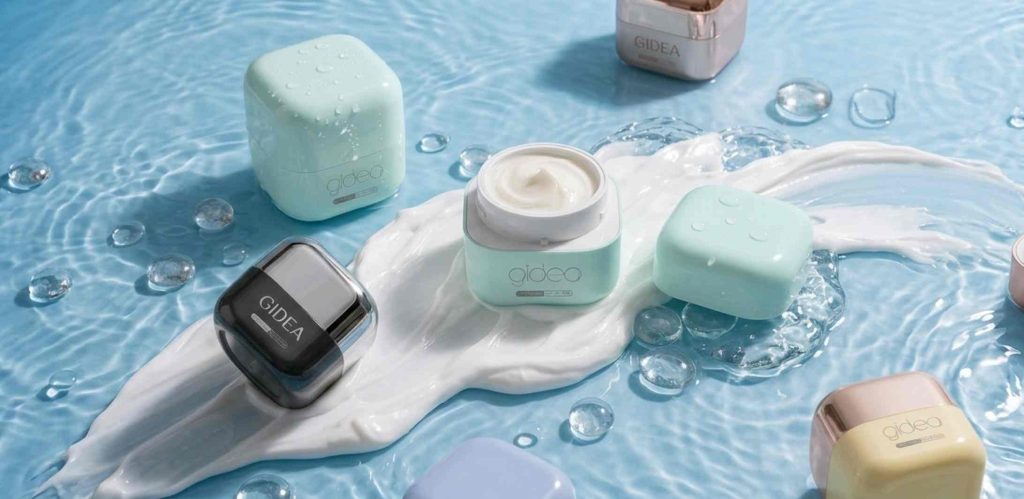
Custom PCR Cosmetic Packaging with Flexible PCR Levels
GIDEA has guided beauty companies toward green containers since 2003. As a top factory, we create custom items for personal care brands worldwide. Our facility mixes recycled plastic from a basic 10% up to 100% total reused material. Beauty lines pick custom jars, bottles, stick tubes, and airless pumps that meet their eco goals and liquid needs.
Our engineers help buyers blend great shelf looks with strong container strength. We build simple single-plastic items, lightweight shapes, and refillable systems that make home recycling easy for buyers. Every custom design meets tough world safety rules, including FDA and ISO standards. Partners get free design help and fast 7-day sample making to test real containers before full factory production runs.
Sustainable Material Selection and Manufacturing Support
Material updates drive our daily factory work. We run our business using a core 3R & 1B plan: Reduce, Reuse, Recycle, and Biodegrade. Besides basic recycled items, our material choices include recycled PET, plant plastics, ocean waste materials, and natural bamboo parts. This wide list helps beauty brands build custom PCR Plastic Packaging lines that guard delicate skincare liquids while cutting life-cycle carbon waste.
Strict factory checks protect your brand name during every building run. Our lines run complete leak tests on all containers to ensure full product safety and easy daily use. Small order minimums help growing skincare lines try green package ideas with low money risks. Global beauty brands trust GIDEA as a reliable maker to bring smart green packaging solutions to store shelves quickly.
Choosing between 30% and 100% PCR depends on your packaging goals. A 30% PCR mix provides a cost-effective, low-risk path to meet global regulatory mandates. This level preserves clarity and structural strength for thin-walled containers. Conversely, 100% PCR delivers maximum circularity for eco-focused brands. Fully recycled plastic works exceptionally well for durable jars, bottles, and refillable packaging systems. Procurement teams should audit product needs carefully before selecting a resin blend. Future packaging relies on advanced recycled materials and bio-based resin innovations. Industry partners like GIDEA help beauty brands transition smoothly to sustainable solutions, driving a low-carbon circular economy with tested, high-quality packaging.