The need for PCR packaging is quickly changing the packaging industry. Experts predict the market will reach USD 25 billion by 2035, growing at a CAGR of 6.5%. PCR (Post-Consumer Recycled) packaging uses recycled materials. It offers big environmental benefits over virgin plastic. It reduces energy use by 79% and greenhouse gas emissions by 67%. It also cuts fossil fuel use by 65%, carbon emissions by 76%, water use by 78%, and landfill waste by 87%. This guide lists the Top 11 PCR Packaging Suppliers, along with industry leaders in the field. It gives important tips for choosing the right sustainable partner for your brand.
Key Takeaways
- PCR packaging is made from recycled consumer waste, which can reduce energy use and greenhouse gas emissions compared with virgin plastic.
- The global post-consumer recycled packaging market is projected to reach USD 25 billion by 2035, growing at a 6.5% CAGR from 2025 to 2035.
- Top suppliers such as Amcor and Berry Global provide PCR packaging solutions with recycled content for different applications.
- When choosing a PCR packaging supplier, check certifications such as GRS, available PCR content, production capacity, customization capabilities, and minimum order requirements.
- GIDEA offers custom PCR cosmetic packaging solutions with options for different recycled-content levels and packaging formats.
What Is PCR Packaging and Why It Matters for Sustainable Brands?
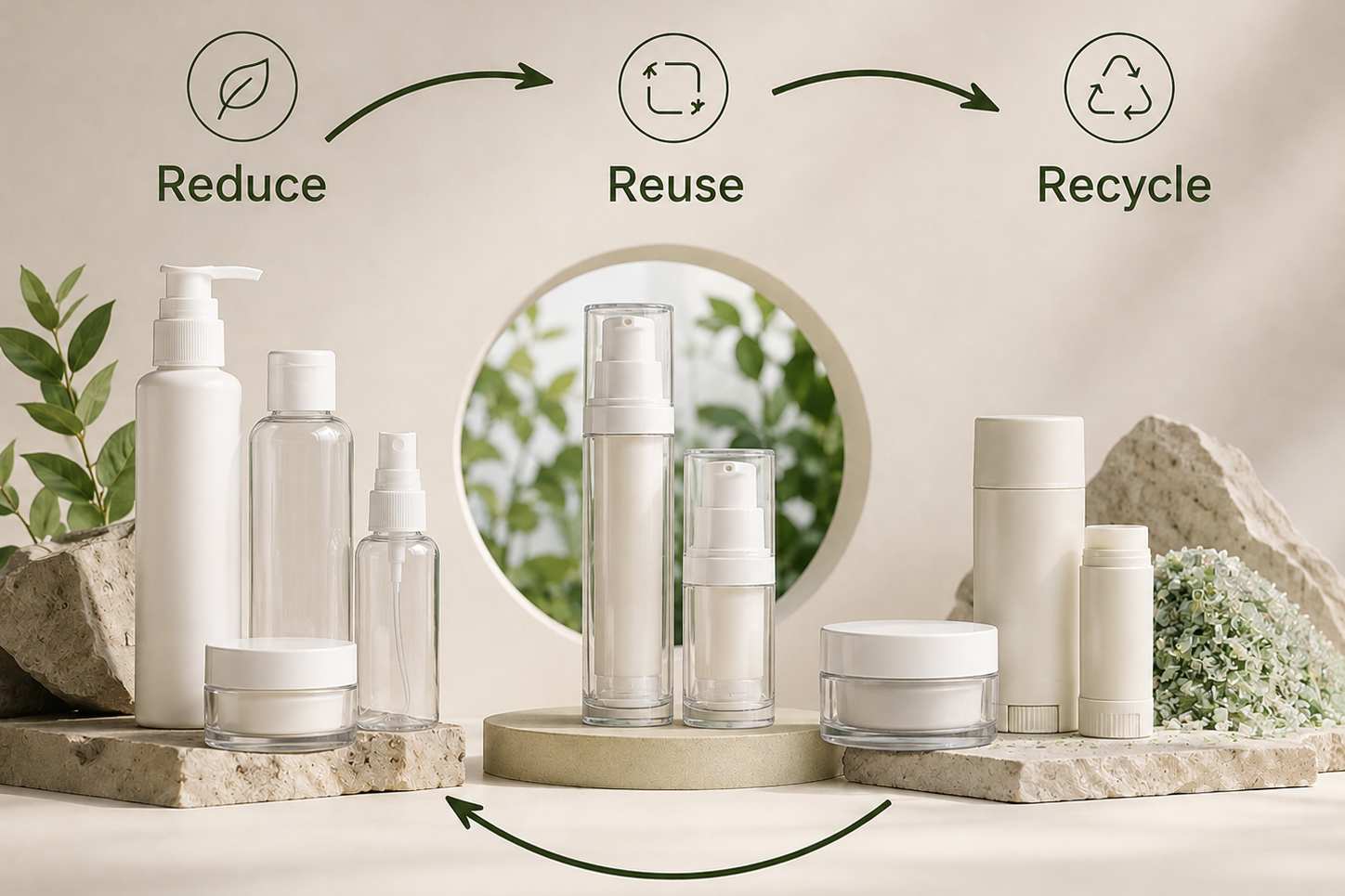
PCR packaging uses material that people have already used and thrown away. Plastic bottles, food containers, and paper items go into recycling. Factories clean, sort, and turn these items into new packaging. PCR packaging gives waste a second life instead of sending it to landfills.
PCR vs. PIR: Understanding the Difference
Many brands mix up PCR with PIR, or Post-Industrial Recycled content. The difference matters for product quality and green claims.
| Factor | PCR | PIR |
|---|---|---|
| Source | Consumer waste (bottles, packaging) | Factory waste (scraps, bad items) |
| Quality | More dirty, changes a lot | Higher quality, always the same |
| Supply | Tied to local recycling rates | More common and easy to predict |
| Processing Cost | Higher (need sorting, cleaning) | Lower (starts clean) |
PIR never reaches consumers. It comes from leftover scraps in factories. PIR cuts down factory waste, but PCR directly fights the plastic pollution problem in our environment. For brands that want the biggest green impact, PCR tells a better story because it closes the loop on real consumer waste.
Environmental Benefits of PCR Packaging
PCR packaging helps more than just cutting waste. Making PCR uses much less energy than making new plastic. It also creates fewer greenhouse gases and uses less water. Brands that switch to PCR use less fossil fuel, since new plastic comes from oil. PCR packaging also lowers carbon emissions over the whole product life.
Market Growth and Future Outlook
The PCR packaging market keeps growing fast. The global post-consumer recycled packaging market is projected to reach USD 25 billion by 2035, growing at a CAGR of 6.5% from 2025 to 2035.
Several things push this growth. Shoppers want more green products every year. Governments around the world make stricter rules on single-use plastics. Big companies promise to use recycled content in their packaging. These forces push brands in beauty, food, and home goods to find reliable PCR suppliers.
For beauty and personal care brands, PCR packaging is very appealing. Cosmetic containers need to look good and work well. Modern PCR resins can do both. Suppliers offer cosmetic bottles, jars, and airless packaging with up to 100 percent PCR content. These products stay clear, strong, and nice to look at while helping the circular economy.
Knowing PCR basics helps brands make smart sourcing choices. The next part looks at top suppliers who can meet different packaging needs.
Top 11 PCR Packaging Suppliers in 2025
The world of packaging has moved a lot toward eco-friendly options. Brands want packaging that works well and helps reduce the use of virgin plastic. This need has created many suppliers that focus on post-consumer recycled materials. The Top 11 PCR Packaging Suppliers in this guide represent different strengths, from rigid containers and cosmetic packaging to flexible films and recycled resin. Comparing their materials, product ranges, manufacturing capabilities, and sustainability programs can help brands find the right PCR packaging partner.
Amcor
Amcor is one of the oldest and largest packaging companies, founded in 1865 and based in Switzerland. It offers both flexible and rigid PCR packaging. Its rigid packaging can use high levels of PCR content, including options reaching up to 100% PCR for selected products. The company also provides flexible packaging with recycled content, giving brands options across different applications.
Amcor continues to invest in PCR manufacturing capacity. In 2025, the company announced an investment in its Nicholasville facility to expand PCR production and provide more flexibility in recycled content levels. This makes Amcor a strong option for large brands that need scalable PCR packaging production and consistent material supply.
Berry Global
Berry Global has earned its place among leading PCR packaging makers through specialization and scale. The company offers a wide range of packaging for beauty and personal care, including bottles, jars, tubes, closures, dispensers, and airless systems. Its manufacturing footprint also supports customers with different order quantities and product requirements.
Berry provides high-PCR-content packaging and has developed products using recycled plastic for different applications. Its broad manufacturing and decoration capabilities also allow brands to combine recycled materials with printing, labeling, foil, and other finishing options. This makes Berry a useful choice for brands that need both PCR content and a broad range of packaging formats.
Plastipak Packaging
Plastipak Packaging combines packaging manufacturing with its own recycling capabilities. Its post-consumer recycled resin program supplies rPET and rHDPE for packaging applications, helping customers increase recycled content while maintaining product performance. The company operates recycling centers across multiple regions and processes large volumes of post-consumer material each year.
This integrated recycling model is one of Plastipak’s main strengths. Instead of focusing only on finished packaging, the company also controls part of the recycled resin supply chain. Its solutions are particularly relevant for brands that need reliable recycled PET or HDPE materials for large-scale packaging programs.
ProAmpac
ProAmpac focuses heavily on flexible packaging and materials science. Its beauty and personal care solutions include cosmetic webs, rollstock, pouches, and other flexible formats for skincare, haircare, cosmetics, samples, travel sizes, full-size products, and refill applications.
The company also develops PCR options through its ProActive Sustainability platform. Its ProActive PCR products are designed to reduce the use of virgin resin while maintaining the functional requirements of flexible packaging. This makes ProAmpac a better fit for brands looking beyond rigid bottles and jars and needing PCR solutions for pouches, refill packs, or flexible formats.
Printpack
Printpack is a U.S.-based packaging manufacturer known for flexible and specialty packaging. Its capabilities cover printed films, bags, pouches, and other flexible formats used across consumer markets. For brands evaluating PCR packaging, Printpack is worth considering when the project requires printed flexible structures rather than rigid cosmetic containers.
Its main advantage is the combination of flexible packaging production and high-quality printing. This can be useful for brands that want recycled content while maintaining strong shelf appeal, detailed graphics, and packaging functionality.
Alpha Packaging
Alpha Packaging specializes in rigid plastic packaging, with a strong focus on bottles and containers. Its product portfolio serves markets including personal care, beauty, food, beverage, and household products. The company is particularly relevant for brands looking for lightweight plastic containers that can be produced in different shapes and sizes.
For PCR projects, Alpha Packaging can be considered when the packaging requirement centers on rigid plastic bottles and containers. Its specialization in this format makes it different from suppliers that primarily focus on flexible films or recycled resin production.
HCP Packaging (Asia Leader)
HCP Packaging is a major beauty packaging manufacturer with strong capabilities in makeup and skincare packaging. Its PCR program covers materials such as ABS, PE, PP, PET, PETG, and PBT, with PCR options available across product categories including compacts, palettes, jars, lipsticks, lip gloss, mascara, and tottles.
HCP is particularly suitable for beauty brands that need PCR packaging with specialized cosmetic functions. Examples include PCR mascara packs, lipsticks, lip balms, and refillable compacts. Its Asia manufacturing operations also make it a relevant supplier for brands sourcing cosmetic packaging in the region.
Gerresheimer
Gerresheimer is a global packaging manufacturer with strong expertise in glass and plastic packaging for cosmetics and personal care. Its cosmetic portfolio includes both standard and customized packaging, with glass bottles, tubular glass, and plastic solutions available for different applications.
The company has particular experience with PCR glass. Gerresheimer has produced glass with a high proportion of recycled glass for more than a decade at selected European facilities. This makes it an interesting choice for brands that want to move beyond recycled plastic and incorporate recycled glass into premium cosmetic or fragrance packaging.
Quadpack
Quadpack is a global cosmetics packaging manufacturer serving skincare, makeup, and fragrance brands. Its product range includes jars, airless bottles, lotion packs, tubes, wooden packaging, and dispensing systems. The company combines product development with manufacturing and sourcing capabilities across several regions.
PCR is available across selected Quadpack products. Its sustainable packaging portfolio includes PCR PP, PCR PET, refillable systems, and mono-material solutions. For example, its refillable airless packaging can combine PCR PET with a refillable design, making Quadpack a strong option for brands looking at both recycled materials and circular packaging concepts.
Silgan Plastics
Silgan Plastics is a North American manufacturer focused on rigid plastic containers and closures. Its capabilities include custom container development and plastic packaging for a range of consumer and industrial applications. For PCR projects, its rigid-plastic expertise makes it a potential partner for brands that need recycled-content containers rather than flexible packaging.
Its focus on plastic containers can be useful for brands that already have a defined bottle or container format and want to evaluate recycled resin options. Buyers should confirm available PCR grades, recycled-content percentages, product compatibility, and project-specific requirements directly with the supplier.
Gidea Packaging (Asia Specialist)
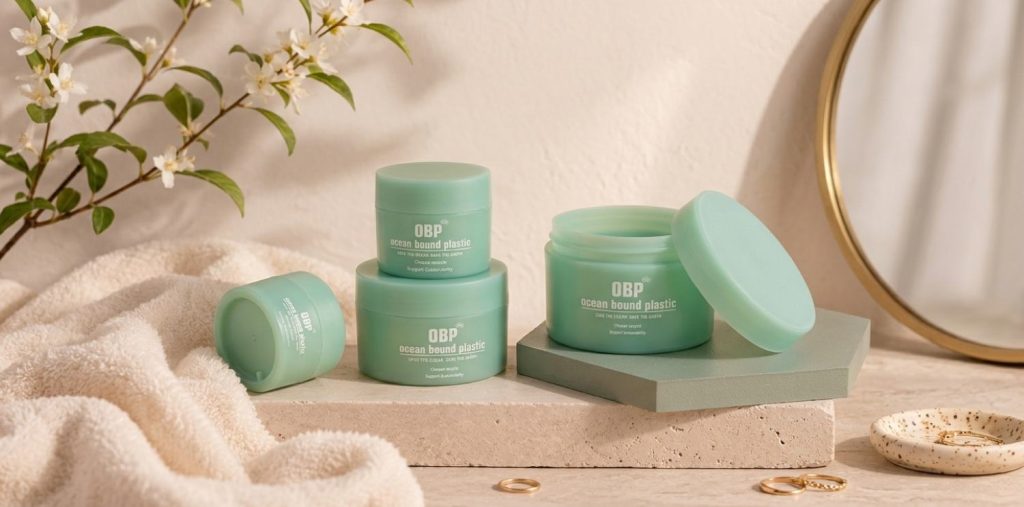
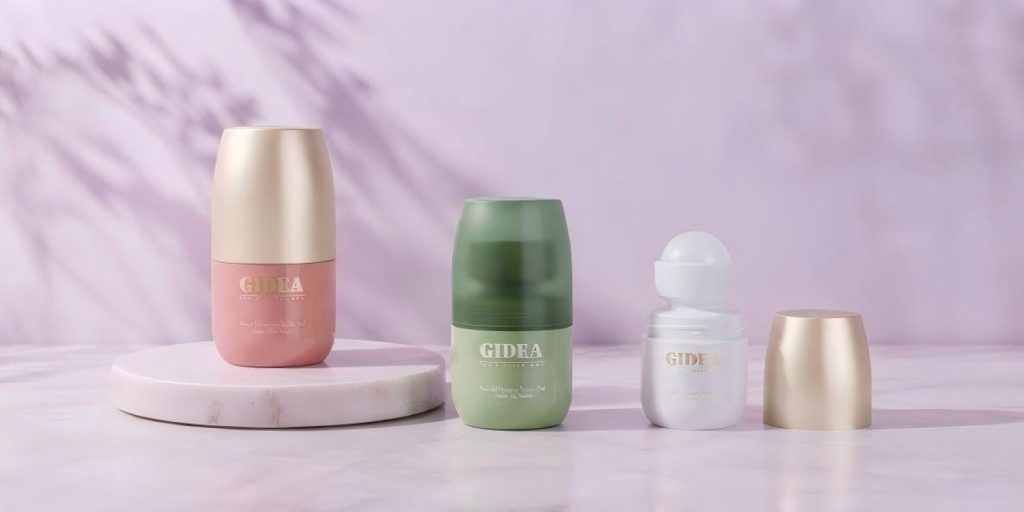
GIDEA is a sustainable cosmetic packaging manufacturer established in 2003, with a product portfolio covering cosmetic bottles, cosmetic jars, airless packaging, and stick packaging. Its sustainable material range includes PCR plastic, rPET, bio-based materials, and ocean-bound plastic (OBP), giving beauty brands several alternatives to conventional virgin plastic.
GIDEA focuses specifically on sustainable cosmetic packaging rather than PCR as a single material solution. Its 3R & 1B system covers circular options such as mono-material packaging, refillable systems, lightweight packaging, and recyclable-by-design structures. The company also supports up to 100% PCR for suitable packaging solutions.
For brands developing customized PCR packaging, GIDEA provides free design support, 7-day rapid prototyping, flexible MOQ options, and 100% leak testing. Its in-house R&D, production lines, QC system, and warehouse and logistics capabilities support projects from packaging development through mass production and global delivery.
How to Choose the Right PCR Packaging Supplier for Your Brand
Picking the right PCR packaging partner shapes your brand’s green story. A bad choice can cause quality problems, shipping delays, or failed certifications. A good choice helps maintain packaging performance, support sustainability goals, and build customer trust. This section explains the key factors to check before choosing a supplier.
PCR Material Quality and Sustainability Certifications
PCR material quality can differ between suppliers. Mechanical recycling melts and reshapes used plastic, and repeated processing can affect properties such as strength, clarity, and color. Higher PCR content may also create a green, brown, or blue tint. Brands using clear cosmetic packaging should therefore confirm the material’s appearance and performance before production.
Chemical recycling provides another approach by breaking plastic down into its basic components and rebuilding it. When available, this can provide more consistent material properties for certain applications. Ask suppliers about their recycling method, PCR source, recycled content percentage, and material specifications.
Certifications are also important for verifying recycled content claims. The Global Recycled Standard (GRS) verifies recycled materials and tracks them through the supply chain. TÜV OK Recycled is another certification used to verify recycled content and responsible processing.
| Certification | Material Type | What It Verifies |
|---|---|---|
| GRS | Recycled Content | Recycled content and supply chain tracking |
| TÜV OK Recycled | Recycled Content | Responsible collection and processing of recycled materials |
For brands selling in Europe, suppliers should also understand applicable PPWR requirements. GIDEA provides sustainable cosmetic packaging using PCR, rPET, OBP, and other recycled or bio-based materials, with relevant documentation and compliance support.
MOQ Production Capacity and Global Logistics
MOQ should match your sales forecast and production stage. A large minimum order may increase inventory costs for startups, while a supplier with flexible MOQ options can make it easier to test a new PCR packaging design before scaling up.
Production capacity is equally important for growing brands. Ask about available production lines, expected monthly output, sampling lead time, and mass-production lead time. A supplier should have enough capacity to maintain consistent supply when order volumes increase.
Logistics also affect the final cost and delivery schedule. Ocean freight is generally suitable for larger orders, while air freight or express delivery can be more practical for samples and smaller shipments. Confirm the supplier’s shipping options, warehouse capabilities, packaging method, and estimated delivery time before placing an order.
PCR resin availability should also be considered. Suppliers with established material sourcing and recycling partnerships may be better positioned to maintain a stable supply of recycled materials. This can reduce the risk of material shortages affecting production schedules.
Customization Capabilities and Industry Experience
PCR packaging should meet both sustainability targets and the functional requirements of the product. Check whether the supplier can customize packaging size, shape, color, decoration, closure, and recycled content according to your specifications.
GIDEA supports customized cosmetic packaging development, including bottles, jars, airless packaging, and stick packaging. Its development process can cover packaging concept design, 3D drawing confirmation, sample development, mold development, and mass production. The company also offers free design support and 7-day rapid prototyping for selected projects.
Industry experience is another useful selection factor. A supplier familiar with cosmetic packaging understands requirements such as formula compatibility, dispensing performance, appearance, sealing, and leak resistance. Reviewing samples and testing them with your actual formula before mass production can help confirm that the PCR packaging meets your product requirements.
FAQs About PCR Packaging Suppliers
What Types of PCR Packaging Products Can Manufacturers Supply?
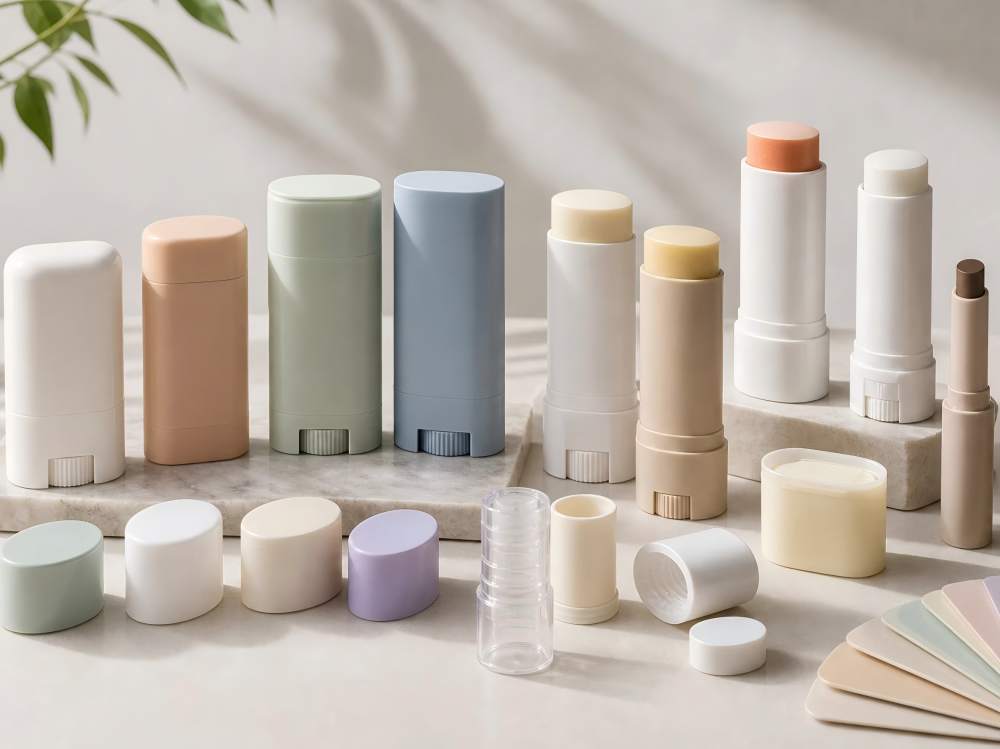
PCR packaging suppliers can provide different formats depending on the product and application. For cosmetics, common options include PCR bottles, jars, airless packaging, tubes, and stick packaging. GIDEA also offers PCR and recycled-material options across different cosmetic packaging formats.
How to Find a Reliable PCR Packaging Manufacturer?
Check the supplier’s manufacturing experience, product range, quality control system, sampling process, and ability to provide stable production. It is also useful to request samples and confirm packaging performance before placing a large order. A reliable supplier should clearly explain its production process, testing procedures, and delivery arrangements.
Can PCR Packaging Suppliers Support OEM and Custom Development?
Yes. Many PCR packaging manufacturers support OEM and custom development, from modifying existing packaging to creating new designs. GIDEA supports packaging concept design, 3D drawing confirmation, sample development, mold development, and mass production. This allows brands to develop PCR packaging around specific product and brand requirements.
What Certifications Are Required for PCR Packaging Production?
Certification requirements depend on the target market, packaging material, and product application. GRS is commonly used to verify recycled content and supply chain traceability. Brands may also need documentation and compliance support for requirements such as FDA standards, ISO systems, and EU packaging regulations including PPWR.
What Is the Typical MOQ for Custom PCR Cosmetic Packaging?
MOQ varies by packaging format, material, customization level, and production process. Custom PCR packaging may require a different MOQ from standard packaging or a new mold project. GIDEA provides flexible MOQ options, allowing brands to discuss suitable quantities based on their packaging design, development stage, and expected order volume.
Our PCR Cosmetic Packaging Solutions for Global Beauty Brands
GIDEA provides PCR cosmetic packaging solutions for global beauty brands, combining recycled materials with practical packaging designs. Its solutions cover different cosmetic packaging formats and customization requirements, helping brands introduce recycled content while maintaining the appearance and performance expected from cosmetic packaging.
Sustainable PCR Plastic Packaging Solutions
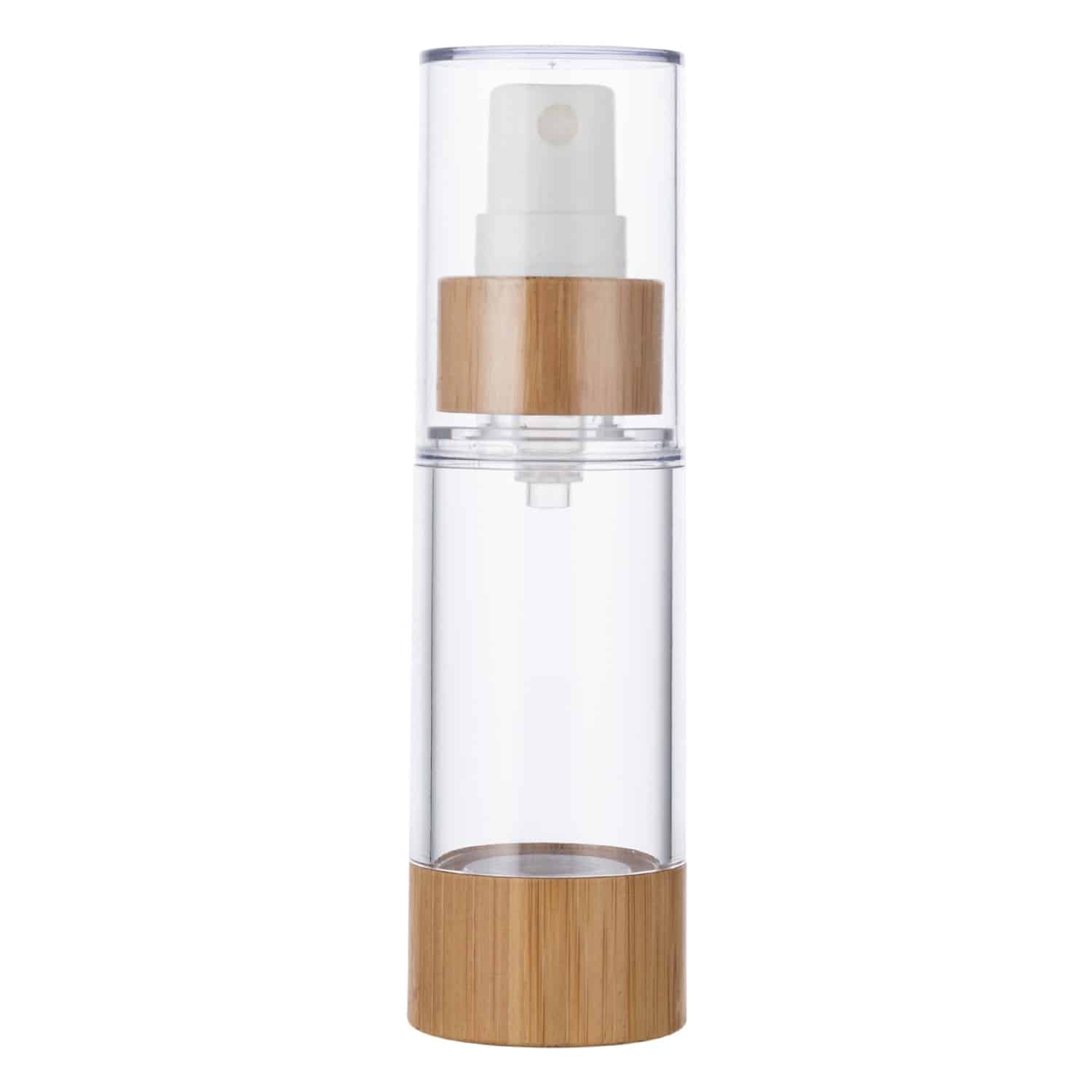
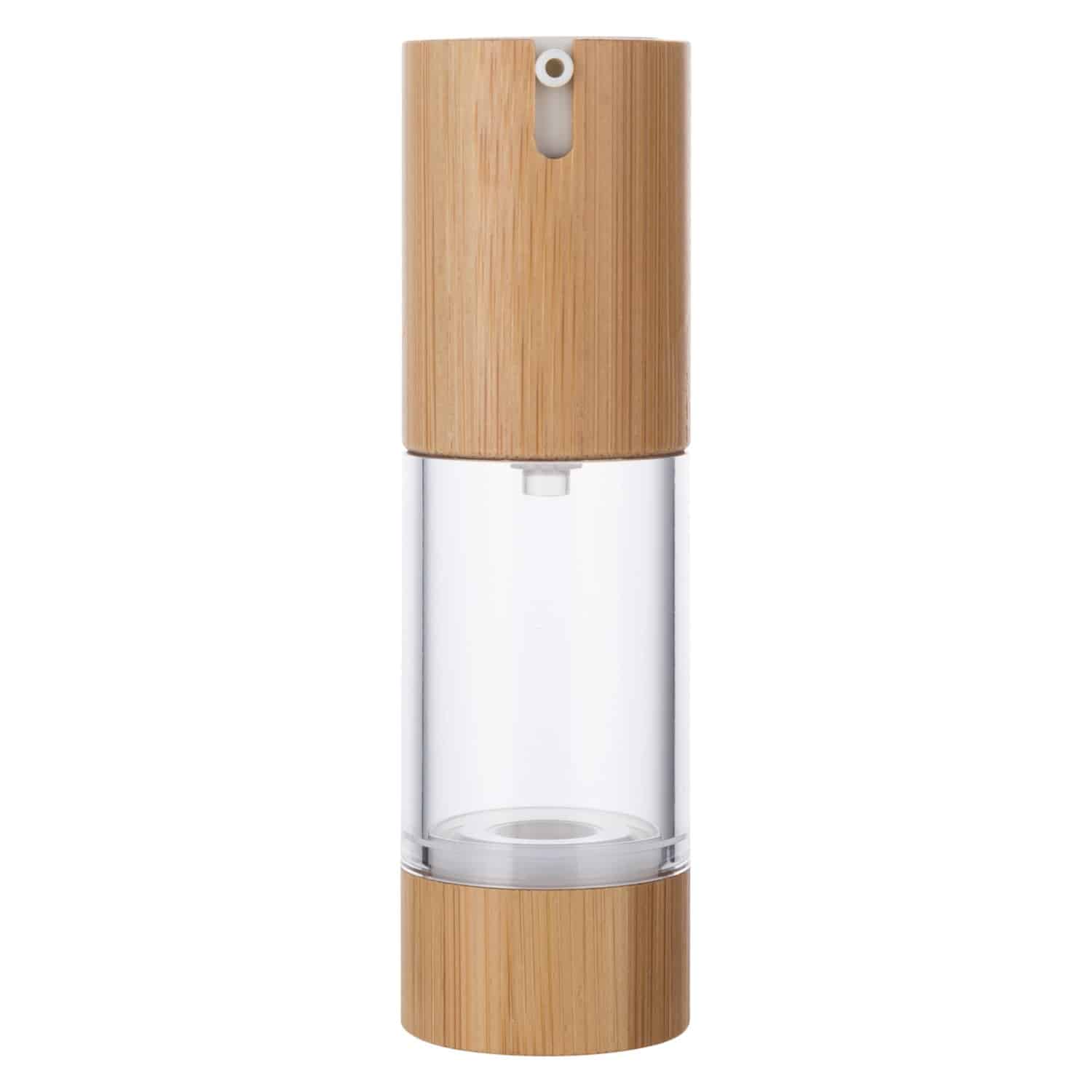
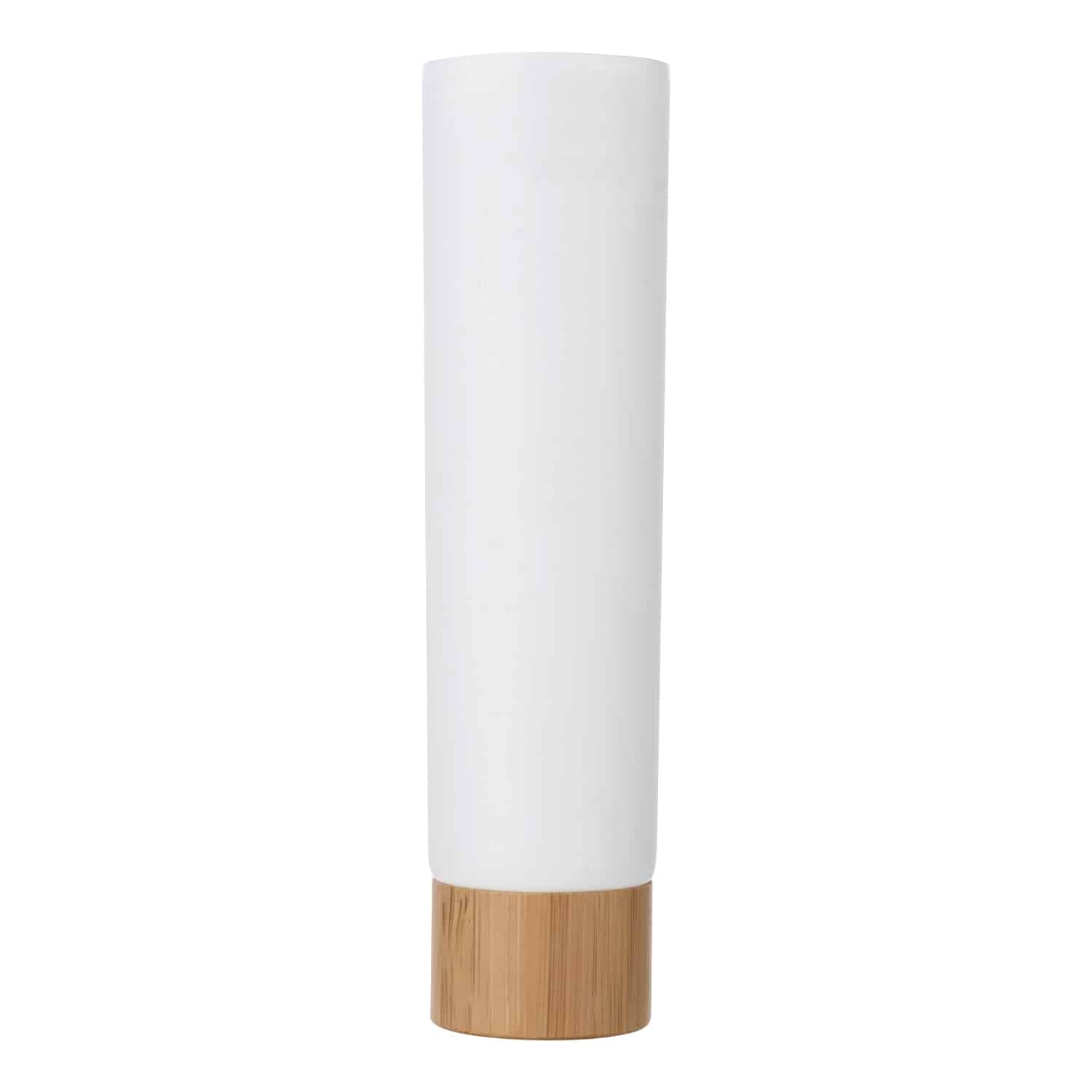
GIDEA offers PCR packaging options for bottles, jars, airless packaging, tubes, and other cosmetic formats. PCR plastic is made from post-consumer recycled materials, helping reduce reliance on virgin plastic and give used plastic a new application.
The environmental benefits of PCR packaging come from reducing the need for new fossil-based plastic. Compared with virgin plastic production, recycling plastic can require significantly less energy. Using recycled materials can also help reduce plastic waste and support a more circular packaging system.
GIDEA’s sustainable material options include PCR, rPET, ocean-bound plastic (OBP), and bio-based materials. Brands can also consider lightweight, refillable, mono-material, and recyclable-by-design packaging depending on their sustainability targets and product requirements.
PCR content can be adjusted according to the packaging design and material requirements. Higher PCR content may naturally affect the color and appearance of plastic. This is particularly important for clear cosmetic packaging, where recycled material may create a slight gray, yellow, green, or blue tint. Brands can select suitable colors and material combinations based on the desired appearance.
Custom PCR Cosmetic Packaging Design and Manufacturing Services
GIDEA supports PCR cosmetic packaging customization from existing packaging designs to new product development. Brands can choose standard packaging and customize colors and details, or develop new packaging through mold development when a completely original structure is required.
Customization can cover key packaging elements such as:
| Dimension | Options |
|---|---|
| Materials | PCR, rPET, and other material options |
| Packaging Types | Bottles, jars, airless packaging, tubes, and sticks |
| Cap & Dispensing | Different caps, pumps, and dispensing components |
| Decoration | Printing, hot stamping, matte finishes, and other surface treatments |
| Development | Consultation → Design → Sample → Production |
For PCR packaging, the material choice also affects the final appearance. Darker colors such as black or amber can help create a more consistent visual effect, while lower PCR ratios may be considered when a lighter or clearer appearance is required.
GIDEA supports the development process with packaging concept design, 3D drawing confirmation, sample development, mold development, and mass production. Free design support and 7-day rapid prototyping can help brands evaluate new packaging concepts before moving into larger production.
During manufacturing, quality control focuses on packaging structure, fit, appearance, and performance. GIDEA also provides 100% leak testing to help identify defective packaging before shipment. This combination of PCR material options, custom development, and production support allows global beauty brands to develop recycled cosmetic packaging around their specific product and brand requirements.